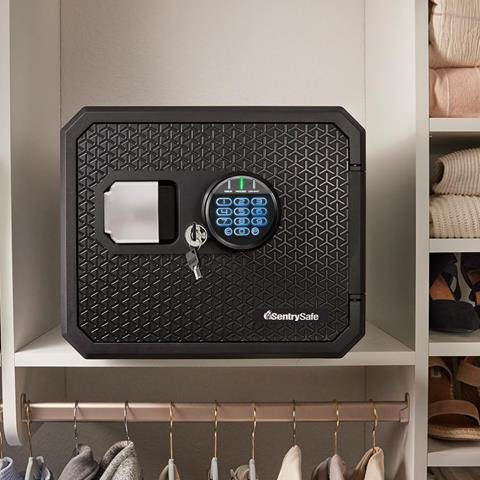
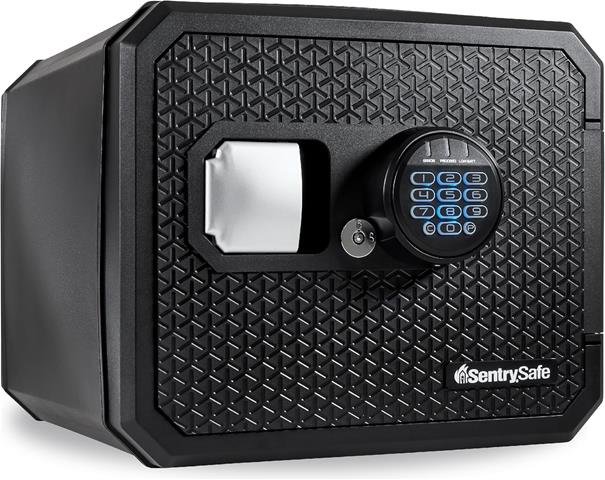
Exclusive Deals
Limited-time Exclusive Deals. Check current discount on Amazon.
Check Price on Amazon As an Amazon Associate I earn from qualifying purchases.If you use a gun safe, electrical cabinet, or store valuables in a small, enclosed space, you may have heard about dehumidifier rods. These compact devices are simple, but they play a big role in protecting your items from moisture and rust. You might wonder: How hot does a dehumidifier rod get? Is it safe to touch? Will it damage anything nearby? Let’s clear up these questions and explore everything you should know about dehumidifier rod temperatures and their real-world use.
What Is A Dehumidifier Rod?
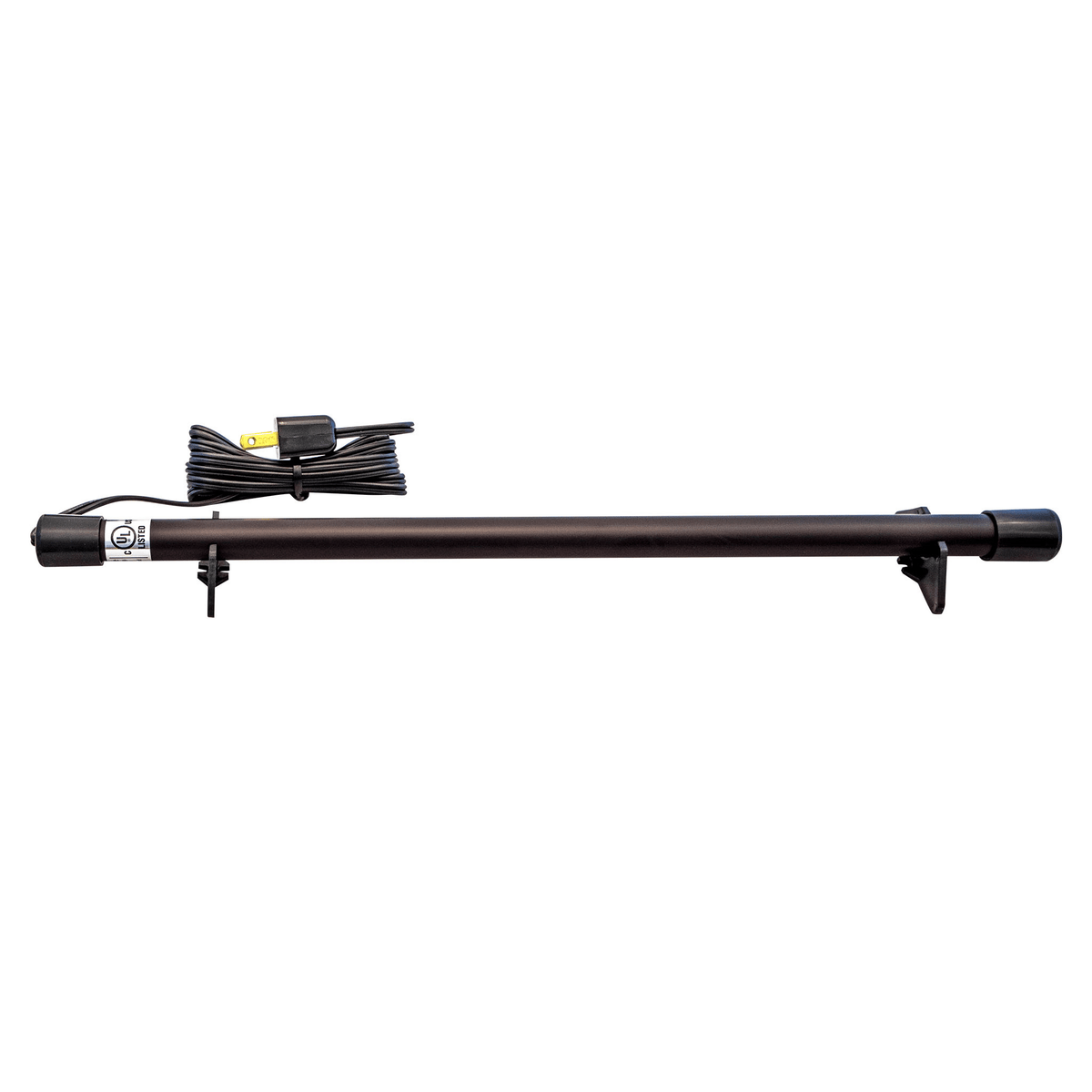
A dehumidifier rod is a small electric heating device, often shaped like a slim tube. It’s designed to fit inside gun safes, cabinets, closets, or other enclosed areas where moisture can build up. Instead of removing water from the air like a traditional dehumidifier, a rod works by gently raising the air temperature just enough to prevent condensation. This keeps the air dry and discourages mold, rust, and mildew.
Exclusive Deals
Limited-time Exclusive Deals. Check current discount on Amazon.
Check Price on Amazon As an Amazon Associate I earn from qualifying purchases.
Why Does Temperature Matter For Dehumidifier Rods?
Understanding the temperature of your dehumidifier rod is important for several reasons:
- Safety: You want to know if it’s safe to touch, or if it could cause burns or fire risks.
- Effectiveness: The right temperature ensures your valuables stay dry without overheating.
- Energy Use: Lower temperatures use less electricity, saving you money.
- Placement: Knowing how hot it gets helps you decide where to put it and what can be stored nearby.
Exclusive Deals
Limited-time Exclusive Deals. Check current discount on Amazon.
Check Price on Amazon As an Amazon Associate I earn from qualifying purchases.Many first-time users worry that the rod will get dangerously hot, but the truth is more reassuring.
How Hot Does A Dehumidifier Rod Get? (typical Range)
Most dehumidifier rods operate between 120°F to 150°F (49°C to 66°C) on the surface. This temperature range is warm—much warmer than your hand—but not hot enough to start a fire or damage most materials inside a safe or cabinet. Some models may run cooler or hotter, depending on their wattage and design.
Example Temperature Readings
- 12-inch, 12-watt rod: Surface temperature around 130°F (54°C)
- 18-inch, 18-watt rod: Surface temperature about 140°F (60°C)
- 24-inch, 24-watt rod: Can reach up to 150°F (66°C)
These temperatures are measured right on the rod’s surface. The air in your safe or cabinet will be much cooler, usually just a few degrees above room temperature.
How Dehumidifier Rods Work
A dehumidifier rod uses resistive heating. This means when you plug it in, electricity flows through a special metal inside the rod. This metal resists the flow, creating heat. The heat slowly warms the air around the rod, causing moisture to stay in the air instead of collecting on metal or wood surfaces. It’s a gentle, constant process—very different from a space heater or hair dryer.
Key Factors That Affect Dehumidifier Rod Temperature
Several factors can affect how hot a dehumidifier rod gets:
- Wattage: Higher wattage rods produce more heat. Common wattages are 12W, 18W, and 24W.
- Length: Longer rods spread heat over a bigger area, which can lower the surface temperature.
- Airflow: Good air circulation inside the safe or cabinet helps spread the heat, making the rod feel cooler.
- Ambient Temperature: If your safe is in a cold place, the rod’s surface may be slightly cooler.
- Enclosure Size: In a small, tight space, heat builds up faster, so the rod may reach its maximum temperature.
- Material: The rod’s casing material (usually aluminum) spreads heat efficiently but doesn’t get dangerously hot.
Comparing Dehumidifier Rod Temperatures
Here’s a comparison of typical rod sizes and their average surface temperatures:
| Rod Length | Wattage | Approx. Surface Temp (°F) | Ideal For |
|---|---|---|---|
| 12 inches | 12W | 130 | Small safes (up to 100 cu. ft.) |
| 18 inches | 18W | 140 | Medium safes (100–200 cu. ft.) |
| 24 inches | 24W | 150 | Large safes (over 200 cu. ft.) |
Insight: Many people expect bigger rods to be much hotter, but often the heat spreads out over a longer surface, keeping the temperature similar or even lower per inch.
Is A Dehumidifier Rod Hot Enough To Cause Burns?
While dehumidifier rods do get warm to the touch, they are not designed to cause burns. If you briefly touch the rod, you might feel a strong warmth, but it should not burn your skin. Holding your hand on the rod for several seconds can be uncomfortable, but it still rarely causes injury.
For example, water scalds skin at around 140°F (60°C) with long exposure, but the rod’s surface cools quickly once you remove your hand. Most rods are designed with safety in mind, so accidental brushes or short touches are not dangerous. However, as a rule, try not to touch it unnecessarily, and keep children away.
Can A Dehumidifier Rod Cause A Fire?
This is a common worry, but the risk is very low if the rod is used properly. Here’s why:
- Low wattage: Most rods use only 12–24 watts, much less than a small light bulb.
- Even heating: The rod gets warm, not red-hot. It doesn’t have exposed flames or sparks.
- Casing material: The aluminum or steel casing spreads heat and prevents hot spots.
- UL certification: Many rods are tested for safety standards.
Key tip: Never cover a dehumidifier rod with cloth, paper, or plastic. This can trap heat and create a fire risk. Always install the rod according to the instructions.
How Does A Dehumidifier Rod Compare To Other Heaters?
It helps to see how dehumidifier rods match up to common household heaters:
| Device | Wattage | Surface Temp (°F) | Purpose |
|---|---|---|---|
| Dehumidifier Rod | 12–24W | 120–150 | Prevent moisture in small spaces |
| Incandescent Bulb (60W) | 60W | 200–250 | Lighting |
| Space Heater | 1000–1500W | Over 400 | Heating a room |
| Clothes Iron | 1000W+ | 300–400 | Ironing |
Non-obvious insight: A dehumidifier rod is much cooler and safer than a light bulb or iron, yet still effective for its purpose.
How To Check If Your Dehumidifier Rod Is Working
It’s normal to wonder if your rod is heating up as it should. Here are ways to check:
- Touch Test: After the rod is plugged in for 30–60 minutes, carefully touch it for a moment. It should feel warm or hot, but not burn your hand.
- Thermometer Test: Use an infrared thermometer to measure the surface temperature. It should fall in the 120–150°F range.
- Humidity Reading: Check the humidity inside your safe with a hygrometer. It should stay below 50–60% if the rod is working.
- Condensation Check: No moisture or fogging should appear on metal or glass inside the enclosure.
Tip: If your rod is cold after an hour, it may not be plugged in or may be defective.
Where To Place A Dehumidifier Rod For Best Results
Proper placement helps the rod work efficiently and safely:
- Low position: Mount the rod near the bottom of your safe or cabinet. Warm air rises, spreading heat evenly.
- Clear space: Leave a few inches around the rod. Don’t place objects directly on top of it.
- Avoid clutter: Don’t cover the rod with paper, plastic, or fabric.
- Secure mounting: Use brackets or screws if provided to keep the rod in place.
How Long Should You Run A Dehumidifier Rod?
Dehumidifier rods are designed for continuous use. Most users plug them in and leave them running 24/7. The energy cost is very low—typically just a few dollars per year.
- 12W rod: About $1.50–$2.00 per year (based on US average electricity rates)
- 18W rod: Around $2.50 per year
- 24W rod: About $3.00 per year
Insight: Turning the rod on and off reduces its effectiveness. Keeping it always on gives consistent protection.
Will A Dehumidifier Rod Damage My Valuables?
The gentle heat from a rod is safe for most items you’d store in a safe or cabinet, including:
- Firearms
- Documents
- Jewelry
- Electronics
- Photographs
However, avoid placing items that are highly sensitive to heat, such as wax candles or chocolate, directly on or near the rod. In rare cases, some adhesives or plastics could soften if they touch the rod’s surface. Always leave a little space for airflow.
Common Myths About Dehumidifier Rod Heat
Many beginners have heard rumors or read misinformation online. Let’s clear up some common myths:
- Myth: Dehumidifier rods get as hot as an oven.
Fact: They only reach about 120–150°F, far below oven temperatures.
- Myth: They will burn your safe lining or wood.
Fact: Properly installed rods do not reach temperatures high enough to scorch safe linings, carpet, or wood.
- Myth: You must turn the rod off in summer.
Fact: Humidity can be high year-round. Rods are safe for continuous use.
- Myth: They dry out gun oils or lubricants.
Fact: The gentle warmth does not evaporate oils; it only prevents condensation.
Signs Your Dehumidifier Rod Is Too Hot Or Too Cold
If a rod ever feels much hotter than 150°F or is cool to the touch after an hour, something may be wrong.
- Too hot: Smell of burning, discoloration, or melting plastic nearby. Unplug immediately.
- Too cold: Rod feels room temperature, and humidity stays high. Check the power supply or replace the rod.
A well-made rod should last for many years without problems.
How To Choose The Right Wattage And Size
Select a dehumidifier rod based on the volume of your safe or cabinet:
- Up to 100 cubic feet: 12W, 12-inch rod
- 100–200 cubic feet: 18W, 18-inch rod
- Over 200 cubic feet: 24W, 24-inch rod
If in doubt, choose a slightly larger rod. It won’t overheat the space, but gives extra protection.

Practical Examples: Real-world Temperatures
Let’s look at a few real-life situations:
Example 1:
A 12-inch, 12W rod in a small gun safe runs with a surface temperature of 130°F. The air inside the safe stays around 75–80°F, even in a cool basement.
Example 2:
An 18-inch, 18W rod in a medium cabinet reaches 140°F, but the documents and guns inside are just slightly warmer than the room.
Example 3:
A 24-inch, 24W rod in a large safe, after 24 hours, maintains a surface temperature of 150°F. The safe interior is comfortable to touch, with no sign of heat damage.
Are There Alternatives To Dehumidifier Rods?
Other ways to control moisture in safes include:
- Desiccant packs: Absorb water from the air. Need to be replaced or recharged regularly.
- Electric dehumidifiers: Remove water, but are bigger, noisier, and use more power.
- Silica gel: Cheap and simple, but less effective for large spaces.
Insight: Dehumidifier rods are maintenance-free and always working, while desiccants require regular attention.
Safety Tips For Using Dehumidifier Rods
- Always install rods according to the manufacturer’s instructions.
- Do not cover the rod with anything that could trap heat.
- Make sure there’s airflow around the rod.
- Keep children and pets away from the rod.
- Check the cord for damage before use.
- Use a surge protector if you have unreliable power.
Unique Issues Beginners Often Miss
1. Rod Placement Matters:
Many users tuck the rod into a corner or under items. This blocks airflow and reduces effectiveness. Always leave space around the rod.
2. Humidity Varies by Location:
Basements and garages often have higher humidity than living rooms. You may need a larger rod in these areas, even if your safe is small.
3. Annual Checks Are Smart:
Over time, dust can collect on the rod, slightly insulating it and making it less effective. Wipe the rod clean once a year to maintain peak performance.
Do All Dehumidifier Rods Run At The Same Temperature?
There are slight differences between brands and models. Some rods are engineered to run slightly cooler or hotter for specific uses. Always check the product’s specifications and user manual for the exact operating temperature.
For example, the popular GoldenRod brand states that their rods run between 120–140°F, depending on the model and environment. Other brands may list slightly different ranges.
How To Measure The Temperature Yourself
If you want to be sure, you can measure the rod’s temperature:
- Infrared Thermometer: Point at the rod’s surface for an instant reading.
- Contact Thermometer: Use a probe to touch the rod for a few seconds.
- DIY test: Touch for a brief moment. If it’s uncomfortable, but not burning, it’s in the right range.
Is There A Risk Of Overheating In A Small Safe?
As long as you choose the correct rod size for your safe, overheating is unlikely. The rod’s design prevents it from getting hotter than its maximum temperature. In a very small, airtight safe, you may notice the air is warmer, but still not enough to damage contents.
If you’re worried, check the temperature inside after a few hours of use.
What To Do If Your Rod Gets Too Hot
If you suspect your rod is hotter than normal (over 150°F), unplug it immediately. Let it cool down, and check for:
- Blocked airflow
- Covered rod
- Electrical problems
- Signs of melting or burning
Replace the rod if you see any damage.

Maintenance And Longevity
Dehumidifier rods are nearly maintenance-free. For best results:
- Dust the rod gently once a year.
- Check the power cord regularly.
- Make sure mounting brackets are secure.
Most rods last 5–10 years or longer.
Environmental Impact
Because dehumidifier rods use so little energy, their environmental impact is low. Running a single rod year-round uses less power than a typical nightlight. If you want to reduce your carbon footprint further, unplug the rod if your safe will be empty for months.
Expert Recommendation
If you store valuable items where moisture is a concern, a dehumidifier rod is one of the safest, most cost-effective solutions. Choose the right size, install it with airflow in mind, and you’ll have many years of worry-free protection.
If you’d like more technical details or want to compare different types, you can find extra information from the Wikipedia Dehumidifier entry.
Frequently Asked Questions
What Is The Normal Operating Temperature Of A Dehumidifier Rod?
The typical surface temperature is 120–150°F (49–66°C). This is warm enough to prevent condensation, but not hot enough to cause burns or fire risk.
Can I Touch The Dehumidifier Rod Safely?
It’s safe to briefly touch the rod, but it will feel quite warm. Avoid holding your hand on it for more than a few seconds to prevent discomfort.
Will A Dehumidifier Rod Overheat My Safe Or Its Contents?
No, the rod’s gentle heat only raises the air temperature by a few degrees. It will not overheat firearms, documents, or valuables if installed properly.
How Long Do Dehumidifier Rods Last?
Most rods last 5–10 years with no maintenance except for occasional dusting. Check the cord and connections once a year for safety.
Are There Better Alternatives To Dehumidifier Rods For Small Safes?
Desiccant packs and silica gel can work, but require replacement or drying out. Electric dehumidifiers are more powerful but use more energy. For most small safes, dehumidifier rods are the simplest and most reliable solution.
A dehumidifier rod is a safe, reliable, and energy-saving way to keep your valuables dry. By understanding how hot they get and how they work, you can use them confidently, protect your items, and avoid common mistakes. With the right rod and proper setup, you’ll enjoy many years of moisture protection and peace of mind.