Keeping your guns safe and in good condition means more than just locking them away. One silent threat inside any gun safe is moisture. Even small amounts can cause rust, corrosion, and damage to your firearms and ammunition. This is why many gun owners choose to install a dehumidifier inside their safe. But buying a dehumidifier is just the first step. Installing it the right way is what truly protects your collection.
This guide covers everything you need to know about how to install a dehumidifier in your gun safe. You’ll learn about the different types, the tools and planning required, detailed installation steps, and tips for maximizing protection. Plus, you’ll see real data, practical examples, and answers to common questions that often confuse beginners.
By the end, you’ll have the confidence to secure your guns against moisture damage for years to come.
Why Moisture Is Dangerous For Gun Safes
Most people think a locked gun safe is enough. But even a sealed safe traps humidity inside. Over time, this moisture can create a breeding ground for rust and mold.
The Hidden Risks
Rust on Firearms: Even small amounts of condensation can cause steel surfaces to rust. This weakens barrels, triggers, and moving parts.
Ammunition Damage: Ammo cases and powder can be ruined by moisture, leading to misfires or dangerous failures.
Mold and Mildew: Leather holsters, gun stocks, and documents stored in the safe can grow mold, which is hard to remove.
Reduced Value: Rust and corrosion lower the resale value of your guns and may void warranties.
Data On Safe Humidity
Experts recommend keeping safe humidity between 30%–50%. Above 60%, rust forms quickly. Below 30%, wood gun stocks may dry out and crack. That’s why dehumidifiers are not optional—they’re essential.
Choosing The Right Dehumidifier For Your Gun Safe
Not all dehumidifiers are equal. The best choice depends on your safe’s size, location, and your budget. Here’s what you need to consider before you buy.
Main Types Of Dehumidifiers
Type
How It Works
Best For
Maintenance
Desiccant
Absorbs moisture using silica gel or similar material
Small to medium safes, no power outlet
Recharge/replace every 1-4 weeks
Electric Rod
Heats air to prevent condensation
Large safes, has power outlet
Minimal, just plug in
Mini Electric
Uses a small compressor or Peltier device
Very humid locations, bigger safes
Empty water tray regularly
What Matters When Choosing
Size of Safe: Larger safes need more powerful dehumidifiers.
Power Source: If your safe has no outlet, you need a battery or desiccant type.
Humidity Level: Basements or humid climates require stronger units.
Maintenance: Decide if you prefer a “set and forget” electric rod or don’t mind recharging silica packs.
Common Mistakes
Many beginners choose the cheapest option or forget to check if there’s an outlet near the safe. This leads to buying a dehumidifier they can’t actually use.
Tools And Preparation Before Installation
Installing a dehumidifier is usually simple, but a little planning saves time and headaches.
What You’ll Need
Dehumidifier unit (chosen based on your safe and needs)
Drill and bits (for electric rods, if cord needs to pass through safe wall)
Measuring tape
Screwdriver (may be needed for mounting brackets)
Vacuum or cloth (for cleaning safe interior)
Extension cord or power strip (if using electric types)
Silicone sealant or grommet (for sealing drilled holes, optional)
Read the Manual: Each dehumidifier has its own instructions. Check for any special requirements.
Check Safe Placement: If your safe is in a basement or garage, expect higher humidity.
Test Power Access: If using electric models, make sure your cord will reach an outlet.
Remove All Items: Take out guns and valuables before you start.
Clean the Safe: Dust and dirt can affect dehumidifier efficiency.
Non-obvious insight: Always keep a humidity gauge inside your safe. Many gun owners install a dehumidifier but never check if it’s actually keeping moisture down. A small digital hygrometer costs little and proves your setup is working.
Step-by-step Guide: How To Install A Dehumidifier In Your Gun Safe
Now, let’s walk through the installation process for each main type of dehumidifier. While the details differ, the goal is always to maximize air circulation and keep moisture under control.
1. Installing A Desiccant Dehumidifier
Desiccant packs are the easiest to install, but require regular attention.
Steps:
Choose a location: Place the desiccant pack on a middle shelf or hang it from a hook inside the safe. Avoid direct contact with guns or metal.
Open the pack: Follow the manufacturer’s instructions for activating the silica gel or moisture absorber.
Place the pack: Make sure it’s not blocked by items. Good airflow means better moisture absorption.
Set a reminder: Mark your calendar to check or recharge the pack as recommended (usually every 2–4 weeks).
Pro tip: Use at least two packs for larger safes or very humid rooms. Spreading them out improves coverage.
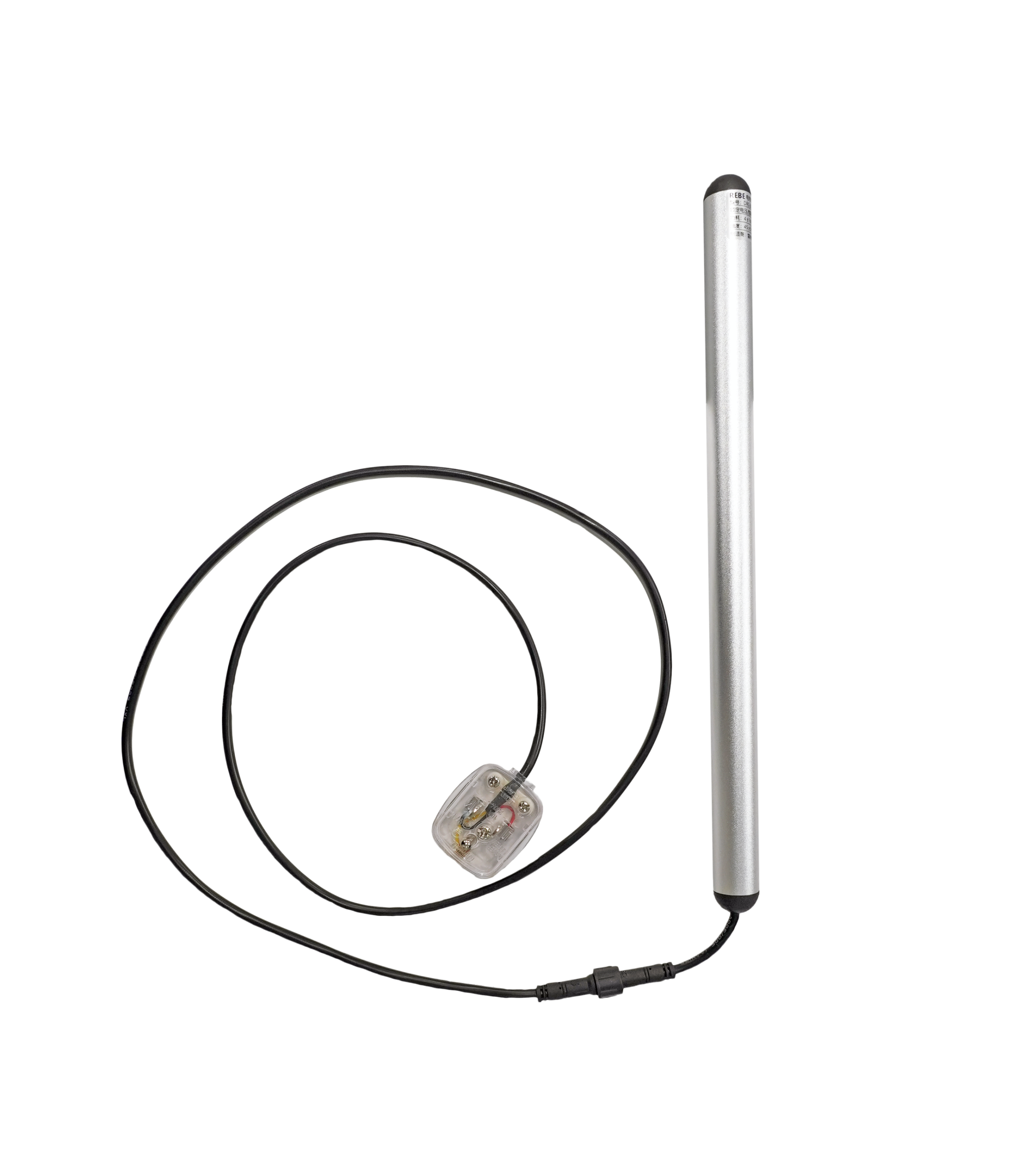
2. Installing An Electric Dehumidifier Rod
Dehumidifier rods are popular because they need little maintenance and work well for most safes.
Steps:
Find the cord access hole: Many gun safes have a pre-drilled hole for electric cords, usually at the back or bottom.
Drill a hole (if needed): If your safe has no hole, carefully drill a 3/8″ to 1/2″ hole at the bottom back. Check for wires or parts first.
Feed the cord through: Pass the rod’s power cord through the hole. Use a rubber grommet or sealant to prevent air leaks.
Mount the rod: Use brackets or clips to attach the rod along the bottom wall or floor of the safe. Do not cover the rod with items.
Plug in and test: Connect the rod to an outlet. It should feel warm, not hot, within 10–15 minutes.
Monitor humidity: Wait 24 hours, then check your hygrometer. Humidity should drop to safe levels.
Non-obvious insight: Position the rod horizontally near the back wall, not directly under guns. This allows warm air to circulate and evenly reduce condensation.
3. Installing A Mini Electric Dehumidifier
These units are rare in smaller safes but can be helpful in big, walk-in vaults.
Steps:
Select a spot: Choose a flat area near a power outlet, away from stored guns.
Place the unit: Set the dehumidifier on the floor, making sure vents are not blocked.
Route the power cord: Use the safe’s power access or drill a hole as with the rod.
Plug in and turn on: Most units have an indicator light or display.
Empty the water tray: Check it weekly—full trays stop the unit from working.
Check humidity: Use your hygrometer to verify effectiveness.
Practical tip: If your safe is small, a mini electric unit may take up too much room. Always measure first.
Installation is just the start. Small improvements can make a big difference in moisture control.
Placement Matters
Bottom is best: Warm air rises, so electric rods work best at the floor.
Avoid corners: Moisture can build up in tight spaces. Spread desiccant packs for even coverage.
Don’t block vents: If your safe has ventilation, keep these areas clear.
Seal Your Safe Properly
Even the best dehumidifier can’t help if your safe isn’t sealed well. Check that doors and seams fit tightly. Use weatherstripping if you feel air leaks.
Monitor Regularly
Place a digital hygrometer on a shelf where you can easily see it. Check readings weekly, especially during rainy seasons or after opening the safe.
Maintenance Reminders
Recharge or replace desiccant packs on schedule.
Clean dust from rods or electric units every few months.
Test the outlet and cord for electric models to avoid fire risks.
Table: How Dehumidifier Types Compare For Common Gun Safes
Safe Size
Recommended Type
Pros
Cons
Pistol Box
Desiccant
Easy, no power needed
Frequent recharge, less coverage
Small Rifle Safe
Desiccant or Electric Rod
Flexible, reliable
Rod needs outlet access
Large Safe (10+ guns)
Electric Rod
Set and forget, strong
Requires drilling if no hole
Walk-In Vault
Mini Electric
Powerful, covers big space
Needs frequent emptying
Example: Real-life Installation Walkthrough
Let’s follow a typical installation to see how the process works in practice.
Situation: John has a 24-gun safe in his basement. The air is damp, and he notices rust starting on a shotgun barrel. There’s an outlet nearby, but his safe has no cord hole.
Steps John Takes:
Chooses a 12-inch electric dehumidifier rod based on safe size.
Removes all guns and valuables from the safe.
Measures and drills a 3/8″ hole at the bottom rear of the safe.
Inserts the rod’s cord, seals the hole with a grommet.
Mounts the rod horizontally on the floor using clips.
Plugs it into the wall outlet.
Places a digital hygrometer on a shelf.
Waits 24 hours; humidity drops from 68% to 40%.
Checks every few weeks—no more rust forms.
Key lesson: A small effort upfront prevents bigger problems later. John’s safe is now protected year-round.
Common Problems And How To Fix Them
Even after installing a dehumidifier, some users still see moisture issues. Here’s what might be going wrong.
Humidity Stays High
Check safe seals: Air leaks let humidity in.
Dehumidifier too small: Upgrade to a larger unit or add a second pack.
Blocked airflow: Move items to allow circulation around the dehumidifier.
Hygrometer not accurate: Test with a salt test or replace.
Dehumidifier Not Working
No power: Check outlet, cord, and any switches.
Desiccant saturated: Recharge or replace sooner than scheduled.
Unit position: Electric rods should never be covered or placed vertically.
Mold Appears
Wipe down interior: Clean with isopropyl alcohol and dry completely.
Increase dehumidifier strength: Consider adding an electric rod if you only use desiccant packs.
Store items dry: Never put wet items in your safe.
Important: If you spot rust or mold, act fast. The longer moisture stays, the harder it is to remove damage.
Safety Tips When Installing A Dehumidifier
While installation is usually low-risk, safety always comes first.
Unplug before working: If drilling or adjusting electric units, disconnect from power.
Check for wires: Before drilling, make sure you won’t hit electrical or locking parts.
Use proper drill bits: Metal safes need high-speed steel or cobalt bits.
Seal holes: Prevent air leaks and possible pest entry.
Keep cords tidy: Avoid tripping hazards or pinched wires.
Extra insight: Never use large room dehumidifiers inside a gun safe. These are not designed for small, sealed spaces and can over-dry or even overheat.
How To Test If Your Dehumidifier Is Working
Most people install their unit and just hope for the best. You should always verify performance.
The Salt Test For Hygrometers
Place your hygrometer in a sealed bag with a cup of salt and a few drops of water (not soaked).
After 8 hours, the humidity should read close to 75%. If not, replace your hygrometer.
Signs Of Success
No condensation on safe walls or guns.
Humidity level stays between 30–50%.
No musty smell when you open the safe.
When To Upgrade
If your safe’s humidity stays high even after installation, it’s a sign you need a larger or additional dehumidifier.
Seasonal Tips For Gun Safe Dehumidification
Humidity changes with the weather. Don’t forget these seasonal adjustments:
Summer: High outdoor humidity means your dehumidifier works harder. Check packs or trays more often.
Winter: Heaters may dry out air, but basement safes can still gather moisture from condensation.
After storms: Check safe immediately after heavy rain or flooding.
Pro tip: Record your safe’s humidity each season. Patterns help you predict when extra attention is needed.
Table: Cost Comparison Of Dehumidifier Types
Type
Initial Cost
Yearly Maintenance Cost
Lifespan (Years)
Best For
Desiccant
$10–$25
$10–$30
2–5
Budget users, no power access
Electric Rod
$20–$60
$3–$5 (electricity)
8–15
Most gun owners
Mini Electric
$40–$120
$10–$30
3–8
Large vaults, high humidity
Frequently Asked Questions
What Humidity Level Is Safe For Gun Storage?
The ideal humidity for a gun safe is 30%–50%. This range prevents rust but keeps wood stocks from drying out. Use a digital hygrometer to monitor levels and adjust your dehumidifier as needed.
How Often Should I Recharge Or Replace Desiccant Packs?
Most desiccant packs need attention every 2–4 weeks, but this depends on your climate and safe usage. Some packs change color when saturated. Recharge (dry in an oven) or replace as soon as you notice a color change or higher humidity.
Can I Use A Regular Room Dehumidifier Instead?
No, room dehumidifiers are not designed for small, sealed spaces like gun safes. They don’t fit inside, may over-dry the air, and can cause overheating. Stick with units made for safes.
Is Drilling A Hole In My Safe Safe?
Drilling a small hole for a power cord is safe if done carefully. Always check the safe’s manual and avoid drilling near locks, wiring, or hinges. Seal the hole with a grommet to prevent air leaks and pests.
Do I Need To Install A Dehumidifier If My Safe Is In A Dry Area?
Even in dry regions, humidity can rise inside a sealed safe, especially after opening the door or storing damp items. Installing a dehumidifier offers year-round protection and peace of mind.
Protecting your firearms is about more than just security. By installing the right dehumidifier and maintaining it properly, you can ensure your gun collection stays safe from rust and moisture damage for many years. If you want more technical details or data about humidity and gun safes, check reliable sources like the Wikipedia Gun Safe page. Remember: a little effort now means your firearms will look and function their best for decades to come.
I’m Vicente L Palmer, a firearms safety researcher and the lead writer at GunSafeSecurity. I focus on secure firearm storage, gun safes, pistol safes, rifle safes, ammo storage, and related accessories. My work is driven by a commitment to responsible gun ownership and family safety.
I spend extensive time researching product specifications, safety standards, and real-world usability to provide clear, unbiased guidance. Every review and buying guide is written to help readers choose reliable storage solutions that protect firearms, valuables, and loved ones. My goal is to deliver honest information that supports safer homes and smarter purchasing decisions—without hype or unnecessary complexity.