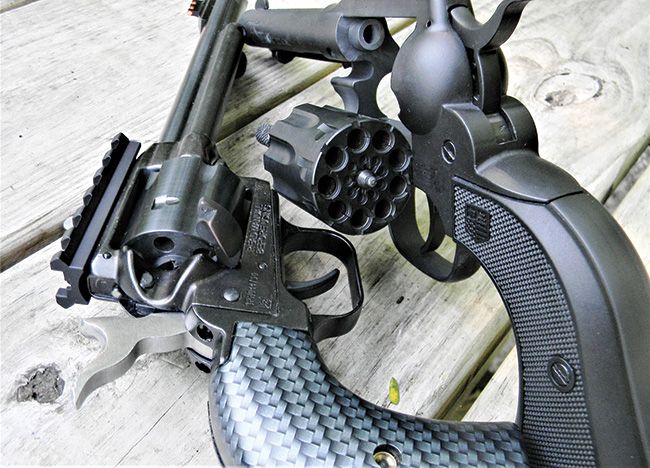
When choosing a revolver, understanding the difference between a swing-out cylinder and a fixed cylinder can make all the difference for your shooting experience. You might think all revolvers work the same, but the way the cylinder operates affects everything from reload speed to reliability.
If you want to know which type suits your needs best, keep reading. This guide will help you make a smart choice that fits your style, whether you’re a beginner or a seasoned shooter. Don’t miss out on key details that could improve your accuracy and ease of use.
Swing-out Cylinder Design
The swing-out cylinder design is a key feature in many modern revolvers. It allows the cylinder to swing out from the frame. This makes loading and unloading much easier compared to older designs. The design improves speed and convenience for the shooter.
Exclusive Deals
Limited-time Exclusive Deals. Check current discount on Amazon.
Check Price on Amazon As an Amazon Associate I earn from qualifying purchases.This design is common in both law enforcement and civilian firearms. It helps users reload faster and maintain better control over their revolvers. Understanding this design helps in choosing the right revolver for different needs.
Mechanics And Operation
The cylinder swings out to the side of the revolver frame. This exposes all chambers at once for quick access. A latch or release mechanism unlocks the cylinder. The shooter then pushes the cylinder outward.
After swinging out, spent cartridges can be pushed out using an ejector rod. Fresh rounds are loaded into the empty chambers easily. The cylinder swings back into place and locks securely for firing.
Advantages
Speedy reloading saves time during shooting sessions. The design allows visual inspection of all chambers quickly. It helps ensure the gun is fully loaded or empty. The swing-out cylinder is safer and more user-friendly.
Exclusive Deals
Limited-time Exclusive Deals. Check current discount on Amazon.
Check Price on Amazon As an Amazon Associate I earn from qualifying purchases.It also reduces the risk of jamming or misfires. The shooter can reload with one hand if necessary. Durability and reliability make it a popular choice among revolver users.
Common Uses
Law enforcement officers prefer swing-out cylinder revolvers for fast reloads. Sport shooters use them for target shooting and competitions. Many hunters choose them for their ease of use and reliability.
Self-defense revolvers often use this design. It offers a good balance between speed and control. The swing-out cylinder remains a trusted option for many firearm owners.
Exclusive Deals
Limited-time Exclusive Deals. Check current discount on Amazon.
Check Price on Amazon As an Amazon Associate I earn from qualifying purchases.Fixed Cylinder Design
The fixed cylinder design is a classic style used in many revolvers. It means the cylinder does not move or swing out. Instead, it stays in place during firing and reloading. This design is simple and reliable. It offers a different experience compared to swing-out cylinder revolvers.
Mechanics And Operation
The fixed cylinder holds the cartridges tightly in a circle. To reload, you must open a loading gate on the side. Then, each cartridge is removed and replaced one by one. The cylinder itself stays fixed and does not swing out. The revolver rotates the cylinder to align each chamber with the barrel for firing.
Advantages
Fixed cylinder revolvers are often more robust and durable. Fewer moving parts reduce the chance of mechanical failure. The design tends to be more compact and lighter. It offers a solid feel in the hand. Many users find it easier to maintain and clean. Fixed cylinders also add to the revolver’s classic style and charm.
Common Uses
These revolvers are popular for personal defense and hunting. They are common in cowboy action shooting and historical reenactments. Some law enforcement officers prefer them for their simplicity. Fixed cylinder revolvers suit those who value reliability over quick reloads. They work well in situations where durability matters most.
Reloading Speed And Ease
Reloading speed and ease play a big role in choosing a revolver. It affects how fast you can get back to shooting. Different cylinder types change the reloading experience a lot. Let’s explore how swing-out and fixed cylinders compare in this area.
Swing-out Cylinder Reloading
Swing-out cylinders open to the side. This design gives quick access to all chambers. You can push out spent cartridges fast. Reloading with speed loaders or moon clips is easy. This method saves time and effort. The process is smooth and simple. It suits shooters who want to reload quickly during use.
Fixed Cylinder Reloading
Fixed cylinders do not swing out. They stay attached to the frame. Reloading means ejecting each cartridge one by one. Many shooters use a rod to push spent rounds out. Loading new bullets takes more time and care. This method is slower and less convenient. It fits users who prefer a traditional or simpler design.

Durability And Maintenance
Durability and maintenance are key factors in choosing between a swing-out cylinder and a fixed cylinder revolver. Both types require care to work well and last long. Proper upkeep keeps the revolver safe and reliable. Understanding the differences in maintenance helps users keep their firearms in top shape.
Swing-out Cylinder Maintenance
The swing-out cylinder design allows easy access to the chambers. Cleaning is simple because the cylinder swings out for inspection. Regularly wiping the cylinder and frame removes dirt and powder residue. Lubricate the moving parts lightly to prevent rust and wear. Check the locking mechanism to ensure the cylinder stays secure during use. This design needs more frequent cleaning due to its moving parts.
Fixed Cylinder Maintenance
Fixed cylinder revolvers have a solid frame with no moving cylinder. Cleaning requires opening the barrel or removing the cylinder pins. This design has fewer parts that move, so it usually needs less frequent lubrication. Wipe the frame and chambers to remove residue after shooting. Inspect the barrel and cylinder for cracks or damage regularly. Fixed cylinders are generally simpler to maintain but harder to clean quickly.
Safety Features Comparison
Safety is a top concern for revolver users. Both swing-out and fixed cylinder revolvers have unique safety features. These features help prevent accidents and ensure reliable use.
Understanding these safety features helps you choose the right revolver. Each design offers different ways to protect the shooter and those nearby.
Safety Mechanisms In Swing-out Cylinder Revolvers
Swing-out cylinder revolvers often include a transfer bar safety. This bar stops the hammer from hitting the firing pin unless the trigger is pulled. It prevents accidental firing if the gun is dropped.
Most models have a strong lock-up system for the cylinder. This keeps the cylinder firmly in place during shooting. It reduces the risk of misfires or cylinder misalignment.
The swing-out design allows easy inspection of the chambers. You can quickly check if a round is loaded or not. This visual check adds an extra layer of safety.
Safety Features Of Fixed Cylinder Revolvers
Fixed cylinder revolvers rely on a solid frame with fewer moving parts. This simplicity reduces the chance of mechanical failure. It makes them very reliable in safety terms.
Many fixed cylinder models use hammer block safety. This blocks the hammer from striking the firing pin unless the trigger is pulled. It helps avoid accidental discharges.
Since the cylinder does not swing out, loading and unloading require careful handling. This can reduce careless mistakes during loading. The fixed design also means fewer pinch points.
Size And Weight Differences
Size and weight matter a lot in revolvers. They affect how easy the gun is to carry and use. Swing-out cylinder and fixed cylinder revolvers differ in these areas. Understanding these differences helps choose the right revolver for you.
Size Differences Between Swing-out And Fixed Cylinder Revolvers
Swing-out cylinder revolvers usually have a larger frame. This allows the cylinder to swing out to the side. The extra space makes the gun bulkier. Fixed cylinder revolvers have a smaller frame. Their cylinder stays fixed in place. This design keeps the gun compact and slim.
Weight Variations In Both Revolver Types
Swing-out cylinder revolvers tend to be heavier. The swing mechanism adds metal parts and weight. Fixed cylinder revolvers weigh less because they lack this mechanism. Less weight means easier handling and quicker aiming for some users.
Impact On Carrying And Handling
Lighter fixed cylinder revolvers suit everyday carry better. They fit easily in pockets or holsters. Heavier swing-out cylinder revolvers may feel bulky for long hours. Size and weight also affect how steady the gun feels when shooting.
Ammunition Compatibility
Ammunition compatibility plays a key role in choosing between a swing-out cylinder and a fixed cylinder revolver. Each type has unique traits that affect how you load and use ammo. Understanding these differences helps you make the best choice for your needs.
Ammunition Compatibility Of Swing-out Cylinder Revolvers
Swing-out cylinder revolvers allow easy access to all chambers at once. You can quickly load or unload cartridges. This design supports a wide range of ammunition types, including modern and reloadable rounds. It suits shooters who want speed and flexibility. The swing-out action also fits longer cartridges that some revolvers cannot handle.
Ammunition Compatibility Of Fixed Cylinder Revolvers
Fixed cylinder revolvers require loading each chamber one by one. This limits the speed of loading but provides a very strong frame. It handles powerful cartridges well, often used in hunting and target shooting. The fixed design works best with standard ammunition sizes. It may not fit longer or specialty rounds easily.

Cost And Market Availability
The cost and availability of Swing-Out Cylinder and Fixed Cylinder revolvers vary significantly. These factors influence buyer choices. Price and market presence affect which type is easier to find and afford. Understanding these points helps in making a smart purchase.
Swing-out Cylinder Revolver Cost
Swing-Out Cylinder revolvers usually cost more. The complex mechanism raises production expenses. Brands charge higher prices for this design. Buyers pay for the convenience of fast reloading. Prices range widely based on brand and model.
Fixed Cylinder Revolver Cost
Fixed Cylinder revolvers often have lower prices. Their simple design reduces manufacturing costs. They appeal to budget-conscious buyers. This type offers basic function without extra features. Prices can be very affordable for beginners.
Market Availability Of Swing-out Cylinder Revolvers
Swing-Out Cylinder revolvers are common in many stores. Most gun shops stock popular models. Demand remains high due to ease of use. Availability varies by region and laws. Online retailers also carry these revolvers.
Market Availability Of Fixed Cylinder Revolvers
Fixed Cylinder revolvers may be less common. Some stores specialize in vintage or simple models. They attract collectors and traditional users. Availability depends on local market trends. Online sales provide access to rare models.
Choosing The Right Revolver
Choosing the right revolver is important for both new and experienced shooters. The choice between a swing-out cylinder and a fixed cylinder revolver depends on several factors. Understanding these can help you pick a revolver that fits your needs well.
Personal Needs
Think about your comfort and handling preferences. Swing-out cylinder revolvers allow quick reloading. Fixed cylinder revolvers are simpler and often lighter. Your hand size and strength also matter. Choose a revolver that feels balanced and easy to use.
Intended Use
Consider why you want the revolver. For self-defense, quick reloads are helpful. Swing-out cylinders work well here. For target shooting or hunting, fixed cylinder revolvers can offer better accuracy. Each type suits different activities and situations.
Budget Considerations
Revolvers come in various price ranges. Swing-out cylinder models usually cost more. Fixed cylinder revolvers are often less expensive. Factor in the cost of ammunition and maintenance. Find a revolver that matches your budget and offers good value.
Frequently Asked Questions
What Is A Swing-out Cylinder Revolver?
A swing-out cylinder revolver features a cylinder that pivots out sideways. This design allows faster and easier reloading. It is common in modern revolvers for improved speed and convenience.
How Does A Fixed Cylinder Revolver Work?
A fixed cylinder revolver has a cylinder that stays in place during firing. Reloading requires manual removal of each spent cartridge. This design is simpler but slower compared to swing-out cylinders.
Which Revolver Type Reloads Faster?
Swing-out cylinder revolvers reload faster. Their rotating cylinder swings out, enabling quick cartridge ejection and loading. Fixed cylinders require slower, manual extraction of cartridges.
Are Swing-out Cylinders More Durable Than Fixed Cylinders?
Both types are durable, but fixed cylinders have fewer moving parts. This can mean slightly higher durability and less maintenance. However, swing-out cylinders offer better usability.
Conclusion
Choosing between a swing-out and fixed cylinder revolver depends on your needs. Swing-out cylinders offer quick reloading and ease of use. Fixed cylinders are simpler and often more durable. Each type suits different shooting styles and preferences. Think about what matters most: speed or simplicity.
Both designs have stood the test of time. Your choice should fit your comfort and purpose. Either way, understanding these differences helps you pick the right revolver.