Are you wondering if single-shot rifles are a smart choice for your next hunting trip? You might think they’re old-fashioned or slow, but there’s more to these rifles than meets the eye.
If you want a reliable, accurate, and straightforward hunting tool, single-shot rifles could surprise you. Keep reading to discover how they work, why many hunters swear by them, and whether they might be the perfect fit for your hunting style.
Don’t make a decision before you know the full story!
Exclusive Deals
Limited-time Exclusive Deals. Check current discount on Amazon.
Check Price on Amazon As an Amazon Associate I earn from qualifying purchases.
Single-shot Rifles Basics
Single-shot rifles are a classic choice for many hunters. They have a simple design that makes them reliable and easy to use. These rifles hold only one bullet at a time, which means you must reload after each shot. This feature encourages careful aiming and patience in the field. Many hunters appreciate the challenge and skill involved with single-shot rifles.
Understanding the basics of single-shot rifles helps you decide if they suit your hunting style. These rifles come in different styles and calibers. Each type offers unique benefits for various hunting needs. Knowing the key features and common types will guide you in choosing the right rifle.
Key Features
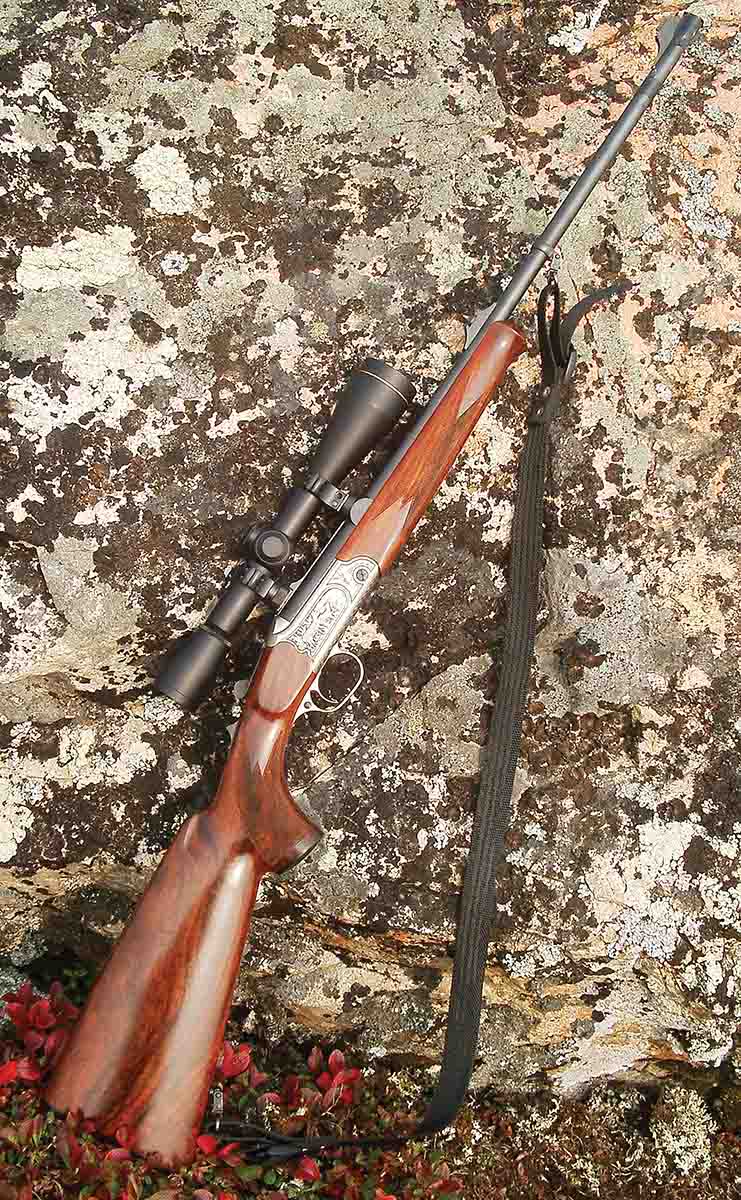
Single-shot rifles have a simple mechanism with no magazine. You load one round directly into the chamber. This design reduces the risk of mechanical failure. Many models have strong, durable barrels for accuracy. The lack of a magazine makes the rifle lighter and easier to carry. Most single-shot rifles have a break-action or falling block action. This action type allows quick loading and unloading. The simplicity helps with easy cleaning and maintenance. These rifles often have good balance and feel comfortable to shoot.
Common Types
Break-action rifles are popular among single-shot hunters. The barrel tips down to expose the chamber for loading. Falling block rifles have a solid block that moves down to open the chamber. Both types offer strong locking mechanisms for safety. Some single-shot rifles come with a bolt-action style. These require manually opening the bolt to load a round. Single-shot rifles come in many calibers, from small to large. You can choose one based on the game you hunt. Each type fits different preferences and hunting conditions.
Exclusive Deals
Limited-time Exclusive Deals. Check current discount on Amazon.
Check Price on Amazon As an Amazon Associate I earn from qualifying purchases.Advantages In Hunting
Single-shot rifles offer clear benefits for hunting. Their design supports a focused and effective hunting experience. Hunters appreciate these rifles for their reliability and ease of use.
Accuracy And Precision
Single-shot rifles encourage careful aiming. Each shot counts, so hunters take their time. This focus often leads to better accuracy. The simple mechanism reduces moving parts that can affect precision. As a result, shots are more consistent and reliable.
Lightweight Design
These rifles usually weigh less than other types. Less weight means easier carrying during long hunts. Hunters can move quietly and with less fatigue. A lighter rifle helps when hiking through rough terrain. It makes the hunting experience more comfortable overall.
Exclusive Deals
Limited-time Exclusive Deals. Check current discount on Amazon.
Check Price on Amazon As an Amazon Associate I earn from qualifying purchases.Simplified Mechanics
The simple design means fewer parts to maintain. Less complexity reduces the chance of mechanical problems. This reliability is crucial in the field. Hunters can trust their rifle to work when needed. Cleaning and upkeep are quicker and easier too.
Limitations To Consider
Single-shot rifles offer some benefits for hunting, but they come with important limits. Understanding these limits helps hunters decide if this type of rifle fits their needs. Below are key factors to consider before choosing a single-shot rifle for your hunting trips.
Slow Follow-up Shots
Single-shot rifles need manual reloading after every shot. This process takes extra time compared to other rifles. Slow follow-up shots can be a problem during fast hunting situations. You may miss chances to shoot quickly at moving or multiple animals.
Limited Capacity
These rifles hold only one bullet at a time. Limited capacity means you cannot fire multiple shots without reloading. This can reduce your ability to respond to sudden threats or opportunities in the field. Carrying extra ammunition is necessary, but it does not speed up shooting.
Learning Curve
Using a single-shot rifle well needs practice and skill. Hunters must learn to reload quickly and aim carefully with each shot. The slow rate of fire requires patience and focus. Beginners might find it harder to adapt to this style compared to repeating rifles.
Best Hunting Scenarios
Single-shot rifles suit specific hunting situations well. Their design offers simplicity and reliability. Hunters find them ideal for controlled shots and deliberate hunting.
Choosing the right scenario can enhance your success with a single-shot rifle. These rifles excel in certain types of hunting.
Big Game Hunting
Single-shot rifles work well for big game hunting. They force careful aim and patience. This helps ensure a clean, ethical shot. Hunters targeting deer, elk, or moose often prefer them. The rifle’s power and accuracy match the needs of large animals. Slow, steady shots reduce the chance of wounding the animal.
Small Game Hunting
Small game hunting benefits from single-shot rifles too. Their lightweight and simple design make them easy to carry. Hunters can move quietly and quickly. These rifles deliver enough power for animals like rabbits and squirrels. The single-shot action encourages precision rather than rapid fire. This control helps in dense brush or forested areas.
Long-range Shots
Single-shot rifles shine at long-range shooting. Their stable barrels often provide better accuracy. Shooters can focus on perfecting each shot. This makes them ideal for open fields or mountains. The challenge of long-range shots fits well with the rifle’s design. Precise shooting skills matter more than fast follow-up shots.
Expert Recommendations
Experts share useful advice for hunters interested in single-shot rifles. These rifles are simple and reliable but require careful choices. Proper use and care improve your hunting experience. Follow expert tips for better results.
Choosing The Right Model
Pick a rifle that suits your hunting style and target. Look for a comfortable weight and size. Check the rifle’s accuracy and ease of use. A good scope can help with aiming. Choose a model with a strong build for long use.
Ammunition Tips
Use the right ammo for your rifle and game. Lighter bullets may reduce recoil but can lose power. Heavy bullets offer better impact but more kick. Match the ammo to your hunting distance. Always buy quality ammunition for safety and performance.
Maintenance Advice
Keep your rifle clean after each hunt. Use proper cleaning tools and oils. Check the barrel and action for dirt or damage. Store the rifle in a dry, safe place. Regular maintenance ensures reliability and a longer rifle life.
Comparing With Other Rifles
Single-shot rifles have a unique place in hunting. Comparing them with other rifles helps understand their strengths and limits. Each type suits different hunting needs and styles. Knowing these differences guides you to the right choice.
Bolt-action Rifles
Bolt-action rifles are popular among hunters. They hold multiple rounds, allowing quick follow-up shots. Their design offers strong accuracy and reliability. Single-shot rifles lack this quick second shot advantage. But single-shots are lighter and simpler to maintain. Bolt-actions are great for longer hunts requiring fast shots.
Semi-automatic Rifles
Semi-automatic rifles fire rounds rapidly without manual action. They are ideal for fast-moving game or multiple targets. Single-shot rifles need manual reload after every shot, which slows shooting. Semi-automatics are heavier and more complex. Single-shots offer precision and quiet operation. For calm, careful hunting, single-shots work well.
Lever-action Rifles
Lever-action rifles reload quickly with a lever mechanism. They combine speed and moderate accuracy. Single-shot rifles reload slower but are simpler and lighter. Lever-actions are good for close to mid-range hunting. Single-shots fit well for precise, deliberate shots. Both have classic designs and loyal fans among hunters.

Frequently Asked Questions
Are Single-shot Rifles Reliable For Hunting?
Yes, single-shot rifles are highly reliable due to their simple design. They offer accuracy and durability with fewer moving parts, making them less prone to malfunctions during hunting.
What Game Is Best Hunted With Single-shot Rifles?
Single-shot rifles are ideal for medium to large game like deer and elk. Their precision suits hunters focusing on ethical, clean shots at moderate ranges.
How Do Single-shot Rifles Compare To Bolt-action Rifles?
Single-shot rifles are simpler and lighter but slower to reload than bolt-actions. They require more patience and marksmanship, favoring hunters who prioritize precision over rapid fire.
Are Single-shot Rifles Legal For Hunting Everywhere?
Legality varies by region and game type. Always check local hunting laws to ensure single-shot rifles are permitted for your specific hunting activities.
Conclusion
Single-shot rifles offer simplicity and reliability for hunting. They encourage careful shot placement and patience. These rifles often weigh less, making them easier to carry. Hunters who value skill and focus may prefer them. While slower to reload, they teach discipline and respect for the craft.
Many hunters find joy in the challenge they provide. Choosing a rifle depends on personal style and needs. Single-shot rifles remain a solid choice for those who enjoy traditional hunting.