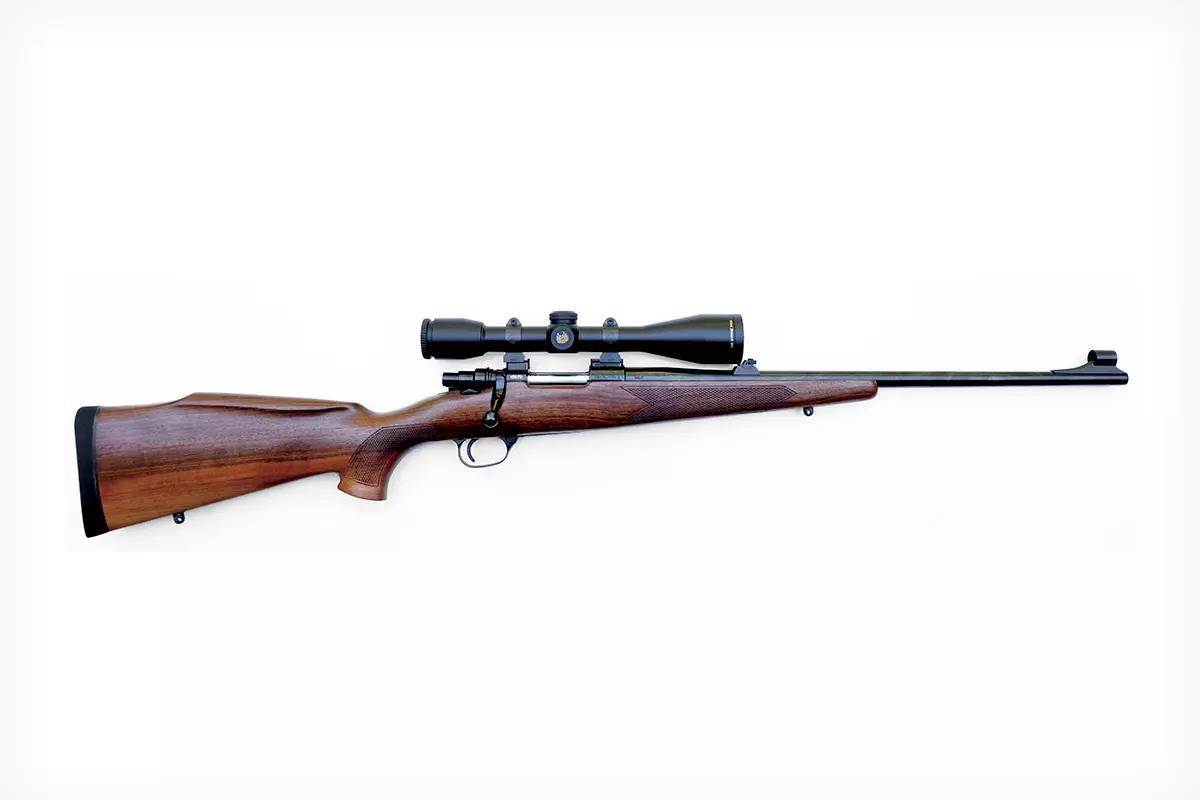
Have you ever wondered what makes a bolt-action rifle stand out from other firearms? Whether you’re a beginner or just curious about how these rifles work, understanding their unique design can change the way you see shooting and hunting.
Exclusive Deals
Limited-time Exclusive Deals. Check current discount on Amazon.
Check Price on Amazon As an Amazon Associate I earn from qualifying purchases.You’ll discover what a bolt-action rifle is, how it operates, and why so many people trust it for accuracy and reliability. Keep reading to unlock the key details that can help you make smarter choices about your next rifle.
Basics Of Bolt-action Rifles
Bolt-action rifles have a simple, reliable design. They have been used for over a century by hunters, soldiers, and sport shooters. Understanding the basics helps you see why they remain popular. This section explains their key parts and how they work.
Key Components
A bolt-action rifle has several main parts. The bolt is the metal piece you move by hand. It loads and unloads cartridges inside the rifle. The barrel is a long tube where the bullet travels when fired. The stock is the handle and body you hold. The trigger releases the firing pin to shoot the bullet. Inside, there is a chamber where the cartridge sits before firing.
How They Work
To fire, you first lift the bolt handle up. This unlocks the bolt from the chamber. Then you pull it back to eject the spent cartridge. Pushing the bolt forward loads a new cartridge from the magazine. Lowering the bolt handle locks the cartridge in place. Pulling the trigger releases the firing pin, which strikes the cartridge. The gunpowder inside ignites and pushes the bullet down the barrel. This cycle repeats for each shot.
Exclusive Deals
Limited-time Exclusive Deals. Check current discount on Amazon.
Check Price on Amazon As an Amazon Associate I earn from qualifying purchases.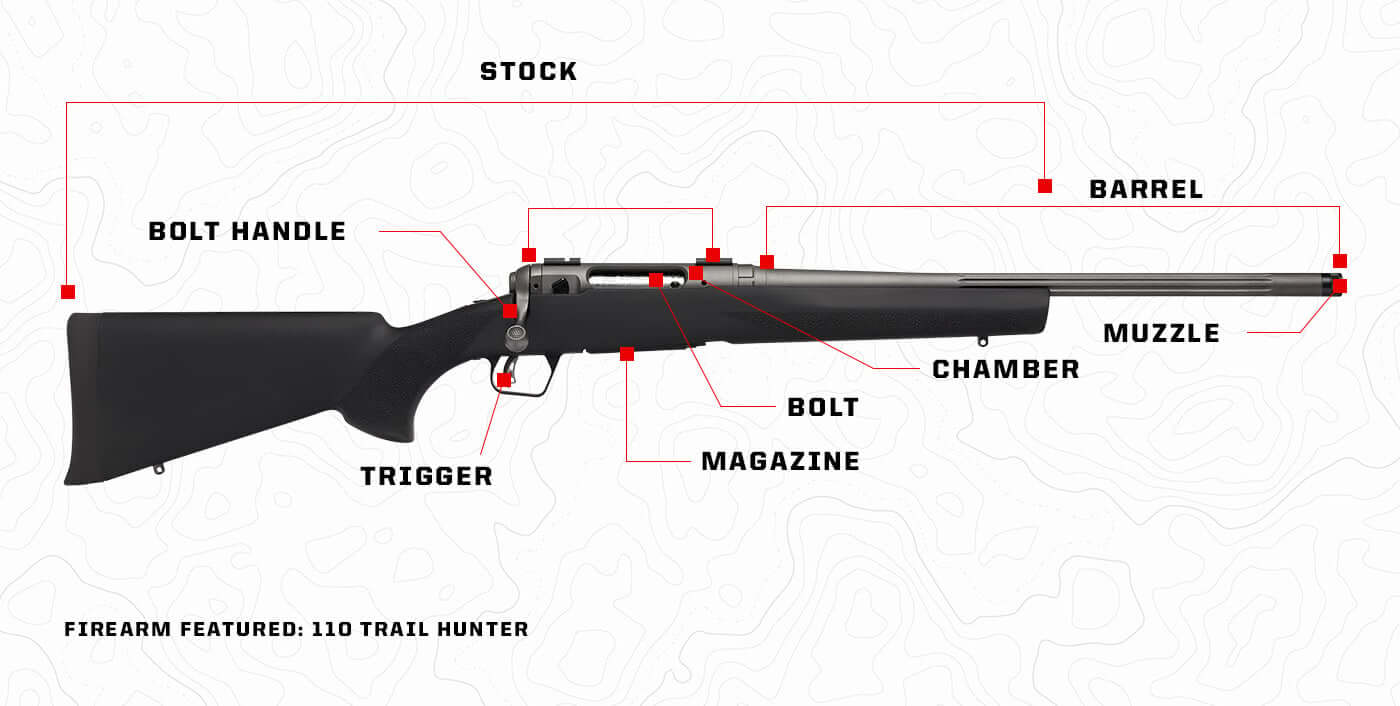
History And Evolution
The bolt-action rifle has a rich history that stretches back over a century. It evolved through many designs and improvements. This evolution shaped the rifles used by hunters, soldiers, and sports shooters today.
Understanding its past helps appreciate its role and design. The bolt-action rifle’s development is a story of innovation and adaptation to new needs and technology.
Early Designs
The earliest bolt-action rifles appeared in the 19th century. These rifles used a manual bolt to load and eject cartridges. This was a big change from older muzzle-loading guns.
One of the first successful models came from the Swiss inventor Johann Nikolaus von Dreyse. His “needle gun” used a bolt system to fire faster. Many armies adopted bolt-action rifles because they were reliable and accurate.
Later improvements made the bolt easier to operate. The famous Mauser rifle, developed in the late 1800s, set many standards. It had a strong, smooth bolt and a magazine for multiple rounds.
Exclusive Deals
Limited-time Exclusive Deals. Check current discount on Amazon.
Check Price on Amazon As an Amazon Associate I earn from qualifying purchases.Modern Developments
Modern bolt-action rifles have better materials and precision parts. These changes make them lighter, stronger, and more accurate. New manufacturing techniques allow for tighter tolerances.
Today’s rifles often include scopes and adjustable stocks. These features improve aiming and comfort. Military and civilian users benefit from these updates.
Manufacturers continue to refine the bolt mechanism for smoother operation. Some designs focus on faster cycling without losing accuracy. This keeps the bolt-action rifle relevant in the 21st century.
Types Of Bolt-action Rifles
Bolt-action rifles come in several types. Each type fits a specific purpose. Understanding these types helps you choose the right rifle.
Some bolt-action rifles are made for hunting. Others serve military or tactical needs. There are also models designed for sport shooting.
Hunting Models
Hunting bolt-action rifles are popular for their accuracy. They often have a sturdy build. Hunters prefer them for big and small game.
These rifles usually have a longer barrel. This helps improve bullet speed and precision. They come in different calibers to suit various animals.
Tactical And Military Versions
Tactical bolt-action rifles focus on durability and reliability. Military versions often have special features like night sights. They are built to perform in tough conditions.
These rifles may include heavy barrels for better heat control. They often have adjustable stocks for comfort. Snipers and marksmen use them for long-range targets.
Sport Shooting Rifles
Sport shooting bolt-action rifles are designed for competition. They offer excellent accuracy and smooth operation. Shooters use them in events like target shooting and benchrest.
These rifles tend to have lighter triggers. They often feature custom parts to improve performance. Precision and consistency are key for sport shooters.
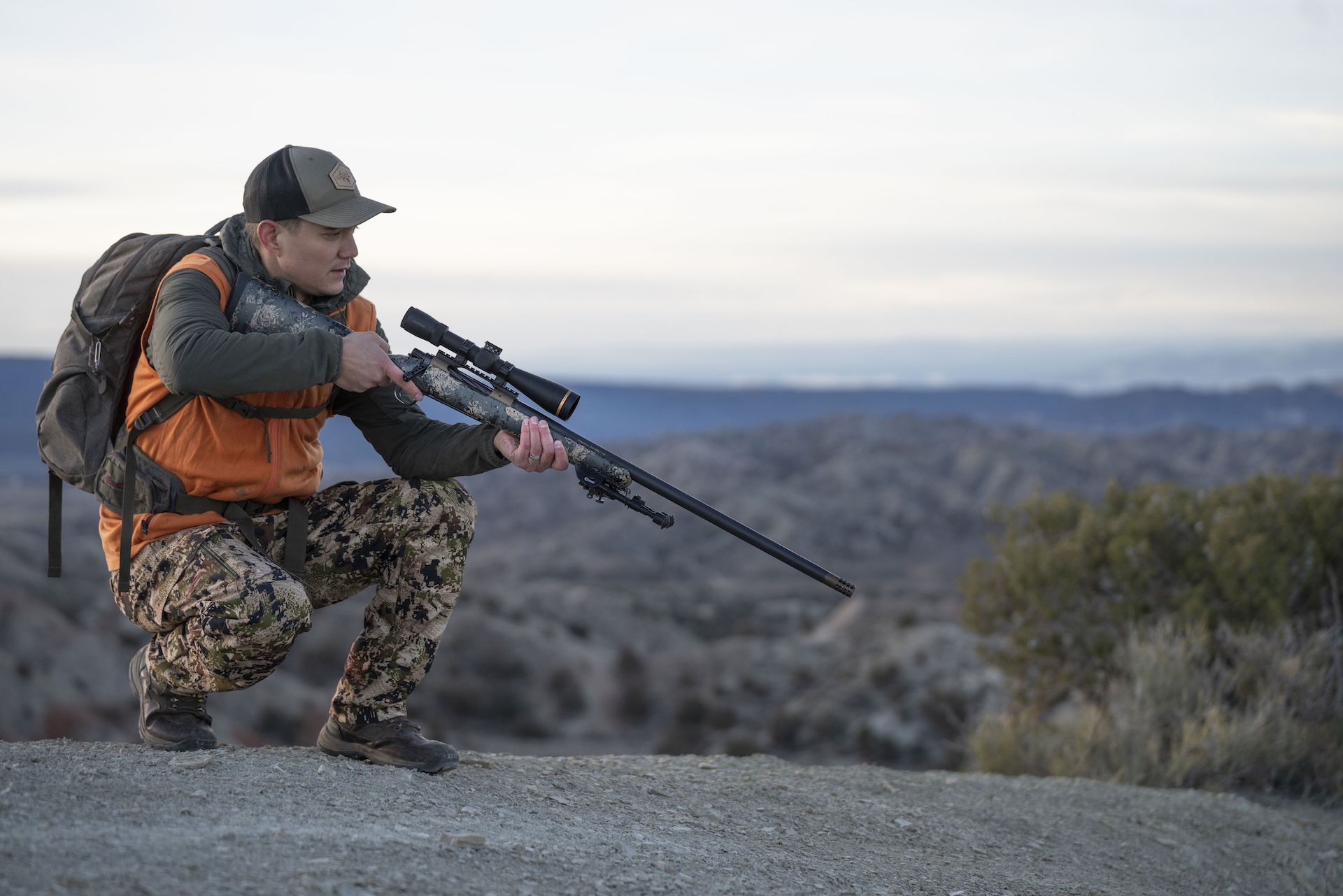
Advantages Over Other Rifles
Bolt-action rifles offer several advantages over other types of rifles. These benefits make them a popular choice for hunters, shooters, and military use. Their design focuses on precision, strength, and ease of care. Here are some key advantages that set bolt-action rifles apart.
Accuracy And Precision
Bolt-action rifles have fewer moving parts during firing. This reduces vibrations and helps keep the barrel steady. Shooters can hit targets at longer distances more reliably. The tight lockup of the bolt also ensures consistent bullet placement. This makes bolt-action rifles preferred for long-range shooting.
Reliability And Durability
The simple mechanism of a bolt-action rifle is very strong. It works well in tough weather and rough conditions. Dirt and debris have less effect on its function. This reliability makes it a trusted tool for outdoor use. Bolt-action rifles often last for decades with proper care.
Ease Of Maintenance
Bolt-action rifles are easy to clean and maintain. Their simple design allows quick access to parts. Regular cleaning keeps them working smoothly and safely. This ease of maintenance is helpful for users in the field. It also lowers the cost of owning a bolt-action rifle.
Common Calibers And Ammunition
Bolt-action rifles use various calibers and ammunition types. Choosing the right caliber affects accuracy, recoil, and purpose. Different calibers suit different activities like hunting, target shooting, or tactical use.
Understanding common calibers helps select the right rifle and ammo. It also ensures safe and effective shooting. The next sections cover popular caliber choices and how to match ammo to purpose.
Popular Caliber Choices
The .308 Winchester is a top choice for many shooters. It offers good range and moderate recoil. This caliber works well for hunting medium to large game.
The .30-06 Springfield is another popular option. It provides strong power and versatile use. Hunters often prefer it for deer and elk hunting.
Smaller calibers like the .223 Remington suit target shooting and small game. They have low recoil and affordable ammo. These calibers are common among beginners.
Matching Ammo To Purpose
Use heavier bullets for larger game to ensure a clean shot. Lighter bullets work better for target shooting due to less recoil.
Match bullet type to your rifle’s caliber for safety and performance. Hollow-point bullets expand on impact, ideal for hunting. Full metal jacket bullets are better for practice and training.
Consider the shooting distance when choosing ammo. Higher velocity rounds travel farther and stay accurate longer.
Choosing The Right Bolt-action Rifle
Choosing the right bolt-action rifle matters a lot. The perfect rifle fits your needs and feels comfortable. It helps you shoot better and enjoy the experience more. Many things affect your choice. Think about how you will use the rifle, your budget, and how it fits your body. These points guide your decision and make sure you pick the best rifle.
Purpose And Use
Decide what you want the rifle for. Hunting needs a different rifle than target shooting. Some rifles work well for long distances. Others suit close-range shots. Choose a rifle that matches your activity. This choice affects the rifle’s size, weight, and caliber.
Budget Considerations
Set a clear budget before buying. Bolt-action rifles come in many prices. Cheaper rifles can be good for beginners. Higher-priced rifles often have better parts and accuracy. Spend what feels right for your skill and need. Avoid spending too little on poor quality.
Ergonomics And Fit
The rifle must feel good in your hands. Check the weight and balance before buying. The stock should fit your shoulder well. Try the bolt action to see if it moves smoothly. A well-fitting rifle helps you shoot with less fatigue. Comfort leads to better control and accuracy.
Basic Operation And Safety Tips
Understanding the basic operation and safety tips of a bolt-action rifle is essential. It helps users handle the rifle confidently and safely. This section explains how to load, fire, clear, and unload the rifle. It also covers important safety practices to follow.
Loading And Firing
Start by opening the bolt handle and pulling it back. Insert cartridges into the magazine or chamber one by one. Push the bolt forward to chamber a round. Close the bolt handle firmly to lock the round in place. Aim at the target and gently squeeze the trigger to fire. Each shot requires lifting the bolt handle, pulling it back to eject the spent cartridge, then pushing it forward to load the next round.
Clearing And Unloading
Open the bolt handle and pull it back fully. This action ejects any cartridge in the chamber. Remove all cartridges from the magazine by pressing the follower or manually pulling them out. Keep the bolt open to show the rifle is empty. Visually inspect the chamber to confirm no rounds remain. Always clear the rifle before cleaning or storing it.
Safe Handling Practices
Always point the rifle in a safe direction. Keep your finger off the trigger until ready to shoot. Treat every rifle as if it is loaded. Wear eye and ear protection during shooting. Store the rifle unloaded and locked away from children. Regularly check the rifle for any damage or wear. Follow local laws and regulations when using the rifle.
Maintenance And Care
Proper maintenance and care keep a bolt-action rifle working well for years. Regular attention helps avoid damage and ensures safety. A clean and well-kept rifle performs better and lasts longer.
Cleaning Routine
Clean your rifle after every use. Remove the bolt and wipe down the barrel with a cleaning rod. Use a brush and solvent to remove dirt and residue. Dry the barrel and apply a light coat of oil. Clean the bolt and other moving parts carefully. This stops rust and keeps the action smooth.
Storage Tips
Store the rifle in a dry, cool place. Use a gun safe or cabinet for security. Keep the rifle unloaded during storage. Use a gun sock or case to protect from dust. Avoid places with high humidity to prevent rust. Check your rifle regularly even if unused.
Troubleshooting Common Issues
Misfires may result from dirty parts or bad ammo. Clean the firing pin and chamber to fix this. If the bolt sticks, clean and lubricate the bolt assembly. Loose sights affect accuracy; tighten them carefully. Strange sounds can mean parts need inspection. Seek professional help if problems persist.
Frequently Asked Questions
What Defines A Bolt-action Rifle?
A bolt-action rifle features a manual bolt mechanism for loading and ejecting cartridges. It offers high accuracy and reliability, ideal for hunting and target shooting.
How Does A Bolt-action Rifle Work?
You operate the bolt by lifting, pulling back, and pushing it forward. This cycles the cartridge, chambers a new round, and ejects spent casings.
What Are The Benefits Of Bolt-action Rifles?
Bolt-action rifles provide superior accuracy, simple mechanics, and durability. They require less maintenance and are favored for long-range shooting.
Are Bolt-action Rifles Good For Beginners?
Yes, they are beginner-friendly due to easy operation and safety. Their simplicity helps new shooters learn firearm fundamentals effectively.
Conclusion
A bolt-action rifle offers strong accuracy and reliability. Its simple design makes it easy to use and maintain. Hunters and shooters often choose it for its precision. The manual bolt helps control each shot carefully. This type of rifle has served many for decades.
Understanding its features helps you appreciate its value. A bolt-action rifle remains a trusted choice worldwide. Clear, steady, and dependable—qualities many shooters respect.