Are you curious about the real difference between an assault rifle and a battle rifle? You might think they’re just fancy names for the same weapon, but knowing what sets them apart can change how you see firearms entirely.
Exclusive Deals
Limited-time Exclusive Deals. Check current discount on Amazon.
Check Price on Amazon As an Amazon Associate I earn from qualifying purchases.Whether you’re a gun enthusiast, a history buff, or just someone wanting to understand the basics, this article will clear up the confusion. By the end, you’ll easily spot the key features that make each rifle unique—and that knowledge might surprise you.
Ready to dive in and see what makes these rifles stand out? Let’s get started.
Assault Rifle Basics
Assault rifles are a key part of modern military equipment. They balance power, size, and weight for many combat situations. Understanding their basics helps to see how they differ from battle rifles. This section explains their design, ammunition, and firing speed.
Design And Purpose
Assault rifles are made for quick handling in close to mid-range fights. They are lighter than battle rifles, allowing soldiers to move fast. These rifles often have a shorter barrel and a compact shape. This design helps in tight spaces and fast actions.
Exclusive Deals
Limited-time Exclusive Deals. Check current discount on Amazon.
Check Price on Amazon As an Amazon Associate I earn from qualifying purchases.Caliber And Ammunition
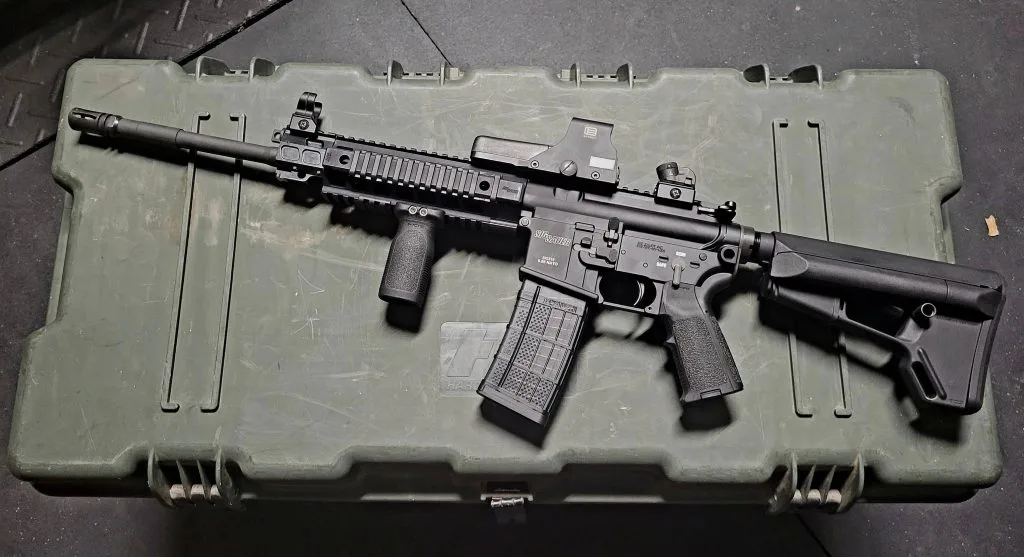
Assault rifles use smaller caliber bullets than battle rifles. Common calibers include 5.56x45mm NATO or 7.62x39mm. These rounds have less recoil, making it easier to control the weapon. This allows for faster, more accurate shots in combat.
Rate Of Fire
Assault rifles can fire in semi-automatic and fully automatic modes. The high rate of fire helps cover more area quickly. This makes assault rifles effective in fast-moving battles. Soldiers can switch between firing modes depending on the situation.
Battle Rifle Features
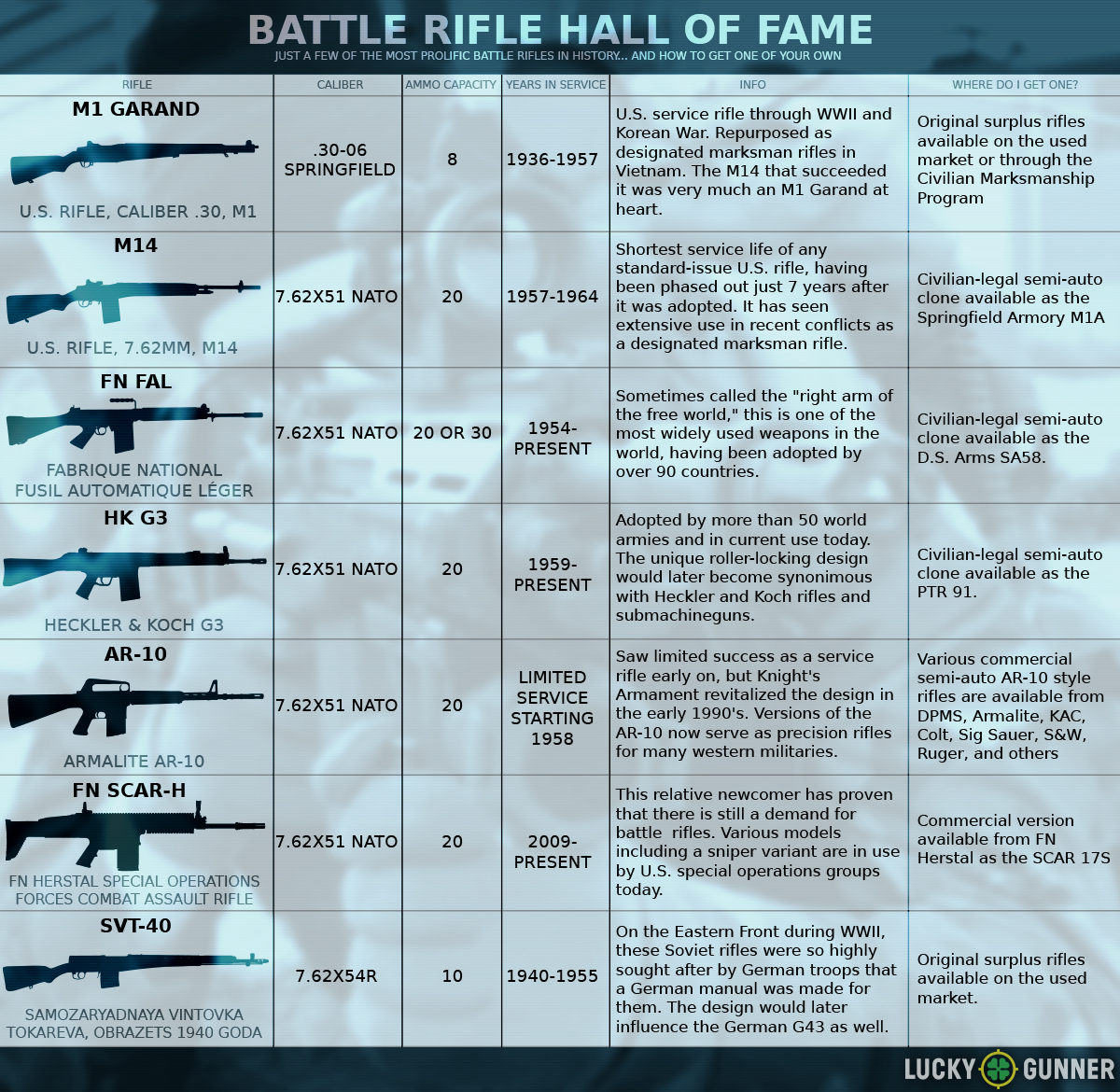
Battle rifles stand out with unique features that define their role in combat. Designed for power and range, these rifles offer distinct advantages over other firearms. Understanding their key features helps grasp why they remain important in some military forces.
Historical Background
Battle rifles first appeared in the early 20th century. They were standard issue during World War II and the Cold War. These rifles replaced bolt-action guns, providing faster firing rates. Their design focused on reliability and long-distance accuracy. Many armies worldwide adopted them for frontline combat.
Caliber And Power
Battle rifles use larger cartridges than assault rifles. Common calibers include 7.62x51mm NATO or similar rounds. These bullets deliver higher stopping power and longer range. This makes battle rifles effective against targets at greater distances. The recoil is stronger, requiring more control from the shooter.
Exclusive Deals
Limited-time Exclusive Deals. Check current discount on Amazon.
Check Price on Amazon As an Amazon Associate I earn from qualifying purchases.Weight And Size
Battle rifles are heavier and larger than assault rifles. This extra weight helps manage recoil and improves accuracy. Their length provides better stability for precise shooting. However, the size can limit quick movements in close combat. Soldiers often balance firepower with mobility when carrying these rifles.
Comparing Performance
Performance plays a big role in choosing between an assault rifle and a battle rifle. Each type has strengths suited for different tasks. Understanding how they compare helps you see which fits your needs best.
Focus on three key areas: range and accuracy, recoil and control, and magazine capacity. These factors shape how the rifles perform in real situations.
Range And Accuracy
Battle rifles usually have longer barrels. This gives them better range and accuracy at longer distances. Assault rifles have shorter barrels, making them easier to handle but less effective far away. Battle rifles often use larger cartridges, which keep their power over longer ranges.
Recoil And Control
Assault rifles produce less recoil. This makes them easier to control during rapid fire. Battle rifles have stronger recoil because of bigger bullets. Skilled shooters can manage this, but it may slow down follow-up shots for others. Control affects how fast and accurately you can shoot multiple rounds.
Magazine Capacity
Assault rifles generally hold more rounds per magazine. Common sizes are 20 to 30 rounds. Battle rifles often use larger cartridges but come with smaller magazines, usually around 10 to 20 rounds. Higher capacity means fewer reloads, which is useful in close or fast-paced combat.

Usage In Military
Assault rifles and battle rifles serve distinct roles in the military. Each type fits specific combat needs and strategies. Understanding their usage helps clarify their differences. Both rifles shape how soldiers fight on the battlefield.
Tactical Roles
Assault rifles excel in close to mid-range combat. Soldiers use them for fast movement and quick firing. They offer selective fire modes, including automatic and burst. Battle rifles suit longer-range engagements. They provide more stopping power but have heavier recoil. These rifles often appear with semi-automatic fire only. Tactical choices depend on mission type and terrain.
Popular Models
The M16 and AK-47 are famous assault rifles. Both are lightweight and easy to handle. The FN FAL and M14 are well-known battle rifles. These models fire larger cartridges for greater impact. Each rifle reflects different design philosophies and combat needs. Soldiers train extensively with their assigned weapons.
Global Adoption
Many countries adopt assault rifles for their main infantry arms. They suit urban and jungle warfare. Battle rifles remain in use by some armies and specialized units. Some nations prefer battle rifles for accuracy and power. Military budgets and combat styles influence rifle choices worldwide.
Legal And Civilian Aspects
The legal and civilian aspects of assault rifles and battle rifles differ greatly. Laws affect how these firearms are owned, sold, and used by civilians. Understanding these differences helps buyers and enthusiasts know what is allowed in their area.
Regulations
Assault rifles face stricter regulations in many countries. They often have features like selective fire that are banned for civilians. Battle rifles usually have fewer restrictions because they lack automatic fire modes. Laws vary widely between states and nations. Always check local rules before purchasing any rifle.
Civilian Versions
Manufacturers create civilian versions of both rifle types. These versions remove automatic fire capabilities to meet legal standards. Civilian assault rifles often look like military ones but shoot only semi-automatic. Battle rifles for civilians are similar to military models but designed for legal compliance. These versions provide a way for enthusiasts to own such rifles legally.
Market Availability
The market for civilian rifles depends on local laws. Assault rifles are harder to find in places with strict gun laws. Battle rifles are more commonly available due to fewer restrictions. Prices vary based on demand and legality. Buyers should verify the legality before purchasing from stores or online.
Frequently Asked Questions
What Defines An Assault Rifle?
An assault rifle is a selective-fire rifle using intermediate cartridges. It balances range, power, and controllability for versatile combat use.
How Is A Battle Rifle Different?
Battle rifles use full-power cartridges, offering longer range and more stopping power. They are generally heavier and less controllable in rapid fire.
Which Rifles Are Used By Military Forces?
Military forces often use assault rifles for close to mid-range combat. Battle rifles are used for long-range engagements and designated marksman roles.
Are Assault Rifles Suitable For Civilians?
In many countries, civilian ownership of assault rifles is restricted. Semi-automatic versions may be available, but fully automatic assault rifles are usually banned.
Conclusion
Assault rifles and battle rifles serve different roles in combat. Assault rifles are lighter and fire smaller bullets rapidly. Battle rifles are heavier and use bigger bullets for longer range. Each type fits specific needs on the battlefield. Knowing their differences helps understand military gear better.
Both have strengths and limits depending on the situation. Choosing the right rifle depends on the mission and environment. This knowledge can clear up common confusion about these weapons. Simple but important details make all the difference.