If you’re considering a carbine for your next firearm, it’s important to look beyond the advantages. While carbines are popular for their compact size and ease of use, they also come with some drawbacks that might affect your experience.
Understanding these disadvantages can help you make a smarter choice and avoid surprises down the line. You’ll discover the key downsides of carbines and how they might impact your shooting, handling, and overall satisfaction. Keep reading to find out what you need to know before making your decision.
Limited Range
Carbines are popular for their compact size and ease of use. Yet, they come with a key drawback: limited range. This means they work best at closer distances. Their design and shorter barrel length reduce how far they can shoot accurately. This limitation affects their performance in many situations.
Exclusive Deals
Limited-time Exclusive Deals. Check current discount on Amazon.
Check Price on Amazon As an Amazon Associate I earn from qualifying purchases.Shorter Effective Distance
The shorter barrel of a carbine cuts down the bullet’s speed. Lower speed means the bullet loses power faster. This reduces the effective shooting distance. Targets far away are harder to hit with precision. The shooter must be closer for the carbine to be effective. This is less ideal for open or long-range engagements.
Impact On Long-range Accuracy
Long-range accuracy suffers with carbines. The shorter barrel causes less stability for bullets. This leads to more bullet drop and wind drift. The shooter needs to adjust aim more often. The carbine is not the best choice for marksmen. Precision at long distances is harder to achieve. This limits the carbine’s use in tactical or hunting scenarios requiring range.
Reduced Stopping Power
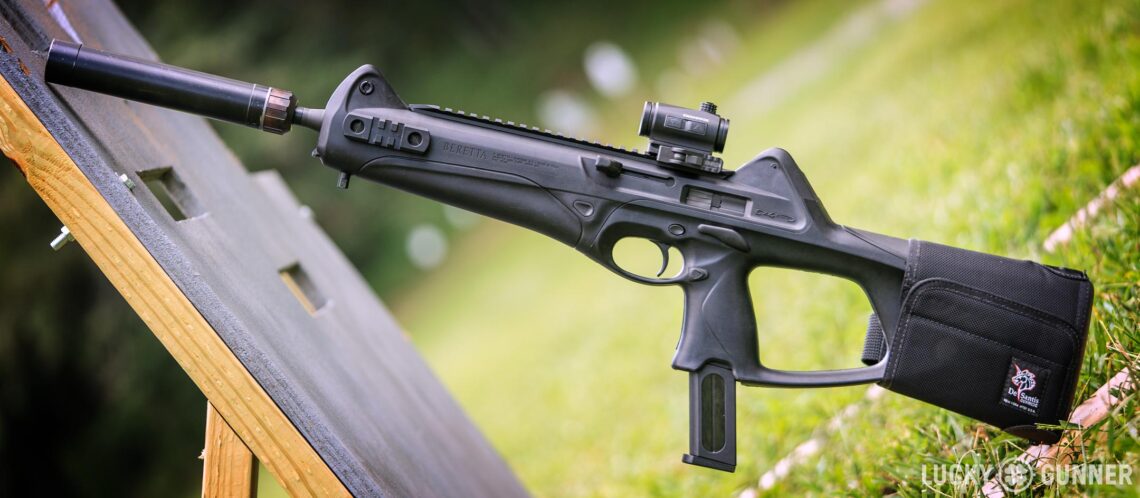
Carbines offer many benefits like light weight and easy handling. But they have a key drawback: reduced stopping power. This means the ability to quickly stop a threat is lower than with larger firearms.
Stopping power matters a lot in self-defense or combat. It affects how fast a target can be neutralized. Carbines often use smaller calibers and shorter barrels. This results in less energy behind each shot. The impact on a target might be weaker or less effective.
Exclusive Deals
Limited-time Exclusive Deals. Check current discount on Amazon.
Check Price on Amazon As an Amazon Associate I earn from qualifying purchases.Smaller Caliber Effects
Carbines usually fire smaller bullets than rifles. Smaller calibers carry less energy. This means they create less damage on impact. The bullet may not penetrate deeply enough to stop a threat quickly.
Smaller calibers also lose speed faster. This reduces their effectiveness at longer ranges. Targets might not be stopped immediately, which is risky in a fight. The shot may only wound instead of stopping the attacker.
Challenges In Stopping Threats
Lower stopping power means more shots may be needed. This can be dangerous in high-stress situations. The attacker might still pose a threat after the first hit.
Exclusive Deals
Limited-time Exclusive Deals. Check current discount on Amazon.
Check Price on Amazon As an Amazon Associate I earn from qualifying purchases.Stopping a threat fast is critical for safety. Carbines might struggle to do this compared to larger guns. Users must understand these limits and be ready to act accordingly.
Increased Recoil
Carbines are known for their compact size and ease of use. Yet, they often come with increased recoil. This can impact shooting comfort and accuracy. Understanding this drawback helps shooters make better choices.
Recoil Compared To Full-size Rifles
Carbines usually have shorter barrels and lighter weight. These factors cause stronger recoil than full-size rifles. The energy from the shot transfers more to the shooter. This makes the kick feel sharper and less controlled.
Full-size rifles absorb more recoil due to their size. Their weight helps reduce the force felt by the shooter. Carbines lack this advantage, leading to a harder shooting experience.
Effect On Shooter Control
Increased recoil affects how well a shooter controls the weapon. It can cause the gun to move more after each shot. This leads to slower follow-up shots and less accuracy.
For beginners, strong recoil may cause flinching or poor shooting habits. Experienced shooters may still find it challenging during rapid fire. Controlling a carbine requires more effort and skill due to recoil.
Less Stability
Carbines are popular for their small size and ease of use. Still, they come with less stability than longer rifles. This lower stability affects shooting comfort and precision. Understanding why helps you decide if a carbine suits your needs.
Compact Size And Handling
Carbines are shorter and lighter than full-size rifles. This makes them easier to carry and handle in tight spaces. The smaller size means less surface area for your body to hold. This can cause more movement during shooting.
Holding a carbine steady can be harder, especially for beginners. The short barrel and stock reduce the balance. This imbalance leads to more sway or shaking while aiming.
Impact On Accuracy
Less stability means less accurate shots. Small movements affect where the bullet lands. The shooter must work harder to keep the carbine steady.
This can be a problem during long-distance shooting. The short barrel also reduces bullet velocity, affecting precision. For quick, close shots, carbines work well. For precise, distant shots, they have limits.
Limited Ammunition Options
Carbines often face limits in ammunition choices. This factor can affect their usefulness in different situations.
Choosing the right ammo is key to performance. Limited options can restrict flexibility and availability for users.
Availability Of Compatible Rounds
Carbines usually use specific rounds. These rounds are not always easy to find in stores.
Standard cartridges for carbines may be less common than those for other guns. This limits users’ options during hunting or shooting practice.
Some regions have fewer supplies of carbine-compatible ammo. This scarcity can cause inconvenience and extra cost.
Performance Trade-offs
Carbine rounds often sacrifice power for size and weight. This trade-off can reduce stopping power and range.
Smaller rounds may not penetrate as well as larger cartridges. This limits their effectiveness in certain tasks.
Users may need to carry more ammo to match the impact of bigger rounds. This can offset the carbine’s lightweight advantage.
Higher Maintenance Needs
Carbines need more care than some other firearms. This higher maintenance demand can affect their performance and lifespan. Knowing the reasons behind this helps owners keep their carbines in good shape.
Wear And Tear Factors
Carbines face more wear due to their compact design. Smaller parts often work harder and wear out faster. Frequent use causes stress on the barrel and action. This can lead to more frequent repairs or part replacements. Owners must watch for signs of wear to avoid malfunctions.
Cleaning Challenges
Cleaning a carbine can be tricky because of its size. Tight spaces make reaching all parts difficult. Dirt and residue build up more quickly in these areas. Skipping thorough cleaning leads to rust and jams. Regular, detailed cleaning is necessary to keep the carbine reliable.
Legal Restrictions
Legal restrictions affect carbine ownership and use in many places. These laws can limit how you buy, carry, and modify a carbine. Understanding these rules helps avoid fines or legal trouble.
Regulations On Barrel Length
Many laws set a minimum barrel length for carbines. Shorter barrels may classify the firearm as illegal or require special permits. These rules vary by state and country. Some regions ban barrels under a certain length to reduce concealability. Always check local laws before buying or modifying a carbine barrel.
Ownership Limitations
Some areas restrict who can own a carbine. Age limits, background checks, and permits are common requirements. Certain types of carbines may be banned entirely. Restrictions also apply to storage and transport. Knowing these rules protects owners from breaking the law.

Frequently Asked Questions
What Are The Main Drawbacks Of Using A Carbine?
Carbines often have reduced accuracy compared to full-length rifles. Their shorter barrels limit bullet velocity. This affects long-range performance. Additionally, they may produce more recoil and muzzle flash.
How Does A Carbine’s Range Compare To Rifles?
Carbines generally have a shorter effective range due to their compact size. Their shorter barrels reduce bullet speed. This limits precision at longer distances compared to rifles.
Are Carbines Less Durable Than Standard Rifles?
Carbines can be less durable in harsh conditions. Their compact design may compromise heat dissipation. This can lead to faster wear during sustained firing.
Do Carbines Have More Recoil Than Rifles?
Carbines often produce more felt recoil because of their lighter weight. Less mass means less absorption of recoil energy. This can affect shooter comfort and accuracy.
Conclusion
Carbines offer great convenience and portability. Still, they come with some clear drawbacks. Their shorter barrels reduce accuracy over long distances. They also produce more recoil, which can affect control. Limited ammunition capacity may require frequent reloads. Maintenance can be tricky due to compact parts.
Choosing a carbine means balancing ease of use with these challenges. Knowing these disadvantages helps you make a smart choice. Think about your needs carefully before deciding.