Have you ever wondered what makes centerfire ammo so reliable and powerful? Understanding what centerfire ammo is made of can give you a clearer picture of how your firearm performs every time you pull the trigger.
Exclusive Deals
Limited-time Exclusive Deals. Check current discount on Amazon.
Check Price on Amazon As an Amazon Associate I earn from qualifying purchases.Whether you’re a seasoned shooter or just getting started, knowing the parts inside your ammo can boost your confidence and improve your shooting experience. Keep reading to discover the key components that make centerfire ammo tick—and why they matter to you.

Centerfire Ammo Basics
Centerfire ammo is a common type of ammunition used in many rifles and handguns. It has a specific design that makes it reliable and easy to reload. Understanding what centerfire ammo is made of helps you learn why it works well for different firearms.
This ammo type has a central primer, which is important for firing. The bullet, casing, powder, and primer all play key roles in how it functions. Each part works together to create a safe and effective shooting experience.
How Centerfire Ammo Works
The primer sits in the center of the cartridge base. When the firing pin hits the primer, it creates a small spark. This spark ignites the gunpowder inside the case. The burning powder creates gas, which pushes the bullet out of the barrel.
Exclusive Deals
Limited-time Exclusive Deals. Check current discount on Amazon.
Check Price on Amazon As an Amazon Associate I earn from qualifying purchases.The cartridge case holds everything tightly. It also expands to seal the chamber during firing. This prevents gases from escaping backward. The process repeats every time you pull the trigger, making centerfire ammo very reliable.
Differences From Rimfire Ammo
Rimfire ammo has the primer in the rim of the cartridge, not the center. This design limits the pressure it can handle. Rimfire rounds are usually smaller and less powerful than centerfire rounds.
Centerfire ammo is stronger and more versatile. It can be used in larger guns and for more powerful shooting. Also, centerfire cartridges are easier to reload. Rimfire ammo is often cheaper but less durable.
Case Materials
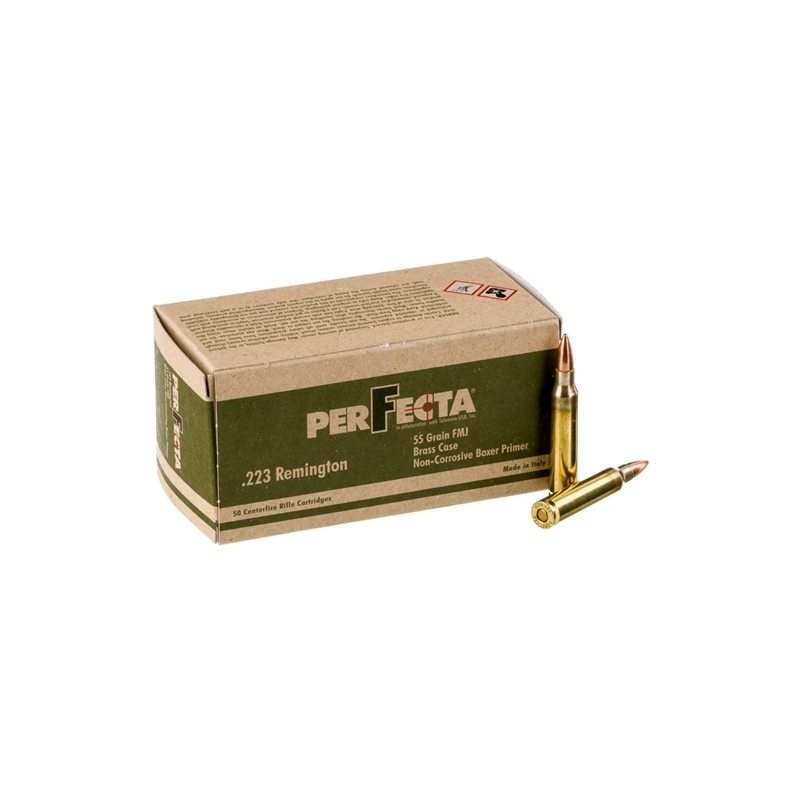
The case of centerfire ammo holds all parts together. It protects the powder and primer inside. The material of the case affects the ammo’s performance and cost. Cases must be strong enough to handle pressure. They should also resist corrosion and wear.
Brass Cases
Brass is the most common case material. It is an alloy of copper and zinc. Brass is strong, yet easy to shape and reload. It resists rust and lasts long. Shooters prefer brass for its reliability and performance. Brass cases expand well to seal the chamber. This helps prevent gas leaks during firing.
Exclusive Deals
Limited-time Exclusive Deals. Check current discount on Amazon.
Check Price on Amazon As an Amazon Associate I earn from qualifying purchases.Steel And Aluminum Options
Steel cases are tougher but heavier than brass. They cost less and are often used in military ammo. Steel cases can rust if not coated properly. Aluminum cases weigh less and reduce gun recoil. They are softer and less durable than brass. Aluminum cases are less common but good for low-cost ammo.
Primer Types
Centerfire ammo uses primers to ignite the gunpowder inside the cartridge. Primers are small, sensitive components that play a big role in firing a bullet. Different types of primers exist to fit specific needs and firearms.
Role Of The Primer
The primer is the spark that starts the bullet’s journey. When struck by the firing pin, it creates a small explosion. This explosion lights the gunpowder, which builds pressure to push the bullet out of the barrel. Without a primer, the cartridge cannot fire.
Primers must be reliable and safe. They need to ignite quickly and consistently. The right primer helps ensure the bullet fires properly every time.
Standard Vs Magnum Primers
Standard primers work well for most shooting needs. They produce enough spark to ignite normal gunpowder charges. These primers suit everyday cartridges and many handloads.
Magnum primers create a hotter and longer-lasting flame. They are ideal for larger cartridges or slow-burning powders. Magnum primers help ensure full ignition in tough conditions.
Choosing between standard and magnum depends on your ammo and firearm. Using the correct primer type improves performance and safety.
Propellant Powders
Propellant powders play a key role in centerfire ammunition. They provide the energy needed to push the bullet out of the barrel. These powders burn rapidly, creating gas pressure that propels the projectile forward. Different types of propellant powders affect how the bullet performs. Understanding these powders helps explain the power and behavior of centerfire ammo.
Smokeless Powder Varieties
Most centerfire ammo uses smokeless powder. It replaced older black powder long ago. Smokeless powder burns cleaner and produces more energy. There are two main types: single-base and double-base powders.
Single-base powders contain mostly nitrocellulose. Double-base powders add nitroglycerin for more energy. Some powders come as flakes, others as granules or rods. The shape affects how quickly the powder burns. Faster burning powders suit small cartridges. Slow burning powders work better for large, powerful rounds.
Impact On Performance
The choice of propellant powder changes bullet speed and pressure. Faster powders create quick pressure spikes. This boosts velocity but can increase barrel wear. Slower powders release gas steadily, improving accuracy and reducing recoil.
Powder type also affects temperature sensitivity. Some powders work well in cold or hot weather. Others may cause inconsistent shots under extreme conditions. Ammo makers select powders to balance power, safety, and reliability.
Bullet Construction
The bullet construction is a key part of centerfire ammo. It affects how the bullet flies, hits, and performs. Understanding bullet parts helps you choose the right ammo for your needs. Bullets are made from different materials and have various shapes. These details matter for accuracy and impact.
Core Materials
The core is the inside part of a bullet. Most cores are made of lead. Lead is heavy and soft, which helps the bullet expand on impact. Some bullets use steel or tungsten cores for more strength. Steel cores are harder and can pierce armor. Tungsten is very dense and used in special bullets. The core material affects bullet weight and performance.
Jacket Types And Shapes
The jacket covers the core. It is usually made of copper or a copper alloy. The jacket keeps the core intact during firing. It also reduces barrel wear. Jackets come in many shapes. Full metal jackets cover the whole core. They do not expand much on impact. Hollow point jackets have a cavity at the tip. This makes the bullet expand and cause more damage. Soft point jackets have a soft lead tip for controlled expansion. Bullet shape affects flight path and impact force.
Additional Components
Centerfire ammo contains more than just the bullet, casing, powder, and primer. It also includes additional parts that improve performance and safety. These components help protect the ammo and ensure it functions well inside the gun.
Seals And Coatings
Seals stop moisture from reaching the powder and primer. They keep the ammo dry and ready to fire, even in wet conditions. Coatings on the bullet and casing reduce friction inside the gun barrel. This helps the bullet fly straight and prevents damage to the firearm. Some coatings also protect against rust and corrosion.
Wads And Other Inserts
Wads are small pieces placed inside shotgun shells, but some centerfire rifle and pistol rounds use inserts too. These parts separate the powder from the bullet or gas. They help control pressure and improve accuracy. Inserts can also reduce recoil and noise by cushioning the explosion inside the casing.
Manufacturing Process
The manufacturing process of centerfire ammo involves careful steps to ensure safety and performance. Each cartridge is built with precision from raw materials to finished product. Machines and skilled workers work together to create reliable ammunition.
This process includes shaping the case, adding the primer, inserting the powder, and sealing the bullet. Every step has specific checks to maintain quality. The result is ammo ready for use in various firearms.
Assembly Steps
First, the brass case is formed by shaping and trimming. The primer pocket is made at the base of the case. Then, a small primer is inserted into this pocket.
Next, gunpowder is carefully measured and poured inside the case. The bullet is placed on the open end of the case. Finally, the bullet is crimped tightly to hold it in place.
Quality Control Measures
Each batch of centerfire ammo undergoes strict quality checks. Cases are inspected for shape and size accuracy. Primers are tested to ensure they ignite properly.
Powder amounts are measured to keep consistent pressure. Bullets are checked for correct weight and fit. Random samples are fired to test performance and safety.
Frequently Asked Questions
What Materials Compose Centerfire Ammo Cartridges?
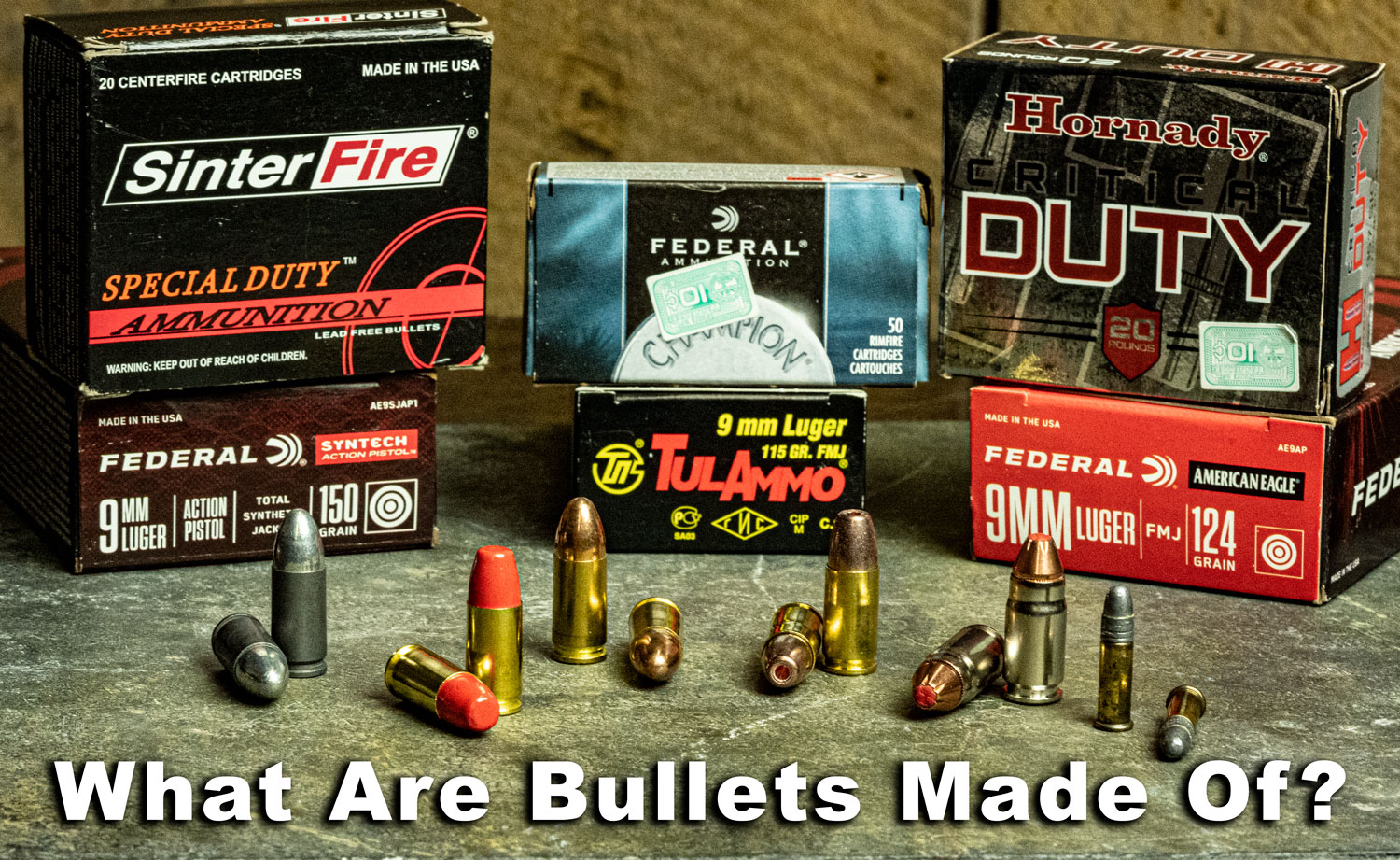
Centerfire ammo cartridges consist of a brass or steel casing, a primer at the base, gunpowder inside, and a bullet seated at the front. The primer ignites the powder, propelling the bullet forward. These materials ensure reliable ignition and performance in firearms.
How Does The Primer In Centerfire Ammo Work?
The primer contains a sensitive explosive compound. When struck by the firing pin, it ignites and lights the gunpowder. This process generates gas pressure that propels the bullet out of the barrel, making the primer essential for the cartridge’s firing function.
Why Is Brass Commonly Used For Centerfire Casings?
Brass is favored for centerfire casings due to its corrosion resistance, durability, and ability to expand and seal the chamber. It also allows easy reloading and maintains consistent performance, making it the most popular material for ammo casings.
What Type Of Gunpowder Is Inside Centerfire Ammo?
Centerfire ammo typically contains smokeless powder, a modern propellant. It burns cleanly and produces high energy to propel the bullet. This powder type improves accuracy, reduces residue, and enhances firearm longevity compared to older black powder.
Conclusion
Centerfire ammo has a simple yet strong design. It uses a metal case, gunpowder, a bullet, and a primer in the center. This design helps shooters reload and fire rounds safely and reliably. Knowing what centerfire ammo is made of helps you understand how it works.
It also shows why it is popular for many guns. Whether for hunting, sport, or defense, centerfire ammo remains a trusted choice. Understanding its parts makes you a smarter shooter. Simple, tough, and effective—that is centerfire ammo.