
When you’re choosing a rifle, understanding the difference between centerfire and rimfire can make all the difference in your shooting experience. You might think they’re just two types of ammo, but the truth goes deeper.
Knowing how each works, and when to use them, can save you money, improve your accuracy, and even enhance your safety. You’ll discover the key differences that matter most, helping you make smarter choices every time you pick up a rifle.
Keep reading, because this knowledge could change how you hunt, target shoot, or simply enjoy your time at the range.

Exclusive Deals
Limited-time Exclusive Deals. Check current discount on Amazon.
Check Price on Amazon As an Amazon Associate I earn from qualifying purchases.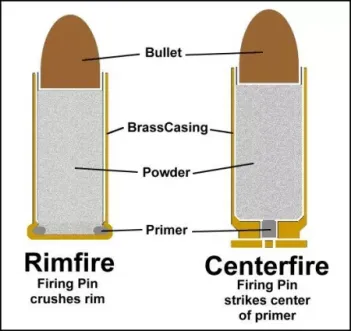
Centerfire Rifle Basics
Centerfire rifles use cartridges designed for power and reliability. They have a primer located in the center of the cartridge base. This design allows them to handle higher pressures than rimfire cartridges. Centerfire rifles are common for hunting, target shooting, and military use.
Their cartridges come in many sizes and types. This variety makes them versatile and suitable for many shooting needs. Understanding how centerfire cartridges work helps explain their advantages.
How Centerfire Cartridges Work
Centerfire cartridges have a primer in the middle of the base. When the firing pin strikes this primer, it ignites the gunpowder inside. The burning gunpowder creates gas, pushing the bullet out of the barrel. This mechanism provides strong and consistent firing power.
The cartridge case is usually made of brass. It holds the primer, gunpowder, and bullet tightly together. After firing, the case can be reloaded with new gunpowder and a bullet. This reusability makes centerfire cartridges cost-effective for many shooters.
Exclusive Deals
Limited-time Exclusive Deals. Check current discount on Amazon.
Check Price on Amazon As an Amazon Associate I earn from qualifying purchases.Common Uses And Advantages
Centerfire rifles excel in hunting large game. Their power allows bullets to reach long distances with accuracy. They are also popular in competitive shooting sports. Many law enforcement and military forces use centerfire rifles for their reliability.
These rifles offer better accuracy and stopping power than rimfire types. The cartridges can handle higher pressures safely. Reloading options add to their appeal for regular shooters. Overall, centerfire rifles provide strength, durability, and flexibility.
Rimfire Rifle Basics
Rimfire rifles use a special type of cartridge. These cartridges have the primer around the rim. The firing pin strikes the rim to ignite the primer. This design makes rimfire guns unique and easy to use.
Exclusive Deals
Limited-time Exclusive Deals. Check current discount on Amazon.
Check Price on Amazon As an Amazon Associate I earn from qualifying purchases.Rimfire rifles are often smaller and lighter. They are popular for beginners and small game hunting. The cartridges are usually less powerful but very reliable.
How Rimfire Cartridges Work
The rimfire cartridge has primer inside the metal rim. When the firing pin hits the rim, it crushes the primer. This causes a small explosion inside the cartridge. The explosion pushes the bullet out of the barrel.
This process is simple and effective. Rimfire cartridges cannot handle high pressure. That limits their power compared to centerfire cartridges. Still, they work well for many uses.
Typical Applications And Benefits
Rimfire rifles are great for target practice. They have low recoil and mild noise. This makes shooting easier for beginners and youth.
They are also good for hunting small animals. The lower power reduces the risk of damaging the meat. Rimfire ammo is cheaper and more available than centerfire.
Overall, rimfire rifles offer a good balance of cost and ease. They suit casual shooters and those learning to shoot.
Design Differences
The design of centerfire and rimfire rifles differs mainly in how their cartridges are made and how they fire. These differences affect reliability, cost, and use. Understanding these design details helps you know why each type suits different needs and situations.
Cartridge Construction
Centerfire cartridges have a primer located in the center of the cartridge base. This primer is a small, metal cup filled with explosive material. The cartridge case is usually made of brass and is thicker to handle higher pressure.
Rimfire cartridges have the primer material inside the rim of the cartridge base. The rim is thinner and softer, allowing it to crush when struck. Rimfire cases are often made of steel and are less durable than centerfire cases.
Firing Mechanism
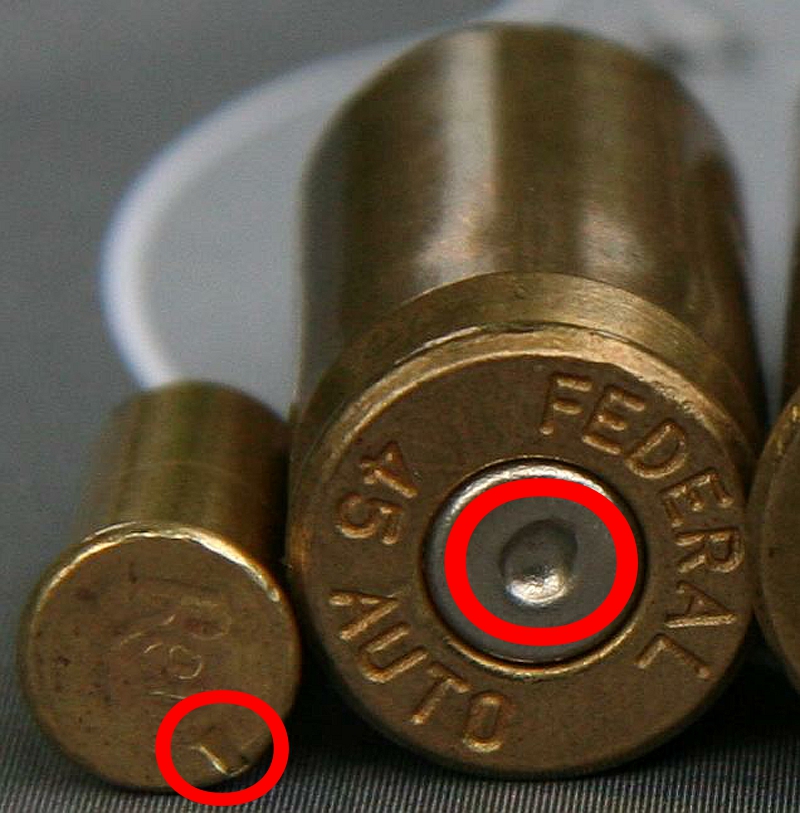
In centerfire rifles, the firing pin strikes the center primer. This impact ignites the primer, which then ignites the gunpowder. This system is strong and reliable for high-powered rounds.
Rimfire rifles work differently. The firing pin hits the rim of the cartridge base, crushing the thin rim and igniting the primer inside. This design limits the pressure the cartridge can handle, often used in low-powered rounds.
Performance Comparison
Performance is key in choosing between centerfire and rimfire rifles. Both types offer unique strengths. Understanding their differences helps you pick the right one for your needs.
This section compares accuracy, range, reliability, and durability. These factors affect shooting experience and results.
Accuracy And Range
Centerfire rifles usually provide better accuracy. Their bullets travel faster and farther. This makes them ideal for long-distance shooting.
Rimfire rifles are less powerful. They work best at shorter ranges. Still, they are accurate enough for many small game hunters and target shooters.
Reliability And Durability
Centerfire rifles tend to be more reliable. Their stronger cases handle more pressure. This reduces the chance of misfires or jams.
Rimfire rifles have simpler designs but can be less durable. The thin cases may fail in tough conditions. They need careful handling to avoid damage.
Cost And Availability
Cost and availability play a big role in choosing between centerfire and rimfire rifles. Knowing the price differences helps buyers decide what fits their budget. Availability affects how easy it is to find rifles and ammo. Both factors impact the shooting experience and ongoing expenses.
Ammunition Pricing
Rimfire ammo usually costs less than centerfire ammo. This makes rimfire rounds popular for beginners and target shooting. Centerfire ammo is pricier due to its design and power. It suits hunting and self-defense better. Prices can change based on demand and production. Rimfire ammo may be harder to find during high demand. Centerfire ammo remains more consistent in stores.
Rifle Market Trends
Rimfire rifles are common and often cheaper. Many beginners prefer rimfire rifles for practice. Centerfire rifles cover a wider range of uses. Their prices vary from budget to premium models. Market trends show steady demand for both types. Availability depends on region and local laws. New models and calibers appear regularly. Buyers can find rifles to suit different needs and wallets.
Safety Considerations
Safety is the top priority when handling any rifle. Understanding how centerfire and rimfire rifles differ helps prevent accidents. Each type has unique features that affect how you handle and store them safely. Knowing these differences reduces risks and keeps everyone secure.
Handling Centerfire Rifles
Centerfire rifles use cartridges with a primer in the center. This design creates more power and recoil. Always keep the muzzle pointed in a safe direction. Use your finger to control the trigger only when ready to shoot. Store centerfire rifles unloaded in a locked safe. Regularly check the barrel for obstructions before use. Wear eye and ear protection during shooting sessions.
Handling Rimfire Rifles
Rimfire rifles have primers in the cartridge rim. These rifles are less powerful but still need careful handling. Treat every rimfire rifle as if it is loaded. Avoid dry firing to prevent damage to the firing pin. Store rimfire ammo separately from the rifle for extra safety. Keep your finger off the trigger until you aim. Clean the rifle regularly to maintain safe operation.
Choosing The Right Rifle
Choosing the right rifle depends on many factors. Knowing the difference between centerfire and rimfire rifles helps you pick the best fit. Consider your needs and how you plan to use the rifle. This guide breaks down key points to help with your choice.
Purpose And Usage
Think about what you want to do with the rifle. Rimfire rifles work well for small game hunting and target shooting. They are light and easy to handle. Centerfire rifles suit bigger game and longer distances. They offer more power and accuracy. Choose based on your main activity and skill level.
Budget And Maintenance
Rimfire rifles usually cost less. Ammunition is cheaper and easier to find. They need less cleaning and care. Centerfire rifles can be expensive, but last longer. Their ammo costs more but performs better. Maintenance is more detailed and frequent. Match your budget and time for upkeep with your choice.

Frequently Asked Questions
What Defines A Centerfire Rifle Cartridge?
A centerfire rifle cartridge has a primer located at the center of the cartridge base. It is reloadable and used in most hunting and tactical rifles for its reliability and power.
How Does A Rimfire Rifle Cartridge Work?
A rimfire cartridge ignites when the firing pin strikes the rim of the cartridge base. It is mostly used in small calibers for target shooting and training due to lower cost.
Which Is More Accurate: Centerfire Or Rimfire Rifles?
Centerfire rifles are generally more accurate and powerful than rimfire rifles. They suit long-range shooting and hunting, while rimfire rifles are best for short-range and practice.
Are Rimfire Rifles Less Expensive To Shoot?
Yes, rimfire ammunition is typically cheaper and more available. This makes rimfire rifles ideal for beginners and budget-conscious shooters.
Conclusion
Centerfire and rimfire rifles differ mainly in how they ignite the bullet. Centerfire rifles use a primer in the cartridge center, while rimfire rifles ignite from the cartridge edge. This difference affects power, cost, and uses. Centerfire rifles handle bigger bullets and more recoil.
Rimfire rifles are lighter, cheaper, and good for beginners or small game. Knowing these basics helps you choose the right rifle for your needs. Understanding the key features makes shooting safer and more fun. Choose wisely and enjoy your time at the range or in the field.


