Cleaning your centerfire rifle might seem like a chore, but it’s one of the most important steps to keep your gun working safely and smoothly. If you want your rifle to perform well every time you pull the trigger, knowing the right way to clean it is key.
Exclusive Deals
Limited-time Exclusive Deals. Check current discount on Amazon.
Check Price on Amazon As an Amazon Associate I earn from qualifying purchases.You’ll discover simple, clear steps that anyone can follow—no matter your experience level. By the end, you’ll feel confident handling your rifle’s maintenance like a pro, making sure it stays reliable for years to come. Ready to learn how to clean your centerfire rifle the right way?
Let’s dive in.
Prepare Your Cleaning Space
Preparing your cleaning space is the first step in maintaining your centerfire rifle. A clean and organized area helps you focus and clean the rifle safely. It also prevents losing small parts during the process. Take time to set up a space that suits your cleaning needs and keeps everything within reach.
Choose A Well-ventilated Area
Select a place with good airflow. Cleaning solvents and oils release strong fumes. Proper ventilation keeps the air fresh and reduces inhaling harmful chemicals. Open a window or use a fan if you clean indoors. Avoid confined spaces to stay safe and comfortable.
Exclusive Deals
Limited-time Exclusive Deals. Check current discount on Amazon.
Check Price on Amazon As an Amazon Associate I earn from qualifying purchases.Gather Essential Cleaning Supplies
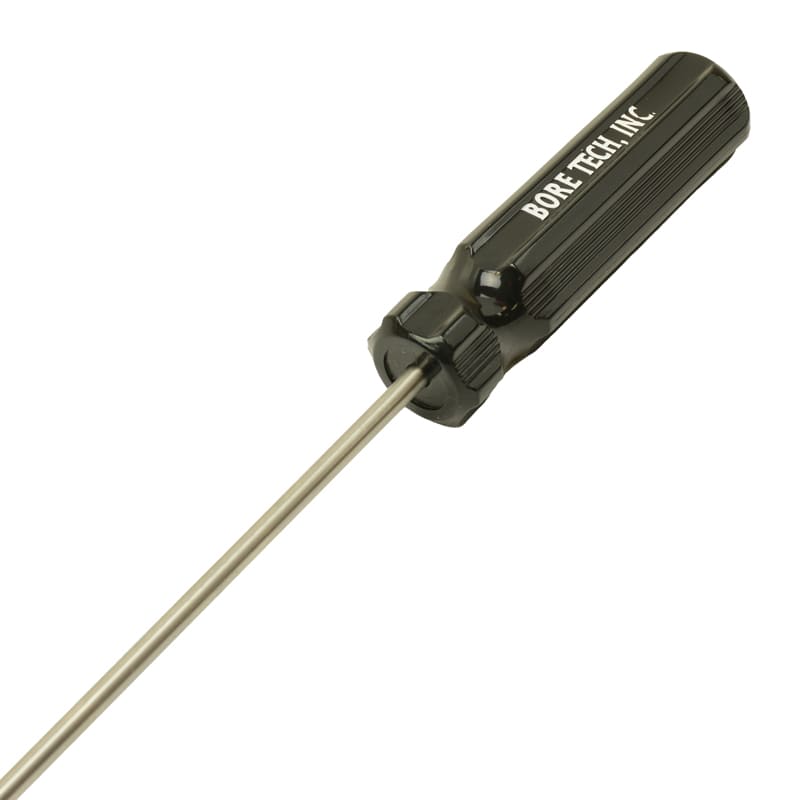
Collect all necessary tools before starting. You will need cleaning rods, brushes, patches, and solvent. Have a bore guide and cleaning cloths ready. Organize these supplies on a tray or table. This setup saves time and helps avoid interruptions during cleaning.
Ensure Proper Lighting
Good lighting is crucial for spotting dirt and residue. Use a bright lamp or natural light near your cleaning area. Shadows can hide grime inside the barrel. Proper light lets you clean every part thoroughly. Avoid dim or uneven lighting to improve your cleaning accuracy.
Disassemble The Rifle Safely
Disassembling a centerfire rifle safely is the first step to effective cleaning. It helps avoid accidents and ensures each part gets cleaned well. Always work in a clear space and follow proper safety rules.
Check The Chamber And Magazine
Start by making sure the rifle is unloaded. Open the action and look inside the chamber. Remove any cartridges found there. Next, check the magazine for any rounds. Remove all ammunition before handling the rifle further.
Remove The Bolt And Other Components
After confirming the rifle is empty, remove the bolt carefully. This part usually slides out after unlocking the bolt handle. Take out other parts like the magazine, trigger guard, or stock if needed. Follow the rifle’s manual for specific steps to avoid damage.
Exclusive Deals
Limited-time Exclusive Deals. Check current discount on Amazon.
Check Price on Amazon As an Amazon Associate I earn from qualifying purchases.Organize Parts For Cleaning
Place all removed parts on a clean surface. Use a tray or cloth to keep small pieces from getting lost. Group similar parts together. This organization helps during cleaning and makes reassembly easier and faster.
Clean The Barrel
Cleaning the barrel is a key step in maintaining your centerfire rifle. Dirt, powder residue, and fouling build up inside the barrel after shooting. This buildup can affect accuracy and damage the barrel over time. Proper cleaning helps keep the barrel in good shape and ensures your rifle shoots well.
Use the right tools and cleaners for the job. Take your time to clean the barrel thoroughly. A clean barrel means better performance and longer life for your rifle.
Select The Right Bore Cleaner
Choose a bore cleaner made for centerfire rifles. Some cleaners remove copper fouling. Others dissolve powder residue. Pick one that matches your needs. Avoid harsh chemicals that can damage the barrel. Follow the instructions on the cleaner’s label for best results.
Use A Bore Brush And Patches
Attach a bore brush to a cleaning rod. Run it through the barrel several times. The brush scrubs away tough residue inside. Next, push clean patches through the barrel. Repeat with fresh patches until they come out clean. This process clears out leftover dirt and fouling.
Inspect The Barrel For Residue
Look inside the barrel using a bore light or flashlight. Check for spots with leftover residue. If you see any, repeat brushing and patching. Make sure the barrel is fully clean before reassembling. A clean barrel improves accuracy and keeps your rifle safe.

Clean Other Components
Cleaning a centerfire rifle means more than just the barrel. The other parts need care too. Dirt and oil can build up in the bolt, action, and outside surfaces. This can affect how your rifle works and how long it lasts. Let’s look at how to clean these parts properly.
Wipe Down The Bolt And Action
Start by removing the bolt from the rifle. Use a clean cloth to wipe away dirt and old oil. Pay attention to small areas where grime hides. A soft brush can help reach tight spots. Make sure the bolt and action are dry before putting them back.
Lubricate Moving Parts
After cleaning, add a small amount of lubricant to moving parts. Focus on the bolt, trigger, and any hinges. Use oil made for firearms. Too much oil can attract dust, so use it sparingly. Proper lubrication keeps your rifle working smoothly and stops rust.
Check The Stock And External Surfaces
Look over the rifle’s stock and outside metal parts. Wipe them down with a dry or slightly damp cloth. Remove any dirt or fingerprints. Check for scratches or damage. Wood stocks may need special oil or wax to keep them strong. Clean surfaces protect your rifle and make it look good.
Reassemble The Rifle
Reassembling your centerfire rifle is a key step after cleaning. It ensures the rifle works safely and smoothly. Take your time and handle parts carefully. Keep your work area clean and organized. This helps avoid losing small pieces. Follow the steps in the right order. This makes reassembly easier and prevents damage.
Follow Manufacturer’s Guidelines
Always use the rifle manual as your guide. Each rifle model has unique parts and assembly steps. The manual explains how to fit parts correctly. It also points out safety checks to do. Using the manual reduces mistakes and keeps your rifle safe. Never force parts into place. This can harm your rifle or cause malfunctions.
Perform A Function Check
After assembly, test your rifle’s functions carefully. Check the trigger, safety, and bolt action. Make sure they move smoothly and work as they should. Do not load live ammunition during this check. A function check confirms that cleaning and reassembly went well. Fix any problems before using the rifle again.
Store The Rifle Properly
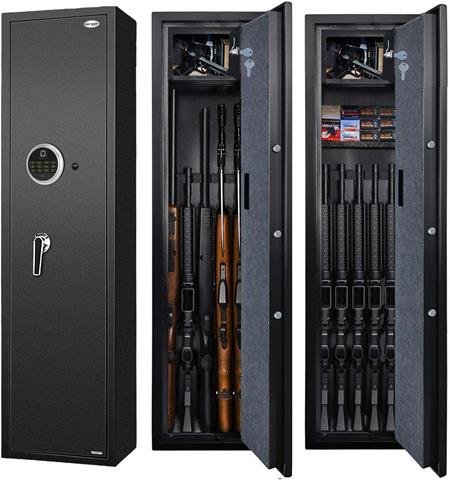
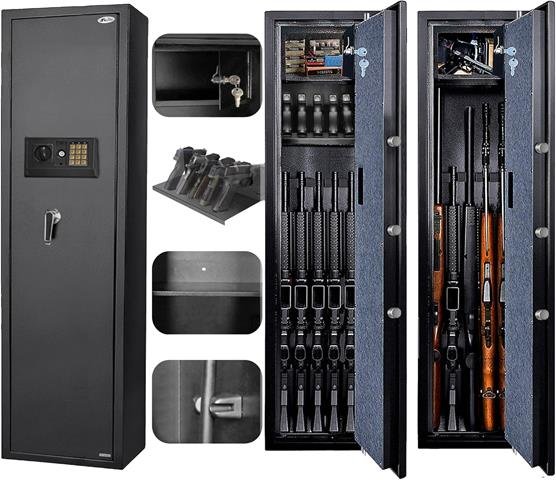
Store your rifle in a dry, secure place. Use a gun safe or locked cabinet. Protect it from moisture and dust. Clean and oil the rifle lightly before storage. This prevents rust and corrosion. Keep ammunition stored separately and safely. Proper storage extends the life of your rifle and keeps it ready for use.
Safety Tips During Cleaning
Cleaning a centerfire rifle is important for its proper function and safety. Following safety tips during cleaning protects you and others. These tips help prevent accidents and ensure a smooth cleaning process.
Keep Ammunition Separate
Always remove all ammunition from the cleaning area. Store bullets in a different room or container. This reduces the risk of accidental loading or firing. Treat every rifle as if it is loaded until proven otherwise.
Wear Protective Gear
Use safety glasses to protect your eyes from cleaning solvents and debris. Wear gloves to avoid skin contact with chemicals. Proper gear keeps you safe from harmful substances and sharp parts.
Maintain Focus And Avoid Distractions
Clean your rifle in a quiet, well-lit place. Avoid loud noises, phones, and interruptions. Stay focused to prevent mistakes. Concentration lowers the chance of accidents during cleaning.
Maintain Precision With Regular Cleaning
Regular cleaning keeps your centerfire rifle accurate and safe. Dirt, powder residue, and moisture build up inside the barrel and action. These can harm your rifle’s performance over time. Cleaning your rifle often ensures it shoots straight and works smoothly. It helps avoid rust and jams during use. A clean rifle stays reliable for every shot you take.
Set A Cleaning Schedule
Create a routine for cleaning your rifle. Clean it after every use, especially after firing many rounds. If you shoot in wet or dusty places, clean it sooner. A set schedule prevents dirt from building up. This helps keep your rifle in top condition. Write down your cleaning days to stay consistent.
Record Cleaning Sessions
Keep a log of each cleaning. Note the date and what parts you cleaned. This record shows how often you maintain your rifle. It helps track if problems appear after certain uses. Use a simple notebook or a digital app for records. This practice improves your rifle care over time.
Address Issues Promptly
Fix small problems as soon as you notice them. Loose screws, unusual sounds, or difficulty firing need attention. Cleaning helps spot these early signs. Don’t wait for a bigger issue to develop. Quick fixes keep your rifle safe and precise. Regular checks and cleaning go hand in hand.
Frequently Asked Questions
How Often Should I Clean A Centerfire Rifle?
Clean your centerfire rifle after every 200-300 rounds or after exposure to dirt or moisture. Regular cleaning maintains accuracy and prevents corrosion.
What Tools Are Needed To Clean A Centerfire Rifle?
You need cleaning rods, bore brushes, patches, solvent, lubricant, and a cleaning jag. These tools ensure thorough and safe cleaning of your rifle.
Can I Use Household Oil To Lubricate My Rifle?
No, household oils can damage your rifle. Use gun-specific lubricants to protect moving parts and ensure smooth operation.
What Is The Best Solvent For Cleaning A Centerfire Rifle?
Use a high-quality gun solvent designed to remove powder residue, lead, and copper fouling effectively without harming the metal or finish.
Conclusion
Cleaning a centerfire rifle keeps it safe and working well. Regular cleaning removes dirt, powder, and rust from the barrel and parts. Use the right tools and follow steps carefully to avoid damage. A clean rifle shoots more accurately and lasts longer.
Take your time and clean after every use. Small effort makes a big difference. Keep your rifle ready for the next time you need it. Easy to do, important to remember.