Are you curious about what calibers carbines use? Whether you’re new to firearms or just want to understand more about these versatile guns, knowing the right caliber can make a big difference.
Exclusive Deals
Limited-time Exclusive Deals. Check current discount on Amazon.
Check Price on Amazon As an Amazon Associate I earn from qualifying purchases.The caliber affects everything from accuracy to recoil, and even what you can use your carbine for. You’ll discover the most common calibers, why they matter, and how to choose the best one for your needs. Keep reading to find out what makes each caliber unique and how it fits your shooting style.
Popular Carbine Calibers
Carbines use different calibers to suit various needs. Each caliber offers unique benefits for shooting and handling. Some calibers are popular because they balance power and control well. Others are chosen for specific tasks like hunting or self-defense. Below are some of the most common calibers found in carbines.
9mm Carbines
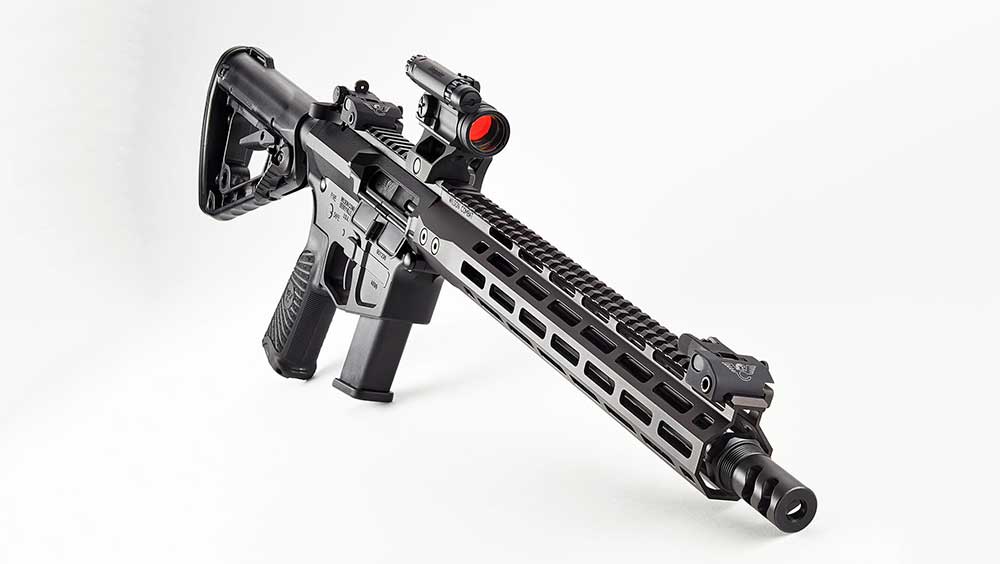
9mm carbines use the same ammunition as many handguns. This makes ammo easy to find and carry. They have low recoil, which helps with accuracy. These carbines are good for close-range shooting and home defense. Their light weight makes them easy to handle.
5.56x45mm Nato
The 5.56x45mm NATO is a popular military and civilian caliber. It offers good range and stopping power. This caliber works well for target shooting and tactical use. Many carbines chambered in 5.56 are versatile and reliable. Ammo is widely available and affordable.
Exclusive Deals
Limited-time Exclusive Deals. Check current discount on Amazon.
Check Price on Amazon As an Amazon Associate I earn from qualifying purchases.7.62x39mm
7.62x39mm is known for its strong impact and penetration. This caliber is often used in AK-style carbines. It performs well at medium ranges and can handle rough conditions. Shooters like it for its toughness and effectiveness. It is a solid choice for hunting and survival use.
.300 Aac Blackout
.300 AAC Blackout is designed for better performance with suppressors. It offers more power than 5.56 at short distances. This caliber works well for close to mid-range shooting. It is popular for tactical and hunting carbines. Ammo costs more but brings added benefits.
.22 Lr Carbines
.22 LR carbines use small, low-recoil rounds. These are great for beginners and training. The ammo is cheap and easy to find. These carbines work well for small game hunting and target practice. They are light and quiet, making them ideal for casual shooting.
Factors Influencing Caliber Choice
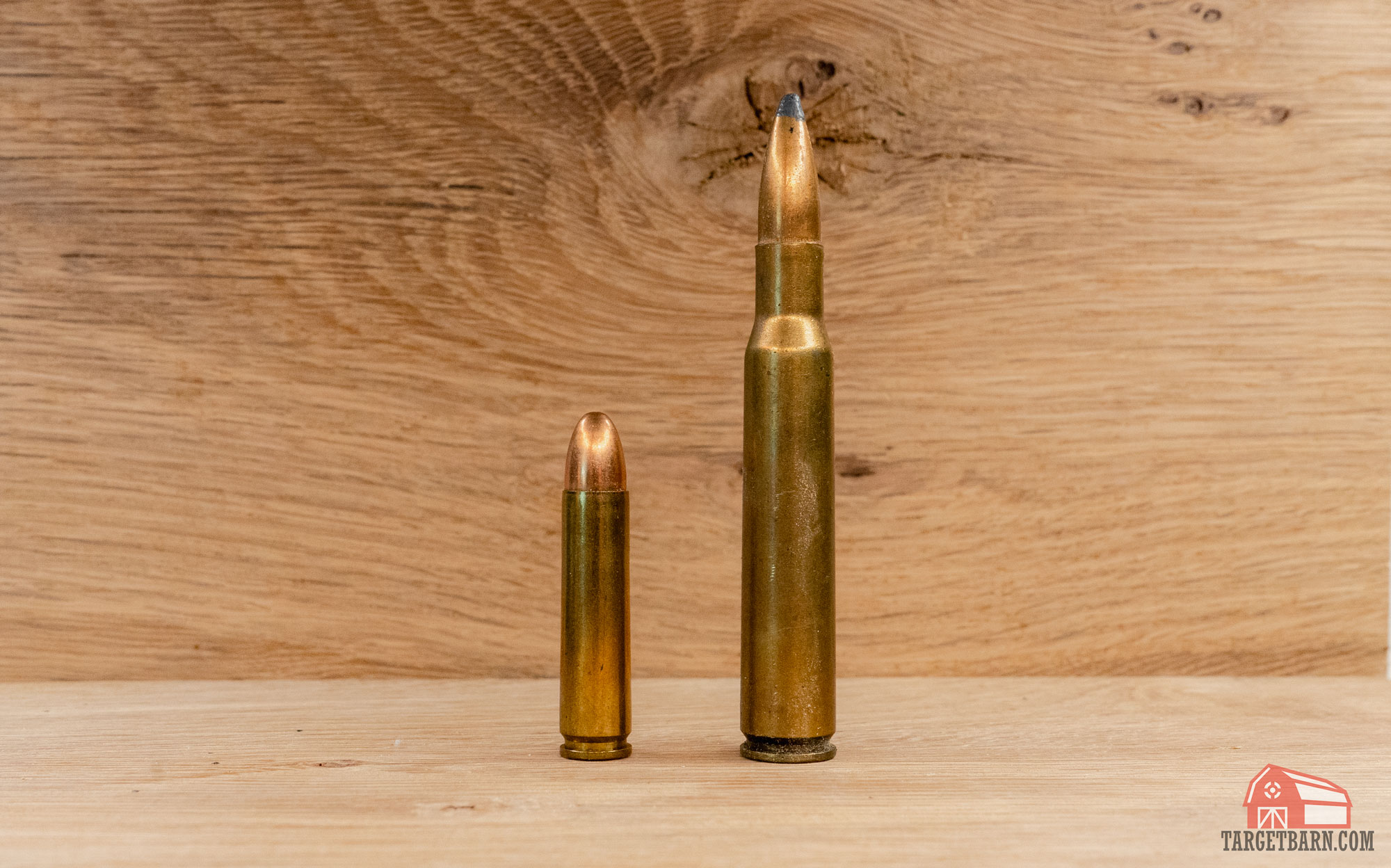
Choosing the right caliber for a carbine depends on several key factors. These factors shape how well the firearm performs for its intended role. Understanding these helps pick the best caliber for specific needs. Each factor plays a part in balancing power, control, and practicality.
Purpose And Use
The main reason for using a carbine guides the caliber choice. Self-defense, hunting, or target shooting all require different calibers. For close-range defense, smaller calibers with less recoil work well. Hunting bigger game needs stronger calibers with more stopping power. Target shooting often favors calibers that offer accuracy and low recoil.
Exclusive Deals
Limited-time Exclusive Deals. Check current discount on Amazon.
Check Price on Amazon As an Amazon Associate I earn from qualifying purchases.Recoil And Control
Recoil affects how easily a shooter handles the carbine. Strong recoil can reduce accuracy and speed. Smaller calibers create less recoil, making the firearm easier to control. This is important for beginners or quick follow-up shots. Comfort and control often lead to better shooting performance.
Ammunition Availability
Choosing calibers with widely available ammo ensures easy access. Common calibers are usually cheaper and found in many stores. Rare or specialty calibers can be harder to find and more expensive. Availability also matters for regular practice and emergencies.
Barrel Length And Ballistics
Carbines usually have shorter barrels than rifles. Short barrels affect bullet speed and accuracy. Some calibers perform better in shorter barrels by maintaining velocity. Ballistics influence how far and accurately the bullet travels. The right caliber balances barrel length with effective range and power.
Advantages Of Each Caliber
Each caliber used in carbines offers unique benefits. Choosing the right caliber depends on the needs of the shooter. Some calibers excel in power, while others offer better handling. Understanding these advantages helps in picking the best option for you.
Stopping Power And Range
Calibers like 5.56mm provide good stopping power at medium ranges. Larger calibers, such as .300 Blackout, deliver more impact at shorter distances. Smaller calibers offer less recoil, allowing for faster follow-up shots. Range varies by caliber, affecting how far you can shoot accurately.
Magazine Capacity
Smaller calibers often allow higher magazine capacity. This means more rounds before reloading. Larger calibers usually have fewer rounds per magazine. High capacity is useful in defensive or tactical situations. It helps maintain firepower without frequent reloads.
Versatility And Accessories
Some calibers have more accessories available, like suppressors and optics. Popular calibers often have better aftermarket support. Versatile calibers adapt well to different shooting styles. This flexibility makes carbines suitable for many tasks. Accessories can improve accuracy and comfort during use.
Popular Carbine Models By Caliber
Carbines come in different calibers. Each caliber suits different needs and uses. Some calibers are more common in civilian markets. Others are preferred by military or law enforcement. Understanding popular carbine models by caliber helps in choosing the right one.
Each caliber offers unique features. These features affect accuracy, recoil, and range. They also influence the carbine’s size and weight. Here are examples of popular carbines in the most common calibers.
9mm Carbines Examples
9mm carbines are popular for their low recoil and affordability. They work well for close to mid-range shooting. The Kel-Tec Sub 2000 is a well-known model. It folds for easy storage and transport. The Ruger PC Carbine offers reliability and a smooth shooting experience. These models are great for beginners and home defense.
5.56mm Carbines Examples
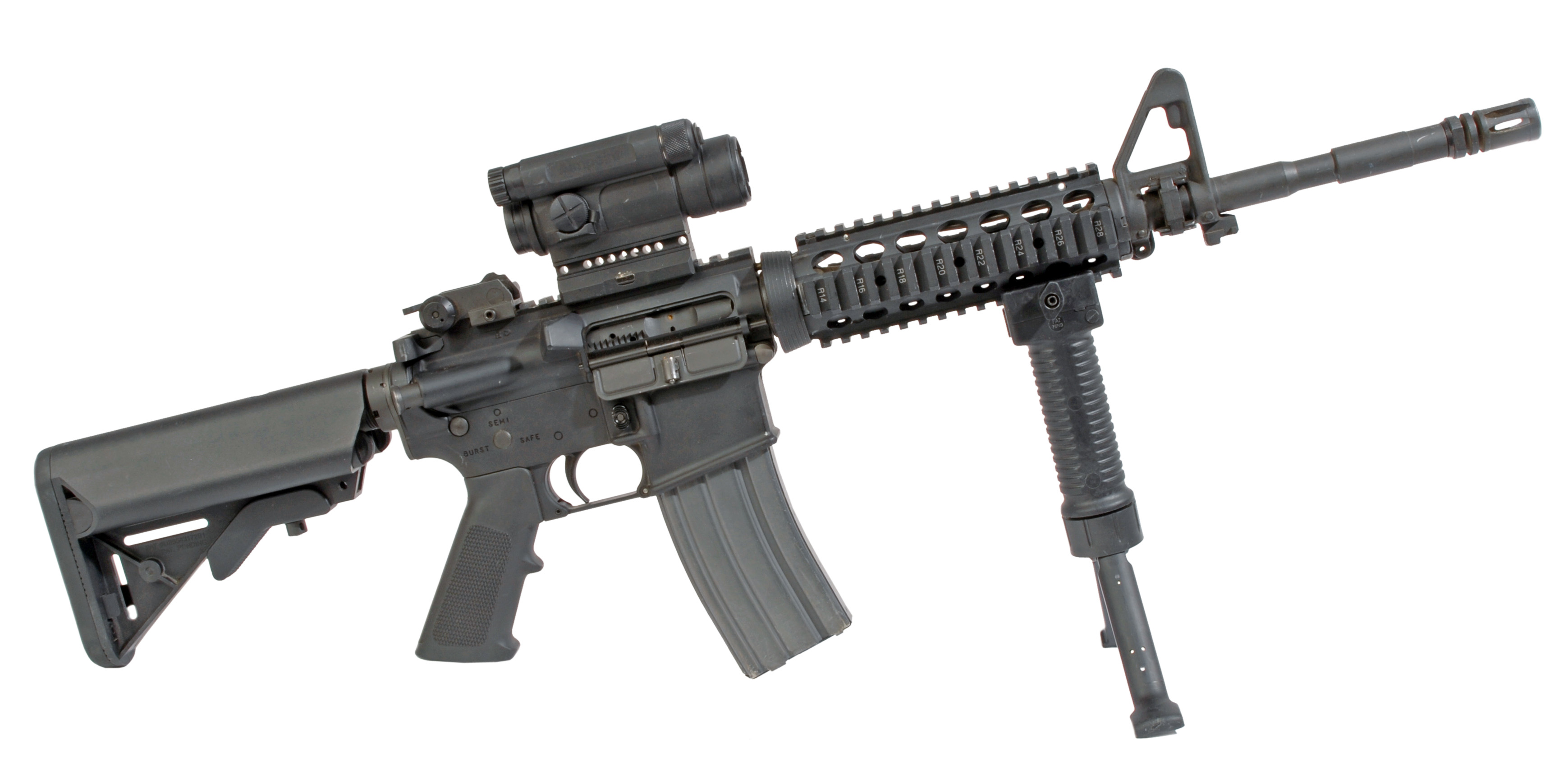
5.56mm carbines are common in military and civilian use. They provide a good balance of power and control. The AR-15 platform is the most popular example. It is versatile and customizable. The Colt M4 Carbine is a military favorite. These carbines perform well in various shooting conditions.
7.62mm Carbines Examples
7.62mm carbines offer more stopping power and range. They have stronger recoil but greater impact. The AK-47 is a famous model in this caliber. It is known for durability and simplicity. The SKS is another reliable 7.62mm carbine. These models suit users needing more power and range.
Trends In Carbine Caliber Selection
Carbine caliber selection has changed over the years. The choice depends on many factors. These include mission needs, cost, and user preference. Trends show shifts in what calibers are popular today. Understanding these trends helps predict future carbine designs and uses.
Military And Law Enforcement Preferences
Military forces often choose calibers that balance power and control. The 5.56x45mm NATO remains very common. It offers good accuracy and low recoil. Some units explore 7.62x39mm for more stopping power. Law enforcement prefers calibers that reduce over-penetration risks. Smaller calibers like 9mm are popular for close-quarters. Agencies test new rounds to improve performance and safety.
Civilian Market Trends
Civilians enjoy a wider variety of calibers. The AR-15 platform drives demand for 5.56mm and .223 Remington. Hunters prefer calibers like .300 Blackout for better range. Home defense users pick calibers with manageable recoil. The rise of pistol calibers like 9mm in carbines grows. Many civilians value versatility and ammo availability.
Future Developments
Research focuses on new calibers with improved ballistics. Lightweight, high-velocity rounds gain interest. The military tests advanced calibers for better armor penetration. Law enforcement seeks rounds that minimize collateral damage. Civilian shooters want calibers that suit multiple uses. Trends point to a blend of old and new calibers.
Frequently Asked Questions
What Calibers Are Most Common For Carbines?
Carbines commonly use calibers like 5. 56x45mm NATO, 7. 62x39mm, and. 45 ACP. These calibers balance power and recoil for short barrels.
Can Carbines Use Pistol Calibers?
Yes, many carbines use pistol calibers such as 9mm and. 45 ACP. This offers easier handling and less recoil for close-range use.
Are Carbines Chambered In Rifle Calibers?
Yes, carbines often chamber rifle calibers like 5. 56mm and 7. 62mm. These provide better range and stopping power than pistol calibers.
Do Caliber Choices Affect Carbine Performance?
Absolutely. Caliber affects recoil, range, accuracy, and stopping power. Choosing the right caliber depends on the carbine’s intended use.
Conclusion
Carbines come in many calibers, each with its own use. Choosing the right caliber depends on your needs and preferences. Smaller calibers offer less recoil and better control. Larger calibers provide more stopping power and range. Understanding these differences helps you pick the best option.
Remember, safety and practice matter the most. Keep learning to use your carbine confidently and responsibly.