Are you curious about the types of bullets that power assault rifles? Understanding what calibers assault rifles use can help you make smarter choices, whether you’re a shooter, collector, or just someone fascinated by firearms.
The right caliber affects everything—from accuracy to recoil, and even how the rifle performs in different situations. Keep reading, and you’ll discover the most common calibers, why they matter, and how they impact the rifle’s effectiveness. This knowledge will give you a clearer picture of what goes into these powerful weapons.

Common Assault Rifle Calibers
Assault rifles use specific calibers designed for balance between power and control. These calibers affect range, recoil, and stopping power. Many militaries worldwide rely on a few common types. Knowing these helps understand how assault rifles perform in different situations.
Exclusive Deals
Limited-time Exclusive Deals. Check current discount on Amazon.
Check Price on Amazon As an Amazon Associate I earn from qualifying purchases.Each caliber has unique features and history. They shape how soldiers and law enforcement operate on the field. Here are the most common assault rifle calibers.
5.56x45mm Nato
The 5.56x45mm NATO is a small, light caliber. It offers low recoil, allowing faster, accurate shots. Many NATO countries use this caliber in rifles like the M16 and M4. It works well for close to medium range combat. The round also has good penetration and speed.
7.62x39mm
The 7.62x39mm is a medium caliber with more power than 5.56mm. It is famous for use in the AK-47 rifle. This round provides strong stopping power and works well in tough conditions. It has a slower velocity but hits harder. Ideal for short to mid-range fights.
7.62x51mm Nato
The 7.62x51mm NATO is a larger, more powerful caliber. It is common in battle rifles and designated marksman rifles. The round delivers high accuracy and strong impact. It is often used for longer-range targets and heavier armor. Recoil is stronger, requiring good control.
Exclusive Deals
Limited-time Exclusive Deals. Check current discount on Amazon.
Check Price on Amazon As an Amazon Associate I earn from qualifying purchases.5.45x39mm
The 5.45x39mm is a small, light caliber used mainly by Eastern European forces. It is the standard round for rifles like the AK-74. This caliber offers low recoil and fast velocity. It is effective for rapid fire and medium range accuracy. The design helps reduce shooter fatigue.
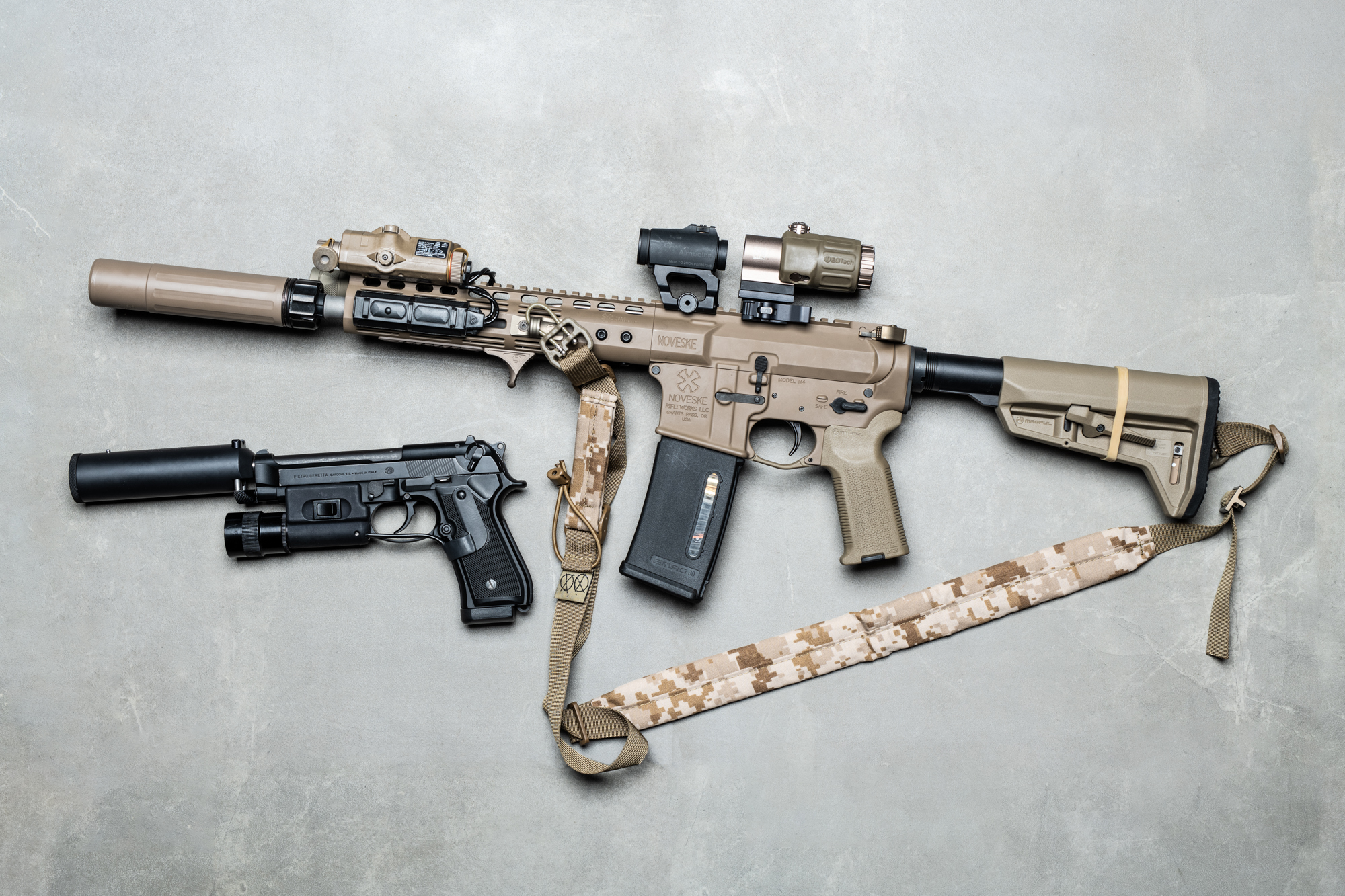
Historical Development Of Calibers
The history of assault rifle calibers shows how military needs shaped weapon design. Over time, calibers evolved to balance power, accuracy, and control. This development reflects changes in combat styles and technology.
Understanding this history helps explain why certain calibers dominate today. It reveals the search for a cartridge that fits soldiers’ real-world needs.
Exclusive Deals
Limited-time Exclusive Deals. Check current discount on Amazon.
Check Price on Amazon As an Amazon Associate I earn from qualifying purchases.Early Assault Rifle Calibers
Early assault rifles used full-power rifle cartridges. These rounds had high velocity and long range. Examples include the 7.62x54mmR and .30-06 Springfield. These cartridges were powerful but caused strong recoil. This made full automatic fire hard to control. Soldiers struggled to keep shots on target during rapid fire.
Shift To Intermediate Cartridges
The shift to intermediate cartridges began in World War II. The goal was a round with less recoil and enough power for typical combat ranges. The 7.92x33mm Kurz and 7.62x39mm Soviet rounds led this change. These calibers allowed better control in automatic fire. Soldiers could shoot more accurately and carry more ammunition. This shift shaped modern assault rifle design.
Modern Caliber Trends
Modern assault rifles mostly use small-caliber, high-velocity rounds. The 5.56x45mm NATO is the most common today. It offers low recoil and good accuracy at medium range. Some forces use 5.45x39mm or 6.8mm rounds for specific roles. Caliber choices now focus on weight, recoil, and effectiveness. Advances in bullet design continue to improve performance.
Ballistic Performance Comparison
Understanding ballistic performance helps to compare different assault rifle calibers. It shows how bullets behave in real use. Key factors include velocity, range, stopping power, recoil, and control. Each affects how well a rifle performs in different situations.
This section breaks down these factors to help you see the differences clearly. It focuses on popular calibers like 5.56x45mm NATO, 7.62x39mm, and others.
Velocity And Range
Velocity means how fast a bullet travels after firing. Higher velocity means the bullet reaches the target quicker. The 5.56x45mm NATO round usually flies faster than 7.62x39mm.
Range shows how far the bullet can travel accurately. 5.56x45mm often has a longer effective range. This makes it better for longer shots. The 7.62x39mm has a shorter range but hits harder closer up.
Stopping Power
Stopping power is how well a bullet can stop a target. Larger calibers like 7.62x39mm deliver more energy on impact. This causes more damage and stops threats quicker.
Smaller rounds like 5.56x45mm rely on high velocity and bullet design. They create wounds that disrupt the target effectively. The choice depends on mission needs and target type.
Recoil And Control
Recoil is the kick felt when firing a rifle. Heavier bullets produce stronger recoil. The 7.62x39mm generates more recoil than 5.56x45mm.
Less recoil means easier control and faster follow-up shots. Shooters can stay on target better with lower recoil rounds. This improves accuracy during rapid fire.
Caliber Selection Factors
Choosing the right caliber for an assault rifle depends on many important factors. Each factor affects how well the rifle performs in different situations. Understanding these can help explain why certain calibers are popular for specific uses.
Mission Requirements
The mission’s goal often decides the caliber choice. Short-range missions may need smaller calibers for fast shooting. Long-range missions require bigger calibers for better accuracy and power. The type of target also matters. Some missions need calibers that can stop threats quickly.
Environmental Conditions
The environment affects how a caliber performs. Cold weather can change how a bullet flies. Hot, dry areas may cause different wear on the rifle and ammo. Dense forests or urban areas may need calibers that work well in close quarters. Open spaces might require calibers that travel farther.
Ammunition Availability
Easy access to ammo is key. Some calibers are common worldwide and easy to find. Others might be rare or expensive. Soldiers and users need reliable ammo supplies. If ammo is scarce, it limits the rifle’s effectiveness. Choosing popular calibers helps maintain supply and readiness.
Specialized And Emerging Calibers
Assault rifles have traditionally used common calibers like 5.56mm and 7.62mm. Specialized and emerging calibers are changing this landscape. These new rounds aim to improve performance in different combat situations. They offer benefits like lighter weight, better accuracy, and more power. Exploring these calibers shows where firearm technology is heading.
Caseless Ammunition
Caseless ammunition removes the cartridge case, which holds the bullet and powder. This reduces the rifle’s weight and increases firing speed. Without the case, less heat builds up inside the gun. This can improve reliability and reduce jams. Some military projects explore caseless rounds for future rifles. The technology is still developing but shows promise.
Hybrid And Experimental Rounds
Hybrid rounds combine features of different calibers or designs. For example, some mix plastic and metal parts to lower weight. Experimental rounds test new shapes or materials for bullets. These can improve flight stability and penetration. Some aim to reduce recoil, making rifles easier to control. These rounds are not widely used yet but may grow in popularity.
Caliber Trends In Future Rifles
Future rifles may use calibers that balance power and weight. Designers focus on rounds that work well at medium and long distances. Smaller, faster bullets can reduce recoil and increase accuracy. There is also interest in smart ammunition that adjusts to conditions. These trends point to a new generation of assault rifles with advanced calibers.
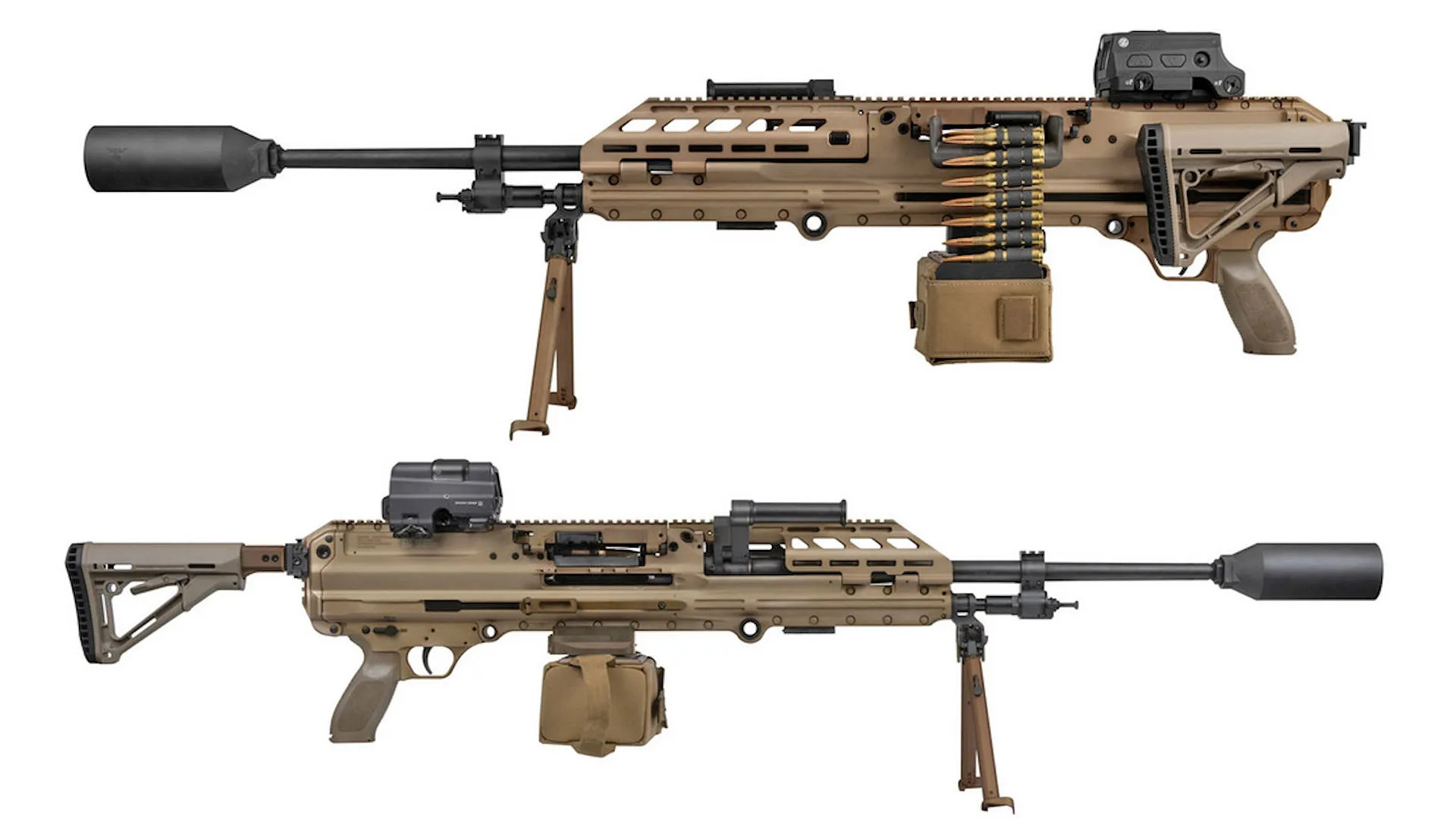
Global Usage Patterns
Assault rifles use different calibers based on the country and military needs. These choices shape how weapons perform in various environments and conflicts. Understanding global patterns helps explain why certain calibers dominate specific regions.
Calibers By Region
In North America and Europe, 5.56x45mm is common. It suits modern combat needs with good accuracy and low recoil. Russia and many former Soviet countries prefer 7.62x39mm. This caliber offers more stopping power and works well in harsh conditions. Asia shows mixed use, with some countries adopting NATO calibers and others sticking to older Soviet rounds.
Nato Vs Non-nato Standards
NATO countries mostly use 5.56x45mm as a standard caliber. This allows easy sharing of ammunition among allies. Non-NATO countries often use larger or older calibers like 7.62x39mm or 7.62x51mm. These choices reflect historical ties and military strategies. Standardization affects training, supply, and battlefield efficiency.
Popular Calibers In Conflicts
The 5.56x45mm caliber appears in many recent conflicts due to its light weight and controllability. The 7.62x39mm remains popular in guerrilla and irregular warfare because of its reliability. Some conflicts see mixed use of calibers, depending on available weapons and supply lines. Caliber choice can impact the success of military operations.
Frequently Asked Questions
What Calibers Are Most Common In Assault Rifles?
The most common calibers in assault rifles are 5. 56x45mm NATO and 7. 62x39mm. These calibers balance accuracy, range, and recoil control. They are widely used by military forces worldwide due to their effectiveness in various combat scenarios.
Why Do Assault Rifles Use Intermediate Calibers?
Intermediate calibers offer a balance between power and recoil. They allow soldiers to fire accurately at medium ranges. These calibers provide better control during automatic fire compared to full-power rifle rounds.
Can Assault Rifles Use Multiple Calibers?
Yes, some assault rifles are designed for multi-caliber use. They can switch barrels and magazines to accommodate different rounds. This versatility enhances adaptability in diverse combat environments.
How Does Caliber Affect Assault Rifle Performance?
Caliber influences range, recoil, and stopping power. Larger calibers offer more stopping power but increase recoil. Smaller calibers improve control and allow higher rates of fire.
Conclusion
Assault rifles use different calibers depending on their design and purpose. The most common calibers include 5. 56x45mm NATO and 7. 62x39mm. Each caliber offers unique benefits for range, power, and control. Choosing the right caliber affects how the rifle performs.
Knowing these basics helps understand assault rifles better. It also shows why certain calibers are popular worldwide. Caliber choice matters for both military and civilian users. This knowledge makes discussions about firearms clearer and more informed.