If you’re new to shooting or thinking about buying a centerfire rifle, one question probably pops into your mind: “What recoil should I expect?” Understanding recoil is key to choosing the right rifle for your comfort and accuracy. Too much kick can make shooting unpleasant or even painful, while too little might leave you wondering if your rifle packs enough power.
Exclusive Deals
Limited-time Exclusive Deals. Check current discount on Amazon.
Check Price on Amazon As an Amazon Associate I earn from qualifying purchases.You’ll discover exactly what recoil feels like, how it varies with different rifles and calibers, and what you can do to manage it. Keep reading to get the confidence you need before your next shot.
Recoil Basics
Recoil is the backward movement you feel after firing a centerfire rifle. It is a natural effect of shooting and varies with different rifles and cartridges. Understanding recoil helps you manage it better and shoot more accurately.
Recoil is not just about power. It is about how the rifle and bullet interact during firing. Knowing the basics makes it easier to choose the right rifle and ammunition for your needs.
What Causes Recoil
Recoil happens because of Newton’s third law: every action has an equal and opposite reaction. When a bullet shoots forward, the rifle pushes backward. The gunpowder explosion creates gas that pushes the bullet out of the barrel. This force also pushes the rifle in the opposite direction, causing recoil.
Exclusive Deals
Limited-time Exclusive Deals. Check current discount on Amazon.
Check Price on Amazon As an Amazon Associate I earn from qualifying purchases.Measuring Recoil
Recoil is measured in pounds of force or foot-pounds of energy. These numbers show how strong the backward push is. Shooters feel recoil differently based on rifle weight, bullet speed, and rifle design. Measuring recoil helps compare different rifles and cartridges.
Factors Influencing Recoil
Several factors change how strong the recoil feels. The rifle’s weight is important: heavier rifles usually have less felt recoil. The bullet size and speed also matter. Larger, faster bullets create more recoil. Stock design and recoil pads can reduce the felt impact. Your shooting stance and grip also affect how you experience recoil.
Common Centerfire Rifle Calibers
Centerfire rifles come in many calibers. Each caliber offers a different shooting experience. Recoil varies depending on the caliber size and power. Understanding common calibers helps you choose the right rifle for your needs.
Recoil is the backward movement felt when you fire a rifle. It depends on the bullet weight, powder load, and rifle weight. Knowing the recoil helps you prepare and shoot more accurately.
Light Calibers And Their Recoil
Light calibers like .223 Remington and .243 Winchester have low recoil. They are popular for beginners and small game hunting. The mild kick allows better control and faster follow-up shots. These calibers suit shooters who want less felt recoil.
Exclusive Deals
Limited-time Exclusive Deals. Check current discount on Amazon.
Check Price on Amazon As an Amazon Associate I earn from qualifying purchases.Medium Calibers And Their Recoil
Medium calibers include .270 Winchester and .308 Winchester. They offer moderate recoil that most shooters handle comfortably. These calibers are good for hunting medium-sized game. They balance power and recoil for versatile use.
Heavy Calibers And Their Recoil
Heavy calibers like .30-06 Springfield and .300 Winchester Magnum produce strong recoil. They are used for large game and long-distance shooting. The recoil is noticeable and requires practice to manage well. These calibers deliver high power but demand respect.
Recoil Experience By Rifle Type
Recoil varies by rifle type. Each rifle design affects how the kick feels. Knowing the recoil helps choose the right rifle. It also improves shooting comfort and accuracy. Here is what to expect from common centerfire rifles.
Bolt-action Rifles
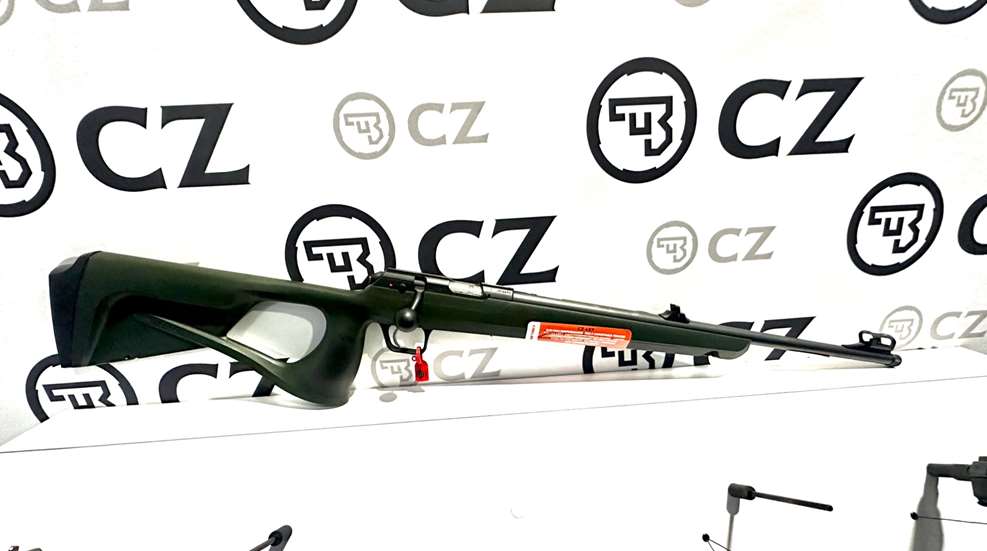
Bolt-action rifles often have a strong, sharp recoil. The solid build transfers the energy directly to the shooter. Calibers like .308 Winchester can produce noticeable recoil. Experienced shooters find bolt-action recoil manageable. Beginners might feel the kick more, especially with heavy loads.
Semi-automatic Rifles
Semi-automatic rifles reduce recoil by using gas or blowback systems. The action absorbs part of the energy. This results in a softer, smoother recoil. Popular calibers like 5.56 NATO have low recoil in semi-autos. This makes them good for fast follow-up shots and less fatigue.
Lever-action Rifles
Lever-action rifles usually have moderate recoil. The design spreads recoil over a longer time. This lessens the sharpness of the kick. Calibers like .30-30 Winchester deliver a mild recoil. Lever-actions balance power and comfort well for many shooters.

Techniques To Manage Recoil
Recoil can affect your shooting accuracy and comfort. Learning to manage recoil helps improve control and confidence. Several simple techniques reduce felt recoil and make shooting easier.
Proper Shooting Stance
Stand with your feet shoulder-width apart. Lean slightly forward into the shot. Keep your knees bent for balance. Hold the rifle firmly but not too tight. This stance absorbs recoil and keeps you steady.
Recoil Pads And Accessories
Recoil pads attach to the rifle’s stock. They cushion the impact on your shoulder. Soft pads reduce sharp recoil hits. Other accessories like stock spacers can improve fit. A well-fitted rifle helps manage recoil better.
Muzzle Brakes And Suppressors
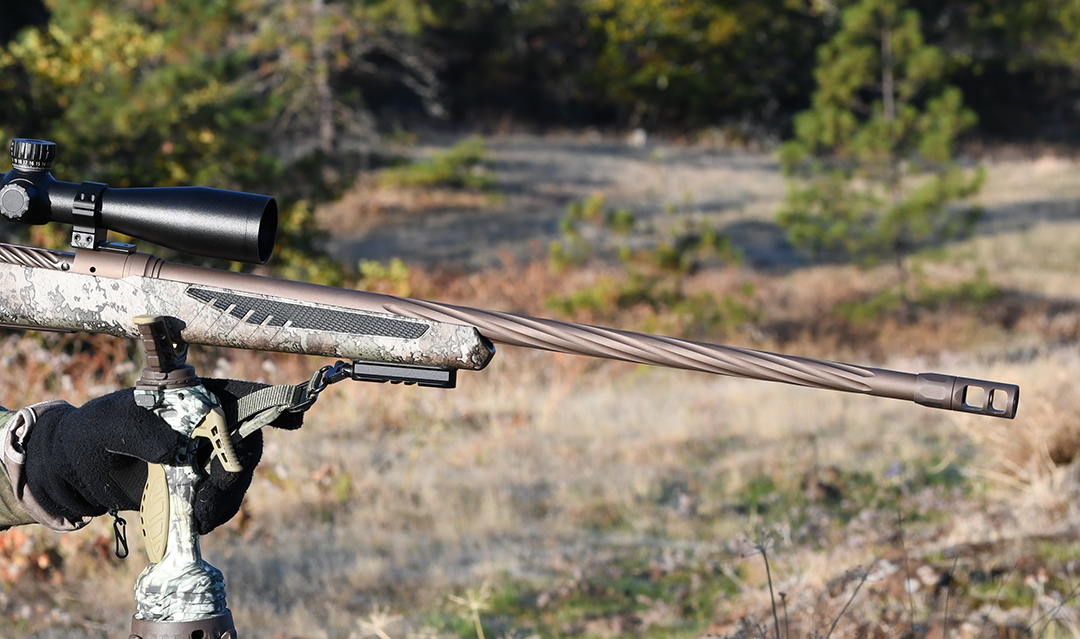
Muzzle brakes redirect gases to reduce kickback. They lower felt recoil significantly. Suppressors also help by slowing escaping gases. These devices make shooting more comfortable. They are popular choices for recoil control.
Impact Of Recoil On Accuracy
Recoil plays a major role in how well you shoot a centerfire rifle. It can push the rifle back and make it hard to keep your aim steady. This can lower your accuracy, especially during fast follow-up shots. Understanding recoil’s impact helps you shoot better and improve your skills.
How Recoil Affects Shooting
Recoil causes your rifle to move after each shot. This movement can throw off your aim for the next shot. Strong recoil can make your shoulder hurt and affect your focus. Even small recoil can change your sight picture and bullet placement. Controlling recoil is key to hitting targets consistently.
Training To Improve Control
Practice helps your body handle recoil more smoothly. Start with lighter loads to build confidence and control. Use a firm grip and proper stance to reduce rifle movement. Dry firing drills improve your trigger control and follow-through. Regular training lowers flinching and improves shot accuracy over time.
Expert Tips For New Shooters
Recoil can feel strong for new shooters. Knowing how to handle it helps build good habits. Experts share simple tips to reduce discomfort. These tips make shooting safer and more fun.
Selecting The Right Caliber
Pick a caliber that fits your strength and experience. Smaller calibers have less recoil and are easier to control. Start with something like a .22 or .223. These rounds help you learn without flinching. As skills grow, try larger calibers carefully. The right choice lowers fear and improves accuracy.
Building Confidence With Practice
Practice regularly to get used to recoil. Dry firing helps you feel the rifle without noise. Use proper stance and grip to control the kick. Take slow, deep breaths between shots. This reduces tension and keeps you steady. Practice builds muscle memory and lessens recoil impact. Confidence grows shot by shot.
Frequently Asked Questions
What Factors Influence Recoil In A Centerfire Rifle?
Recoil depends on bullet weight, powder charge, rifle weight, and barrel length. Heavier bullets and more powder increase recoil. A heavier rifle and longer barrel reduce felt recoil. These factors combined determine the overall shooting experience and comfort.
How Much Recoil Is Typical For Common Centerfire Calibers?
Common calibers like. 223 Remington have mild recoil, while. 30-06 Springfield has moderate recoil. Larger calibers such as. 300 Winchester Magnum produce stronger recoil. Understanding these differences helps shooters choose rifles that match their recoil tolerance.
Can Recoil Be Reduced In Centerfire Rifles?
Yes, recoil can be reduced using muzzle brakes, recoil pads, and heavier rifles. Proper shooting stance and technique also minimize felt recoil. These methods improve shooting comfort and accuracy, especially with high-recoil calibers.
Does Rifle Weight Affect Felt Recoil?
Yes, heavier rifles absorb more recoil energy, reducing felt recoil. Lighter rifles transfer more recoil to the shooter’s shoulder. Selecting an appropriate rifle weight enhances shooting comfort and control.
Conclusion
Recoil varies depending on the rifle and ammunition used. Lighter rifles often have stronger recoil. Heavier rifles tend to absorb more kick. Ammunition size also affects felt recoil. Smaller calibers usually produce less recoil. Remember, your shooting stance can reduce recoil impact.
Practice helps you handle recoil better. Understanding recoil prepares you for safer shooting. Choose a rifle that fits your comfort level. Enjoy shooting with confidence and control.