If you own a lever-action rifle, you know how important it is to keep it working smoothly and safely. But do you know the best way to maintain your rifle so it stays reliable for years to come?
Proper care isn’t just about cleaning—it’s about understanding the steps that protect your investment and keep your shooting accurate. You’ll discover simple, effective tips to maintain your lever-action rifle like a pro. By following these easy steps, you’ll ensure your rifle performs at its best every time you use it.
Keep reading to unlock the secrets of perfect rifle maintenance.

Exclusive Deals
Limited-time Exclusive Deals. Check current discount on Amazon.
Check Price on Amazon As an Amazon Associate I earn from qualifying purchases.
Lever-action Rifle Basics
The lever-action rifle is a classic firearm known for its simple design and reliable performance. It uses a lever below the trigger to load and eject cartridges. This action makes it quick to operate and easy to use. Many hunters and shooting enthusiasts enjoy lever-action rifles for their balance and history.
Understanding the basics of a lever-action rifle helps in proper care and maintenance. Knowing its parts and common models is the first step to keeping it in good shape. This knowledge ensures the rifle works safely and lasts a long time.
Key Components
The lever-action rifle has a few main parts. The lever is the arm you move to load the next round. The barrel is the long tube where the bullet travels when fired. The receiver holds the parts together and contains the firing mechanism. The stock is the handle and rear part you hold against your shoulder. The magazine stores the cartridges and feeds them into the chamber. Each part plays a vital role in the rifle’s function.
Common Models
Several lever-action rifles are popular worldwide. The Winchester Model 1894 is a famous choice known for its durability. The Marlin 336 is loved for its smooth action and accuracy. The Henry Repeating Rifle is admired for its classic look and quality build. These models vary in size and caliber but share the same lever-action system. Choosing a common model helps with finding parts and learning maintenance tips.
Exclusive Deals
Limited-time Exclusive Deals. Check current discount on Amazon.
Check Price on Amazon As an Amazon Associate I earn from qualifying purchases.
Essential Cleaning Tools
Maintaining a lever-action rifle requires the right tools. These tools help keep the rifle clean and working well. Using the correct cleaning items prevents damage and extends the rifle’s life. Here are the essential cleaning tools every rifle owner needs.
Cleaning Kits
Cleaning kits contain many useful items for rifle care. They often include rods, jags, and patches. Kits also come with basic brushes and a carrying case. A good cleaning kit fits your rifle’s caliber size. It helps remove dirt and residue from inside the barrel. Choose a kit made from quality materials to avoid damage.
Lubricants And Solvents
Lubricants keep moving parts working smoothly. They reduce friction and prevent rust. Use gun oil or grease for lubrication. Solvents help break down powder and carbon buildup. Apply a solvent before cleaning to loosen debris. Always select solvents safe for your rifle’s metal and wood parts.
Exclusive Deals
Limited-time Exclusive Deals. Check current discount on Amazon.
Check Price on Amazon As an Amazon Associate I earn from qualifying purchases.Brushes And Patches
Brushes come in different materials like bronze, nylon, and cotton. Bronze brushes remove tough fouling without harming the barrel. Nylon brushes work for light cleaning and delicate parts. Patches clean and dry the barrel after brushing. Use clean patches to avoid scratching the metal. Both brushes and patches are important for thorough cleaning.
Step-by-step Cleaning Process
Maintaining a lever-action rifle keeps it reliable and safe. Regular cleaning removes dirt, powder residue, and oils. A clean rifle shoots better and lasts longer. Follow these simple steps to clean your rifle properly.
Disassembly Tips
Start by ensuring the rifle is unloaded. Open the lever and check the chamber. Remove the lever-action mechanism carefully. Use a small screwdriver to take apart screws. Keep all parts in order to avoid confusion. Avoid forcing parts to prevent damage.
Barrel Cleaning
Attach a cleaning patch soaked in solvent to a rod. Push it through the barrel from the chamber end. Repeat with clean patches until they come out clean. Use a bronze brush for stubborn residue. Finally, run a dry patch to remove moisture.
Action And Receiver Care
Use a small brush to clean the action and receiver. Remove dirt, carbon, and old grease. Apply a light coat of gun oil to moving parts. Wipe off excess oil to prevent dirt build-up. Check the lever and bolt for smooth movement.
Stock Maintenance
Wipe the wooden stock with a soft, dry cloth. Avoid using water or harsh chemicals on wood. Apply a small amount of wood oil if the stock looks dry. Rub gently to restore shine and protect wood. Keep the stock clean to prevent cracks and damage.
Lubrication Techniques
Proper lubrication keeps a lever-action rifle working smoothly. It stops parts from wearing out and helps prevent rust. Knowing how to apply oil correctly makes a big difference in your rifle’s life and performance.
Choosing The Right Oil
Pick a light gun oil made for firearms. It should clean, protect, and lubricate. Avoid thick oils or grease that can trap dirt. A good oil flows easily and stays where needed. Check if the oil works well in cold or hot weather.
Where To Apply Lubricant
Focus on moving parts like the bolt, lever, and trigger mechanism. Apply a small drop on the rails and inside the action. Also, oil the hinge points and any metal-on-metal contact spots. Wipe off extra oil to stop dust buildup. A little oil goes a long way.
Avoiding Over-lubrication
Too much oil attracts dirt and slows the rifle. It can cause gumming and malfunctions. Apply oil sparingly and wipe excess away. Keep the rifle clean before oiling. Regular checks prevent over-lubrication and keep the rifle reliable.
Routine Maintenance Schedule
Maintaining a lever-action rifle ensures it works safely and lasts longer. A routine maintenance schedule keeps your rifle clean and ready. Regular care prevents rust and wear. Follow simple steps after each use, monthly, and yearly. This schedule helps you avoid costly repairs and keeps your rifle in top shape.
After Each Use
Wipe the rifle with a clean cloth to remove dirt and moisture. Check the barrel for any obstructions. Use a bore brush and cleaning rod to clean the barrel inside. Lightly oil moving parts to prevent rust. Open and close the lever several times to spread the oil. Store the rifle in a dry place after cleaning.
Monthly Checks
Inspect the rifle for signs of rust or damage. Check screws and bolts to make sure they are tight. Clean the action and receiver with a soft brush. Apply a small amount of gun oil to all metal parts. Test the lever and trigger for smooth movement. Remove any dust or debris that may collect over time.
Annual Deep Cleaning
Disassemble the rifle carefully following the manual. Clean all parts thoroughly with solvent and brushes. Pay special attention to the bolt, lever, and barrel. Remove carbon buildup and old oil residues. Dry parts completely before applying fresh lubricant. Reassemble the rifle and check its function. Consider a professional inspection once a year for safety.

Troubleshooting Common Issues
Troubleshooting common issues with a lever-action rifle helps keep it reliable and safe. Understanding these problems makes maintenance easier. Fixing small problems fast prevents bigger damage later.
Jamming And Feeding Problems
Jamming happens when the rifle does not load or fire smoothly. Dirt, old oil, or worn parts cause jams. Clean the chamber and magazine regularly. Check the lever and bolt for proper movement. Replace any bent or broken parts. Use the right ammunition size to avoid feeding issues.
Rust And Corrosion Prevention
Rust weakens metal parts and can stop the rifle from working. Wipe the rifle dry after use, especially in wet conditions. Apply a light coat of gun oil to all metal surfaces. Store the rifle in a dry place with low humidity. Use silica gel packs in your gun safe to reduce moisture.
Sight And Scope Adjustments
Sights and scopes can shift after shooting or transport. Check for loose screws or mounts often. Adjust the sights using the windage and elevation knobs. Use a stable rest to test the rifle’s accuracy. Keep the lens clean and free from dust or oil. Proper sight settings improve your shooting precision.
Storage And Safety Tips
Storing and handling your lever-action rifle with care keeps it safe and in good shape. Proper storage protects the rifle from damage and unauthorized use. Safe handling reduces accidents and ensures the rifle works well every time. Understanding how to transport your rifle safely helps avoid harm and legal trouble.
Proper Storage Conditions
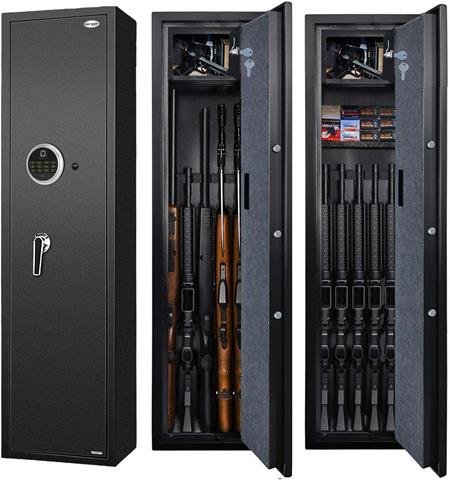
Store your rifle in a cool, dry place. Avoid damp areas that cause rust or corrosion. Use a gun safe or cabinet to keep it secure. Make sure the storage area is locked and not easy to access. Keep the rifle unloaded before storing. Use a gun sock or case to protect the finish.
Safe Handling Practices
Always treat the rifle as if it is loaded. Keep your finger off the trigger until ready to shoot. Point the muzzle in a safe direction at all times. Check the chamber before handling or cleaning. Store ammunition separately from the rifle. Teach others about safe rifle use and handling.
Transporting Your Rifle
Use a hard or soft case when moving your rifle. Keep the rifle unloaded before transport. Secure the rifle in your vehicle to prevent movement. Know local laws about carrying firearms in vehicles. Avoid displaying the rifle in public places. Handle the rifle calmly and carefully during transport.
Frequently Asked Questions
How Often Should I Clean A Lever-action Rifle?
Clean your lever-action rifle after every use or at least once a month. Regular cleaning prevents rust and ensures reliable performance.
What Tools Do I Need For Maintenance?
You need a cleaning rod, patches, bore brush, gun oil, and a soft cloth. These tools help remove residue and protect metal parts.
Can I Use Household Oil For My Rifle?
No, use only gun-specific oils. Household oils may damage the rifle’s finish and impair its function.
How Do I Safely Disassemble A Lever-action Rifle?
Refer to the manufacturer’s manual for step-by-step instructions. Always ensure the rifle is unloaded before disassembly to avoid accidents.
Conclusion
Maintaining a lever-action rifle keeps it working smoothly and safely. Clean the barrel and parts regularly to avoid rust and buildup. Use proper oil to keep metal parts moving well. Check screws and springs often to ensure tightness. Store the rifle in a dry place to protect it.
Regular care extends the life of your rifle. Small efforts make a big difference in performance. Stay consistent, and your rifle will serve you well. Simple steps keep your lever-action rifle ready for use.