Have you ever wondered if semi-automatic rifles kick back harder than other guns? If you’re curious about how recoil affects your shooting experience, you’re in the right place.
Exclusive Deals
Limited-time Exclusive Deals. Check current discount on Amazon.
Check Price on Amazon As an Amazon Associate I earn from qualifying purchases.Understanding recoil can change the way you handle your rifle and improve your accuracy. You’ll discover the truth about semi-automatic rifle recoil and what it means for you every time you pull the trigger. Keep reading to learn what really happens when your rifle fires—and how it might feel in your hands.
Recoil Basics
Understanding recoil helps shooters control their rifles better. Recoil is the backward movement felt after firing a gun. It affects accuracy and comfort. Learning the basics of recoil gives insight into how rifles behave. This knowledge helps in choosing the right firearm and ammunition.
What Causes Recoil
Recoil happens because of Newton’s third law: for every action, there is an equal and opposite reaction. When a bullet shoots forward, the rifle moves backward. The force depends on bullet weight, powder charge, and gun mass. Heavier bullets and more powder create stronger recoil.
Measuring Recoil
Recoil is measured in terms of velocity and energy. Velocity is how fast the rifle moves backward. Energy is the force felt by the shooter. Experts use recoil energy in foot-pounds to compare guns. Lower recoil energy means less kick felt by the shooter.
Exclusive Deals
Limited-time Exclusive Deals. Check current discount on Amazon.
Check Price on Amazon As an Amazon Associate I earn from qualifying purchases.Types Of Recoil Felt
Shooters feel recoil in two main ways: push and snap. Push is a steady backward force into the shoulder. Snap is a sharp, quick movement that can raise the muzzle. Semi-automatic rifles often have less snap due to gas systems absorbing energy. Knowing recoil types helps improve shooting technique.
Semi-automatic Rifle Mechanics
Semi-automatic rifles use a unique system to fire bullets quickly. They fire one bullet each time you pull the trigger. The rifle also prepares the next bullet automatically. This system makes shooting faster than with manual rifles. Understanding how this system works helps explain recoil behavior.
The mechanics inside a semi-automatic rifle control how energy moves. This energy affects how much the rifle kicks back. Knowing these details can help shooters manage recoil better.
How Semi-automatic Action Works
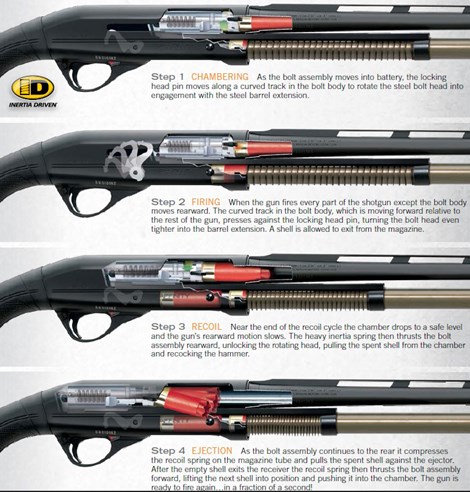
Semi-automatic rifles use gas or recoil energy to work. When you fire, gas pushes a piston or bolt. This action ejects the empty shell and loads a new bullet. All these steps happen with one trigger pull. The moving parts absorb some energy, reducing the shooter’s felt recoil.
The rifle’s design controls how fast the parts move. This speed affects how smooth the shooting feels. A well-built semi-automatic rifle can offer steady shooting with less pushback.
Exclusive Deals
Limited-time Exclusive Deals. Check current discount on Amazon.
Check Price on Amazon As an Amazon Associate I earn from qualifying purchases.Impact On Recoil Dynamics
The semi-automatic system spreads recoil over time. Instead of one sharp kick, recoil feels softer and longer. Moving parts inside the rifle use some energy that would cause recoil. This reduces the immediate backward force on the shooter.
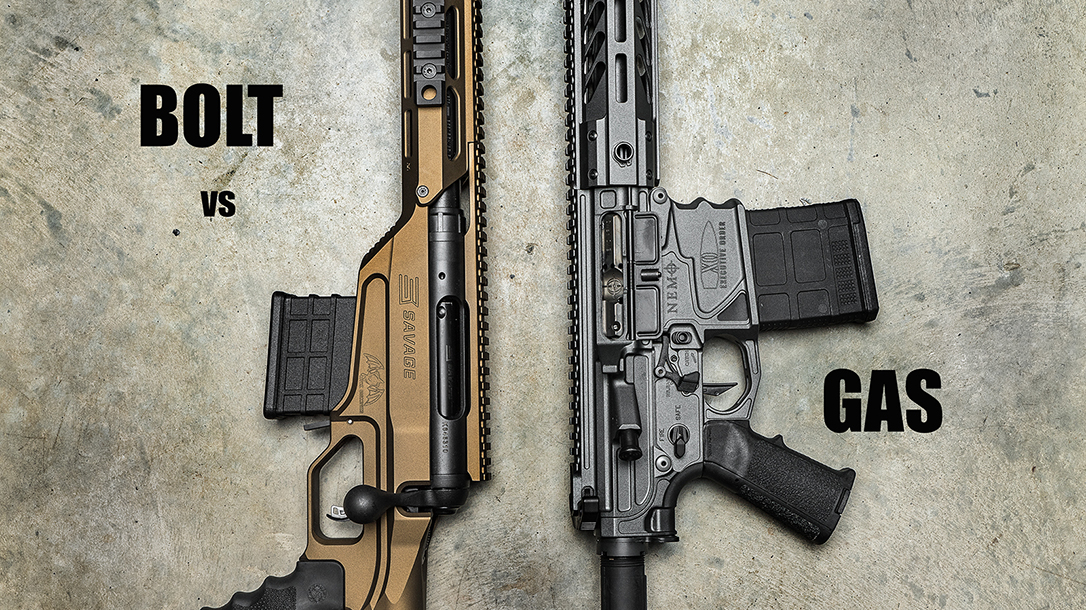
Recoil in semi-automatic rifles often feels different than in bolt-action rifles. It can be easier to control during fast shooting. The rifle’s mechanics play a key role in this recoil change.
Comparing Recoil: Semi-automatic Vs Others
Recoil varies by rifle type and affects shooting comfort. Comparing semi-automatic rifles with other types helps understand recoil differences. Each rifle design handles energy and movement differently. This affects how much kick the shooter feels after firing.
Bolt-action Rifles
Bolt-action rifles usually have stronger recoil. The shooter manually cycles the bolt after each shot. This design often means a heavier rifle. A heavier rifle can reduce felt recoil but not eliminate it. The solid locking mechanism also transfers more force to the shooter.
Lever-action Rifles
Lever-action rifles tend to have moderate recoil. Their mechanism cycles the cartridge using a lever under the trigger. These rifles are often lighter than bolt-actions. Lighter weight can increase felt recoil. The smooth cycling action can soften the perception of recoil.
Pump-action Rifles
Pump-action rifles generally produce moderate to high recoil. The shooter manually moves a fore-end to eject and load rounds. This adds movement but does not reduce recoil force much. The weight of the rifle and ammunition also play roles. Pump-actions can feel sharper recoil than semi-automatics.
Factors Influencing Recoil In Semi-automatics
Recoil in semi-automatic rifles depends on many factors. These factors affect how much the rifle kicks back after firing. Understanding them helps shooters manage recoil better. It also improves shooting comfort and accuracy.
Caliber And Ammunition
The caliber of a rifle affects recoil strength. Larger calibers usually create stronger recoil. The type of ammunition also matters. High-velocity rounds generate more kick than slower ones. Bullet weight influences recoil too. Heavier bullets can cause harder recoil.
Weight And Design
Heavier rifles tend to absorb more recoil. This reduces the felt kick. The design of the rifle also plays a role. A well-balanced rifle feels smoother during shooting. Stocks made of certain materials can help reduce recoil. Compact rifles might feel sharper recoil due to less weight.
Gas Systems And Recoil Mitigation
Semi-automatic rifles use gas systems to cycle rounds. Some gas systems help reduce recoil by spreading energy. Adjustable gas blocks allow control over recoil force. Recoil pads and muzzle brakes also lessen the kick. These features improve shooter comfort and control.
Common Misconceptions About Semi-automatic Recoil
Semi-automatic rifles often get a bad reputation for having strong recoil. Many believe these rifles kick harder than other types. This idea comes from confusion and myths passed around. Understanding what really causes recoil helps clear up these mistakes. It shows how recoil feels and what affects it.
Perceived Vs Actual Recoil
People often think semi-automatic rifles always have more recoil. The truth is recoil depends on many factors. Gun weight, caliber, and design matter a lot. Semi-automatic rifles use gas or recoil systems to reduce felt kick. This makes recoil softer than some expect. What shooters feel can be different from actual recoil force. Noise, muzzle blast, and rifle movement also affect perception. So, the recoil might feel stronger even if it is not.
Role Of Shooter Experience
Shooter skill changes how recoil feels. Beginners might feel recoil more because they are tense. Experienced shooters hold the rifle better and control recoil well. They know how to position their body and grip. This reduces the impact of recoil. Practice helps people get used to recoil sensations. It trains muscles and mindset to handle the rifle calmly. Recoil feels less scary with time and skill.
Techniques To Manage Recoil
Managing recoil is key for better shooting experience and accuracy. Recoil can make aiming hard and cause fatigue. Simple techniques help control this force. These methods improve comfort and performance with semi-automatic rifles.
Proper Shooting Stance
Stand with feet shoulder-width apart for balance. Lean slightly forward to absorb recoil. Keep knees bent for stability. Hold the rifle close to your body. This stance helps control the gun during firing. It reduces the impact felt from recoil.
Use Of Recoil Pads And Accessories
Recoil pads soften the impact on your shoulder. Attach them to the rifle’s stock for better comfort. Consider muzzle brakes to redirect gases and lessen recoil. Adjustable stocks can improve fit and control. These accessories make shooting easier and less painful.
Maintenance And Tuning
Clean your rifle regularly to ensure smooth operation. Proper lubrication reduces friction and recoil. Check the gas system for correct pressure. Adjust the buffer spring to manage recoil force. Well-maintained rifles perform better and recoil less harshly.
Real-world Feedback And Expert Opinions
Real-world feedback and expert opinions give clear insights about semi-automatic rifle recoil. These views come from people who use these rifles daily. They help us understand how recoil feels beyond technical specs. Both shooters and experts share valuable thoughts on the topic. Their experiences show the true impact of recoil on shooting comfort and control.
Shooter Testimonials
Shooters often say semi-automatic rifles feel smoother than expected. Many mention the recoil is easier to manage than with bolt-action rifles. The gas system in semi-automatics helps reduce the sharp kick. Beginners find these rifles less intimidating to shoot. Experienced shooters appreciate the steady follow-up shots allowed by lower recoil. Some note that heavier rifles can absorb recoil better. Overall, shooters report less muzzle rise and quicker target reacquisition.
Ballistic Expert Insights
Experts explain recoil is energy that moves backward when firing. Semi-automatic rifles use some energy to cycle the action. This reduces the energy felt as recoil. Experts say the design spreads recoil over a longer time. This makes the recoil feel softer and less abrupt. They also note recoil depends on bullet size, rifle weight, and gas system. Experts agree that semi-automatic rifles generally produce less felt recoil than many other types.
Frequently Asked Questions
Do Semi-automatic Rifles Have Stronger Recoil?
Semi-automatic rifles often have less felt recoil because the action absorbs some energy. This reduces the kick felt by the shooter compared to bolt-action rifles.
How Does Recoil Affect Shooting Accuracy?
Recoil can impact accuracy by moving the rifle off-target. Less recoil helps shooters maintain control, improving follow-up shot precision and overall accuracy.
Does Rifle Caliber Influence Recoil Intensity?
Yes, larger calibers generally produce more recoil. The bullet size and powder charge directly affect the recoil felt by the shooter.
Can Recoil Be Reduced In Semi-automatic Rifles?
Recoil can be reduced using muzzle brakes, recoil pads, or gas system adjustments. These methods help lessen the felt recoil for better shooting comfort.
Conclusion
Semi-automatic rifles do not always have stronger recoil. It depends on the rifle’s design and caliber. Some models feel softer because they spread the recoil over time. Others may have a sharper kick. Knowing your rifle helps manage the recoil better.
Practice and proper stance reduce the impact on your shoulder. Recoil is part of shooting but can be controlled. Choose a rifle that fits your comfort and skill. Enjoy shooting safely and confidently with the right knowledge.