
You want your carbine to work perfectly every time you pick it up. But how do you keep it in top shape?

Exclusive Deals
Limited-time Exclusive Deals. Check current discount on Amazon.
Check Price on Amazon As an Amazon Associate I earn from qualifying purchases.Maintaining your carbine isn’t just about cleaning; it’s about ensuring safety, reliability, and longevity. If you’ve ever wondered what steps you should take, or how often you need to care for your firearm, this guide is for you. Keep reading to discover simple, effective ways to maintain your carbine and keep it ready whenever you need it.
Cleaning Essentials
Maintaining a carbine requires regular cleaning to keep it working well. Use a brush and oil to remove dirt and prevent rust. Always clean after each use for best results.
Tools You Need
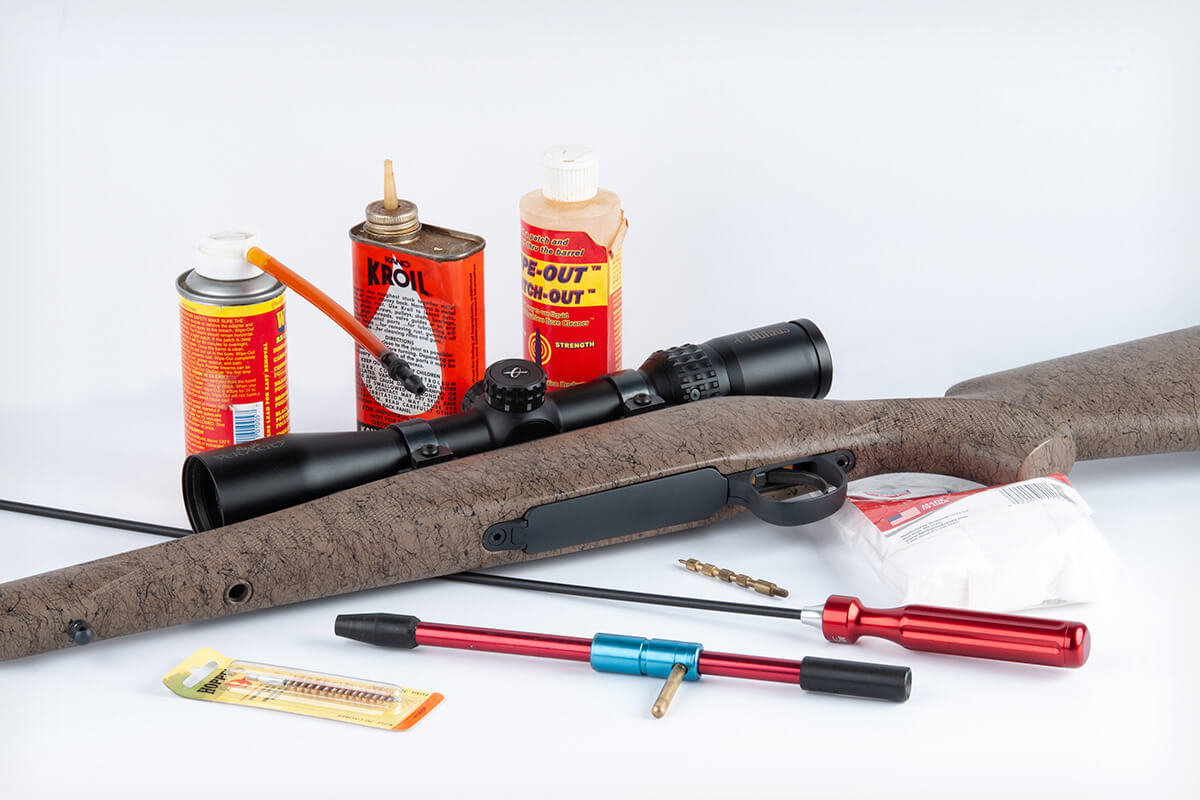
Maintaining a carbine starts with having the right tools. You need a cleaning rod to reach inside the barrel. Use patches and brushes to remove dirt and residue. A quality bore brush helps scrub the barrel thoroughly. Cleaning jags hold patches firmly in place. A small, soft-bristle brush cleans hard-to-reach areas. Pick up a cleaning mat to keep parts organized. Gloves protect your hands from oils and solvents. A microfiber cloth helps wipe down the exterior. These basic tools make the cleaning process easier and safer.
Safe Cleaning Agents
Choose cleaning agents designed for firearms. Use solvent to break down carbon and fouling. A good lubricant keeps moving parts working smoothly. Avoid harsh chemicals that can damage metal or finishes. Water-based cleaners reduce the risk of corrosion. Always select products labeled safe for gun parts. Read instructions carefully before applying any cleaner. Proper cleaning agents protect your carbine and improve performance. Using the right products prevents rust and extends the rifle’s life.
Exclusive Deals
Limited-time Exclusive Deals. Check current discount on Amazon.
Check Price on Amazon As an Amazon Associate I earn from qualifying purchases.
Step-by-step Cleaning
Maintaining a carbine is essential for safety and performance. Regular cleaning keeps your firearm reliable and extends its life. Follow these clear steps for a thorough cleaning process.
Disassembly Basics
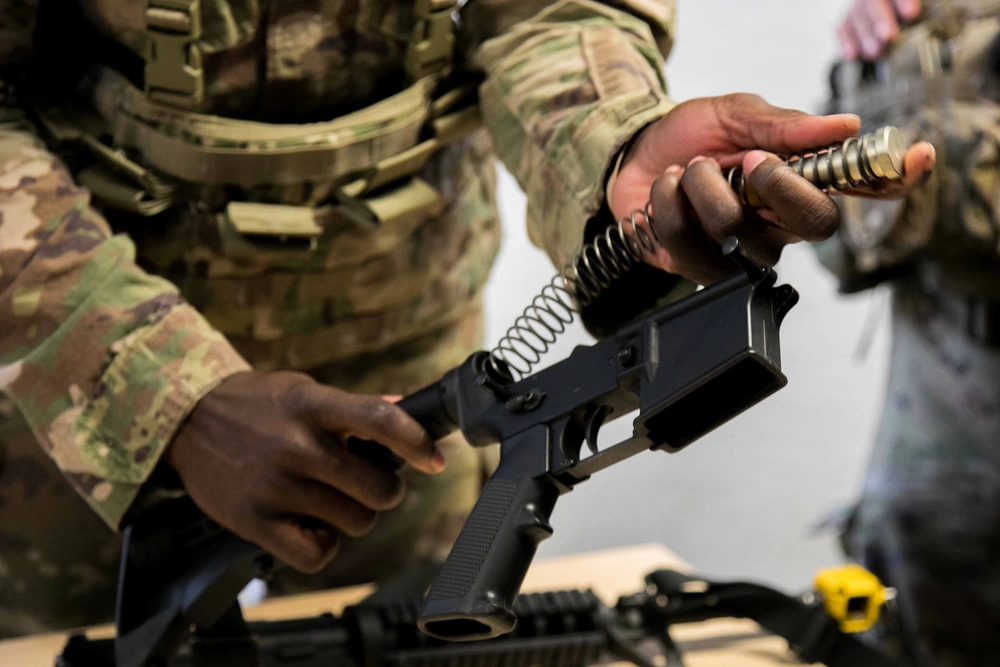
Start by making sure the carbine is unloaded. Remove the magazine and check the chamber. Break down the rifle into main parts: barrel, bolt, and receiver. Use the owner’s manual for specific disassembly instructions. Keep small parts safe to avoid loss.
Barrel Cleaning Techniques
Use a cleaning rod with a patch soaked in solvent. Push it through the barrel from chamber to muzzle. Repeat until patches come out clean. Next, use a bore brush to scrub stubborn fouling gently. Finish with dry patches to remove excess solvent.
Bolt And Chamber Care
Wipe the bolt and chamber with a clean cloth. Apply solvent to remove carbon build-up. Use a small brush to clean hard-to-reach areas. Dry all parts thoroughly before reassembly to prevent rust.
Lubrication Tips
Apply a light coat of lubricant to moving parts. Focus on the bolt, trigger mechanism, and slide rails. Avoid over-lubricating, which can attract dirt. Wipe off any excess oil to keep the carbine clean.
Exclusive Deals
Limited-time Exclusive Deals. Check current discount on Amazon.
Check Price on Amazon As an Amazon Associate I earn from qualifying purchases.Inspection And Maintenance
Maintaining a carbine is essential for safety and performance. Regular inspection and maintenance keep the weapon reliable. Simple checks help spot problems early. Small fixes prevent bigger issues later.
Checking For Wear
Look closely at all parts of the carbine. Focus on the barrel, bolt, and trigger. Check for cracks, rust, or unusual marks. Worn parts can cause malfunctions or danger. Use a flashlight to see inside tight spaces. Always inspect after each use or before shooting.
Tightening And Adjusting
Loose screws and bolts affect accuracy and safety. Use proper tools to tighten all fasteners. Adjust sights and stocks to fit your needs. Make sure moving parts operate smoothly. Avoid over-tightening; it can damage threads. Regular adjustments keep the carbine ready for use.
Replacing Worn Parts
Replace parts that show heavy wear or damage. Use original or high-quality replacements only. Common parts to replace include springs, firing pins, and extractors. Follow the carbine manual for proper installation. Regular replacement ensures safe and smooth operation. Keep spare parts handy for quick fixes.
Storage Best Practices
Proper storage is essential to keep a carbine in good shape. It protects the gun from damage and rust. Good storage helps the carbine work well for many years. Follow these simple tips to store your carbine safely and correctly.
Proper Environment
Store your carbine in a cool, dry place. Moisture causes rust and damage. Avoid places with high humidity like basements or garages. Use a dehumidifier if the air is damp. Keep the carbine away from direct sunlight to prevent fading and heat damage. A gun safe or cabinet is a good choice for protection and security.
Long-term Storage Tips
Clean the carbine before storing it for a long time. Remove all dirt, oil, and moisture. Apply a light coat of gun oil to metal parts to prevent rust. Use a gun sock or case to protect the carbine from dust. Check the gun every few months to ensure no rust or damage appears. Store ammunition separately in a safe, dry place.
Troubleshooting Common Issues
Troubleshooting common issues with a carbine helps keep it reliable and safe. Regular checks and quick fixes prevent bigger problems. Understanding common faults saves time and frustration.
Misfires And Jams
Misfires and jams often happen from dirt or worn parts. Clean the chamber and barrel regularly. Use quality ammunition to reduce problems. Inspect the firing pin and extractor for damage. Replace any broken parts quickly to keep smooth operation.
Accuracy Problems
Accuracy problems may come from loose sights or barrel damage. Tighten all screws on the sights and stock. Check the barrel for dirt or rust and clean it. Use consistent shooting positions and proper technique. Replace old or damaged parts affecting aim.
Unusual Noises
Strange sounds often signal loose or worn parts inside. Listen carefully during firing to identify the source. Tighten any loose screws or bolts. Lubricate moving parts to reduce friction noises. Replace parts that cause rattling or grinding sounds.
Safety And Legal Tips
Maintaining a carbine requires more than just cleaning and repairs. Safety and legal rules are vital. Following these tips protects you and others. It also keeps you out of trouble with the law.
Safe Handling Practices
Always treat your carbine as if it is loaded. Keep the muzzle pointed in a safe direction. Never place your finger on the trigger until ready to shoot. Store the firearm unloaded and locked away. Use proper safety gear when cleaning or handling. Check the chamber and magazine before maintenance. Keep ammunition separate from the carbine during cleaning.
Compliance With Regulations
Know the laws in your area about carbine ownership. Register your firearm if required by law. Follow storage rules to prevent unauthorized access. Transport the carbine according to legal guidelines. Report any loss or theft immediately to authorities. Stay updated on changes in firearm laws. Respect all rules to avoid fines or legal trouble.
Frequently Asked Questions
How Often Should I Clean My Carbine?
Clean your carbine after every use or at least once a month. Regular cleaning prevents rust, ensures reliable function, and extends its lifespan.
What Tools Do I Need To Maintain A Carbine?
You need a cleaning rod, bore brush, patches, lubricant, and a soft cloth. These tools help remove debris and keep your carbine in optimal condition.
Can I Use Household Oils For Carbine Maintenance?
No, avoid household oils. Use gun-specific lubricants to prevent damage and ensure proper functioning. These lubricants are designed for firearms and protect against corrosion.
How Do I Inspect My Carbine For Wear?
Check the barrel, bolt, and firing pin for cracks or excessive wear. Regular inspections help catch issues early and maintain safety and performance.
Conclusion
Maintaining a carbine keeps it safe and reliable. Clean it regularly to prevent dirt buildup. Check the barrel and moving parts for wear. Lubricate parts lightly to ensure smooth action. Store the carbine in a dry, safe place. Regular care helps your carbine last longer.
Simple steps protect your investment and performance. Stay consistent with maintenance for best results. Your carbine will serve you well over time. Small efforts make a big difference in safety.


