Choosing the right rifle scope can make all the difference between a missed shot and a perfect hit. You want a scope that fits your needs, feels comfortable, and boosts your accuracy.
But with so many options out there, how do you know which one is right for you? This guide will help you cut through the confusion and find the perfect scope that matches your shooting style and goals. Keep reading, and you’ll soon have the confidence to pick the right rifle scope every time.
Key Features To Consider
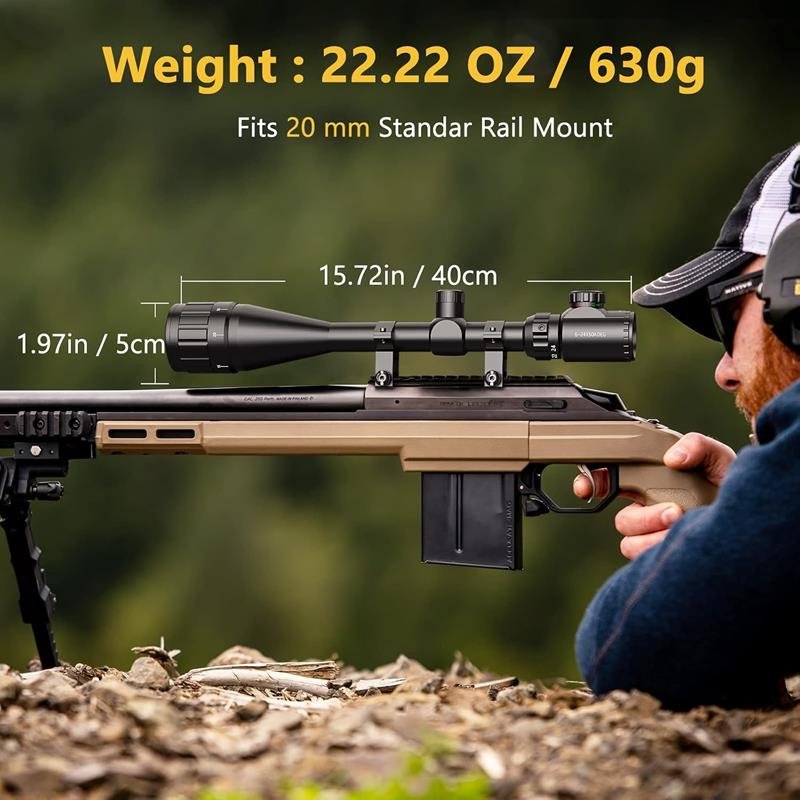
Choosing the right rifle scope means knowing what features matter most. Each feature affects how well you see and aim at your target. Understanding these features helps you pick a scope that fits your needs. Focus on five key features that impact your shooting experience and accuracy.
Exclusive Deals
Limited-time Exclusive Deals. Check current discount on Amazon.
Check Price on Amazon As an Amazon Associate I earn from qualifying purchases.Magnification Power
Magnification shows how much closer the target appears. Higher magnification helps see distant targets clearly. Lower magnification gives a wider view and is good for close range. Choose magnification based on the distance you usually shoot.
Objective Lens Size
The objective lens is the front glass of the scope. Larger lenses let in more light, making images brighter. Bright images help in low light conditions like dawn or dusk. Keep in mind, bigger lenses add weight to your rifle.
Reticle Types
The reticle is the crosshair or aiming point inside the scope. Simple crosshairs work well for general use. Some reticles have extra marks to help with distance and wind. Pick a reticle that is easy for you to see and use.
Eye Relief
Eye relief is the distance from the scope to your eye. It keeps your eye safe from recoil. Longer eye relief is better for high-recoil rifles. Make sure your eye can stay at a comfortable distance when aiming.
Exclusive Deals
Limited-time Exclusive Deals. Check current discount on Amazon.
Check Price on Amazon As an Amazon Associate I earn from qualifying purchases.Field Of View
Field of view shows how wide the area looks through the scope. A wide field of view helps spot moving targets. Narrow views zoom in but show less of the surroundings. Balance field of view with magnification for your shooting style.
Matching Scope To Rifle And Purpose
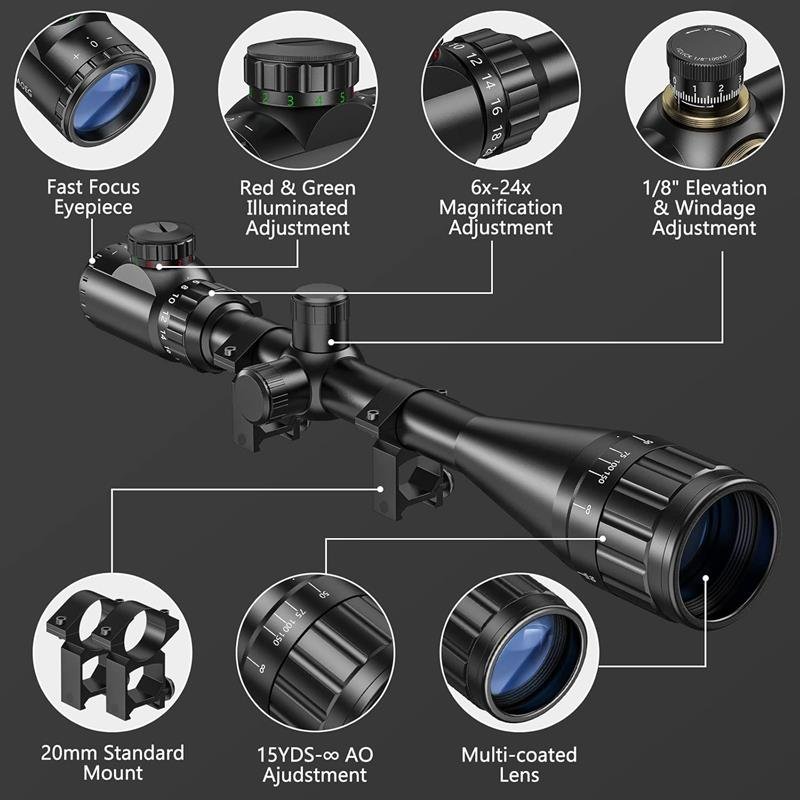
Choosing the right rifle scope depends on the rifle type and its use. A scope that suits one purpose may not work well for another. Matching your scope to your rifle and shooting needs ensures better accuracy and comfort. Focus on what you need from your scope. Consider the environment and distance you will shoot. This helps to pick the right features and magnification.
Hunting Scopes
Hunting scopes need clear views and quick target acquisition. They usually have moderate magnification for close to mid-range shots. Bright and wide lenses help in low light conditions like dawn or dusk. Durable and weatherproof designs protect against rough outdoors. Simple reticles work well for fast aiming. Lightweight scopes help keep your rifle balanced during long hunts.
Exclusive Deals
Limited-time Exclusive Deals. Check current discount on Amazon.
Check Price on Amazon As an Amazon Associate I earn from qualifying purchases.Tactical Scopes
Tactical scopes are built for precision and speed in tough situations. They often have variable magnification for different distances. Reticles with range marks assist in quick adjustments. Strong construction resists shocks and harsh weather. Adjustable turrets allow precise windage and elevation changes. These scopes suit law enforcement and competitive shooters.
Long-range Scopes
Long-range scopes focus on sharp images and high magnification. They offer clear details at far distances. Large objective lenses gather more light for a bright sight picture. Complex reticles with holdover points help with bullet drop and wind. Sturdy and heavy scopes support stable shooting from benches or rests. Ideal for target shooting and long-distance hunting.
Air Rifle Scopes
Air rifle scopes match the unique needs of airguns. Lower magnification works best because air rifles shoot at shorter ranges. Scopes must handle less recoil but still offer good clarity. Lightweight and compact designs keep the air rifle balanced. Simple reticles help with quick aiming and target tracking. These scopes improve accuracy for plinking and small game hunting.
Durability And Build Quality
Durability and build quality are key for a reliable rifle scope. A scope must withstand harsh outdoor conditions and rough handling. Poor build quality can cause problems during use, such as losing zero or lens damage. Choosing a scope with strong construction ensures it lasts longer and works well every time. Focus on features that protect the scope from water, shocks, and wear.
Waterproof And Fogproof
A waterproof scope keeps moisture out in rain or wet environments. This prevents damage inside the scope. Fogproof scopes use special gas inside to stop fog from forming on lenses. This helps maintain a clear sight picture in cold or humid conditions. Both features are vital for reliable vision in all weather.
Shock Resistance
Rifle scopes face recoil and hard knocks during use. A shock-resistant scope absorbs impacts and stays accurate. It prevents internal parts from shifting or breaking. Look for scopes tested for strong recoil and rough handling. Shock resistance protects your investment and keeps your shots true.
Material And Finish
High-quality materials add strength and reduce weight. Aluminum is common for its durability and lightness. Some scopes use aircraft-grade aluminum for extra toughness. The finish protects the scope from scratches and rust. A good finish also reduces glare, helping with stealth. Check for durable coatings that last outdoors.
Adjustments And Calibration
Adjustments and calibration are key for accurate shooting. A rifle scope must be set correctly to hit the target. Small changes in settings can make a big difference. Understanding these adjustments helps you shoot better and faster.
Windage And Elevation
Windage adjusts the scope left or right. It helps correct for wind or aiming errors. Elevation moves the point of impact up or down. Both controls let you match the scope to your target’s position. These adjustments are usually marked with clicks. Each click moves the impact a small, known distance.
Parallax Adjustment
Parallax means the reticle and target are not on the same plane. It causes the target to shift when you move your eye. Parallax adjustment fixes this problem. It improves focus and accuracy at different distances. Many scopes have a side knob or adjustable objective for this setting.
Zeroing The Scope
Zeroing means setting the scope to hit the exact point you aim at. Start at a close range, like 25 yards. Fire a few shots to see where bullets hit. Adjust windage and elevation until the group centers on the target. Check zero at longer distances for better accuracy. Zeroing ensures your shots land where you want.
Budget And Rifle Scope Brand Considerations
Choosing the right rifle scope involves balancing budget and brand. Your budget sets limits on features and quality. Brands can offer trust and reliability. Both affect your shooting experience and satisfaction.
Spend wisely. A good scope fits your needs and wallet. Recognize what matters most. Quality glass, durability, and ease of use often cost more. Lesser-known brands may offer value but carry risk.
Affordable Options
Affordable scopes work well for beginners and casual shooters. They provide basic features without high costs. Look for clear lenses and steady mounting. Avoid scopes with many extras that raise prices unnecessarily. Affordable does not mean poor quality if chosen carefully.
Premium Models
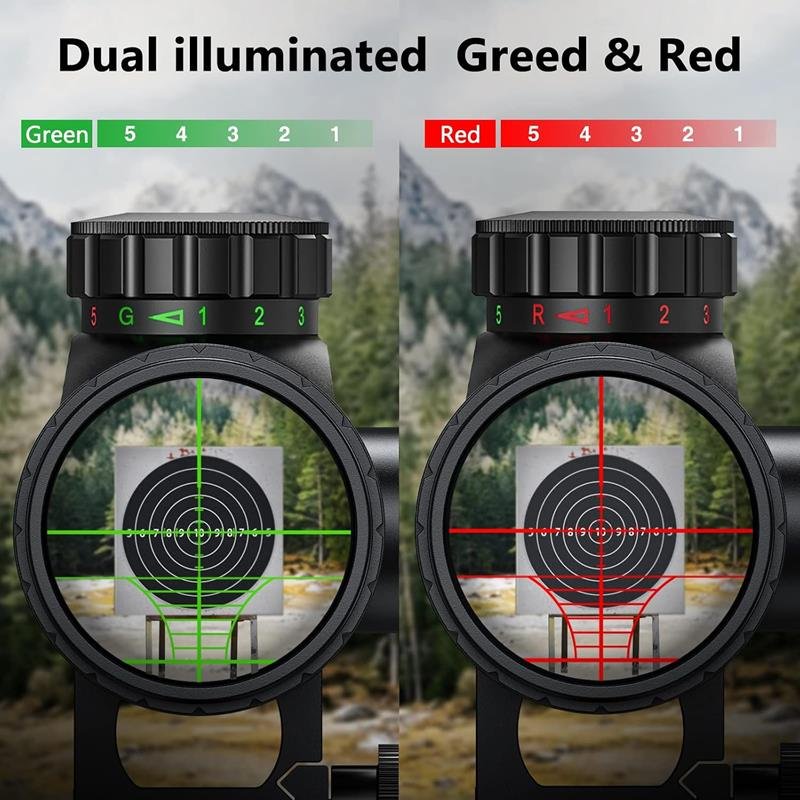
Premium scopes offer sharper images and better durability. They include advanced features like variable zoom and illuminated reticles. These scopes suit serious hunters and competitive shooters. Expect higher prices but better performance and longevity. The investment can improve accuracy significantly.
Reputable Brands
Choose brands known for quality and support. Reputable brands test their products extensively. They provide warranties and customer service. This ensures reliability and peace of mind. Research brand history and user reviews before buying. Trusted brands often deliver consistent performance.
Additional Accessories
Choosing the right rifle scope is not just about the scope itself. Additional accessories play a key role in improving accuracy and protecting your equipment. These add-ons help you get the most out of your shooting experience.
Mounts And Rings
Mounts and rings attach the scope to your rifle. They must fit well to keep the scope steady. A loose mount can cause poor accuracy. Choose mounts made from strong materials like steel or aluminum. Make sure they match your rifle and scope size.
Lens Covers
Lens covers protect the glass from dirt, dust, and scratches. They keep the lenses clean and clear. Using covers helps maintain the scope’s performance. Look for covers that are easy to open and close quickly. Soft rubber or flip-up styles work well.
Scope Levels
Scope levels help keep your rifle steady and level while aiming. This improves shot accuracy, especially at long distances. Small bubble levels attach to the scope or mount. They are simple to use and very effective for stable shooting.
Frequently Asked Questions
What Factors Should I Consider When Choosing A Rifle Scope?
Consider magnification, objective lens size, reticle type, and eye relief. These affect clarity, range, and comfort during shooting.
How Does Magnification Affect Rifle Scope Performance?
Higher magnification improves target detail but narrows the field of view. Choose based on shooting distance and environment.
What Is The Best Reticle For Hunting Rifles?
A duplex reticle is versatile and easy to use. It suits most hunting situations and enhances quick target acquisition.
How Important Is Eye Relief In A Rifle Scope?
Eye relief protects your eye from recoil and ensures a full view. Longer eye relief is safer for high-recoil rifles.
Conclusion
Choosing the right rifle scope takes time and thought. Focus on your shooting needs first. Consider factors like magnification, clarity, and durability. Test different scopes to find what feels best. Remember, a good scope helps improve aim and confidence. Take your time, and choose wisely.
Your right scope makes every shot count.