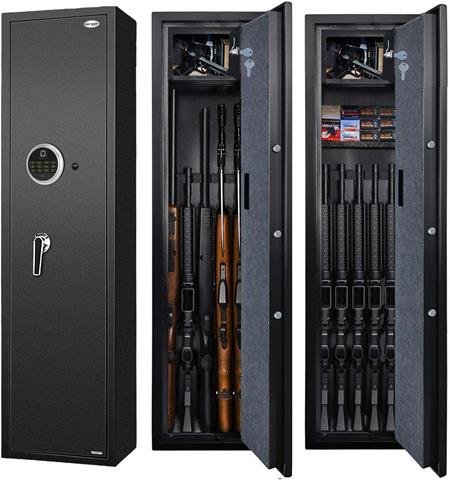
Store ammo in a cool, dry place around 55–75°F with stable humidity.
Exclusive Deals
Limited-time Exclusive Deals. Check current discount on Amazon.
Check Price on Amazon As an Amazon Associate I earn from qualifying purchases.If you want your ammunition to last for decades, temperature control is key. In this guide, I share what professionals, reloaders, and I use day to day. We will answer What is the best temperature for ammo storage? with clear ranges, simple checklists, and real tips that work in homes, safes, and vehicles.
Why temperature matters
Heat speeds up chemical breakdown in powder and primers. Cold by itself is not a big issue, but big swings cause trouble. Moisture is the silent partner that makes both worse. That is why people ask What is the best temperature for ammo storage? before they buy their first case.

The best temperature for ammo storage
The ideal range is 55–75°F with 30–50 percent relative humidity. This is the sweet spot used by many manufacturers and armories. It fights corrosion and slows chemical aging. It is also easy to hold inside most homes.
A broader safe range is 40–90°F if the humidity is controlled and swings are small. Short trips outside that range will not ruin good ammo. The real risk is long, hot storage. Think weeks above 100°F or a car trunk in summer.
Exclusive Deals
Limited-time Exclusive Deals. Check current discount on Amazon.
Check Price on Amazon As an Amazon Associate I earn from qualifying purchases.If you ask What is the best temperature for ammo storage?, here is the simple rule I use. Keep it as cool and dry as you keep your family photos. If a room is good for paper and batteries, it is good for cartridges. What is the best temperature for ammo storage? It is the same steady, indoor comfort you enjoy.
Temperature, humidity, and stability
Temperature and humidity work together. Warm, damp air drives rust and can foul primers. Cool, dry air protects cases, bullets, and powder. Use a small digital temp and humidity gauge inside the cabinet.
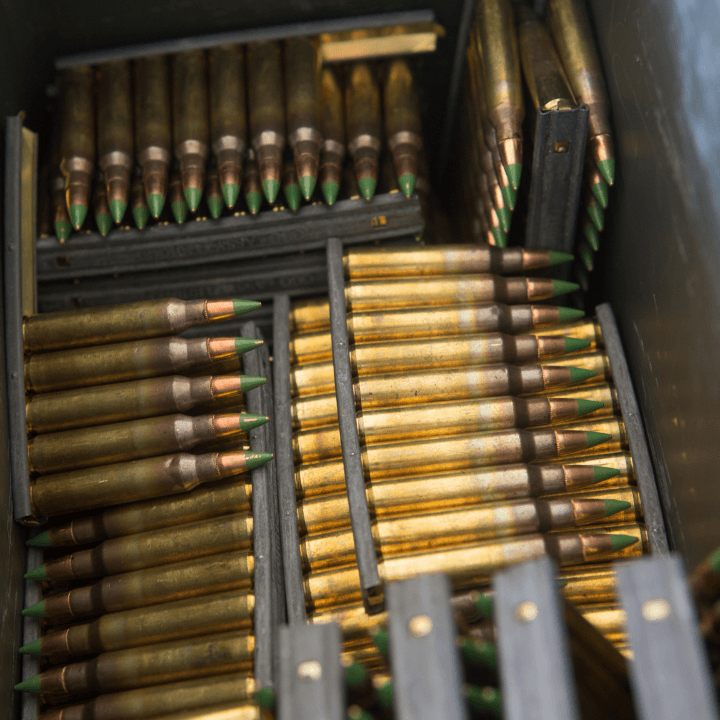
To keep control, use sealed ammo cans with good gaskets. Add silica gel until the gauge sits near 30–50 percent RH. Regenerate the desiccant on a regular cycle. This setup supports What is the best temperature for ammo storage? in real life.
Avoid heat and big swings
Constant heat cooks ammo over time. Rapid swings pull moisture in and out of containers. Both cut shelf life. Do not store ammo near heaters, water heaters, laundry dryers, or windows.
Skip the attic and most garages. They can hit 120–150°F in summer and freeze in winter. That is far from What is the best temperature for ammo storage? you want. A bedroom closet or interior safe stays far more stable.
Exclusive Deals
Limited-time Exclusive Deals. Check current discount on Amazon.
Check Price on Amazon As an Amazon Associate I earn from qualifying purchases.
Practical storage setups
You do not need a fancy room. You need a stable one.
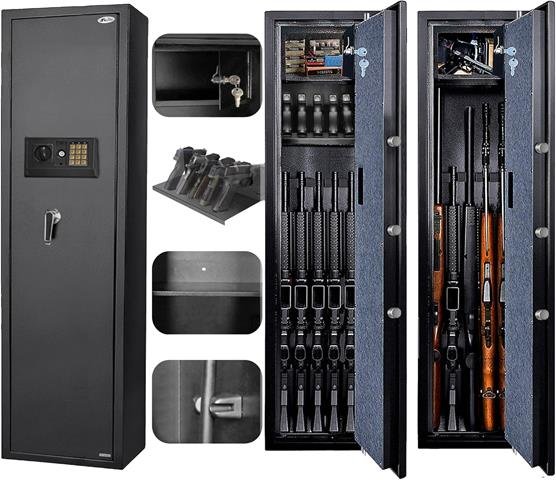
- Use a steel cabinet or safe in a main floor room.
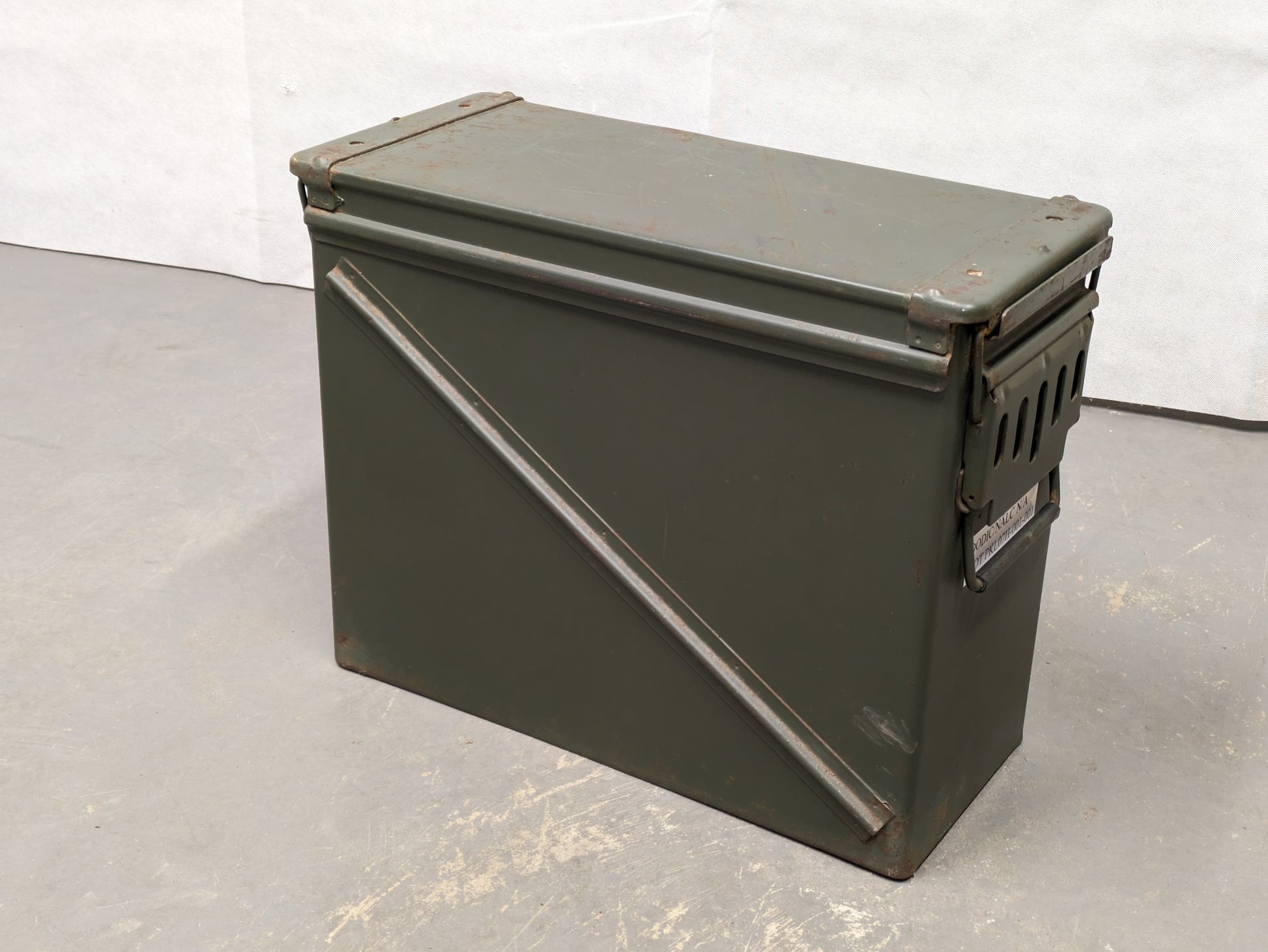
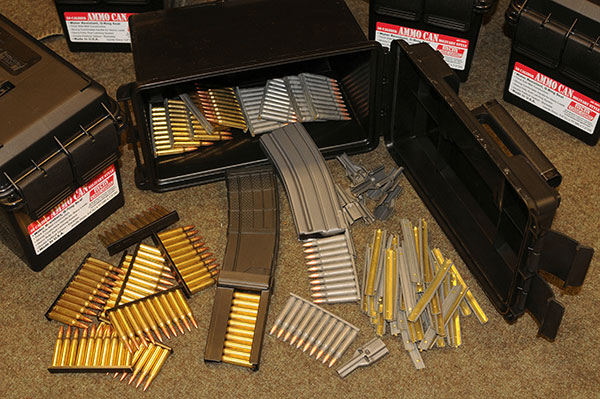
- Place ammo in military cans or polymer boxes with gaskets.
- Add color cards or digital meters to track humidity.
- Label lots and dates on the outside for easy rotation.
Vehicle carry is tricky. Cars in the sun can pass 130°F. If you must keep a small amount in a vehicle, place it in an insulated case and park in shade. Bring it inside at day’s end. That keeps you closer to What is the best temperature for ammo storage? while on the go.
Long-term storage and rotation
Modern factory ammo lasts decades when stored well. I keep a simple log for each lot. I also rotate stock like pantry food.
- Shoot older lots first and replace with new.
- Inspect boxes every few months.
- Refresh desiccant on a set schedule.
What is the best temperature for ammo storage? It is the one you can hold year round without drama. Simple habits beat fancy gear.
Common mistakes and myths
Hot garages are the number one mistake I see. Long heat ages powder and dries sealants. Sealed cans help, but they are not magic in high heat.
Another myth is that freezing ruins ammo. Frozen air is dry, so corrosion is low. The risk is condensation when you bring cold ammo into warm, humid rooms. Let sealed cans warm to room temp before opening. What is the best temperature for ammo storage? The one that avoids those swings.
How to check for damage
Look with your eyes and nose first. Tarnish that wipes off is normal. Green crust, pitting, or sour chemical smells are not. Pull any bad rounds from service.
At the range, watch for hard ignition, weak recoil, or odd smoke. Stop if you see pressure signs. If heat or age may be the cause, retire that lot. This is how I keep confidence high while living the rules behind What is the best temperature for ammo storage?
Frequently Asked Questions of What is the best temperature for ammo storage?
Is 100°F too hot for stored ammo?
Short spikes near 100°F are usually fine. Weeks at that temp can speed aging, so move ammo to a cooler room.
Can I store ammo in a garage or attic?
It is not ideal due to heat and swings. If you must, use insulated containers and monitor humidity, but plan to relocate.
Does cold weather hurt ammo in storage?
Cold itself is not harmful if ammo stays dry. Avoid fast warm ups that cause condensation inside boxes.
How long will ammo last in ideal conditions?
Decades is common with factory ammo stored at 55–75°F and 30–50 percent RH. Rotate and inspect to be sure.
Are vacuum bags or plastic wrap a good idea?
They can trap moisture if used wrong. Sealed ammo cans with fresh desiccant and a humidity gauge are safer.
Will desiccant packs rust brass or primers?
No, desiccant removes moisture from air. Keep packs from direct contact with bare metal and replace as needed.
What thermometer or gauge should I use?
Use a small digital temp and RH meter in the container or safe. Check it when you open the door and log the readings.
Conclusion
Keep your ammo cool, dry, and steady, and it will serve you for years. Aim for 55–75°F and 30–50 percent humidity, avoid big swings, and store in sealed cans with simple monitoring. Small habits pay off in safety, reliability, and peace of mind.
Put a gauge in your safe today and set a reminder to refresh desiccant. Want more guides like this? Subscribe for new tips, ask a question, or share your setup in the comments.