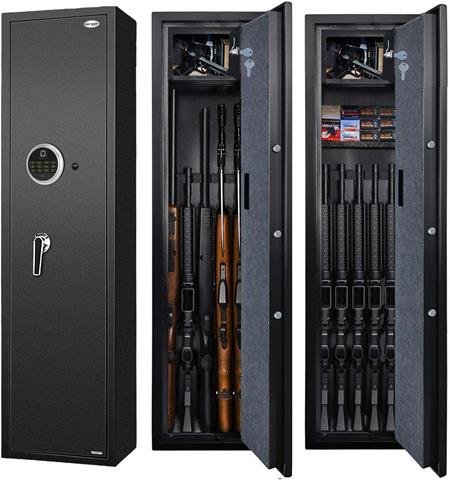
Store ammunition in a cool, dry, locked interior closet or cabinet, away from heat.
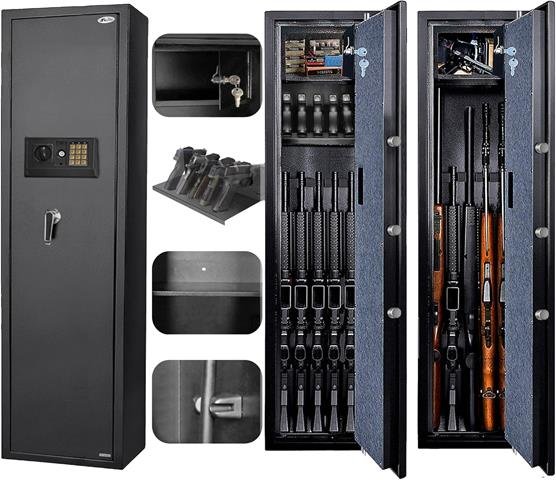
Exclusive Deals
Limited-time Exclusive Deals. Check current discount on Amazon.
Check Price on Amazon As an Amazon Associate I earn from qualifying purchases.If you have ever asked, What is the safest place to store ammo in a house?, you’re in the right place. I’ve set up secure storage for homes, taught new owners, and stress-tested different options over the years. This guide turns complex advice into simple steps, so you can protect your family, your home, and your gear with confidence.
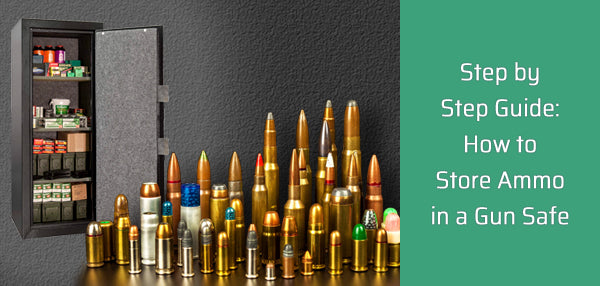
The essentials of safe ammo storage at home
What is the safest place to store ammo in a house? It starts with the environment. Ammo lasts longer and stays safer in a space that is cool, dry, and stable. Keep temperature steady and humidity low to avoid corrosion.
Think of it like storing dry pantry goods. Darkness helps, dryness helps more, and stable space helps the most. Add a lock, and you solve access risk too. That combo is the core of safe ammo storage.
Aim for relative humidity around 30 to 50 percent. Keep it away from heat, flames, and anything with a motor or pilot light. Then add physical security so kids and guests cannot reach it.
Exclusive Deals
Limited-time Exclusive Deals. Check current discount on Amazon.
Check Price on Amazon As an Amazon Associate I earn from qualifying purchases.
Best places in a house to store ammunition
What is the safest place to store ammo in a house? Choose the spot that meets the safety rules with the least effort. These locations work well in most homes.
- Interior hallway closet on the main floor. It is cool, dark, and stable. Add a lockable cabinet, and you are set.
- Lockable steel cabinet in a climate-controlled room. A home office or spare room works well. Anchor the cabinet to studs for security.
- Dry basement with a dehumidifier. Raise ammo off the floor. Use a humidity sensor to keep it at 30 to 50 percent.
- Bedroom closet top shelf in a locked container. This is a good fallback if space is tight. Keep it away from electronics and heat vents.
Avoid these spots because they swing in heat and humidity or add fire risk:
- Garage or shed. Big temperature swings and extra moisture.
- Attic. Extreme heat and poor access.
- Kitchen or laundry room. Heat, steam, and ignition sources.
- Near water heaters, furnaces, or breaker panels. Heat and fire hazards.
The right containers and accessories
What is the safest place to store ammo in a house? The location matters, but the container seals the deal. Good storage keeps moisture out and keeps access controlled.
Solid picks that work:
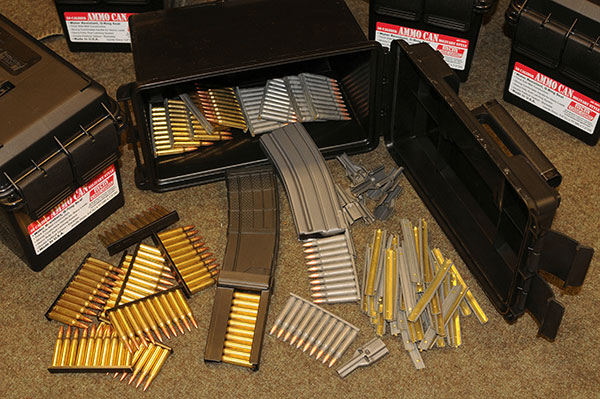
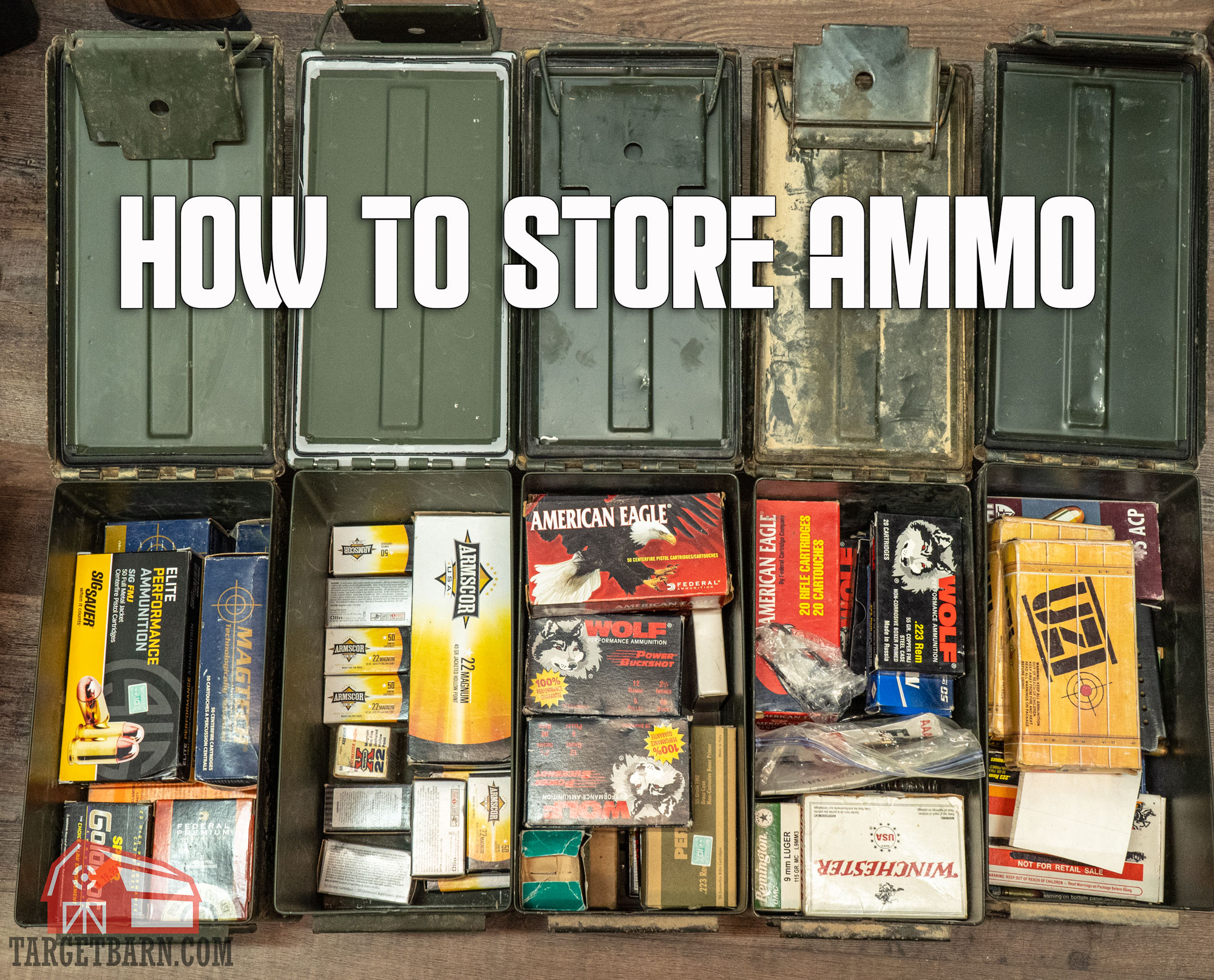
- Metal ammo cans with intact gaskets. They seal well and are made for ammo. Inspect gaskets and latches.
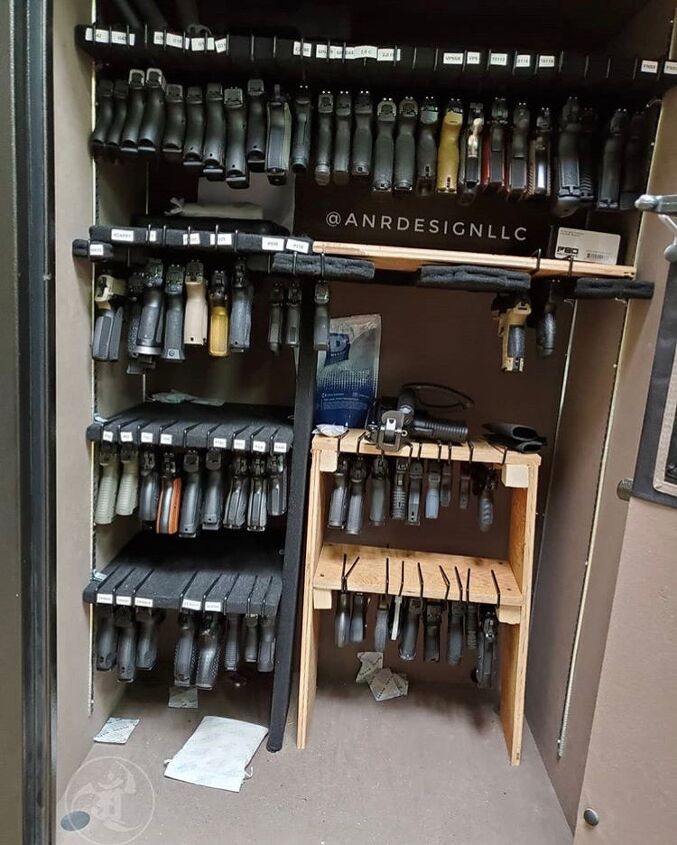
- Lockable steel cabinets. These add security and help organize. Use shelves and bins to avoid crushing boxes.
- Desiccant packs or a small dehumidifier. Rechargeable silica gel is easy to use. Place one in each container or shelf area.
- Hygrometer to monitor humidity. A small digital sensor is cheap and accurate. Check it monthly.
- Original factory boxes. They protect primers and reduce dings. Avoid loose mixed rounds in jars or bags.
Simple tip I use at home. Label each container by caliber, bullet type, and purchase date. It speeds up use and keeps your inventory clean.
Exclusive Deals
Limited-time Exclusive Deals. Check current discount on Amazon.
Check Price on Amazon As an Amazon Associate I earn from qualifying purchases.
Fire safety and risk management
What is the safest place to store ammo in a house? Any plan should also think about fire. Modern ammo will cook off in a fire, but it does not explode like a bomb. Still, you want to reduce risk.
Practical steps that help:
- Keep ammo away from open flames, heaters, dryers, and stoves. Distance is your friend.
- Do not stack heavy boxes high. In a fire, falling containers can make things worse.
- Store smokeless powder and primers in their original containers and apart from ammo. Give them space to vent. Do not cram them into a tight safe.
- If a fire starts, leave the area and let professionals handle it. Do not try to move hot ammo.
If you keep large amounts, spread storage across a couple of cabinets or closets. This limits risk in one spot and helps with organization.
Legal and ethical responsibilities
What is the safest place to store ammo in a house? The best answer always follows the law and protects people first. Know your local rules on storage and child access.
Good practices that meet most rules:
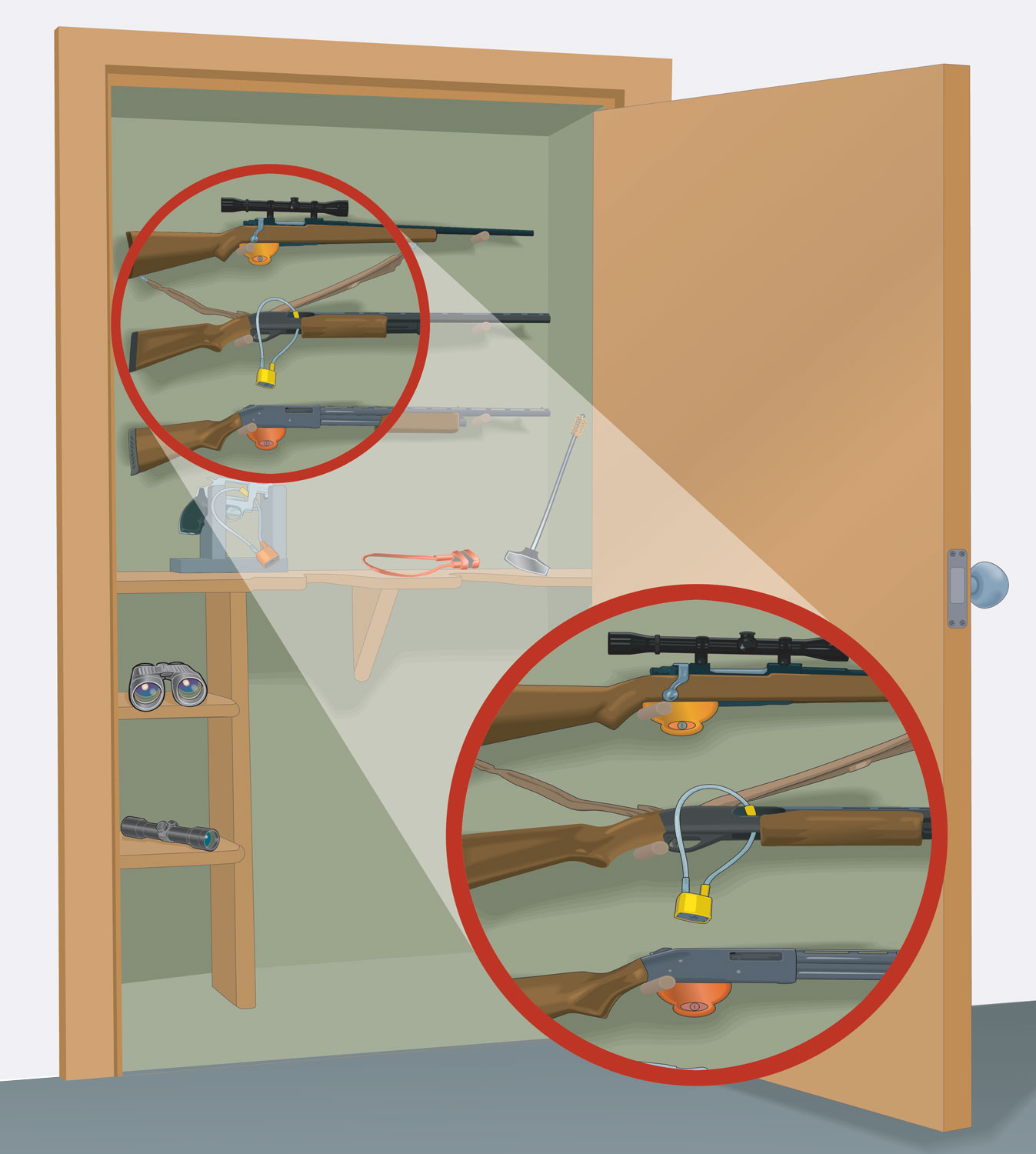
- Keep ammo in a locked container if children or guests are present.
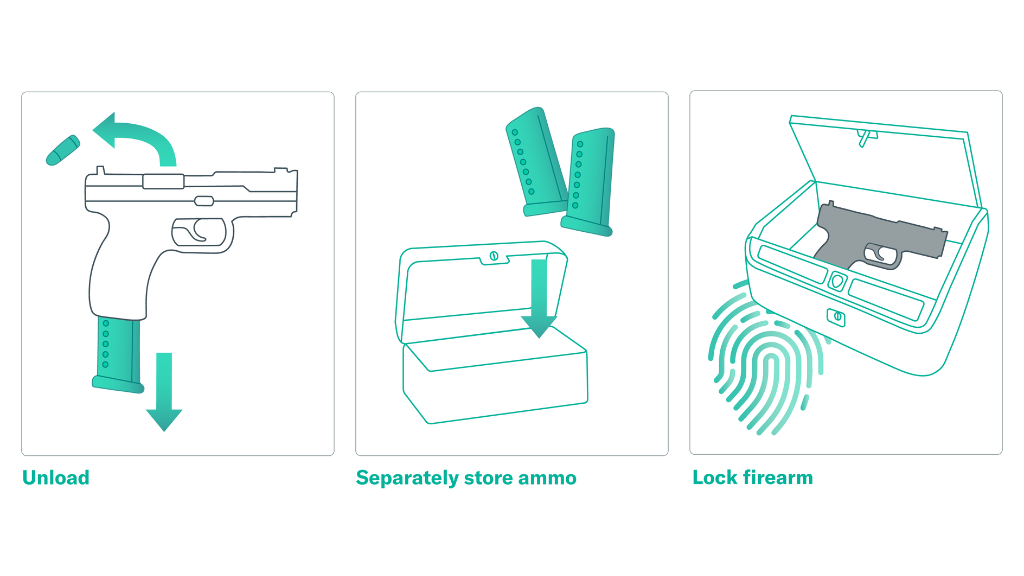
- Store firearms and ammo separately unless your local rules say otherwise.
- Follow manufacturer guidance for temperature and moisture.
If you rent, be a good neighbor. Keep storage discreet and secure. Make sure your insurance covers losses from water or fire.
A simple step-by-step setup you can copy
What is the safest place to store ammo in a house? Use this quick plan to build a safe, clean system in an afternoon.
- Pick the location. Choose an interior closet on the main floor or a dry basement space.
- Add a lockable cabinet. Anchor it to studs. Keep it off exterior walls if you can.
- Choose containers. Use gasketed ammo cans and factory boxes. Avoid loose bulk in random bins.
- Control moisture. Add silica gel and a hygrometer. Aim for 30 to 50 percent humidity.
- Organize and label. Mark by caliber, grain, use case, and date. Keep a small log.
- Separate hazards. Store powder and primers on a different shelf or cabinet.
- Review monthly. Check humidity, inspect gaskets, and look for corrosion.
Common mistakes and how to fix them
What is the safest place to store ammo in a house? Often, it is anywhere that avoids these common errors. Fixing them is easy.
- Storing in the garage. Move ammo to an interior closet and add silica gel.
- Keeping it near heat or power gear. Shift it at least one room away from heaters and panels.
- Loose rounds in mixed bins. Return rounds to boxes. Label by caliber to prevent mix-ups.
- No humidity control. Add a hygrometer and desiccant. Recharge or replace regularly.
- Overloading a top shelf. Distribute weight across shelves or add floor-level storage in a cabinet.
Real-world example and lessons learned
What is the safest place to store ammo in a house? Here is the setup I use after many trials. It balances access, safety, and longevity.
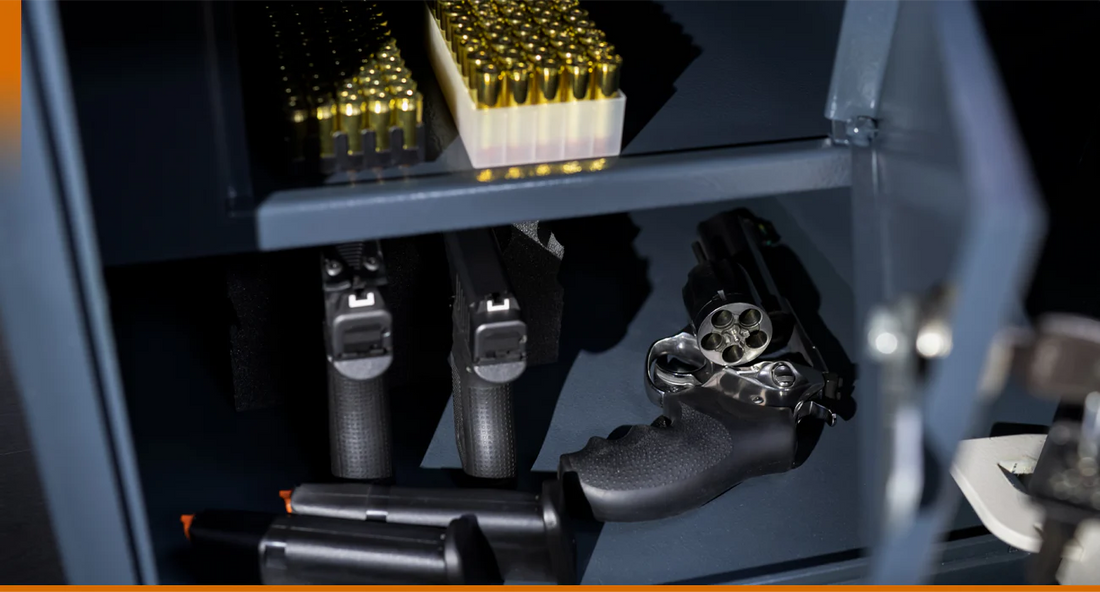
I keep ammo in a steel cabinet inside an interior hallway closet. The cabinet is anchored, with two shelves and labeled ammo cans. A hygrometer sits on the middle shelf. Silica gel packs go in each can. Humidity holds at about 40 percent year-round.
The big lesson. Stability beats everything. Once I moved from a garage shelf to an interior closet, corrosion stopped. Organization improved. And yes, the peace of mind is real.
Maintenance, inspection, and rotation
What is the safest place to store ammo in a house? It is also the one you check and maintain. A five-minute routine pays off.
- Inspect monthly. Check humidity, look for rust on cans, and scan for dings or tarnish.
- Rotate stock. Use older lots first. Keep a simple log to track dates.
- Refresh desiccant. Recharge silica gel when the indicator changes color.
- Clean the space. Dust shelves. Make sure vents and doors open cleanly.
- Dispose of bad rounds safely. If a round looks damaged, set it aside for proper disposal per local guidance.
Frequently Asked Questions of What is the safest place to store ammo in a house?
Is it safe to store ammo in a gun safe?
Yes, if the safe is in a cool, dry, climate-controlled room. Use desiccant and monitor humidity to prevent corrosion.
Can I store loaded magazines?
Yes, loaded magazines are fine in most cases. Keep them in a locked container, and follow local laws and manufacturer guidance.
What humidity is best for ammo storage?
Aim for 30 to 50 percent relative humidity. Use silica gel and a hygrometer to maintain that range.
Is the garage ever okay for ammo?
Usually not due to heat and moisture swings. An interior closet or a dry basement with control is much safer.
How long does ammo last in proper storage?
Many rounds last decades if kept cool, dry, and stable. Factory boxes and sealed cans help preserve primers and powder.
Should ammo be stored near firearms?
Store separately to reduce risk and follow child access rules. Quick-access setups should still comply with local laws.
What is the safest place to store ammo in a house if I have kids?
Use a locked cabinet in an interior closet. Keep the key or code secured, and teach safety rules as age-appropriate.
Conclusion
Safe ammo storage is simple when you focus on environment, access, and fire safety. A cool, dry, locked interior space with good containers and humidity control answers the question most people ask: What is the safest place to store ammo in a house? Set it up once, check it monthly, and your ammo will be ready when you need it.
Take a few minutes today to pick your spot, add a lock, and drop in a hygrometer. Want more checklists and gear tips? Subscribe for updates or leave a comment with your setup and questions.