
Seal it tight, add desiccant, keep it cool, dry, and stable.

Exclusive Deals
Limited-time Exclusive Deals. Check current discount on Amazon.
Check Price on Amazon As an Amazon Associate I earn from qualifying purchases.If you want to know how to protect ammo from moisture, you are in the right place. I have stored ammo in basements, closets, trucks, and damp coastal areas. I will show you how to protect ammo from moisture with simple steps, real test notes, and pro tips that work in the field and at home. Stay with me, and you will learn what matters and what does not.

Why moisture is the enemy of ammunition
Moisture attacks ammo in quiet ways. It corrodes brass and steel. It can creep into primers and kill the spark. It can also clump powder and change burn rates.
Most loaders aim for a storage humidity under 50% RH. I have seen issues start when RH sits above 60% for weeks. Heat swings make it worse due to condensation. If you care about how to protect ammo from moisture, keep it dry and stable.
Even light tarnish is not the end. Deep pitting, green crust, or primer rust is different. That is a sign the round may fail. Proper storage stops this early.
Exclusive Deals
Limited-time Exclusive Deals. Check current discount on Amazon.
Check Price on Amazon As an Amazon Associate I earn from qualifying purchases.Core principles: temperature, humidity, and time
Dry beats warm. Stable beats swings. For most homes, 55–75°F and 30–50% RH is a sweet spot. Avoid big day and night changes.
Condensation is the trap. Warm damp air meets a cool ammo can and water forms inside. Bring sealed cans to room temp before opening. This small habit is key to how to protect ammo from moisture.
Use these simple goals:
- Keep RH under 50% inside storage.
- Avoid garages and sheds with big swings.
- Store off concrete floors on a shelf or pallet.
- Keep away from solvents, bleach, and fertilizers.

Containers that work: from mil cans to polymer cases
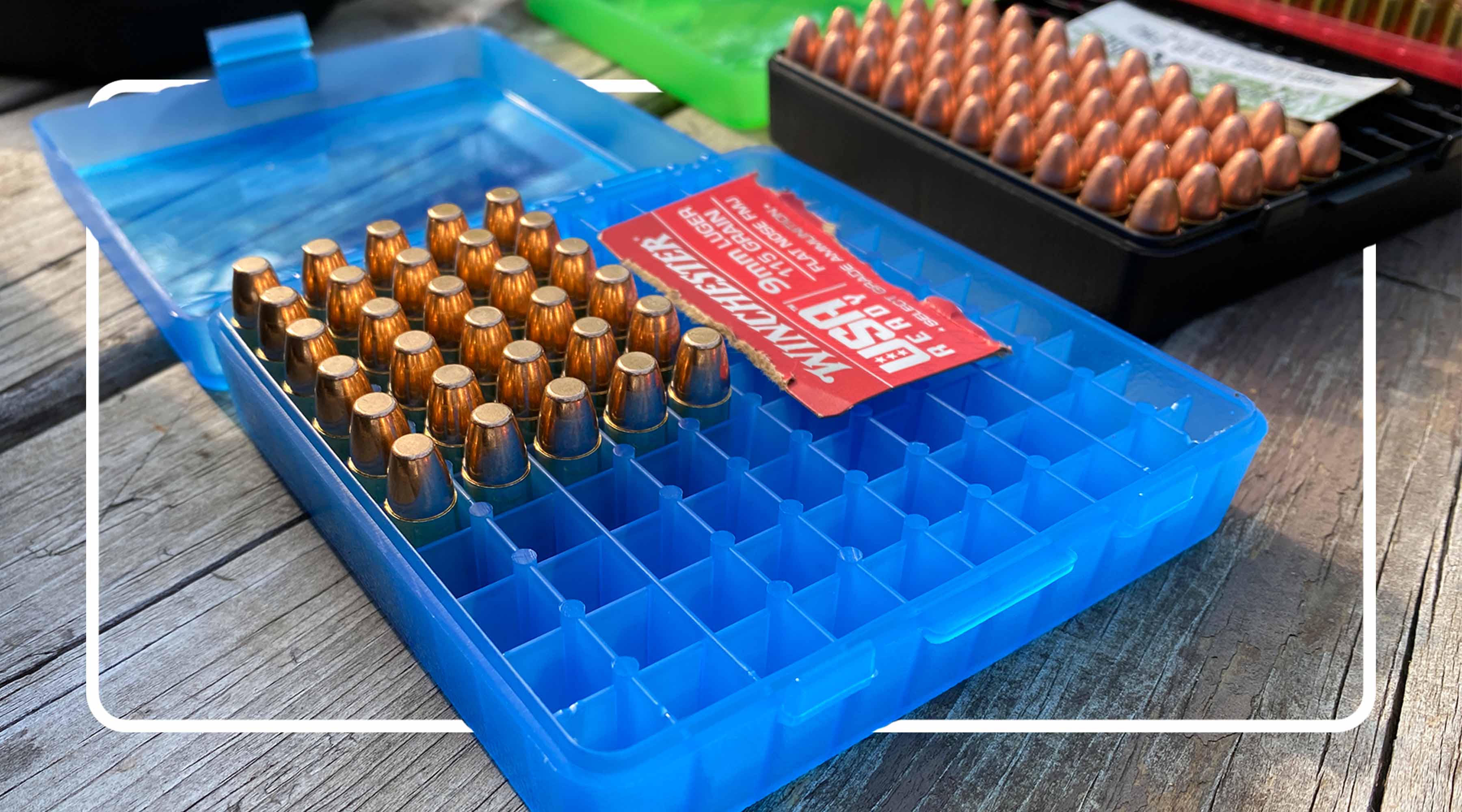
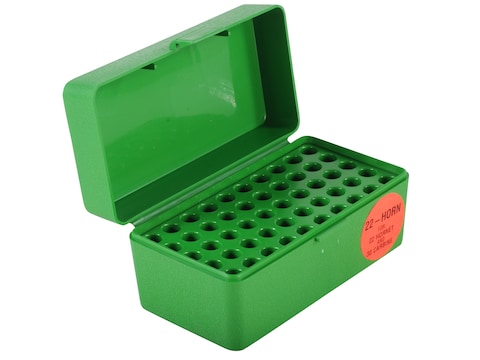
Good containers make how to protect ammo from moisture much easier. USGI steel ammo cans with intact rubber gaskets seal very well. Quality polymer ammo cases with gasket lids also work. So do airtight dry boxes.
Check the seal. Close the latch on a thin paper strip. If you can pull it out with no drag, the seal is weak. I swap old gaskets and clean the lip with alcohol. I have cans from a hurricane season that stayed bone dry due to this one habit.
Exclusive Deals
Limited-time Exclusive Deals. Check current discount on Amazon.
Check Price on Amazon As an Amazon Associate I earn from qualifying purchases.Tips that help:
- Load ammo in factory boxes or trays to avoid scuffs.
- Bag loose rounds in thick freezer bags inside the can.
- Leave a small air gap to avoid crushing boxes.
Desiccants and rust inhibitors: silica gel, molecular sieve, VCI
Desiccants are your best friend when you ask how to protect ammo from moisture. Use indicating silica gel or molecular sieve pouches. A simple rule: one “unit” of desiccant per cubic foot of container space. For a standard 30-cal can, 10–20 grams works well. For a 50-cal can, 20–40 grams is common.
Recharge silica gel in a warm oven per the label. I bake mine at a low setting until the beads turn back to the dry color. Vent the oven well and do not overheat. Replace any bag that leaks or tears.
VCI paper works inside metal cans. It slows rust on steel cases or mags. Oxygen absorbers are not needed and can be messy if they break. Use moisture control, not oxygen removal, for ammo care.
Best-practice storage setups for home
If you want a simple plan for how to protect ammo from moisture, use this setup. Pick a cool closet inside the home. Use sealed cans with fresh gaskets. Add desiccant and a small hygrometer.
Then do this:
- Wipe cases with a dry cloth before storage.
- Add one or two desiccant packs per can.
- Label each can with caliber, lot, and date.
- Rotate stock: first in, first out.
- Keep cans off floors on a shelf.
- In basements, run a room dehumidifier.
- Do not stack cans so high that lids warp.
- Keep ammo away from heat ducts and water pipes.
- Use VCI paper for steel-cased ammo or mags.
- Check RH in the can every few months.
Field carry and range days
Moisture control matters beyond the safe. Range bags see rain, sweat, and dust. When I head out, I keep ammo in a gasketed box with a small desiccant pack. I open it only when I load mags. This simple habit is a real step in how to protect ammo from moisture.
If ammo gets wet, wipe it dry and let it air dry for a day. Do not heat it on a radiator or in a hot car. Inspect primers and case mouths. Save any suspect rounds for practice, not for duty or hunting.
After a rainy range day, I open bags and cans indoors. I let them breathe for an hour, then seal them with fresh desiccant. It takes minutes and saves money and stress.

Monitoring: hygrometers, checklists, and rotation
You cannot fix what you do not track. A small digital hygrometer in your ammo cabinet is cheap and useful. Aim for 30–50% RH in the room. Inside cans, the desiccant should keep the microclimate dry.
Make a simple checklist. Note the date you recharged packs. Note the RH you see during the wet season. This habit cements how to protect ammo from moisture for the long term.
Use color-change cards or beads. When they turn, recharge or replace. Rotate cans on a schedule, and shoot the oldest lots first.
Special cases: coastal, high humidity, and long-term storage
Coastal living is hard on metal. Salt plus moisture is brutal. Double up on desiccant and VCI in those areas. Keep cans inside the living space, not a garage. That is the core of how to protect ammo from moisture by the sea.
For very damp homes, treat the room. Use a dehumidifier with a drain hose. Seal wall leaks and avoid storing near laundry areas. Small fixes prevent big problems.
For long-term storage, you can bag factory boxes in thick mylar with a small desiccant. Do not crush boxes with hard vacuum. Gentle squeeze is enough. Re-check yearly and keep lots labeled and organized.

Troubleshooting: spotting damage and what to do
Watch for green or blue film on brass. That is copper corrosion. Red or brown scale on steel is rust. White powder on aluminum is also a warning. If you see this, ask again how to protect ammo from moisture, then fix your setup.
Light tarnish is normal and often safe to shoot. Avoid oiling cartridges. Oil can creep into primers and kill them. Do not tumble live ammo. If a round looks bad or was submerged, dispose of it per local rules or ask a range for help.
If primers fail to fire, pull that lot from duty use. Check storage notes. Dry the cans, swap seals, and upgrade desiccant and VCI.
Frequently Asked Questions of How to protect ammo from moisture?
How dry should ammo storage be?
Aim for 30–50% relative humidity. Consistent, stable humidity matters more than chasing a perfect number.
Are ammo cans waterproof?
Quality cans with good gaskets are water resistant. They keep out most moisture, but you should still use desiccant inside.
Can I use rice instead of silica gel?
Rice absorbs some moisture but not enough. Use proper desiccant packs designed for sealed storage.
Is vacuum sealing ammo safe?
Gentle sealing with mylar is fine. Avoid strong vacuum that crushes boxes or stresses cartridges.
What if my ammo got rained on?
Dry it at room temp and inspect cases and primers. If in doubt, use for practice, not for critical use.
How often should I recharge desiccant?
Check indicator beads monthly in damp seasons. Recharge or replace when the color shows saturation.
Is a basement okay for ammo storage?
Yes, if you control humidity. Use sealed cans, desiccant, and a room dehumidifier.
Conclusion
Moisture ruins ammo slowly, then all at once. A tight seal, the right desiccant, and steady room air are the keys. When you master how to protect ammo from moisture, you save money, avoid misfires, and keep your gear ready.
Start small today. Check your cans, add a hygrometer, and recharge those packs. Share this guide, subscribe for more tips, and tell me what setup works best for you.