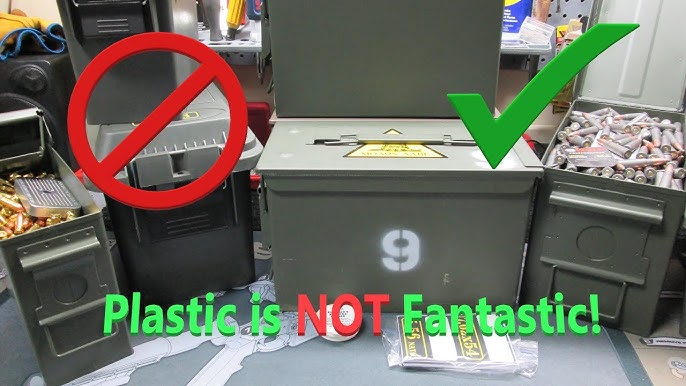
Metal ammo cans are stronger and stack better; plastic cans are lighter and won’t rust.
Exclusive Deals
Limited-time Exclusive Deals. Check current discount on Amazon.
Check Price on Amazon As an Amazon Associate I earn from qualifying purchases.If you store ammo, gear, or tools, this choice matters. I have used both for years at the range and at home. In this guide, I break down What is the difference between metal and plastic ammo cans? with clear facts, simple tests, and hard‑won tips so you can buy once and store right.
Key differences at a glance
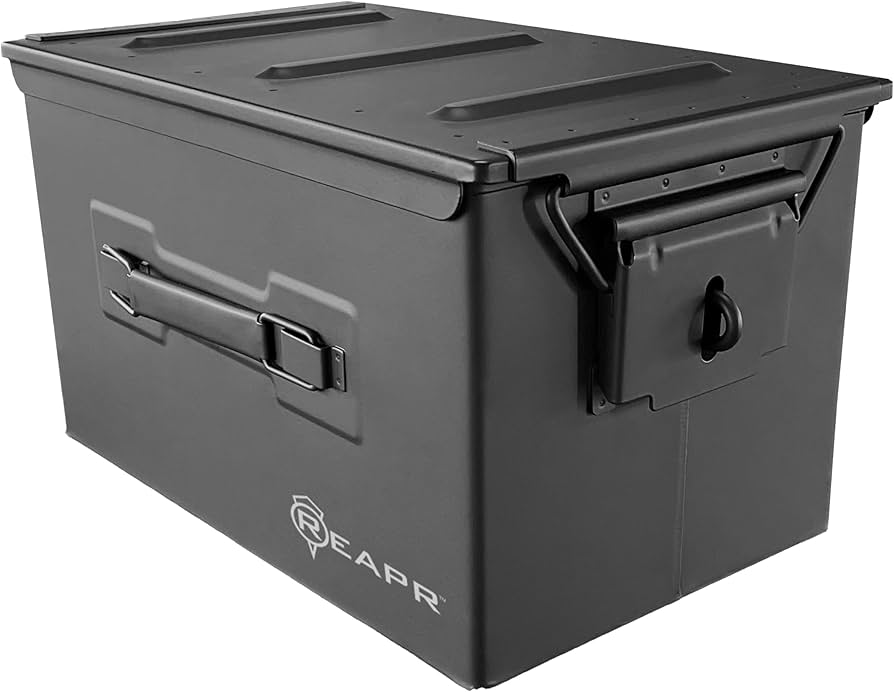
Metal cans use steel with a cam latch and a rubber gasket. Plastic cans use molded polymer with an O‑ring and snap latches. Both can be water resistant. Each shines in a different role.
- Strength and crush resistance: Metal wins for heavy loads and tight stacking.
- Rust and corrosion: Plastic wins since it does not rust.
- Weight and carry: Plastic is much lighter for the same size.
- Seal quality: Good in both, but metal latches clamp the gasket harder.
- Cost and value: Plastic is cheaper up front. Metal lasts longer with care.
If you ask What is the difference between metal and plastic ammo cans? the short answer is load and longevity versus weight and price.

Exclusive Deals
Limited-time Exclusive Deals. Check current discount on Amazon.
Check Price on Amazon As an Amazon Associate I earn from qualifying purchases.Material science that drives performance
Steel walls resist dents and hold shape under stress. That keeps the lid square and the seal even. It also lets cans stack high in a garage without bowing.
Plastic cans are usually HDPE or polypropylene. They shrug off moisture and many salts. But they can creep under long load, warp with heat, and get brittle in deep cold.
In my tests, steel M2A1 style cans kept their shape after drops. Plastic cans bounced well, but some lids no longer aligned after a hard corner hit. What is the difference between metal and plastic ammo cans? It starts with how steel versus polymer handles stress, heat, and time.

Seal and moisture control
Ammo hates moisture. Both cans use gaskets to keep water out. Metal cans use a compressive cam that locks the lid down tight. Plastic cans rely on snap latches. Some include dual latches for better seal pressure.
Exclusive Deals
Limited-time Exclusive Deals. Check current discount on Amazon.
Check Price on Amazon As an Amazon Associate I earn from qualifying purchases.Try this at home:
- Close a paper strip across the gasket and latch the lid. Try to pull the strip out. Hard pull means a tight seal.
- Submerge the can for one minute with dry paper towels inside. Check for leaks.
- Toss in a humidity card and a small desiccant. Monitor over a week.
I see fewer slow leaks in metal cans over long storage. Plastic seals are fine for short trips and light duty. What is the difference between metal and plastic ammo cans? Metal lids usually apply more even pressure to the gasket, which helps for long storage.

Durability, impact, and stacking
Metal tolerates rough use. Hinges and latches are stout. You can stack metal cans high. They lock in and carry weight with ease.
Plastic is tough but not rigid like steel. It handles drops well but can crack in very cold weather. UV can also age the material if left in sun for years.
I once dropped a plastic can from tailgate height on gravel at 20°F. The corner chipped and the latch deformed. A metal can in the same test only scuffed. What is the difference between metal and plastic ammo cans? Metal keeps form under abuse, which protects the seal and the contents.

Weight, carry comfort, and capacity
Similar size cans do not weigh the same. A typical steel 50‑cal style can weighs around 4 to 5 pounds empty. A plastic can of similar size can be 1.5 to 2.5 pounds.
- Range trips: Plastic saves your back if you carry far.
- Heavy loads like 9 mm bricks: Metal handles the weight and stacks better.
- Vehicle storage: Either works, but metal stays put and resists crush.
What is the difference between metal and plastic ammo cans? Weight is where you feel it first, especially on stairs or trails.

Weather and temperature performance
Heat softens plastics. Cold makes some plastics brittle. Steel handles temperature swings with less change in shape. In damp areas, steel can rust if paint chips. Plastic does not rust, but hardware can.
If you live by the coast, plastic can be a safe pick. Wipe the latch screws now and then. If your area sees deep freezes, metal keeps its edge. What is the difference between metal and plastic ammo cans? It shows when temps swing wide and storage gets rough.
Safety, fire behavior, and rules of use
A sealed steel can can hold pressure in a fire. If ammo cooks off, pressure may pop a lid and send it flying. Plastic can soften and vent faster, which reduces pressure but may not shield fragments as well.
Industry guidance says store ammo cool, dry, and away from open flame. Many groups suggest keeping powder and primers in original containers and in wood or vented storage. Always check your local fire code and range rules.
What is the difference between metal and plastic ammo cans? For fire behavior, metal can trap pressure, while plastic tends to vent by melting.

Cost and long‑term value
New metal cans often cost more than plastic. Surplus cans are a good value if gaskets are sound and rust is light. Over years, metal can be the cheaper pick if you need stackability and strength.
Plastic is cost effective for casual users and travel to the range. If one cracks, the replacement is cheap.
What is the difference between metal and plastic ammo cans? Upfront cost favors plastic. Lifetime value can favor metal if you store heavy or stack high.

Best use cases and recommendations
Here is how I match cans to tasks after years of use.
- Long‑term ammo storage at home: Metal, with fresh gasket and desiccant.
- Heavy bulk rounds or linked belts: Metal for strength and stacking.
- Range trips, light gear, or mixed tools: Plastic for low weight and cost.
- Marine or coastal storage: Plastic avoids rust. Add silica gel packs.
- Vehicle kits and emergency bins: Either, but metal resists crush in a trunk.
What is the difference between metal and plastic ammo cans? Pick by task, not hype. Match the can to the job and the environment.
Care and maintenance
Metal care is simple. Keep paint intact. Touch up chips. Light oil on hinge pins and latch. Check gaskets each season.
Plastic care is simpler. Keep out of direct sun when you can. Do not overload. Inspect latches and gasket seats for warp.
What is the difference between metal and plastic ammo cans? Metal needs rust care. Plastic needs load and UV care.
How to choose the right can for you
Use this quick path.
- Define the job. Long storage or short trips.
- Count the weight. If loads are heavy, lean metal.
- Check your space. If you stack high, choose metal.
- Think climate. Salt air and humidity favor plastic.
- Plan your budget. Start with plastic. Upgrade to metal for core storage.
What is the difference between metal and plastic ammo cans? Your needs make the real difference. Choose with intent, then buy once.
Simple tests before you trust a can
I test every new can before I trust it with primers or match ammo.
- Latch feel test: Close and open ten times. Look for steady clamp force.
- Seal test: Use a dollar bill or paper strip to check gasket clamp.
- Water test: Dunk for one minute. Inspect dry towels inside.
- Deform test: Stack two full cans on a third. Check the bottom can for lid fit.
These fast checks reveal weak latches, warped lids, or poor gaskets. What is the difference between metal and plastic ammo cans? These tests show it in minutes.
Common myths, clarified
Let’s clear up a few myths I hear at the range.
- All plastic cans leak. Not true. Good O‑rings and sound lids seal well for short and medium storage.
- Metal cans are always airtight. Not true. Old gaskets or bent lids can leak. Test them.
- Plastic is fragile. Not always. Quality HDPE holds up to daily use and drops.
- Metal cans stop all EMI. Only if you add a conductive gasket or tape. The stock rubber gasket breaks continuity.
- Plastic is always cheaper. Often yes, but premium plastic cans can cost as much as surplus steel.
What is the difference between metal and plastic ammo cans? It is not about brand myths. It is about use, seal, and care.
Frequently Asked Questions of What is the difference between metal and plastic ammo cans?
Are metal ammo cans more waterproof than plastic?
Both can be very water resistant if the gasket and latch are sound. Metal cam latches often compress the gasket more, which helps for long storage.
Will plastic ammo cans crack in cold weather?
Some plastics can get brittle below freezing. Quality HDPE holds up well, but avoid hard drops in deep cold.
Do metal cans rust inside?
They can if paint chips or moisture gets in. Use desiccant, inspect the interior, and touch up any bare spots.
Can I store ammo long term in plastic cans?
Yes, if the seal is tight and you add desiccant. Check the gasket each season and keep the can out of direct sun.
Are metal cans safer in a fire?
Metal protects from heat and fragments better but can build pressure. Plastic tends to melt and vent. Follow local fire codes and safe storage rules.
Do ammo cans make good tool boxes or electronics cases?
Yes. Metal handles heavy tools and stacking. Plastic is lighter and fine for electronics if you pad gear and control moisture.
Conclusion
You now know how these cans differ in build, seal, safety, and cost. Metal brings strength, stackability, and long life. Plastic brings low weight, no rust, and a friendly price.
Pick the right can for each job. Test the seal. Add desiccant. Check gaskets. Then store with confidence. If this helped, share it with a friend, subscribe for more gear guides, or drop a question below.