
Store ammo cool, dry, sealed, with desiccant and minimal handling and periodic checks.

Exclusive Deals
Limited-time Exclusive Deals. Check current discount on Amazon.
Check Price on Amazon As an Amazon Associate I earn from qualifying purchases.If you want a simple, proven plan for how to prevent corrosion on stored ammo, you’re in the right place. I’ve stored thousands of rounds across humid summers, icy winters, and a couple of cross-country moves. In this guide, I’ll share the core science, the exact setup I use, and what the data shows works best. Stick with me and you’ll learn how to prevent corrosion on stored ammo without guesswork, waste, or risk.
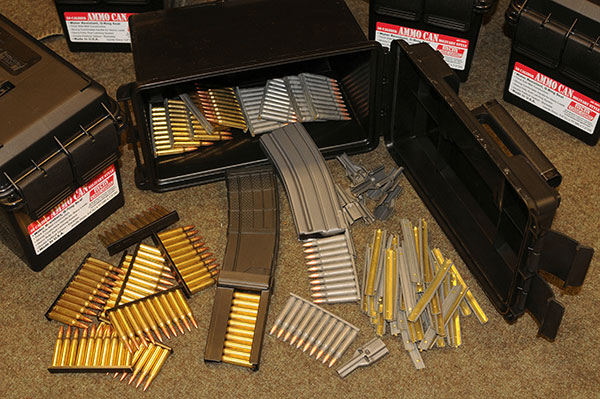
Core principles of how to prevent corrosion on stored ammo
If you want to know how to prevent corrosion on stored ammo, focus on three things. Keep moisture low. Keep air exchange low. Keep salts and skin oils off the cases.
Here is the simple formula I use:
- Control humidity. Aim for 30–40% relative humidity inside containers.
- Seal the container. Use ammo cans with intact gaskets or airtight boxes.
- Add a buffer. Put in fresh desiccant or VCI protection.
- Handle wisely. Avoid fingerprints and corrosive residues.

Why ammo corrodes: the short science
Corrosion is a slow battery. Moisture and salts help the reaction. Oxygen feeds it. Brass, steel, and aluminum cases all react in damp air, though brass resists better.
Exclusive Deals
Limited-time Exclusive Deals. Check current discount on Amazon.
Check Price on Amazon As an Amazon Associate I earn from qualifying purchases.Sweaty fingerprints can start tiny corrosion spots. Cardboard holds moisture and can speed tarnish in damp rooms. Long story short, moisture plus time equals trouble. Knowing this helps you decide how to prevent corrosion on stored ammo with less effort.
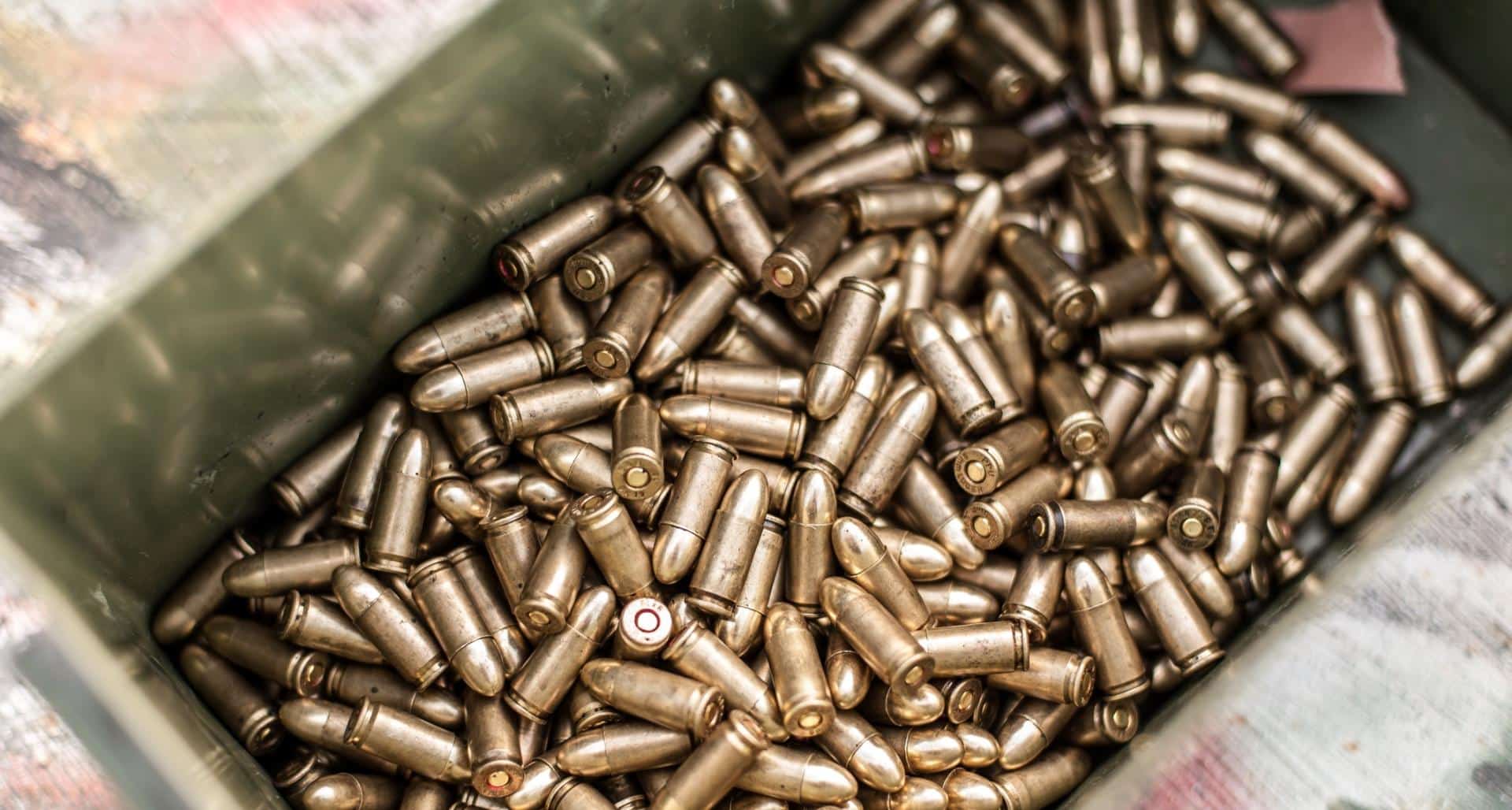
Humidity and temperature control that actually works
Humidity is the driver. Keep storage below 50% RH. Inside sealed cans, target 30–40% RH with desiccant.
Practical tips:
- Use a room dehumidifier if storing in a basement or garage.
- Avoid big temperature swings. They cause condensation inside containers.
- Use a small digital hygrometer in the storage room. Aim for stable numbers.
I once pushed my basement down to 45% RH during a very wet spring. Pairing that with sealed GI cans kept every round spotless. This is the backbone of how to prevent corrosion on stored ammo.

The right containers, seals, and a quick leak test
Military steel ammo cans are hard to beat. Their rubber gaskets seal well and are cheap to replace. Polymer ammo boxes with O-ring lids also work when you need lighter weight.
Exclusive Deals
Limited-time Exclusive Deals. Check current discount on Amazon.
Check Price on Amazon As an Amazon Associate I earn from qualifying purchases.Make sure it seals:
- Inspect the gasket for cracks or flat spots.
- Close the lid and press gently. You should feel uniform resistance.
- For a quick check, place a small flashlight inside in a dark room. Look for light leaks.
Avoid storing bare ammo in cardboard in damp rooms. Cardboard can trap moisture. Using solid, sealed containers is a key step in how to prevent corrosion on stored ammo.
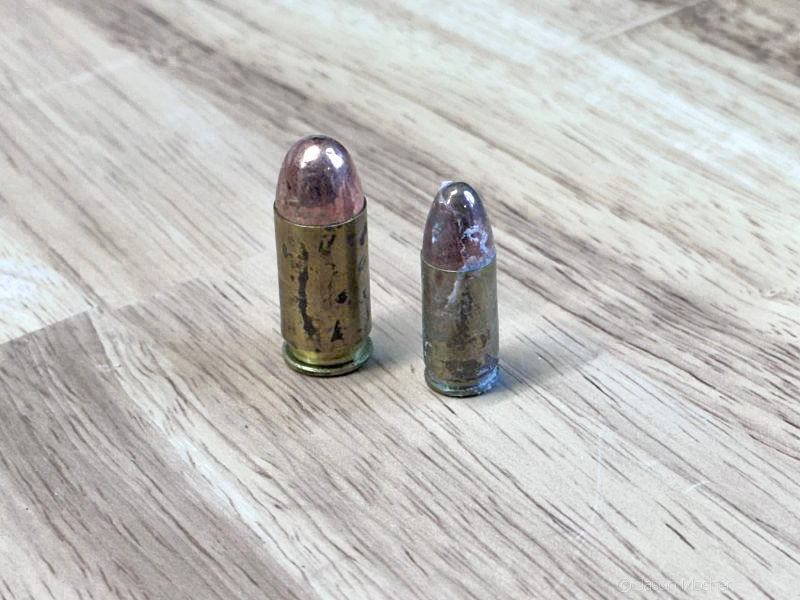
Desiccants and VCI: use both for a belt-and-suspenders setup
Desiccant absorbs moisture. VCI (vapor corrosion inhibitor) coats metal surfaces with an invisible layer that blocks corrosion. I use both for long-term storage.
How to set it up:
- Add the right amount of silica gel. For a .50-cal can, 30–40 grams works well.
- Use indicator desiccant or a humidity card. Replace or recharge when it changes color.
- Add one sheet or strip of VCI paper in each can. Do not let it touch primers directly.
- Recharge silica gel in the oven per packaging directions when indicators turn pink or clear.
This two-layer approach is one of the most reliable ways for how to prevent corrosion on stored ammo, especially in humid climates.

Smart handling and prep before storage
Fingerprints have salts and oils. Wipe ammo before you store it. I use a clean cloth and a tiny bit of a trusted corrosion inhibitor. Go light. You don’t want excess oil near primers.
Good habits:
- Wear clean nitrile gloves when packing.
- Do not mix range-grimy ammo with clean ammo in the same can.
- Do not tumble live ammo. It can damage powder coating or primer sealant.
These small steps compound over time. They are central to how to prevent corrosion on stored ammo in real life.
Packaging do’s and don’ts inside the can
You can keep factory boxes, but put them inside sealed cans. Cardboard by itself is not protection. For loose rounds, use plastic trays or rigid dividers inside the can.
Do this:
- Label each can with caliber, lot, and date.
- Use thin foam to prevent rattling during moves.
- Keep different calibers in separate cans.
Avoid this:
- Storing in thin zip-top bags only. They are not airtight and can trap moisture.
- Wrapping ammo in oily rags. Excess oil can migrate to primers.
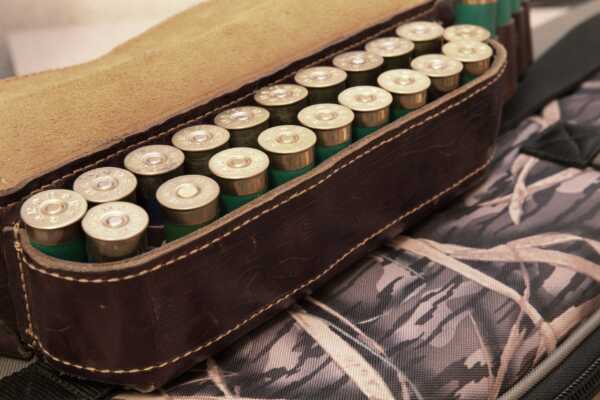
Material differences: brass vs steel vs aluminum vs nickel
Brass resists corrosion better than plain carbon steel. Steel cases can rust fast if left damp. Aluminum cases tend to stain and pit if the environment is harsh. Nickel-plated brass resists tarnish very well and is a great choice for carry ammo.
Primer and case-mouth sealant add extra protection. Many defensive loads have it. This helps if you are focused on how to prevent corrosion on stored ammo for long intervals.

Where to store at home, safely and smartly
Aim for a cool, dry, and stable spot. An interior closet is better than a garage or attic. Basements can work with a dehumidifier and shelving off the floor.
Safety and practicality:
- Keep ammo away from solvents and cleaning chemicals.
- Use a lockable cabinet or safe with a dry-rod if needed.
- Avoid hot attics. Heat speeds chemical reactions and can weaken packaging.
These choices do more for how to prevent corrosion on stored ammo than any single product.
Inspection, rotation, and simple record-keeping
Set a reminder every 3–6 months. Open one can, check the indicator, and spot-check a few rounds. Look for tarnish, spots, or rust.
Keep it organized:
- First in, first out. Shoot older lots first.
- Note desiccant recharge dates on a label.
- Replace any suspect gasket on the spot.
This rhythm is the quiet secret to how to prevent corrosion on stored ammo for the long haul.
If you find corrosion: what to do and what to avoid
Light brown or dark tarnish on brass is often cosmetic. Wipe with a soft cloth and a drop of oil, then repackage dry. Green verdigris needs more care; if it is heavy or pitted, do not fire that round.
Avoid harsh fixes:
- Do not use steel wool. It can shed fragments and scratch cases.
- Do not soak live ammo in solvents.
- When in doubt, dispose of bad rounds per local rules.
The goal is safety. This is where patience matters as much as knowing how to prevent corrosion on stored ammo in perfect conditions.
Myths vs facts you can trust
Myth: Vacuum sealing alone solves everything.
Fact: It reduces air, but without desiccant you still risk moisture trapped inside.
Myth: Oil the ammo heavily.
Fact: Too much oil can migrate to primers and cause misfires.
Myth: Cardboard is fine anywhere.
Fact: In damp rooms, cardboard can hold moisture and speed corrosion.
Myth: Stainless or coated guns mean ammo won’t corrode.
Fact: Ammo is separate. Cases and primers still need dry, sealed storage.
These facts back the core plan for how to prevent corrosion on stored ammo without overcomplicating it.
A quick checklist: how to prevent corrosion on stored ammo
- Choose a cool, dry room with stable temperatures.
- Use GI ammo cans or airtight polymer boxes with good gaskets.
- Add fresh silica gel and a humidity card; recharge as needed.
- Add a VCI strip for long-term storage.
- Wipe rounds, handle with gloves, and avoid fingerprints.
- Keep factory boxes inside sealed cans, or use rigid dividers.
- Label date, lot, and contents; rotate older stock first.
- Inspect every 3–6 months; fix gaskets and replace desiccant on schedule.
Follow this and you will master how to prevent corrosion on stored ammo with minimal cost and effort.
Frequently Asked Questions of How to prevent corrosion on stored ammo?
How low should I keep humidity in my ammo cans?
Aim for 30–40% relative humidity inside. Below 50% is acceptable, but near 35% gives a bigger safety buffer.
Do I need both desiccant and VCI?
You don’t have to, but they work better together. Desiccant controls moisture; VCI blocks corrosion at the surface.
Is nickel-plated ammo worth it for storage?
Yes, for long-term storage or carry ammo, nickel helps. It resists tarnish and makes inspection easier.
Can I leave ammo in my garage?
It is risky due to heat and humidity swings. If you must, use a dehumidifier, sealed cans, and extra desiccant.
Is tarnished brass unsafe to shoot?
Light tarnish is usually cosmetic. Deep pitting, green corrosion, or rust on steel cases is a red flag; do not shoot those rounds.
How often should I replace desiccant packs?
Check indicators every few months. Recharge or replace when the color shows saturation or when RH cards rise above 40%.
Should I oil my ammo before storage?
Use only a very light wipe if needed and keep oil away from primers. Excess oil can cause misfires.
Conclusion
Corrosion prevention is simple when you follow a system. Keep it cool and dry, seal the cans, add desiccant and VCI, handle with care, and check on your stock. This plan is how to prevent corrosion on stored ammo without stress or guesswork.
Start today. Pick one shelf, add fresh desiccant, and label your cans. Want more step-by-step tips like this? Subscribe for updates or drop a question in the comments so I can help you dial in your setup.