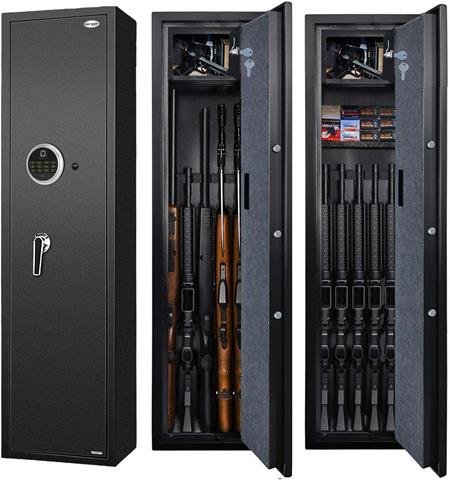
Gun safes themselves aren’t corrosive; trapped humidity, residues, and cheap liners cause rust.
Many owners ask, Are Gun Safes Corrosive? I’ve set up, tested, and maintained safes in damp basements and dry closets for years. The truth is simple but easy to miss. The safe is not the enemy. Moisture, salts, and certain interior materials are. In this guide, I’ll show you what actually causes rust, how to control it, and how to choose and use a safe that protects your guns, not harms them.

What actually causes rust in a gun safe
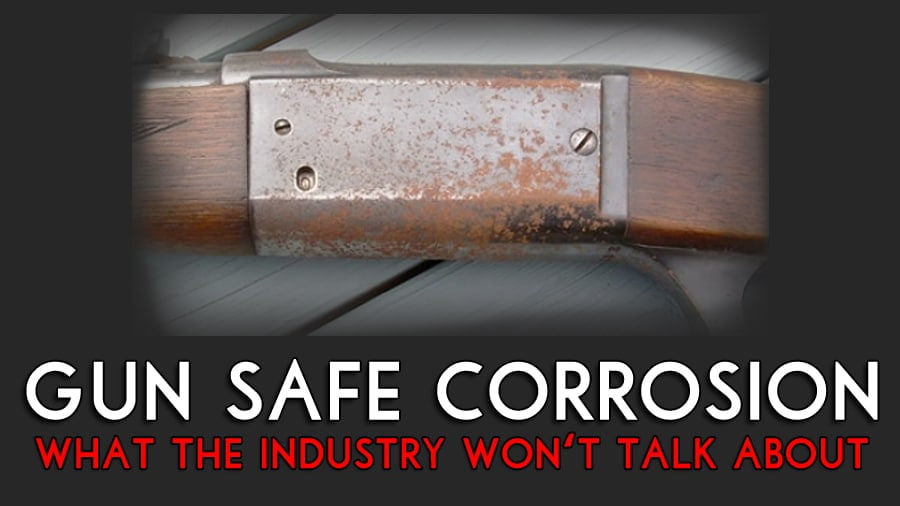
Are Gun Safes Corrosive? Not by themselves. Corrosion needs water, oxygen, and a reactive metal. A safe traps air, and air holds water vapor. When humidity rises, rust follows.

Exclusive Deals
Limited-time Exclusive Deals. Check current discount on Amazon.
Check Price on Amazon As an Amazon Associate I earn from qualifying purchases.Here are the big drivers:
- High relative humidity. Rust risk jumps fast above 50% RH. Aim for 35% to 45% RH inside the safe.
- Temperature swings. Warm moist air that cools will condense on cold steel. That thin film starts rust.
- Salts and acids on metal. Fingerprints, powder residue, and old oil add corrosive salts and acids.
- Stale air. A sealed box with no air exchange can lock in moisture for weeks.
A small, steady increase in temperature inside the safe reduces relative humidity. That is why safe “rod” heaters help. The key is steady, mild heat plus moisture control, not a hot box.
 corrosion”
style=”max-width: 100%; height: auto; border: 2px solid black; border-radius: 10px; display: block; margin: 0 auto;”
loading=”lazy”
/>
How a gun safe can contribute to corrosion
Are Gun Safes Corrosive? They can make rust more likely if the interior adds moisture or acids.
Common culprits I see:
Exclusive Deals
Limited-time Exclusive Deals. Check current discount on Amazon.
Check Price on Amazon As an Amazon Associate I earn from qualifying purchases.- Fresh fire lining. Many fire safes use gypsum board. It contains bound water that can release moisture, especially when new.
- Cheap interior carpet and glue. Low-grade adhesives can be acidic and off-gas. That air sits inches from your steel.
- Leaky desiccants. Calcium chloride buckets pull water but can spill brine. Brine eats metal fast.
- Foam cases and leather in the safe. Foam and leather hold moisture and salts. They trap wet air against blued steel.
- Overpacked shelves. Tight packing stops air flow. Dead air pockets hold humidity.
This does not mean all fire safes or carpeted interiors are bad. Quality liners and low-VOC adhesives exist. Ask questions before you buy.
Humidity control that actually works
Are Gun Safes Corrosive? Not when you control humidity with a simple plan. Keep it dry, stable, and clean.
Targets and tools:
Exclusive Deals
Limited-time Exclusive Deals. Check current discount on Amazon.
Check Price on Amazon As an Amazon Associate I earn from qualifying purchases.- Relative humidity. Keep 35% to 45% RH. Under 30% can dry wood stocks over time. Over 50% raises risk.
- Temperature. Aim for stable room temps. A safe rod heater raises interior temp a few degrees to lower RH.
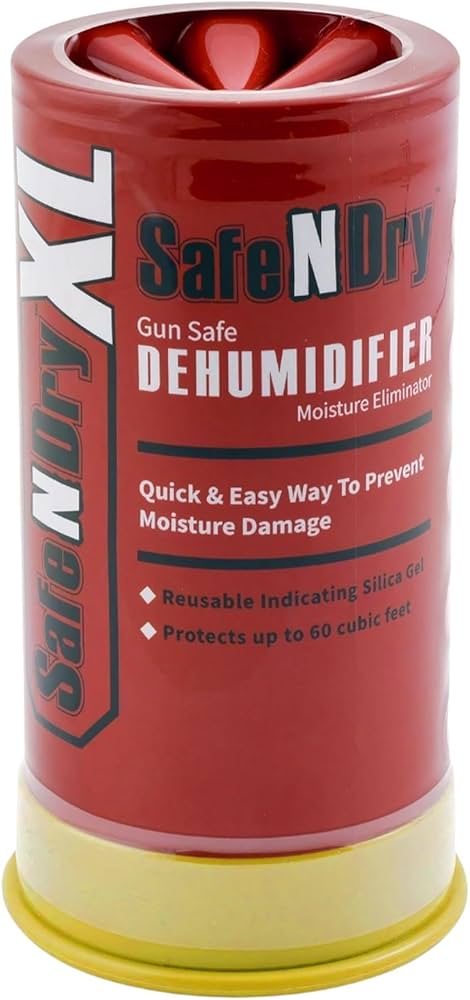
- Desiccants. Use rechargeable silica gel canisters. About 1 pound per 3 to 5 cubic feet is a good start.
- Monitoring. Place a digital hygrometer at shelf height. Log readings weekly.
- Air movement. A small low-heat rod or fan keeps air even. No hot spots. No dead pockets.
Pro tips:
- Recharge silica gel as soon as the indicator turns color. Do not wait.
- If your safe is new and lined, air it out with the door open for a few days.
- Wipe guns with a proven corrosion inhibitor before storage. Do not rely on “last trip to the range” oil.
A simple storage checklist you can follow
Are Gun Safes Corrosive? Not if your routine is solid. This checklist keeps you ahead of rust.
Do this every time before you store:
- Clean and dry every firearm. Remove salts and fouling. Let solvent flash off.
- Wipe with a light coat of rust inhibitor. Pay attention to fingerprints and edges.
- Remove leather slings and foam cases. Store them outside the safe.
Do this monthly:
- Check RH and temperature. Adjust desiccants or heater as needed.
- Look for early rust on high-risk parts. Front sights, muzzles, screws, and base plates.
- Recharge or bake desiccants. Vacuum dust and lint from the interior.
Do this seasonally:
- Inspect door seal and bolt holes for moisture. Verify the power kit and cords are safe.
- Rotate items so no surface stays pressed against foam or felt all year.
Materials and upgrades that reduce risk
Are Gun Safes Corrosive? The right materials inside the safe can lower risk a lot.
Smart choices:
- Interior finishes. Powder-coated steel interiors and sealed, low-VOC liners are best.
- Fire lining. If gypsum is used, a proper vapor barrier helps. Ask for details from the maker.
- Adhesives and carpet. Pick low-VOC, neutral pH options. Avoid strong glue smells.
- Dehumidification. Install a safe rod heater plus silica gel. The combo is very effective.
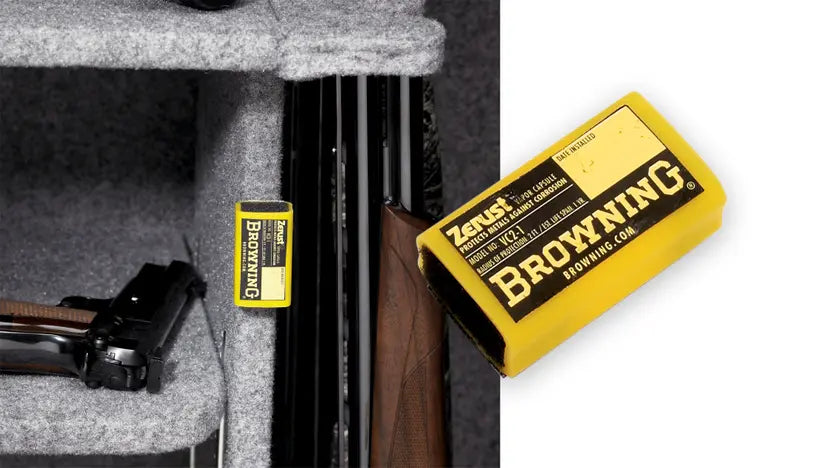
- VCI protection. Volatile Corrosion Inhibitor chips or bags add a light, invisible shield. Replace on schedule.
If your safe smells like fresh glue or drywall, air it out. Keep the door open with a fan for a day or two. That small step pays off.

Lessons from the bench: what I learned the hard way
Are Gun Safes Corrosive? I once thought “no way,” then a new blued revolver told me otherwise. Years back, I set a safe in a cool basement. It had fresh carpet and lots of glue smell. I added a calcium chloride tub. It leaked brine and I missed it for a weekend. Fine rust specks showed up on the cylinder and muzzle.
My fix:
- I pulled everything, ran a rod heater, and aired the safe out.
- I switched to large silica gel canisters and a digital hygrometer.
- I cleaned the rust with oil and 0000 steel wool, then protected with a better inhibitor.
- No more brine-style desiccants in closed safes. Ever.

Buying checklist: questions to ask before you choose
Are Gun Safes Corrosive? Not with a good build and sound features. When shopping, ask:
- What is the fire lining material? Is there a vapor barrier or seal over gypsum?
- What adhesives and interior fabrics are used? Are they low-VOC and neutral pH?
- Is there a factory power kit for a rod heater and a hygrometer?
- Are interior panels sealed or painted on all sides?
- Does the warranty address corrosion or moisture damage?
- Is there room for air flow, not just max gun count?
- Can I add or move shelves to avoid tight packing?
If you already see rust: a fast rescue plan
Are Gun Safes Corrosive? If rust is present, act fast and fix the moisture first.
Steps:
- Remove all guns. Run a safe rod heater or small space heater outside the safe to warm the room. Keep it safe and attended.
- Dry the interior. Door open, fan on low, 12 to 24 hours.
- Clean each firearm. Use a neutral cleaner or CLP. Lightly rub surface rust with oil and 0000 steel wool or a fiber pad.
- Re-protect metal. Apply a thin, even coat of a proven rust inhibitor.
- Reset humidity control. Install a rod heater and fresh silica gel. Verify 35% to 45% RH before restocking.
- Review storage items. Keep leather, foam, and wet gear out of the safe.

Frequently Asked Questions of Are Gun Safes Corrosive?
Are Gun Safes Corrosive?
No. The safe itself is not corrosive. Moisture, salts, and certain interior materials can create a corrosive environment if unmanaged.
What humidity level should I keep in my gun safe?
Aim for 35% to 45% relative humidity. Above 50% risk rises fast, and below 30% can dry wood stocks.
Are fire-rated safes more likely to cause rust?
Not if built and used well. New gypsum liners can release moisture at first, so air the safe out and control humidity.
Should I use a dehumidifier rod or silica gel?
Use both for best results. The rod lowers RH by gentle heat, and silica gel captures water vapor.
Can desiccants cause corrosion?
Silica gel does not. Calcium chloride-style buckets can leak brine, which is highly corrosive, so avoid those in a safe.
Is it okay to store guns in foam cases inside the safe?
Avoid it. Foam traps moisture against metal and can speed rust, especially after range use.
Do stainless steel guns need rust protection in a safe?
Yes. Stainless resists rust but is not rust-proof. A light coat of inhibitor and good humidity control still matter.
Conclusion
Are Gun Safes Corrosive? Not when you manage moisture, choose good materials, and follow a simple routine. Keep RH at 35% to 45%, use a rod heater and silica gel, and avoid foam and leaky desiccants. Clean, dry, and protect each gun before it goes in.
Take a few minutes today to check your safe’s humidity and airflow. Small fixes now can save finish, function, and value for years. Want more tips like this? Subscribe, ask a question, or share your setup so others can learn too.