Size your rod by safe volume; 12–24-inch rods fit most home gun safes.
If you want rust-free guns, sizing your rod right matters more than the brand. In this guide, I’ll answer What Size Dehumidifier Rod Do I Need for My Gun Safe? with clear steps, field-tested tips, and simple math. I’ve installed rods in damp basements, hot garages, and tight closets. You’ll learn how to measure your safe, match rod wattage to volume, and avoid the common traps that cause moisture and rust.

How a Dehumidifier Rod Works and Why Size Matters
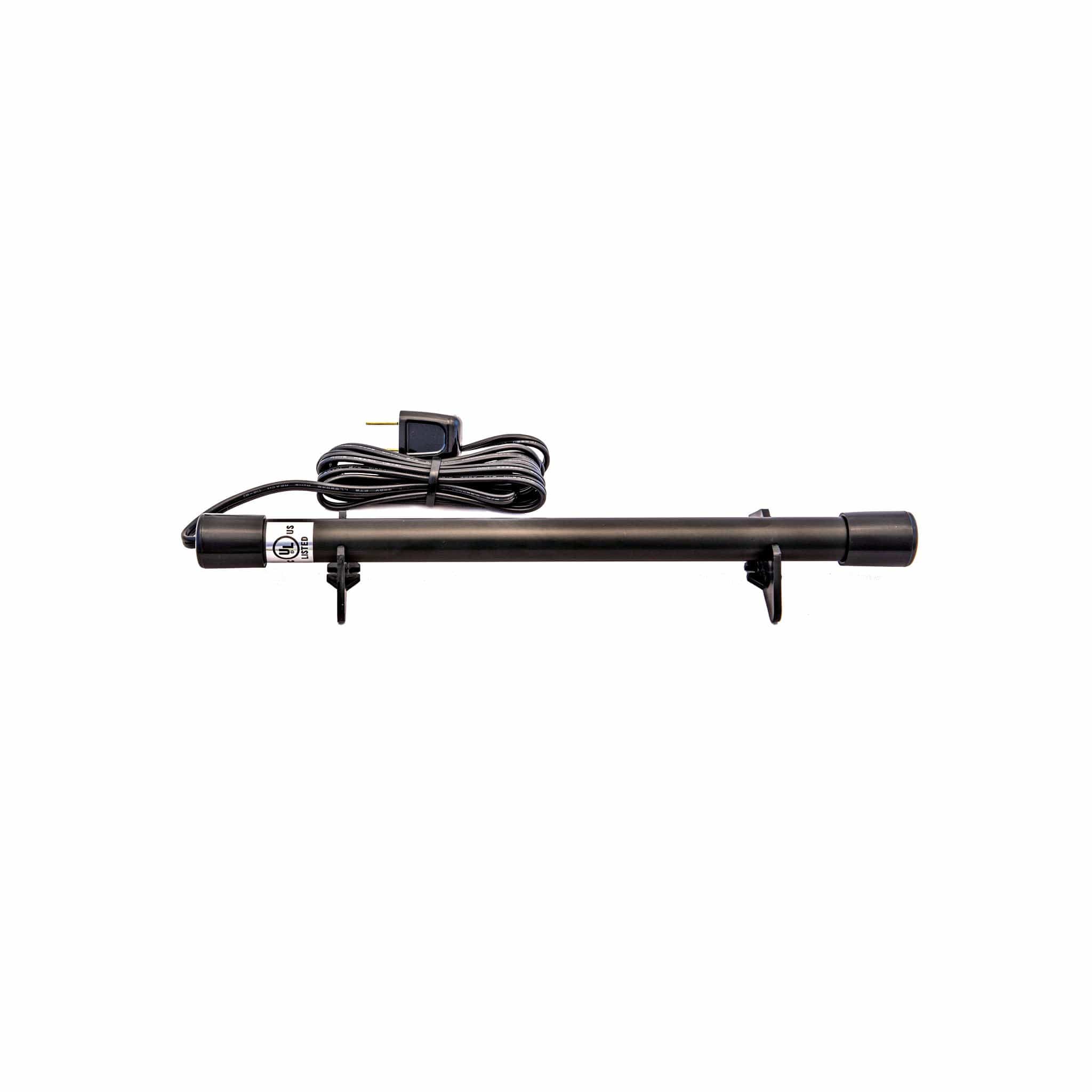
A dehumidifier rod is a low-watt heater that raises air temperature inside the safe by a few degrees. Warm air holds more moisture. As the air warms and circulates, it moves damp air out through the safe’s gaps and keeps surfaces above the dew point. This stops condensation and rust.
Exclusive Deals
Limited-time Exclusive Deals. Check current discount on Amazon.
Check Price on Amazon As an Amazon Associate I earn from qualifying purchases.Size matters because a small rod may not move enough air or heat for your space. A large rod can get too warm in a tiny safe and waste power. The right size keeps relative humidity near 40–50 percent with steady airflow.
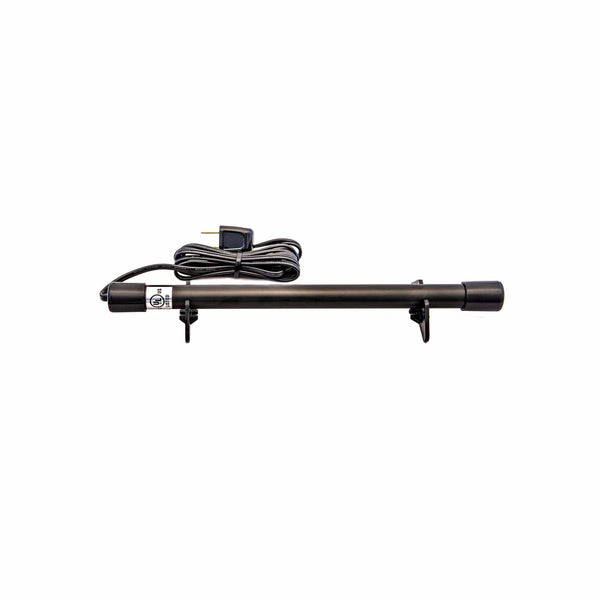
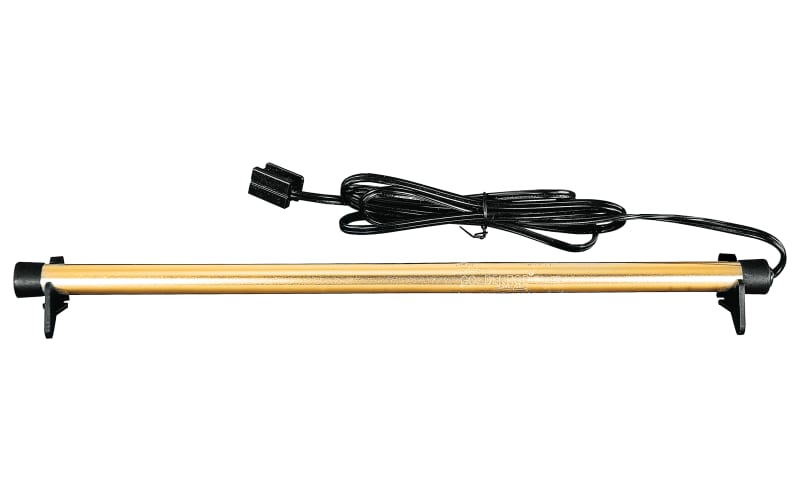
Most rods come in 12, 18, 24, and 36 inches. Typical wattage ranges from about 12 watts to 38 watts. Bigger rods push more gentle heat. The goal is steady, low heat, not a hot box. I’ve seen more rust from undersized rods than oversized ones, but the best pick fits your safe volume and your room conditions.
The Fast Sizing Method: Volume, Location, and Climate
Start with your safe’s internal volume. Then adjust for where the safe lives and your local climate. This is the same logic I use on service calls when people ask, What Size Dehumidifier Rod Do I Need for My Gun Safe?
Step 1: Measure internal volume
Exclusive Deals
Limited-time Exclusive Deals. Check current discount on Amazon.
Check Price on Amazon As an Amazon Associate I earn from qualifying purchases.- Measure interior height, width, and depth in inches.
- Multiply H × W × D.
- Divide by 1,728 to convert to cubic feet.
Step 2: Match rod size to volume (typical guidance)
- Up to 100 cubic feet: 12-inch rod (about 12 watts).
- 100 to 200 cubic feet: 18-inch rod (about 18 watts).
- 200 to 300 cubic feet: 24-inch rod (about 25 watts).
- 300 to 500 cubic feet: 36-inch rod (about 38 watts).
Step 3: Adjust for conditions
- Garage, basement, or high humidity: size up one level.
- Tight closet or climate control: current level is fine.
- Lots of gear packed inside: size up for better airflow.
Pro tip: If your math says you’re between sizes, and you live in a humid area, choose the larger rod. When clients ask me, What Size Dehumidifier Rod Do I Need for My Gun Safe?, my safe bet is to size up if the safe sits in a damp or unheated room.
Exclusive Deals
Limited-time Exclusive Deals. Check current discount on Amazon.
Check Price on Amazon As an Amazon Associate I earn from qualifying purchases.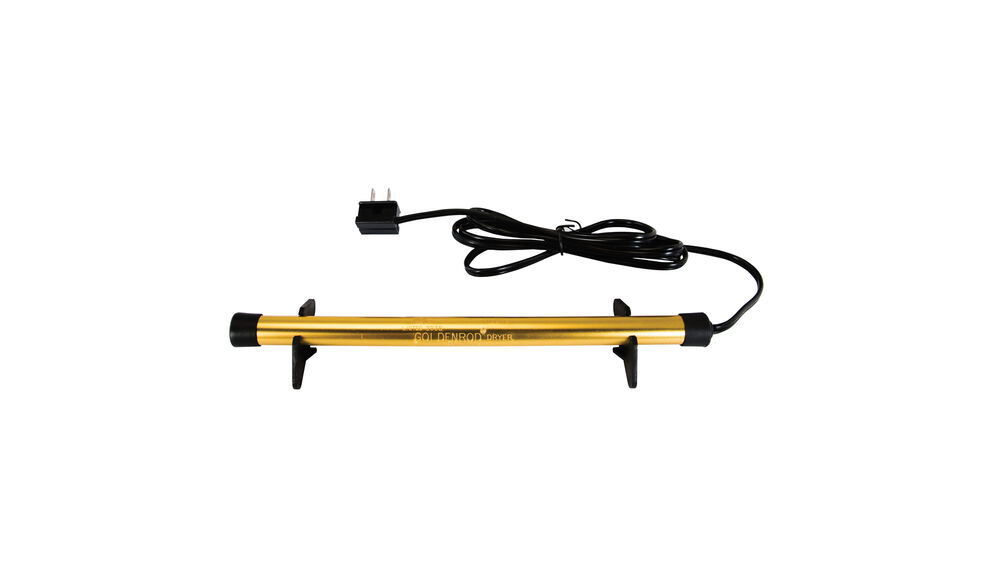
Sizing Examples You Can Copy
These real-world examples show how I select a rod for clients and my own safes. They also help you answer, What Size Dehumidifier Rod Do I Need for My Gun Safe?, without guesswork.
Example 1: Mid-size safe in a closet
- Interior: 58 × 28 × 20 inches = 32,480 cubic inches.
- Volume: 18.8 cubic feet.
- Location: Main floor closet, mild climate.
- Pick: 12-inch rod. I’ve kept RH near 45 percent with this setup.
Example 2: Large safe in a garage
- Interior: 60 × 36 × 24 inches = 51,840 cubic inches.
- Volume: 30 cubic feet.
- Location: Unheated garage, coastal humidity.
- Pick: 18-inch rod. If the garage runs damp in winter, bump to 24-inch. I prefer to pair the 18-inch rod with a small desiccant canister and a hygrometer.
Example 3: Tall safe, packed tight
- Interior: 72 × 40 × 28 inches = 80,640 cubic inches.
- Volume: 46.7 cubic feet.
- Location: Basement, temperate climate, loaded with rifles, ammo, and soft cases.
- Pick: 24-inch rod. The tight packing blocks airflow, so I mount the rod low and add a second small desiccant near the top shelf.
Example 4: Small cabinet in a dry region
- Interior: 54 × 20 × 16 inches = 17,280 cubic inches.
- Volume: 10 cubic feet.
- Location: Bedroom, central heat and AC.
- Pick: 12-inch rod. This keeps RH steady without over-drying wood stocks.
Every time I walk a homeowner through these steps, the same question comes back: What Size Dehumidifier Rod Do I Need for My Gun Safe? Stick to the chart, then adjust one step up for harsh rooms or very wet seasons.

Installation: Placement, Cord Routing, and Safety
Good installation makes a big difference. A rod in the wrong spot will not move air well.
Best practices:
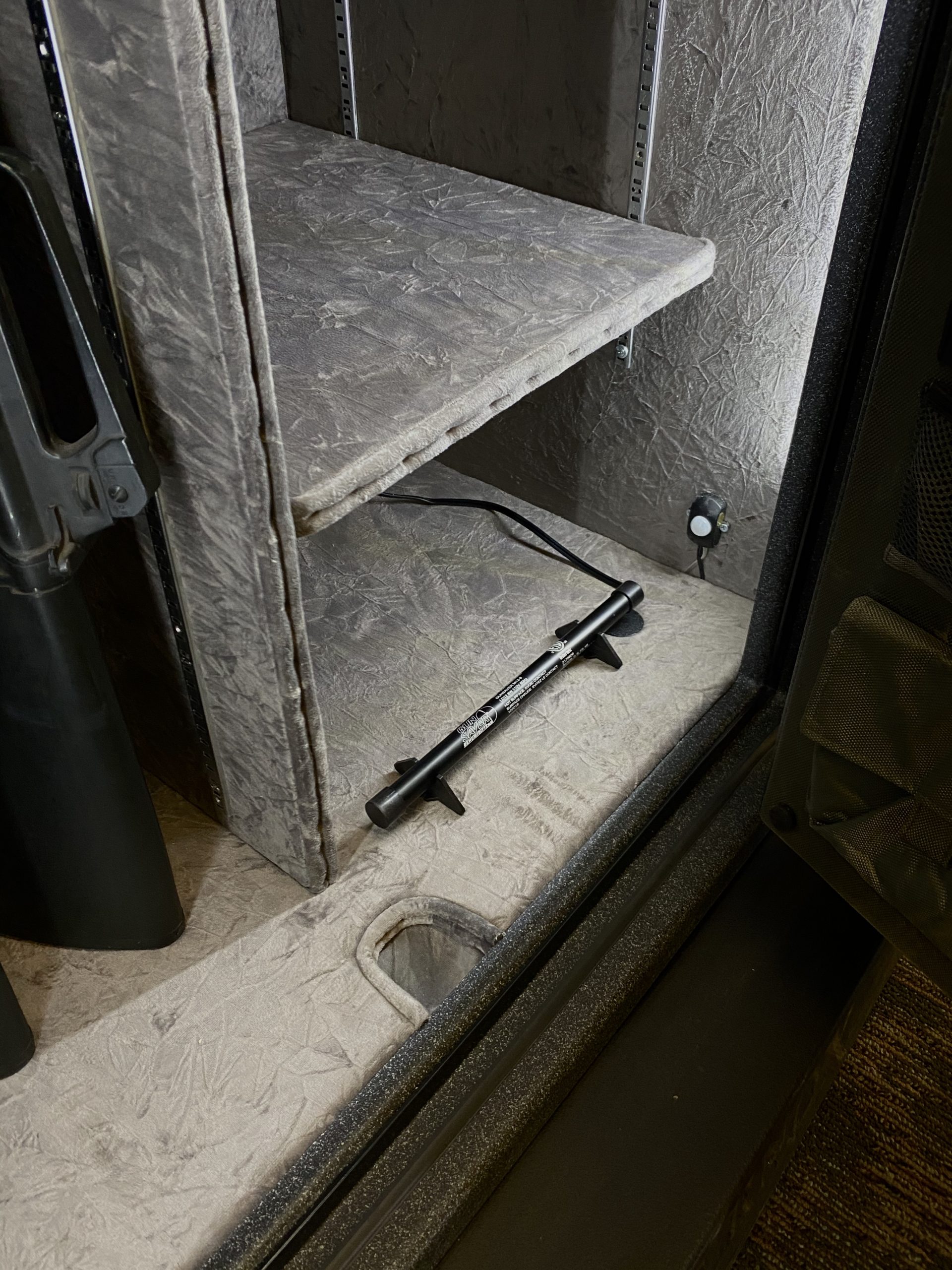
- Place low along the back or side wall. Warm air rises and promotes circulation.
- Keep at least one inch of clearance. Do not wedge it against carpet or soft cases.
- Use included brackets or feet to mount it off the floor.
- Route the cord through the safe’s power port or dehumidifier hole. Seal around the port if it leaks air.
- Avoid putting the rod under ammo cans or stacked gear. Leave open space so heat can rise.
Safety tips:
- Do not cover the rod.
- Keep away from loose paper or oily rags.
- Check the cord and plug during regular cleaning.
- If the rod feels very hot to the touch, it may be oversized for a tiny safe or blocked by gear.
If you ever wonder, What Size Dehumidifier Rod Do I Need for My Gun Safe?, remember that placement and airflow can make a smaller rod act larger and a larger rod act smaller.
Monitor and Maintain: Hit 40–50 Percent Relative Humidity
A rod is not set-and-forget. You need a hygrometer to prove it works. I like a small digital unit with a probe so I can read it without opening the door.
Targets:
- 40–50 percent RH is ideal for guns and ammo.
- Above 55 percent, add capacity or add desiccant.
- Below 35 percent for long periods can dry wood stocks too much.
Simple routine:
- Check RH weekly for the first month.
- Note seasonal swings. Hot, damp summers may need a size up.
- Dust the rod twice a year. Lint can trap heat.
- Test your outlet and cord yearly.
If your readings stay high and you keep asking, What Size Dehumidifier Rod Do I Need for My Gun Safe?, the answer might be to size up one step or improve room conditions.
Rods vs Desiccants vs Room Dehumidifiers
You can mix tools for better control. I often do this in basements and garages.
Use a rod when:
- You want steady, passive control and airflow.
- You have power at the safe.
- You prefer set-and-forget with low cost.
Add desiccant when:
- You open the door often.
- You store soft cases or leather inside.
- Your climate has sudden humidity spikes.
Use a room dehumidifier when:
- The safe sits in a damp garage or basement.
- The room RH stays above 60 percent.
- You need to protect tools, ammo, and optics nearby, too.
I’ve found the sweet spot is a right-sized rod plus a desiccant canister on the top shelf. That combo answers What Size Dehumidifier Rod Do I Need for My Gun Safe? with a margin of safety.

Common Mistakes and How to Fix Them
I see the same issues over and over. Most are easy to fix.
Mistake: Choosing by inches alone
- Fix: Match rod length to volume and conditions. Re-check the sizing chart.
Mistake: Blocking airflow
- Fix: Mount low. Keep a clear path above the rod. Move cases and cans off the floor.
Mistake: No hygrometer
- Fix: Add a digital hygrometer. If RH is high, step up one rod size or add desiccant.
Mistake: Ignoring the room
- Fix: Seal drafts, lift the safe on rubber feet, or run a small room dehumidifier.
Mistake: Over-drying wood
- Fix: Keep RH near 45 percent. If stocks get too dry, reduce rod size or add a small water cup to the top shelf for a day or two to balance, then remove.
These fixes save money and protect finishes. They also help you answer, with confidence, What Size Dehumidifier Rod Do I Need for My Gun Safe?
Buying Tips: Specs, Brands, and Features That Matter
You do not need the most expensive rod. You do need the right size and the right features.
What to look for:
- Clear coverage rating in cubic feet.
- Mounting clips or feet that hold the rod off the floor.
- A detachable plug or small right-angle plug for easy routing.
- Low, steady wattage that matches your volume and climate.
- A warranty of at least one year.
Nice-to-have extras:
- Internal thermal protection.
- Corrosion-resistant housing.
- UL or ETL listing.
I test every install with a hygrometer for two weeks. If the client still asks, What Size Dehumidifier Rod Do I Need for My Gun Safe?, I show the data and, if needed, swap to the next size up. It’s that simple.

Frequently Asked Questions of What Size Dehumidifier Rod Do I Need for My Gun Safe?
Do I need a dehumidifier rod if I already use desiccant?
A rod and desiccant do different jobs. The rod moves warm air and stabilizes RH, while desiccant absorbs spikes, so both together work best.
Can a rod damage wood stocks or optics?
Not if sized right. Keep RH near 40–50 percent and avoid direct contact with the rod.
How long do dehumidifier rods last?
Most last many years. Replace if the cord is damaged, the rod discolors, or RH will not stabilize.
Is a larger rod always better?
No. Oversizing in a tiny safe can run too warm and may over-dry wood. Size to volume and conditions.
What if my safe has no power outlet?
Use the factory pass-through or drill a proper grommeted hole if the maker allows. If not, use desiccant and a room dehumidifier.
Where should I place the rod inside the safe?
Low and along a wall is best. Leave open space above it so warm air can rise.
What RH should I aim for inside the safe?
Target 40–50 percent. This range prevents rust without drying out wood stocks.
Conclusion
A right-sized rod is simple insurance against rust and pitting. Measure your safe, match cubic feet to a coverage rating, and adjust for your location. When in doubt, step up one size for damp rooms, and always verify with a hygrometer. That is the most reliable way to settle the question: What Size Dehumidifier Rod Do I Need for My Gun Safe?
Set your target at 40–50 percent RH this week. Check your readings, tweak placement, and add desiccant if needed. Ready to go deeper? Subscribe for more hands-on firearm care guides, or drop a comment with your safe’s size and climate, and I’ll help you dial in the perfect rod.