
Are assault rifles legal? This question might have crossed your mind more than once, especially with all the debates and news around firearms.
You might be wondering what the law really says about these powerful weapons and how it affects you. Whether you’re a gun owner, a curious citizen, or someone looking to understand the rules better, this article will clear up the confusion.
Keep reading to find out the truth behind assault rifle laws and what you need to know to stay informed and safe.
Assault Rifles Explained
Assault rifles are often talked about in news and law debates. Many people have questions about what these guns really are. Understanding assault rifles helps clear up confusion. It also explains why laws treat them differently than other firearms.
This section breaks down the key facts about assault rifles. It explains their main features and common myths people believe. This way, readers get a clear and simple picture of these weapons.
Characteristics Of Assault Rifles
Assault rifles are designed for rapid fire and accuracy. They usually use intermediate cartridges, which are smaller than traditional rifle rounds. This allows shooters to control recoil better and fire more quickly.
These rifles often have a detachable magazine. This lets users reload faster than with fixed magazines. They also have selective fire options, meaning they can switch between semi-automatic and automatic modes. The automatic mode allows continuous fire as long as the trigger is held.
Most assault rifles have durable construction and are made for military use. They are built to work well in various conditions and can handle rough treatment.
Common Misconceptions
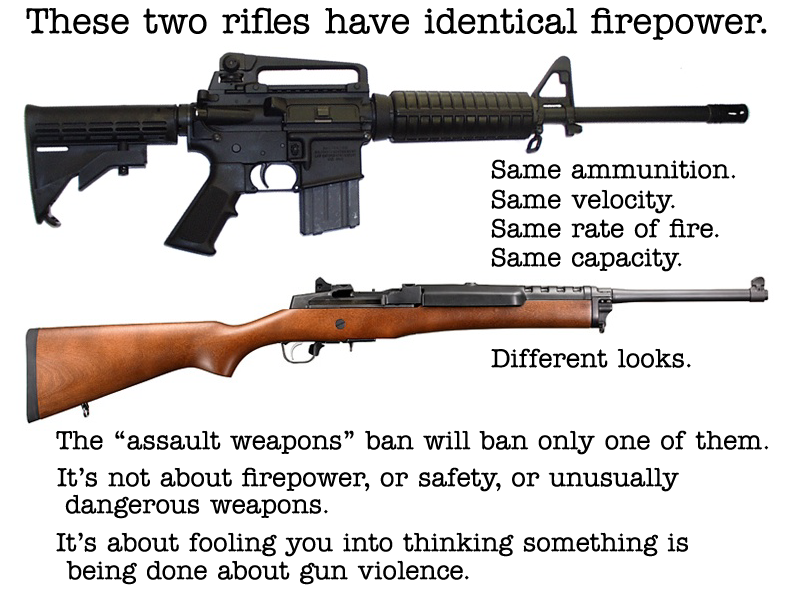
Many people confuse assault rifles with regular hunting rifles or handguns. Assault rifles are different because of their ability to fire automatically and use specific ammo. Not all guns that look like assault rifles are true assault rifles.
Another myth is that all assault rifles are illegal. Laws vary widely, and some assault rifles are legal under strict rules. The term “assault rifle” is often used incorrectly in media. This causes fear and misunderstanding about these guns.
Understanding the real facts helps separate truth from fear. It also supports informed discussions about gun laws and safety.

Federal Laws On Assault Rifles
Federal laws set the rules on assault rifles in the United States. These laws define what is allowed and what is banned. They also explain how certain rifles are classified and controlled. Understanding these laws helps people know their rights and limits.
The laws have changed over time. Some laws focus on specific features of rifles. Others regulate parts or how rifles are made and sold. Knowing these rules is important for anyone interested in firearms.
National Firearms Act
The National Firearms Act (NFA) was passed in 1934. It controls certain types of weapons, including some assault rifles. Under the NFA, rifles with short barrels or special features need registration. Owners must pay a tax and follow strict rules. This act aims to limit access to dangerous weapons.
Assault Weapons Ban History
The Assault Weapons Ban was a law from 1994 to 2004. It stopped the sale of certain rifles with military-style features. The ban targeted rifles with folding stocks, pistol grips, and flash suppressors. After 10 years, the law expired and was not renewed. Since then, some states created their own bans.
Current Federal Regulations
Today, no federal ban exists on assault rifles. The Bureau of Alcohol, Tobacco, Firearms and Explosives (ATF) regulates these guns. Some rifles are still controlled under the NFA. Background checks are required for all gun sales. Federal law also limits ownership for certain people, like felons. The rules continue to evolve with new policies.
State-level Regulations
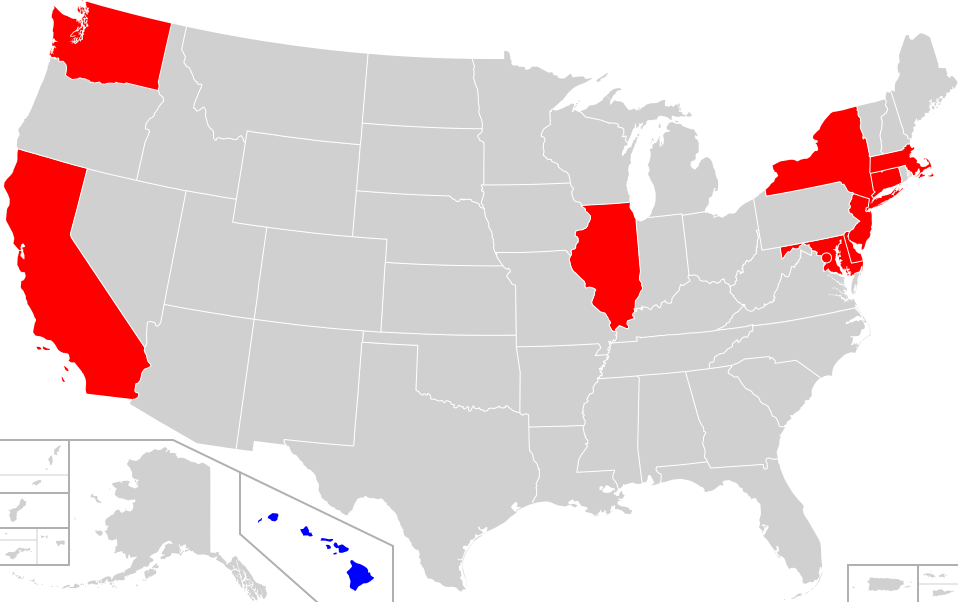
State-level regulations play a key role in the legality of assault rifles. Laws vary widely across the United States. Some states have strict rules, while others are more lenient. Understanding these differences helps clarify where assault rifles are allowed and how they are controlled.
States With Strict Assault Rifle Laws
Several states enforce tough restrictions on assault rifles. California, New York, and New Jersey ban many types of these firearms. They require registration and limit features like magazines and barrel length. These states aim to reduce gun violence by controlling access.
States With Permissive Laws
Other states have fewer restrictions on assault rifles. Texas, Arizona, and Florida allow ownership with minimal limits. Some only require a background check for purchase. These states prioritize gun rights and personal protection.
Variations In Definitions And Restrictions
States differ in how they define assault rifles. Some focus on specific features like pistol grips or flash suppressors. Others classify rifles by the type of action or caliber. These variations affect which guns fall under the law. Knowing local definitions is crucial for compliance.
Ownership Requirements
Owning an assault rifle involves specific legal steps. These rules help ensure safety and responsibility. Knowing the ownership requirements is important before buying or using one.
Each state and country has its own laws. Some require strict checks and permissions. Others may ban assault rifles entirely. Understanding these rules prevents legal trouble.
Background Checks
Background checks are key to owning an assault rifle. They screen criminal records and mental health issues. This process helps stop dangerous individuals from buying guns. Most places require a thorough check before a sale. The goal is to keep guns away from risky people.
Licensing And Permits
Licenses or permits may be needed to own assault rifles. This shows the owner follows the law. Applying for a license can take time and money. It often includes training or safety courses. Some areas demand renewal of permits regularly. This system promotes responsible gun ownership.
Age Restrictions
Age limits apply to buying assault rifles. Usually, buyers must be 18 or older. Some places require you to be 21. These rules aim to protect young people from harm. Age limits are strictly enforced by sellers and law officers.
Legal Challenges And Court Cases
The legality of assault rifles has sparked many legal battles. Courts often decide if certain laws are fair or not. These cases shape how the law treats assault rifles. Understanding these challenges helps explain the current legal landscape.
Legal fights focus on gun ownership rights and public safety. Courts balance constitutional rights with concerns about violence. Every case adds to the ongoing debate over these weapons.
Notable Lawsuits
Several lawsuits have challenged assault rifle bans. Some argue bans violate the Second Amendment rights. Others claim restrictions are needed to protect communities. These cases often reach higher courts for review.
One famous lawsuit involved a state ban on assault rifles. The plaintiffs said the ban was too broad and unfair. Courts examined how the law defined assault rifles. The decisions influenced laws in other states too.
Supreme Court Decisions
The Supreme Court has ruled on gun rights cases. These rulings affect assault rifle laws across the country. The Court has confirmed some rights but allowed certain restrictions.
In key decisions, the Court emphasized individual rights to bear arms. It also recognized the government’s role in regulating dangerous weapons. These rulings guide lower courts on assault rifle cases. They shape the limits of legal ownership and control.
Impact Of Assault Rifle Laws
The impact of assault rifle laws varies across different places. These laws aim to control the use and ownership of assault rifles. Their effects touch crime rates and public safety. Understanding these effects helps in discussing the legality of assault rifles.
Effect On Crime Rates
Assault rifle laws can influence crime rates in several ways. Some studies show that stricter laws reduce gun violence. Fewer assault rifles in circulation may lower mass shooting incidents. Criminals may find it harder to get these weapons legally. Yet, illegal weapons still pose challenges for law enforcement.
Other research finds mixed results. Some places with strict laws see little change in crime rates. This suggests laws alone may not stop all gun crimes. Community programs and law enforcement efforts also matter. The overall impact depends on how laws are enforced and supported.
Public Safety Considerations
Public safety is a key reason for assault rifle laws. These weapons can cause high damage quickly. Limiting access aims to protect people in public spaces. Schools, parks, and events may feel safer with restrictions.
Lawmakers also consider how laws affect responsible gun owners. Rules try to balance safety with legal ownership rights. Clear regulations help prevent confusion and misuse. Public education about safe gun use supports these laws.
Future Of Assault Rifle Legislation
The future of assault rifle legislation remains uncertain and highly debated across the United States. Lawmakers continue to discuss various approaches to regulate these weapons. The goal is to balance public safety with constitutional rights. Changes in laws could impact ownership, usage, and sales of assault rifles. Both state and federal levels show activity in proposing new rules.
Proposed Bills And Policies
Several new bills focus on banning or limiting assault rifles. Some proposals suggest stricter background checks for buyers. Others aim to restrict magazine sizes or certain features. Lawmakers also discuss red flag laws to prevent dangerous individuals from accessing guns. These bills face strong support and opposition in Congress. The progress of each bill depends on political shifts and public pressure.
Trends In Public Opinion
Public opinion about assault rifles changes over time. Surveys show growing concern about gun violence and safety. Many people support tighter controls on assault rifles. Others feel these laws infringe on personal freedoms. Media coverage and recent events influence how people think. These trends affect how politicians act on gun legislation.
Frequently Asked Questions
Are Assault Rifles Legal For Civilians In The Us?
Assault rifles’ legality varies by state and federal law in the US. Some states allow ownership with restrictions. Others ban them outright. Federal law regulates features like magazine capacity and firing modes. Always check local laws before purchasing or owning an assault rifle.
What Defines An Assault Rifle Legally?
Legally, an assault rifle is a selective-fire rifle. It can switch between semi-automatic and fully automatic modes. Features like detachable magazines and pistol grips often factor into definitions. However, definitions differ across countries and jurisdictions. Understanding local laws is crucial for legal clarity.
Can Civilians Own Fully Automatic Assault Rifles?
Fully automatic assault rifles are heavily regulated in the US. Civilians can own them only with special federal licenses. These firearms must be registered under the National Firearms Act. The process is complex and costly. Many states also ban fully automatic weapons outright.
How Do Assault Rifles Differ From Regular Rifles?
Assault rifles typically have selective-fire capability, allowing automatic or burst fire. Regular rifles usually operate in semi-automatic or bolt-action mode only. Assault rifles often feature military-style designs and detachable magazines. Regular rifles are mainly designed for hunting or sport shooting.
Conclusion
Assault rifles’ legality varies by location and law. Some places allow ownership with rules. Others ban them completely. Knowing local laws is very important. Always check before buying or using one. Understanding the rules helps avoid serious trouble. Laws can change, so stay updated.
Safety and responsibility should always come first. The topic remains complex and often debated. Stay informed and act carefully.

