
Are you wondering if bolt-action rifles really deliver better accuracy? You’re not alone.
Whether you’re a seasoned shooter or just starting out, accuracy is key to hitting your target every time. But what makes bolt-action rifles stand out? You’ll discover the surprising reasons why many shooters trust bolt-actions for precision. By the end, you’ll know if a bolt-action rifle is the right choice to improve your shooting skills.
Keep reading to unlock the truth about accuracy and make smarter decisions for your next rifle.
Bolt-action Rifle Mechanics
Bolt-action rifles are known for their simple and strong design. Their mechanics play a big role in accuracy. The way the bolt moves and locks affects how steady the shot will be. Understanding these mechanics helps explain why bolt-action rifles often deliver precise shots.
Each part works together to keep the bullet on target. The shooter controls the bolt manually. This control reduces movement during firing, helping maintain accuracy. The design also helps with consistent performance under different conditions.
How Bolt-action Systems Work
The shooter lifts the bolt handle to unlock the bolt. Then, they pull it back to eject the spent cartridge. Next, pushing the bolt forward loads a new cartridge from the magazine. Finally, the bolt handle locks down, securing the cartridge in place.
This manual action gives the shooter full control. It prevents the rifle from cycling too fast or with extra movement. The solid lock-up of the bolt keeps the barrel stable during firing. This stability helps the bullet follow a true path.
Key Components Influencing Accuracy
The bolt itself must fit perfectly inside the receiver. A tight fit reduces play and movement. The locking lugs on the bolt hold the cartridge firmly. This firm hold helps the barrel stay still when the gun fires.
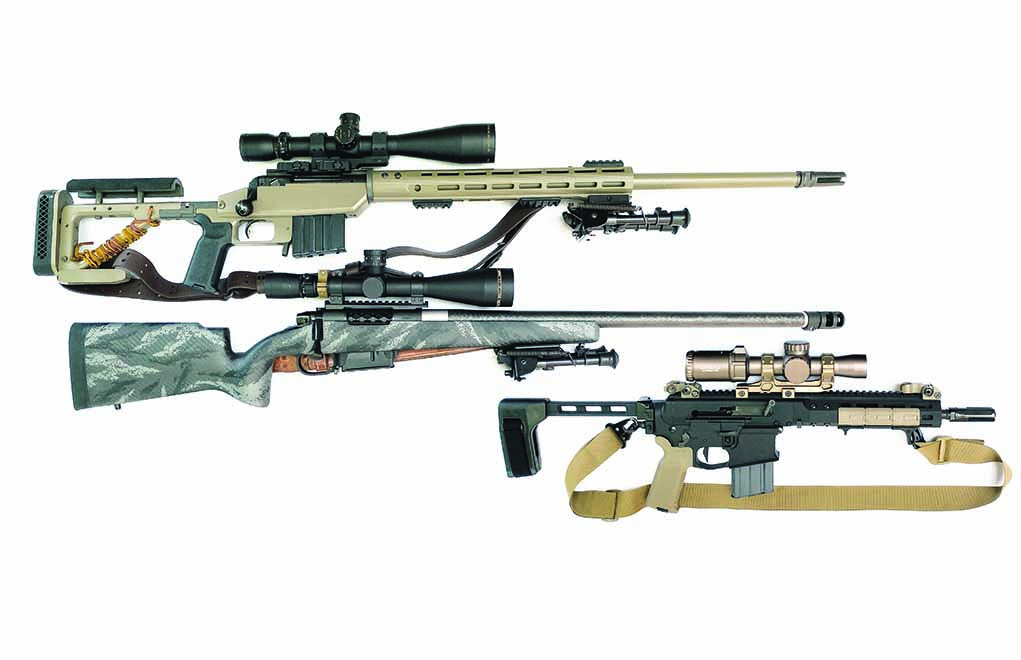
The barrel also plays a vital role. It is usually free-floating, meaning it does not touch the stock. This setup prevents pressure on the barrel that could affect the bullet’s path. A quality trigger with a clean break also helps improve shot accuracy.
Factors Affecting Rifle Accuracy
Accuracy in rifles depends on several important factors. These factors work together to affect how precise a shot will be. Understanding them helps explain why some rifles shoot better than others.
Each part of the rifle and the shooter’s skill play a role. Small differences can change the results at the target. Let’s explore the main factors that affect rifle accuracy.
Barrel Quality And Length
The barrel is key to how a bullet travels. High-quality barrels have smooth interiors and tight rifling. This helps the bullet spin correctly and stay stable in flight.
Longer barrels give the bullet more time to gain speed. This can improve accuracy at longer distances. However, very long barrels may be harder to handle.
Barrel wear and cleanliness also impact accuracy. A clean, well-maintained barrel keeps shots consistent.
Ammunition Consistency
Consistent ammunition leads to more accurate shooting. Bullets with the same weight, shape, and powder load behave predictably. Variations can cause shots to spread out.
Reloaded or hand-loaded ammo can improve consistency. Factory ammo quality varies between brands and batches.
Proper storage of ammunition keeps it stable. Moisture and temperature changes can affect bullet performance.
Shooter Skill And Technique
The shooter’s skill strongly influences accuracy. Proper stance, grip, and breathing control help steady the rifle. Trigger control is also crucial for a clean shot.
Practice builds muscle memory and reduces errors. Even the best rifle cannot fix poor shooting technique.
Focus and patience improve shot placement. Calm, controlled movements give the bullet the best chance to hit the target.
Comparing Bolt-action To Semi-automatic
Comparing bolt-action rifles to semi-automatic ones reveals clear differences in design and function. These differences affect accuracy, recoil, and typical use. Understanding these can help shooters choose the right rifle for their needs.
Recoil And Stability Differences
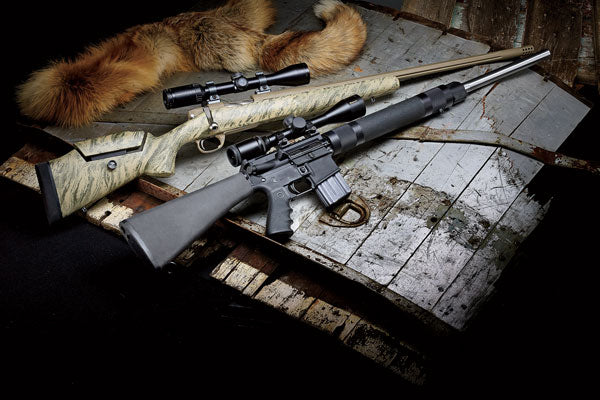
Bolt-action rifles usually have less recoil movement. The shooter stays steady because the mechanism is simple and locked tight. Semi-automatic rifles cycle automatically, causing more movement after each shot. This can reduce stability and make follow-up shots harder. The slower action of bolt rifles allows better control of recoil and steadier aim.
Locking Mechanisms And Precision
Bolt-action rifles use a strong, fixed locking system. This creates a solid chamber for each shot, improving precision. Semi-automatic rifles have moving parts that unlock and reload automatically. This can cause slight shifts in the barrel or chamber, affecting accuracy. The bolt’s solid lock helps maintain consistent bullet paths.
Typical Use Cases For Each Type
Bolt-action rifles fit well with long-range shooting and hunting. Their accuracy suits shots where precision matters most. Semi-automatic rifles work well for fast shooting and close to mid-range targets. They offer quick follow-up shots but usually trade some accuracy. Each type serves different needs based on shooting style and environment.
Expert Opinions On Accuracy
Experts have shared their views on the accuracy of bolt-action rifles. Their opinions come from different fields. These include military, law enforcement, competitive shooting, and hunting. Each expert group gives unique insights based on their needs and experiences. Understanding these views helps us see why bolt-action rifles are often seen as accurate.
Military And Law Enforcement Perspectives
Military marksmen value bolt-action rifles for precision. They say the simple design reduces chances of mechanical failure. This means shots are more reliable and consistent. Law enforcement snipers trust bolt-actions for quiet and steady shooting. Experts note the bolt system locks the cartridge firmly. This adds stability and helps keep bullet paths true. They often choose bolt-actions for long-range missions requiring exact shots.
Competitive Shooting Insights
Competitive shooters praise bolt-action rifles for their accuracy. The rifles offer tight barrel fit and less movement during firing. Shooters mention the smooth trigger pull helps them aim better. Many competitions include categories specifically for bolt-action rifles. Experts highlight how these rifles allow precise control of each shot. This control is key to winning matches with small target groups.
Hunting And Long-range Shooting Views
Hunters often prefer bolt-action rifles for clean, accurate kills. They appreciate the rifle’s ability to maintain accuracy over long distances. Experts say bolt-actions handle powerful cartridges well. This means hunters can trust their shots on tough game. Long-range shooters point out the bolt-action’s consistent shot placement. They find it easier to adjust and repeat shots with these rifles.
Technological Advances Enhancing Accuracy
Technological advances have made bolt-action rifles more accurate than ever. New tools and processes improve every part of the rifle. Each step focuses on precision and consistency. These improvements help shooters hit targets with less effort.
Below are key areas where technology boosts accuracy in bolt-action rifles.
Improved Barrel Manufacturing
Barrel making uses better machines and materials now. Precision tools cut barrels with exact measurements. This reduces imperfections that affect bullet flight. New steel alloys keep barrels strong and stable. Heat treatments make barrels resist wear and warping. All these steps create barrels that guide bullets more precisely.
Enhanced Optics And Sighting Systems
Optics have become clearer and more reliable. Lenses now offer sharper images and better light transmission. Reticles help shooters aim quickly and accurately. Some sights include range finders and wind indicators. Mounts hold scopes steady, even after many shots. These improvements allow shooters to see targets clearly and place shots exactly.
Custom Ammunition And Load Development
Ammo makers create loads designed for specific rifles. Hand loaders test different powders, bullets, and primers. They find combinations that increase accuracy and reduce recoil. Custom loads match barrel length and rifling twist perfectly. This fine-tuning helps bullets fly straighter and hit closer to the aim point.
Practical Tips For Maximizing Accuracy
Accuracy with bolt-action rifles depends on several factors beyond just the rifle itself. Practical tips help shooters get the best results. Small habits and choices make a big difference in hitting the target consistently.
Focus on keeping your rifle clean, using the right shooting positions, and selecting suitable gear. These steps improve your precision and boost your confidence.
Maintenance And Cleaning Routines
Clean your rifle regularly. Dirt and residue affect barrel performance and accuracy. Use proper cleaning kits made for your rifle’s caliber. Check the bore for obstructions and fouling. Lubricate moving parts lightly to avoid buildup. Tighten screws and mounts to prevent shifting. A well-maintained rifle shoots straighter and feels better.
Proper Shooting Positions
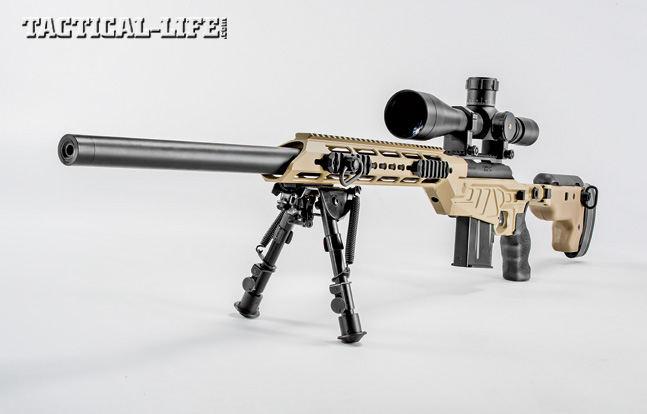
Stability is key for accuracy. Use a solid shooting stance or rest your rifle on a bipod or sandbags. Keep your body relaxed but steady. Align your eye with the sights or scope smoothly. Control your breathing and squeeze the trigger gently. Avoid jerking or flinching. Practicing good positions builds muscle memory and reduces errors.
Choosing The Right Rifle And Accessories
Pick a rifle that fits your size and strength. Comfort helps with steady aiming. Select a scope or sights suited for your shooting range. Quality optics make target acquisition easier. Use match-grade ammunition for consistent performance. Consider upgrading triggers for smoother pulls. The right combination of rifle and gear sharpens your accuracy.
Frequently Asked Questions
Are Bolt-action Rifles More Accurate Than Semi-automatic Rifles?
Bolt-action rifles generally offer higher accuracy due to fewer moving parts during firing. This design reduces barrel movement and vibration, improving shot precision. However, modern semi-automatics have narrowed the accuracy gap with advancements in technology and design.
What Factors Affect Bolt-action Rifle Accuracy?
Accuracy depends on barrel quality, ammunition, shooter skill, and maintenance. A tight barrel fit and consistent ammo improve precision. Proper cleaning and a steady shooting position also enhance accuracy in bolt-action rifles.
How Does Bolt-action Design Improve Shooting Stability?
The bolt-action mechanism locks the bolt firmly, minimizing barrel movement. This stability reduces recoil impact on the shooter’s aim. It allows for consistent shot placement, making bolt-action rifles favored for precision shooting.
Are Bolt-action Rifles Better For Long-range Shooting?
Yes, bolt-action rifles are preferred for long-range shooting. Their design supports heavier barrels and higher accuracy. Shooters value them for reliable performance and precision at extended distances.
Conclusion
Bolt-action rifles often offer better accuracy due to their solid design. Their simple mechanism reduces moving parts, helping shots stay steady. Shooters can control each shot carefully with a bolt-action rifle. While semi-automatic rifles are faster, they may lose some precision.
Choosing the right rifle depends on your needs and skill level. Practice and good technique also play big roles in accuracy. In the end, bolt-action rifles remain a popular choice for precise shooting. Clear sights, steady hands, and patience make all the difference.

