
When it comes to protecting your home, choosing the right firearm is a big decision. You might be wondering, are carbines good for home defense?
The answer isn’t as simple as yes or no. Your safety depends on understanding how a carbine works, its advantages, and any potential drawbacks. You’ll discover everything you need to know to make an informed choice that fits your needs.
Keep reading—your peace of mind could depend on it.
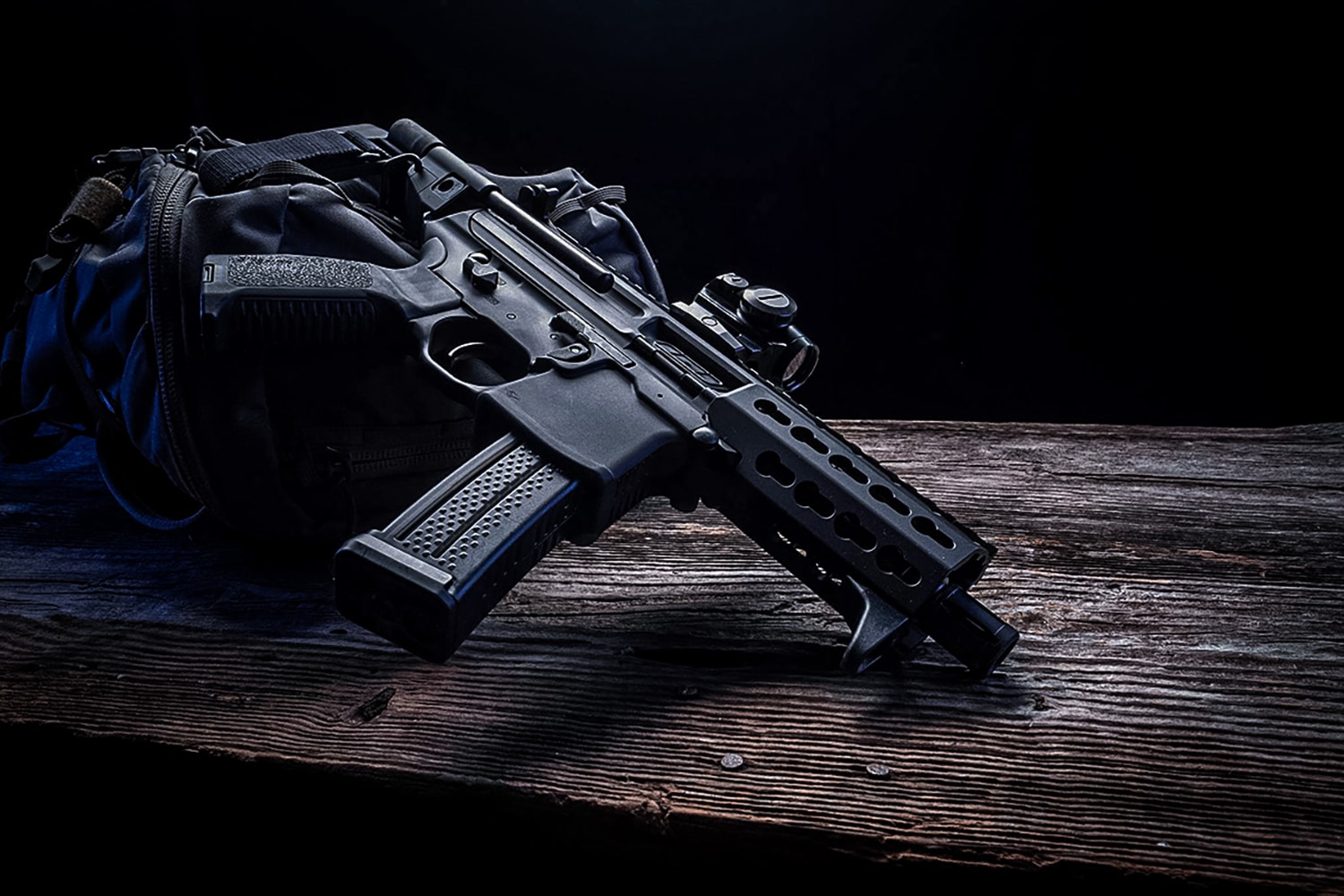
Carbines Basics
Understanding the basics of carbines helps in deciding if they suit home defense needs. Carbines offer a blend of power and ease of use. They are lighter and shorter than rifles but more stable than handguns. Their design makes them easy to handle in tight spaces.
This section explains what a carbine is and the main types available. Knowing these details gives a clearer picture of their role in home defense.
What Is A Carbine?
A carbine is a type of firearm. It is shorter than a traditional rifle. This shorter length makes it easier to carry and maneuver. Carbines usually fire the same ammunition as rifles. They balance accuracy and compactness well. People use them for military, law enforcement, and civilian purposes.
Types Of Carbines
Several types of carbines exist, each serving different needs. The most common are semi-automatic and bolt-action carbines. Semi-automatic carbines reload automatically after each shot. Bolt-action carbines require manual action to reload each time. Some carbines use pistol calibers, while others use rifle calibers. Each type offers unique benefits depending on the situation. Choosing the right type depends on comfort and intended use.

Benefits Of Carbines For Home Defense
Carbines offer several benefits for home defense. They combine features of rifles and pistols. This makes them practical and efficient for protecting your home. Their design suits close-quarters situations, common in home defense scenarios. Below are key advantages of using carbines for this purpose.
Ease Of Handling
Carbines are lighter and shorter than rifles. This makes them easier to carry and move around. Their size fits well in tight spaces, like hallways and rooms. Users can quickly aim and fire without much effort. This ease helps in stressful moments during home defense.
Accuracy And Range
Carbines usually have longer barrels than pistols, improving accuracy. They offer better control when aiming at targets. This helps to hit threats with fewer shots. Carbines also have effective range for indoor use. This balance of accuracy and distance is important at home.
Stopping Power
Carbines use rifle-like ammunition that has strong stopping power. This means they can quickly stop an intruder. The ammunition penetrates barriers better than handguns. It delivers enough force to neutralize threats effectively. This power is essential for defending your home safely.
Potential Drawbacks
Carbines have many advantages for home defense, but they also come with some drawbacks. Understanding these potential issues helps you decide if a carbine fits your needs. These points focus on size, recoil, and safety risks.
Size And Maneuverability
Carbines are larger than handguns. This size can make moving through tight spaces difficult. Narrow hallways and small rooms may limit quick handling. A big weapon might slow you down during a crisis. Carrying and storing a carbine also takes more effort.
Recoil And Control
Recoil varies with carbine models and calibers. Some have mild kick, while others can be strong. Strong recoil affects accuracy, especially for beginners. Controlling the weapon during rapid fire can be hard. Practice is needed to maintain control and aim.
Overpenetration Risks
Carbines can shoot bullets with high power. These bullets may pass through walls easily. Overpenetration risks hitting unintended targets outside your home. This danger is a serious concern in crowded neighborhoods. Choosing proper ammunition reduces this risk but does not eliminate it.
Comparison With Other Firearms
Choosing the right firearm for home defense depends on many factors. Carbines offer a unique mix of features. Comparing them with handguns, shotguns, and rifles helps understand their strengths and limits. This comparison guides safer and smarter choices for protecting your home.
Carbines Vs. Handguns
Carbines are longer and heavier than handguns. They offer better accuracy at medium distances. Handguns are easier to carry and use in tight spaces. Carbines have less recoil, which helps control shots. Handguns allow quick, one-handed use. Carbines need two hands and more practice to handle well. Both can be effective, depending on skill and situation.
Carbines Vs. Shotguns
Shotguns fire multiple pellets, increasing hit chances. Carbines shoot single bullets, which can penetrate walls less. Carbines are lighter and easier to reload than shotguns. Shotguns can stop threats quickly at short range. Carbines provide more accuracy for longer shots. Shotguns create more noise and recoil. Carbines are quieter and smoother to shoot. Each has advantages for different home defense needs.
Carbines Vs. Rifles
Rifles have longer barrels and higher power than carbines. Carbines are shorter, making them easier to maneuver indoors. Rifles offer better accuracy at long distances. Carbines work well within a home’s confined spaces. Rifles may be harder to control inside a house. Carbines balance power and ease of use. Both can protect well depending on the environment.
Legal And Safety Considerations
Choosing a carbine for home defense involves more than just picking the right firearm. Legal and safety factors play a big role in using a carbine safely and responsibly. Knowing the laws and following safety rules protects you and your family.
Home Defense Laws
Each state has different rules about using a carbine for defense. Some places allow guns only for self-defense inside the home. Others may have restrictions on certain types of firearms or magazines. It is important to learn the laws where you live. Understanding when and how you can use a carbine helps avoid legal trouble. Always check if you need a permit to own or carry a carbine. Knowing your rights and limits is key to responsible ownership.
Safe Storage Practices
Storing a carbine safely prevents accidents and theft. Keep the carbine unloaded when not in use. Use a gun safe or lockbox that only trusted people can access. Store ammunition separately from the firearm. This reduces the risk of accidental discharge. Teach family members about gun safety and keep keys or codes hidden. Safe storage protects children and visitors. It also keeps the carbine ready for emergencies.
Expert Recommendations
Experts stress the importance of knowledge and preparation for home defense. Choosing a carbine is only part of the process. Proper use and understanding are key to safety and effectiveness. Below are expert tips to help you make smart choices and stay ready.
Training And Familiarity
Experts say training is essential before using a carbine at home. Practice helps you handle the weapon safely and confidently. Spend time learning how to load, aim, and fire properly. Regular drills improve speed and accuracy. Without training, even the best carbine may not protect you well.
Choosing The Right Carbine
Pick a carbine that suits your home layout and needs. Experts suggest a compact, lightweight model for easy movement indoors. Consider the carbine’s recoil and noise level. Simple controls and reliability are important. Try different models to find one that feels right and is easy to use.
Ammunition Selection
Choose ammunition that works well in a home setting. Experts recommend rounds that stop threats but reduce risk to others. Hollow-point bullets often perform better for self-defense. Avoid over-penetrating ammo that can go through walls. Test various ammo types to find the best balance of power and safety.
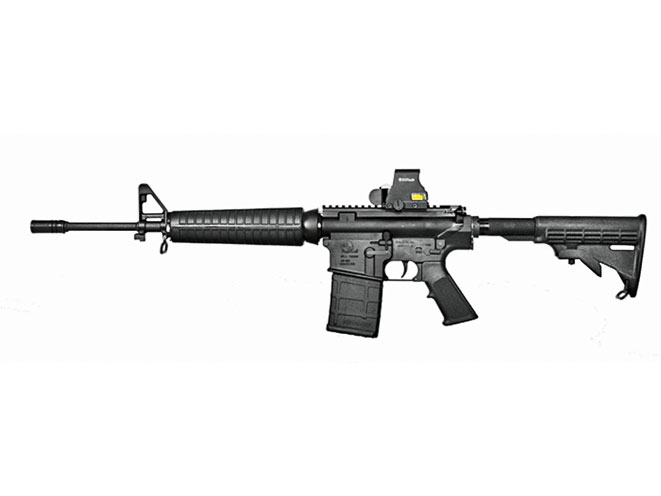
Frequently Asked Questions
Are Carbines Effective For Home Defense?
Carbines offer good accuracy and control in close quarters. Their compact size makes them easy to maneuver indoors. They provide more firepower than handguns, which can enhance home defense capability.
What Calibers Are Best For Carbine Home Defense?
Common calibers include 9mm,. 223, and. 300 Blackout. 9mm offers low recoil and sufficient stopping power. . 223 and. 300 Blackout provide higher velocity and penetration, suitable for varied defense needs.
Are Carbines Easier To Handle Than Shotguns?
Yes, carbines are generally lighter and have less recoil than shotguns. This makes them easier to control for most shooters, especially in tight home environments.
Can Carbines Be Used Safely Indoors?
Yes, with proper training and ammunition choice, carbines can be safe indoors. Using frangible or reduced-penetration rounds helps minimize risk to others in the home.
Conclusion
Carbines can work well for home defense in many situations. They are light, easy to handle, and offer good accuracy. Their size helps in tight spaces like hallways and rooms. Ammo capacity usually beats handguns, which means fewer reloads. Noise and recoil stay manageable for most users.
Still, training and practice matter most for safety and skill. Choosing the right tool depends on your comfort and needs. Think about your home layout and who will use the carbine. This will help you make a smart, confident choice.

