
Are you wondering if lever-action rifles can really hit the mark? Whether you’re a hunter, a sport shooter, or just curious, accuracy matters to you.
Lever-action rifles have a rich history and a unique design, but how do they perform when it comes to precision? Keep reading, because we’re about to uncover the truth behind their accuracy and help you decide if they’re the right choice for your shooting needs.
Lever-action Rifle Basics
Lever-action rifles have a unique place in firearm history. They stand out for their fast cycling and classic design. These rifles use a lever to load cartridges into the chamber. Their design makes them easy to use and reliable.
Understanding the basics helps to know why many hunters and shooters still prefer them. This section explores their history, main parts, and popular models. It gives a clear picture of what makes lever-action rifles special.
History And Evolution
Lever-action rifles date back to the mid-1800s. The first popular model was the Henry rifle, made in 1860. It offered faster firing than earlier weapons. Later, the Winchester rifle improved the design with more power and durability.
Over time, these rifles evolved to handle different types of ammunition. They became tools for hunting, sport, and self-defense. Their classic look remains popular today, blending old style with modern features.
Key Components
The lever-action rifle has several important parts. The lever itself is the main piece used to cycle rounds. The barrel directs the bullet when fired. The stock provides a grip and shoulder support. Inside, the magazine holds multiple cartridges.
These parts work together for smooth and quick shooting. The rifle’s design keeps it balanced and easy to carry. Simple mechanics make cleaning and repairs easier too.
Popular Models
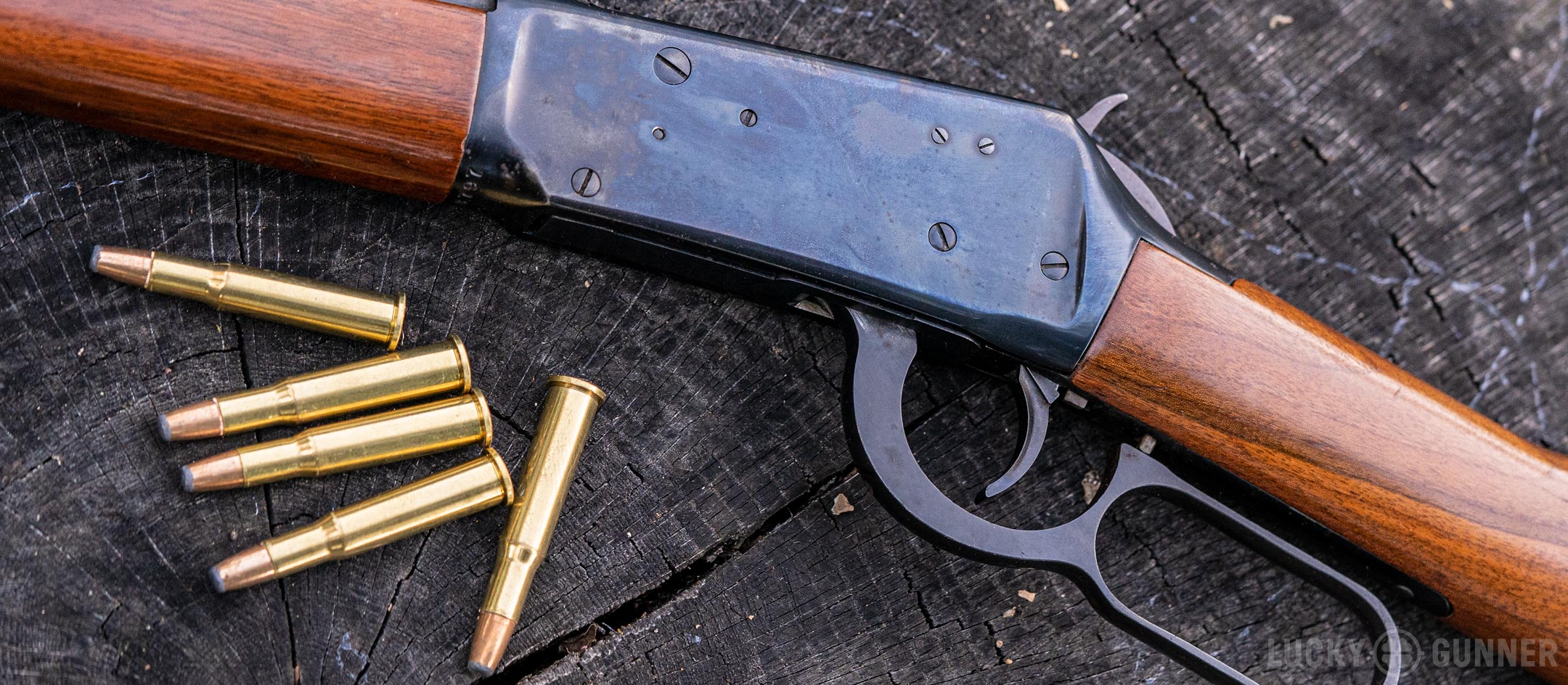
The Winchester Model 1894 is one of the most famous lever-action rifles. It is known for its reliability and classic style. The Marlin 336 is another favorite, praised for accuracy and ruggedness.
Other models like the Henry Repeating Rifle offer modern updates. These rifles suit different needs from hunting to target shooting. Their variety keeps the lever-action rifle relevant today.
Factors Influencing Accuracy
Accuracy in lever-action rifles depends on many factors. These factors affect how well the bullet hits the target. Understanding them helps shooters get better results. Let’s explore the key elements that influence accuracy.
Barrel Length And Quality
Barrel length affects bullet speed and stability. Longer barrels often improve accuracy but can be harder to handle. Shorter barrels are easier to carry but may reduce precision.
Barrel quality matters a lot. A well-made barrel with smooth rifling guides the bullet steadily. Poor quality barrels can cause bullets to wobble and miss the target.
Ammunition Types
Different ammunition types change how the rifle shoots. Some bullets are designed for speed, others for power. Match the ammunition with your rifle for best accuracy.
Using consistent, high-quality ammo helps reduce variation in shots. Cheap or inconsistent ammo can cause poor grouping and less accuracy.
Shooting Techniques
Good shooting technique improves accuracy significantly. Proper stance, grip, and breathing control help keep the rifle steady.
Practice slow, smooth trigger pulls to avoid jerking the rifle. Consistent follow-through after each shot also helps maintain accuracy.
Precision Compared To Other Rifles
Lever-action rifles have a unique place in shooting sports and hunting. Their accuracy depends on many factors like barrel length, ammunition, and shooter skill. Comparing their precision to other rifles helps understand their strengths and limits. This section explores how lever-action rifles perform against bolt-action and semi-automatic rifles.
Lever-action Vs Bolt-action
Bolt-action rifles often deliver higher precision than lever-actions. The bolt design locks the cartridge tightly, reducing movement during firing. This creates a stable platform for accurate shots. Lever-actions have more moving parts, which can slightly reduce precision. Still, lever-actions can be very accurate with proper care and quality ammo.
Bolt-actions are popular for long-range shooting. Their design supports heavier barrels and better scopes. Lever-actions usually excel at shorter ranges. Their faster cycling speed suits quick follow-up shots, but accuracy drops at longer distances.
Lever-action Vs Semi-automatic
Semi-automatic rifles offer rapid fire and consistent accuracy. They use gas or recoil to cycle the next round. This system keeps the rifle stable and ready for follow-up shots. Lever-actions require manual cycling, which can disrupt aim between shots.
Accuracy on a semi-automatic can match or exceed lever-actions in many cases. However, lever-actions are known for reliability and simplicity. This makes them a favorite for hunters in dense woods where quick shots matter more than pinpoint precision.
Power And Ballistics
Power and ballistics play a key role in the accuracy of lever-action rifles. These rifles come in various calibers, each with different strengths. Understanding their power and bullet behavior helps in choosing the right rifle for your needs.
Ballistics affect how far and how accurately the bullet travels. The energy behind each shot determines its impact on the target. This section breaks down the main aspects of power and ballistics for lever-action rifles.
Caliber Options
Lever-action rifles come in many calibers, like .30-30 Winchester, .45-70 Government, and .357 Magnum. Each caliber offers different bullet sizes and speeds. Smaller calibers are easier to handle and produce less recoil. Larger calibers deliver more power but can be harder to control. Choosing the right caliber affects accuracy and shooting comfort.
Effective Range
The effective range of lever-action rifles varies by caliber and bullet type. Most lever-actions perform best within 100 to 200 yards. Beyond this, bullet drop and wind affect accuracy. Hunting or target shooting within this range gives better results. Understanding the range helps shooters make better shots and avoid misses.
Stopping Power
Stopping power means how well a bullet can stop a target quickly. Larger calibers like .45-70 Government have strong stopping power. They deliver heavy bullets that cause significant impact. Smaller calibers like .30-30 offer moderate stopping power but less recoil. Choosing a caliber with enough stopping power ensures safety and effectiveness, especially in hunting.
Common Accuracy Challenges
Lever-action rifles have a loyal following, but they face some accuracy challenges. Understanding these common issues helps shooters improve their aim and performance. Below are key factors that often affect the accuracy of lever-action rifles.
Mechanical Limitations
Lever-action rifles have more moving parts than bolt-action rifles. These parts can cause slight shifts when cycling the action. Small changes in the barrel alignment may reduce shot precision. The design also limits the types of ammunition that work best. This can affect consistency and grouping at longer distances.
Recoil Management
Recoil affects shooter control and accuracy. Lever-action rifles often use medium to heavy loads that produce noticeable recoil. Poor recoil management can cause the shooter to flinch or move the rifle early. This leads to shots that miss the target or spread out. Proper stance and grip help reduce recoil impact.
Sight Alignment
Many lever-action rifles come with iron sights or simple scopes. Aligning these sights perfectly is crucial for accuracy. Small errors in sight alignment cause shots to veer off target. Adjusting sights and practicing proper aiming techniques improve shot placement. Clear sight picture and steady hold make a big difference.

Improving Lever-action Accuracy
Improving the accuracy of lever-action rifles is possible with a few key adjustments. These rifles have a solid design, but small changes can boost precision. Focus on sights, ammunition, and upkeep to see better results. Each step helps the rifle shoot straighter and hit targets more reliably.
Upgrading Sights And Optics
Stock sights on lever-action rifles are often basic. Upgrading to better iron sights or scopes improves aiming. A quality scope helps see targets clearly at longer distances. Mounts should be secure to avoid shifting during recoil. Proper sight alignment makes a big difference in accuracy.
Custom Ammunition
Not all ammo performs the same in lever-action rifles. Using custom or hand-loaded ammunition tuned to your rifle improves consistency. Bullets with the right weight and shape reduce barrel wear and increase precision. Testing different loads helps find the best fit for your gun.
Maintenance Tips
Regular cleaning keeps the rifle functioning well. Dirt and residue can affect bullet path and velocity. Lubricate moving parts to ensure smooth operation. Check screws and bolts often to keep everything tight. A well-maintained rifle shoots more accurately and lasts longer.
Applications And Use Cases
Lever-action rifles have a variety of uses. Their design and accuracy suit several activities well. These rifles remain popular for many reasons. Here are some common applications and use cases for lever-action rifles.
Hunting Scenarios
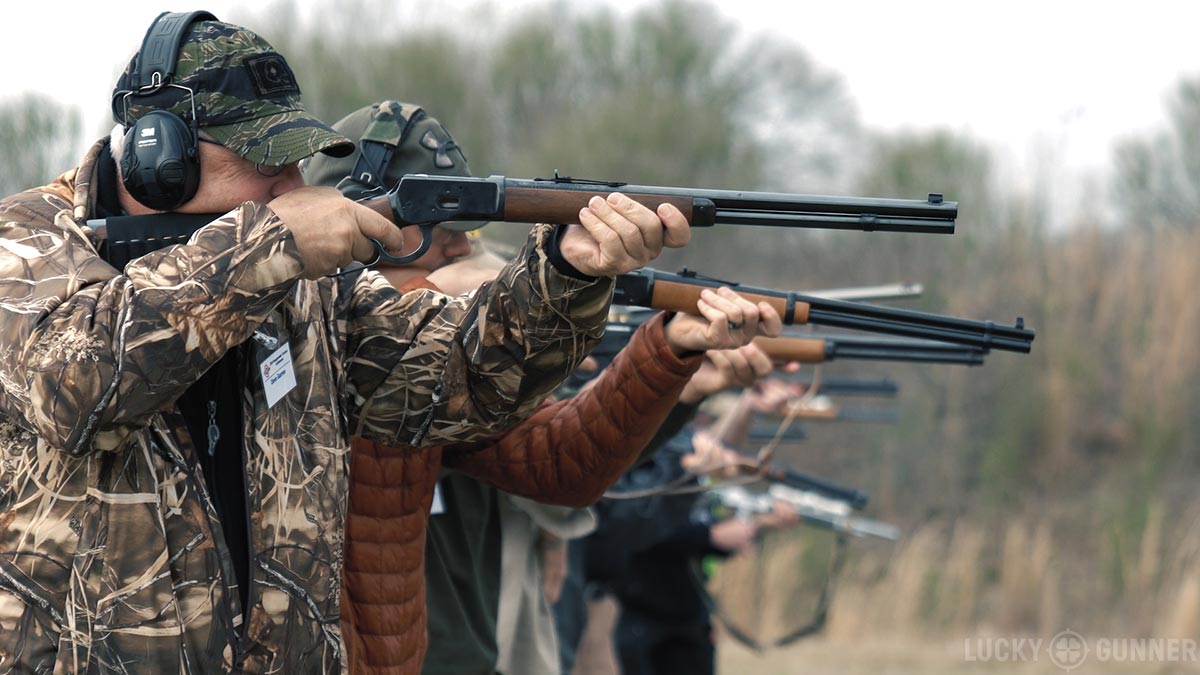
Lever-action rifles work well for hunting small to medium game. Their quick action helps in fast follow-up shots. Hunters value their balance and ease of use in forests and open fields. These rifles perform best at short to medium ranges. They offer enough accuracy for deer, hogs, and similar animals. The moderate recoil helps hunters stay steady on target.
Target Shooting
Many shooters enjoy lever-action rifles for target practice. Their smooth operation adds to the shooting experience. The rifles provide consistent accuracy at typical target distances. Shooters use them to improve their aiming skills and timing. Lever-action rifles also offer a fun challenge with their manual cycling. They are suitable for casual shooting and informal competitions.
Historical And Collectible Use
Lever-action rifles hold a special place in history. They are linked to the Old West and early American frontier. Collectors value original models and replicas for their craftsmanship. These rifles often appear in museums and reenactments. They serve as a reminder of firearm development and heritage. Many enthusiasts enjoy owning and preserving these classic firearms.
Frequently Asked Questions
Are Lever-action Rifles Accurate For Hunting?
Yes, lever-action rifles offer good accuracy for hunting at moderate ranges. Their design provides consistent shot placement and reliable performance in various conditions.
How Does Barrel Length Affect Lever-action Rifle Accuracy?
Longer barrels generally improve accuracy by stabilizing bullets better. However, lever-action rifles balance barrel length with maneuverability for practical use.
Can Lever-action Rifles Compete With Bolt-action Accuracy?
Lever-action rifles are accurate but usually less so than bolt-actions. Bolt-actions often provide tighter groups at longer distances due to their design.
What Factors Influence Lever-action Rifle Accuracy?
Accuracy depends on barrel quality, ammunition type, shooter skill, and proper maintenance. Each factor plays a crucial role in consistent shot placement.
Conclusion
Lever-action rifles can be accurate for many shooting needs. Their design allows for quick follow-up shots. They perform well at moderate distances. Skilled shooters often hit their targets reliably. Ammunition choice and rifle maintenance affect accuracy. These rifles suit hunting and sport shooting.
They may not match bolt-action rifles at long range. Still, they offer a good balance of speed and precision. For many shooters, lever-actions provide dependable accuracy. Consider your needs before choosing any rifle type.

