
When it comes to protecting your home, choosing the right firearm is a big decision. You’ve probably heard about lever-action rifles, but are they really a good choice for home defense?
You want something reliable, easy to use, and effective when it matters most. This article will help you understand the strengths and weaknesses of lever-action rifles so you can decide if they fit your needs. Keep reading to find out what makes these rifles stand out—and where they might fall short in a home defense situation.
Lever-action Rifles Basics
Lever-action rifles have a long history in American firearms. They are known for their unique design and reliable use. Understanding the basics helps to see if these rifles fit for home defense. Let’s explore the key features and types of lever-action rifles.
Mechanism And Operation
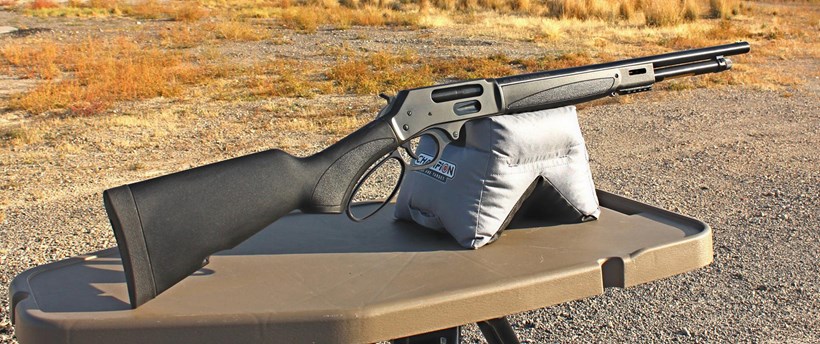
Lever-action rifles work by using a lever located under the trigger guard. Moving the lever cycles the action, ejecting a spent cartridge and loading a new one. This action is smooth and fast, allowing quick follow-up shots. The mechanism is simple and sturdy, making it easy to operate and maintain. It also offers a good balance between speed and control.
Common Models
Several popular lever-action rifle models exist today. The Winchester Model 1894 is one of the most famous. Marlin 336 is another widely used model, known for its durability. Henry Repeating Arms also makes reliable lever-action rifles. These models vary in size and weight but share the classic lever-action design. They are popular among hunters, collectors, and home defense users alike.
Caliber Options
Lever-action rifles come in many calibers. Common choices include .30-30 Winchester, .45-70 Government, and .357 Magnum. Smaller calibers like .22 LR are also available for practice and small game hunting. Larger calibers offer more stopping power, useful for home defense. The choice depends on personal preference and intended use. Caliber affects recoil, range, and ammunition availability.
Advantages For Home Defense
Lever-action rifles offer several advantages for home defense. Their design and features make them a practical choice for many homeowners. These rifles combine power, ease, and reliability in a compact form. Understanding these benefits helps decide if they fit your home defense needs.
Reliability And Durability
Lever-action rifles are known for their strong build. They use simple mechanics that rarely fail. This reliability is crucial in emergencies. You can trust the rifle to work when needed. The materials used in these rifles resist wear and tear. This durability ensures they last for years without issues.
Ease Of Use
Operating a lever-action rifle is straightforward. The lever action cycles the next round quickly and smoothly. This makes it easy to fire follow-up shots. The controls are simple, even for beginners. Many users find the rifle comfortable to hold and aim. Its manageable size helps in tight spaces like hallways.
Ammunition Capacity
Lever-action rifles typically hold several rounds in their tubular magazine. This capacity is enough for most home defense situations. Reloading is fast and simple with easy access to the chamber. Carrying extra ammunition is convenient without bulk. This balance of capacity and compactness suits indoor defense well.
Limitations To Consider
Lever-action rifles have some limits for home defense. Knowing these helps you decide if they fit your needs. Consider how these factors might affect your ability to protect your home.
Reloading Speed
Lever-action rifles reload slower than many other guns. Each round must be loaded one by one. In a fast, tense moment, this can be a big drawback. Quick reloading is important to stay ready.
Size And Maneuverability
These rifles tend to be longer and heavier. Moving around tight spaces can be harder. Corners, hallways, and small rooms may limit your actions. A shorter, lighter weapon can be easier to handle indoors.
Stopping Power
Stopping power varies with the ammo used. Some rounds may not stop threats quickly. This can put you at risk during a serious attack. Choosing the right caliber is key for effective defense.
Comparison With Other Firearms
Choosing the right firearm for home defense is important. Lever-action rifles are one option. Comparing them to other firearms helps understand their strengths and limits. Each type serves a different purpose in a home defense situation.
Shotguns
Shotguns deliver strong stopping power. They spread pellets, making it easier to hit a target. This reduces the need for perfect aim. Lever-action rifles shoot single bullets, requiring more accuracy. Shotguns have shorter range but higher impact at close distances. They are loud and produce strong recoil, which can be hard to control. Lever-action rifles are quieter and easier to handle for some users.
Semi-automatic Rifles
Semi-automatic rifles offer rapid fire and quick reloads. They allow multiple shots without manual action between each. Lever-action rifles need a lever cycle for each shot, slowing the rate of fire. Semi-automatics often have better accuracy at longer distances. They can be heavier and more complex. Lever-action rifles are simpler and more reliable in tough conditions.
Handguns
Handguns are compact and easy to store. They allow quick access in tight spaces. Lever-action rifles are longer and harder to maneuver indoors. Handguns require less training for quick use. They have less stopping power compared to rifles. Lever-action rifles provide better range and precision. Handguns are preferred for quick defense, while rifles offer more control and power.
Safety And Training Tips
Using a lever-action rifle for home defense requires careful attention to safety and proper training. Knowing how to handle the rifle correctly reduces risks and increases confidence. Practice and smart storage keep your home secure and your family safe.
Proper Handling
Always point the rifle in a safe direction. Keep your finger off the trigger until ready to shoot. Learn how to load and unload the rifle safely. Understand the mechanics of the lever-action to avoid jams. Treat every rifle as if it is loaded.
Practice Drills
Regular practice builds muscle memory and quick responses. Start with slow, controlled drills to learn basics. Progress to faster drills simulating real situations. Practice clearing malfunctions and reloading. Train in different lighting and positions.
Storage Solutions
Store the rifle where only trusted adults can reach it. Use a gun safe or lockbox for secure storage. Keep ammunition stored separately from the rifle. Teach family members about firearm safety without showing how to use it. Check storage devices regularly for damage or wear.

Expert Opinions
Experts offer clear views on lever-action rifles for home defense. Their opinions help us understand the practical use of these firearms. Different professionals focus on unique aspects such as reliability, ease of use, and effectiveness. Let’s explore what law enforcement, firearm instructors, and home defense enthusiasts say.
Law Enforcement Views
Many police officers rarely choose lever-action rifles for duty. Their preference leans toward semi-automatic weapons. They value fast follow-up shots and larger magazine capacity. Yet, some officers respect lever-actions for their reliability. These rifles work well in close quarters with less noise. Officers suggest they can be effective but not the best primary choice.
Firearm Instructors
Instructors often highlight the simplicity of lever-action rifles. They teach that these guns have fewer moving parts, which means fewer jams. Some trainers warn about slower reload times. They stress the importance of practice with any firearm. Many recommend lever-actions for users who want a reliable and easy-to-maintain option. However, they advise considering personal speed and comfort.
Home Defense Enthusiasts
Home defense fans appreciate lever-action rifles for their classic design and power. They like the short barrel length for maneuverability indoors. Many say the rifle’s capacity is enough for most home defense situations. Some users enjoy the satisfying manual cycling action. Enthusiasts often pair these rifles with quality ammunition for stopping threats quickly. They see lever-actions as solid backups or primary options for protection.
Legal And Practical Considerations
Choosing a lever-action rifle for home defense requires thought beyond just the firearm’s features. Legal rules and practical details shape how effective and safe it will be. These factors help avoid trouble and ensure better protection.
Local Laws
Every place has its own gun laws. Some areas limit what kind of rifles you can keep at home. Others may have rules on how to store or carry them. Know your local laws before using a lever-action rifle. This stops legal problems after a self-defense incident. Check with local police or legal experts for clear guidance.
Home Layout Impact
The design of your house affects how well a lever-action rifle works. Large homes with long hallways might suit this type of rifle. Tight spaces and many rooms make it harder to handle. Lever-action rifles can be slower to reload than other guns. Think about your home’s size and layout. Choose a firearm that fits how you move inside your home.
Neighbor Awareness
Using any firearm at home can affect your neighbors. Lever-action rifles often use powerful rounds that can pass through walls. This creates risks for people nearby. Consider sound and safety before choosing this rifle for defense. Talk with neighbors about your plans. Keeping everyone safe and aware matters in any home defense setup.

Frequently Asked Questions
Are Lever-action Rifles Reliable For Home Defense?
Yes, lever-action rifles are reliable due to their sturdy build and simple mechanics. They function well in close quarters with quick follow-up shots. Proper maintenance ensures consistent performance during emergencies.
How Effective Are Lever-action Rifles In Self-defense?
Lever-action rifles offer moderate stopping power and accuracy. They are effective at short to medium ranges. Their capacity and reload speed may be lower than semi-automatic firearms but remain sufficient for home defense.
Can Lever-action Rifles Handle Different Ammunition Types?
Yes, lever-action rifles can use various calibers like. 357 Magnum and. 44 Magnum. This flexibility allows users to choose rounds suitable for stopping threats while minimizing over-penetration risks indoors.
Are Lever-action Rifles Easy To Operate Under Stress?
Lever-action rifles require manual cycling after each shot, which may slow down rapid fire. However, many find them intuitive with practice, making them manageable during stressful home defense situations.
Conclusion
Lever-action rifles offer some clear benefits for home defense. They are reliable and easy to use. Their quick reload and moderate size make them practical indoors. Some models have good stopping power without too much recoil. Still, consider your home layout and personal comfort before choosing one.
Training and practice are key for any defensive firearm. Overall, lever-actions can be a solid option, but they are not the only choice. Think about what fits your needs best. Safety should always come first.

