
Are you curious about owning a lever-action rifle but unsure if it’s legal where you live? You’re not alone.
Many gun enthusiasts wonder if these classic firearms are allowed in most states. Knowing the laws can save you from unexpected trouble and help you enjoy your hobby safely. You’ll get clear answers about lever-action rifle legality, what rules might affect you, and how to stay on the right side of the law.
Keep reading to make sure your next firearm choice is both smart and legal.
Lever-action Rifles Basics
Lever-action rifles have a rich history in the world of firearms. They are known for their unique mechanism and classic design. Many people appreciate these rifles for hunting, sport shooting, and collecting. Understanding their basics helps you learn why they remain popular today.
Key Features
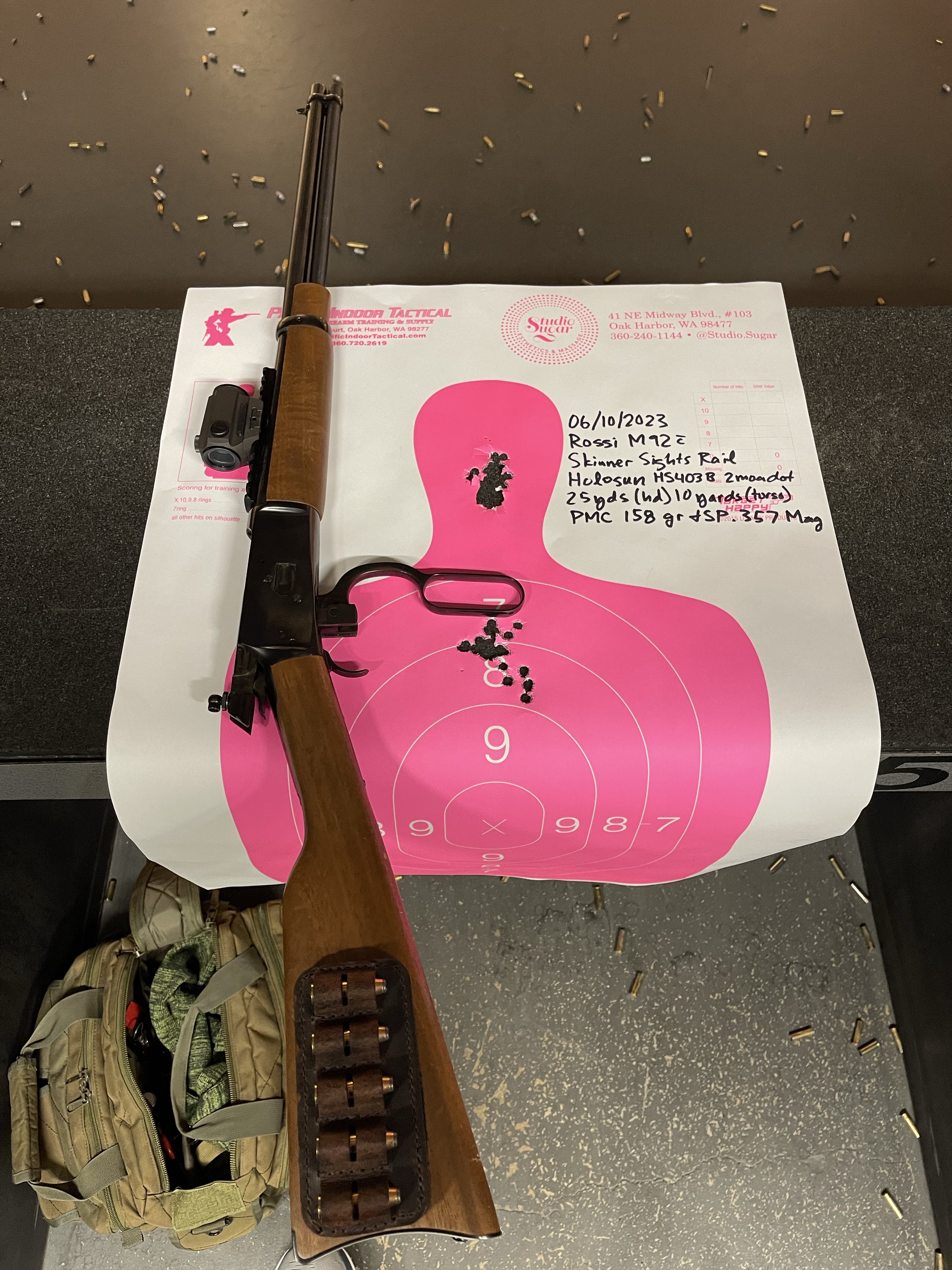
Lever-action rifles have a lever located near the trigger. This lever cycles the action to load a new round. They typically use tubular magazines under the barrel. The design allows quick follow-up shots without removing your hands from the grip. Many models have a wooden stock and a metal barrel. Their size and weight make them easy to carry and handle.
Common Models
Some lever-action rifles are famous worldwide. The Winchester Model 1873 is often called “The Gun That Won the West.” The Marlin Model 336 is popular among hunters today. Henry Repeating Arms also produces well-known lever-action rifles. These models come in various calibers and finishes. They suit different needs, from hunting small game to target shooting.

Federal Firearm Laws Impact
Federal firearm laws play a big role in the legality of lever-action rifles. These laws set the rules for buying, owning, and using firearms across the United States. Lever-action rifles must follow these rules to be legal in most states. Understanding these laws helps gun owners stay safe and legal.
Regulations Affecting Lever-actions
Lever-action rifles are generally legal under federal law. They are treated like most other rifles. Buyers must pass a background check. The firearm must not be stolen or used in a crime. Certain features, like barrel length, can affect legality. Rifles with barrels shorter than 16 inches may face restrictions. These rules ensure the weapon is safe for civilian use.
National Firearms Act Considerations
The National Firearms Act (NFA) controls specific firearms. Lever-action rifles are usually not NFA items. But if modified, they can fall under NFA rules. For example, a lever-action rifle with a barrel under 16 inches is an NFA weapon. Owners must register it with the Bureau of Alcohol, Tobacco, Firearms and Explosives (ATF). They must also pay a tax and get approval before owning it.
State-level Restrictions
State-level restrictions on lever-action rifles differ widely across the U.S. Laws depend on local views and safety concerns. Some states allow these rifles with few rules. Others limit their features or ban certain models. Understanding these rules helps owners stay legal.
These differences affect how and where people can use lever-action rifles. Knowing your state’s laws is key before buying or carrying one. Below are examples of states with few restrictions and those with specific limits.
States With Few Restrictions
Many states treat lever-action rifles like standard hunting rifles. They allow ownership and use without extra permits. States such as Texas, Wyoming, and Montana have minimal rules on these guns. Users can carry them openly or concealed, following general firearm laws.
In these states, lever-action rifles are popular for hunting and sport shooting. Owners enjoy easy access and low regulation. Background checks and age limits still apply, but no special restrictions target lever-action models.
States With Specific Bans Or Limits
Some states place unique limits on lever-action rifles. California bans rifles with detachable magazines over 10 rounds, including many lever-actions. New York restricts certain features like pistol grips on these guns.
Other states may require special permits or registration for lever-action rifles. For example, Massachusetts has rules about barrel length and overall size. These laws aim to reduce risks linked to rapid firing or concealment.
Knowing these specific bans helps owners avoid fines or legal trouble. Always check state laws before buying or carrying a lever-action rifle.
Magazine Capacity Rules
Magazine capacity rules affect lever-action rifles in many states. These rules set limits on how many rounds a rifle can hold. Knowing these limits helps owners stay within the law. Some states have strict rules, while others are more relaxed. Understanding these rules is important for safe and legal firearm use.
Typical Limits
Most states limit magazine capacity to 10 rounds. This means a lever-action rifle can only hold up to 10 bullets. Some states allow fewer rounds, like 5 or 7. These limits aim to reduce the chances of high-capacity firing. Many lever-action rifles come with magazines that fit these limits.
Exceptions And Loopholes
Certain states have exceptions for lever-action rifles. Some do not count tubular magazines as high capacity. Tubular magazines store bullets in a tube under the barrel. This design often holds more than 10 rounds but may still be legal. Other states allow modifications to meet legal limits. Always check local laws to avoid breaking magazine rules.
Age And Licensing Requirements
Age and licensing rules affect who can own and use lever-action rifles. These laws help keep firearms safe and controlled. Each state sets its own age limits and licensing needs. Understanding these rules is important for legal ownership.
Minimum Age Laws
Most states require you to be at least 18 years old to buy a lever-action rifle. Some states have stricter rules and may require buyers to be 21. The age limit helps prevent young people from accessing guns too early. Always check your state’s specific age laws before buying or using a lever-action rifle.
Permit And Background Checks
Many states ask for permits to own or carry lever-action rifles. Getting a permit usually means passing a background check. Background checks look for criminal history or other issues. Some states require safety training before issuing permits. These steps ensure responsible ownership and public safety.

Hunting And Sporting Use
Lever-action rifles have a long history in hunting and sport shooting. Their design offers quick follow-up shots. This makes them popular among hunters and shooting enthusiasts. Understanding the legal status of these rifles is important for responsible use. Laws vary by state, but most allow lever-action rifles for hunting and sport. Knowing the specific rules helps avoid legal issues.
Legal Use In Hunting
Many states permit lever-action rifles for hunting. They are often allowed for deer and small game. Some states set limits on caliber size or magazine capacity. Hunters must follow these regulations to stay legal. Using lever-action rifles can be effective for quick shots. They offer accuracy and reliability in the field. Always check state hunting laws before using any firearm.
Sport Shooting Regulations
Sport shooting with lever-action rifles is generally legal in most states. Many shooting ranges welcome lever-action rifles for target practice. Some competitions specifically include lever-action categories. Restrictions may apply to magazine size or modifications. Safety rules and range policies must be followed at all times. Lever-action rifles provide a fun and challenging experience for sport shooters.
Recent Legal Changes And Trends
The legal status of lever-action rifles has seen changes recently. Laws are shifting in various states. These changes affect ownership, use, and sales of these rifles. Understanding recent trends helps owners stay informed and compliant.
New Legislation Impacting Lever-actions
Some states introduced new rules targeting lever-action rifles. These laws may limit magazine capacity or require special permits. Others focus on specific features like barrel length or overall size. Lawmakers aim to address safety concerns and public opinion. This creates a patchwork of regulations across the country. Gun owners must check local laws before buying or carrying.
Advocacy And Legal Challenges
Gun rights groups actively oppose restrictive lever-action laws. They argue these rifles have long histories and low risks. Legal challenges have been filed in courts nationwide. Some cases seek to overturn recent bans or limits. The debate involves constitutional rights and public safety. Ongoing advocacy efforts aim to shape future legislation. This fight influences how laws evolve over time.
Tips For Buyers And Owners
Buying or owning a lever-action rifle requires care and knowledge. Knowing the rules and handling your firearm responsibly keeps you safe and legal. Follow these tips to enjoy your rifle without trouble.
Checking Local Laws
Start by learning your state’s laws about lever-action rifles. Rules can change from place to place. Some states have restrictions on barrel length or magazine size. Always check if you need a permit or license. Visit official government websites or contact local law enforcement for clear answers. Staying informed helps avoid legal problems.
Safe Storage And Transport
Store your rifle in a locked safe or cabinet. Keep it unloaded and separate from ammunition. This prevents accidents and unauthorized use. When moving your rifle, use a proper case. Make sure it is unloaded during transport. Follow any specific rules your state has about carrying firearms. Safe habits protect you and those around you.
Frequently Asked Questions
Are Lever-action Rifles Legal In Most Us States?
Yes, lever-action rifles are legal in most US states. However, state laws vary, so check local regulations before purchasing or carrying one.
Do Lever-action Rifles Require Special Permits?
Generally, lever-action rifles do not require special permits. Standard firearm licenses usually cover their ownership and use in most states.
Are Lever-action Rifles Restricted In Certain States?
Some states have restrictions on lever-action rifles, like magazine capacity limits. Always verify state and local laws to ensure compliance.
Can Lever-action Rifles Be Used For Hunting?
Yes, lever-action rifles are popular for hunting. Many states allow their use for various game, subject to local hunting regulations.
Conclusion
Lever-action rifles are legal in most states across the U. S. Laws can differ, so check local rules before buying. These rifles often have fewer restrictions than others. Knowing the laws helps you stay safe and legal. Always follow state and federal guidelines carefully.
Owning a lever-action rifle can be simple with the right knowledge. Stay informed and responsible.

