Are you thinking about getting your first handgun but feel overwhelmed by all the options? You might be wondering if revolvers are a good choice for beginners like you.
Choosing the right firearm is a big decision, and it’s important to find one that feels safe, simple, and reliable. You’ll discover the key reasons why revolvers could be the perfect fit for your needs. Keep reading to learn how a revolver can help you build confidence and skill quickly, so you can feel secure and in control every time you handle your gun.

Why Choose A Revolver
Choosing a revolver can be smart for beginners. These guns have clear benefits that make learning easier. Their design and function help new shooters feel confident and safe. This section explains why revolvers are good choices for people just starting.
Simplicity And Reliability
Revolvers have a simple design. They use a rotating cylinder to hold bullets. This means fewer parts can break or jam. Beginners find this easy to understand and use. Revolvers fire smoothly with less chance of malfunction. This makes shooting less stressful and more enjoyable.
Ease Of Maintenance
Cleaning a revolver is straightforward. Its parts are easy to access and take apart. New shooters can quickly learn to clean and care for it. No complex tools or skills are needed. Keeping the gun in good shape is less of a worry. This helps build good habits and safety.
Safety Features
Revolvers have built-in safety features. The heavy trigger pull reduces accidental firing. Many models have a safety bar or lock system. These features protect the user and those nearby. Beginners gain peace of mind with these safety measures. Feeling safe boosts confidence and focus during practice.
Key Advantages For Beginners
Revolvers offer clear benefits for beginners in shooting. They provide a simple and reliable experience. This section explains why revolvers suit new shooters well. Understanding these advantages helps beginners choose the right firearm.
User-friendly Operation
Revolvers have a straightforward design. They load and fire with fewer steps. Beginners find them easier to handle. The simple trigger pull reduces confusion. There are no complicated safeties or controls. This ease helps new shooters feel confident.
Less Jamming And Malfunctions
Revolvers rarely jam during use. Their mechanism is less complex than semi-automatics. Less jamming means fewer interruptions while shooting. Beginners can focus on learning without fixing problems. This reliability builds trust in the firearm.
Better Learning Experience
Using a revolver teaches essential shooting skills. It helps beginners understand trigger control and aiming. The slower pace encourages careful shooting habits. Each shot requires deliberate action. This method supports safer and more mindful practice.
Potential Drawbacks To Consider
Revolvers have many benefits, but beginners should know their limits. These drawbacks might affect your shooting experience. Understanding these points helps in choosing the right firearm.
Limited Ammunition Capacity
Revolvers usually hold fewer bullets than other handguns. Most models carry five or six rounds. This means fewer shots before needing a reload. It might be a problem in some situations. Beginners should consider how many bullets they want ready.
Slower Reloading Times
Reloading a revolver takes longer than a semi-automatic pistol. You must open the cylinder and load bullets one by one. Speed loaders can help but still slower than swapping magazines. This delay can be critical during practice or self-defense. Beginners might find this frustrating at first.
Size And Weight Factors
Many revolvers are heavier and bulkier than other pistols. This can make them harder to carry and handle. The size might affect your grip and accuracy. Smaller revolvers exist but usually have more recoil. Beginners should try different sizes to find what feels best.
Comparing Revolvers To Semi-automatics
Choosing between revolvers and semi-automatics can be confusing for beginners. Both types of guns have their own strengths and weaknesses. Understanding the main differences helps new shooters pick the right firearm for their needs. This section compares revolvers and semi-automatics in handling, maintenance, and cost.
Handling And Shooting Differences
Revolvers have a simple design. They hold fewer bullets, usually five or six. This limits how many shots you can fire before reloading. Semi-automatics hold more rounds and reload faster. They use magazines that slide in and out quickly.
Revolvers have a heavier trigger pull. This means you press the trigger harder to fire. Semi-automatics have lighter triggers, which some find easier to use. Revolvers often feel balanced and steady in the hand. Semi-automatics can be bulkier but offer quicker follow-up shots.
Maintenance Requirements
Revolvers are easier to clean. Fewer moving parts mean less can go wrong. Cleaning a revolver usually takes less time. Semi-automatics need more detailed care. Dirt and debris can cause jams or malfunctions. Regular cleaning and lubrication are important for semi-automatics.
Revolvers are less likely to jam. This makes them more reliable for beginners. Semi-automatics require more careful handling and upkeep to work well.
Cost And Availability
Revolvers tend to be less expensive upfront. Their simple design keeps costs down. Semi-automatics can cost more, especially models with higher capacity. Ammunition for both types is widely available. Magazines for semi-automatics add extra cost.
Revolvers are common and easy to find. Semi-automatics offer more variety in styles and sizes. Both are good choices depending on your budget and preferences.
Choosing The Right Revolver
Choosing the right revolver is key for beginners. The right choice makes shooting safer and more fun. It helps you learn faster and gain confidence. Several factors affect this choice. These include caliber, frame size, grip comfort, and brand quality. Each factor matters for your shooting style and comfort. Consider each carefully to find the best fit for you.
Caliber Selection
Caliber means the bullet size the revolver uses. Smaller calibers like .22 are easier to control. They have less recoil and are good for practice. Larger calibers offer more power but can be harder to handle. Beginners usually start with .22 or .38 Special. These calibers balance power and control well. Choose a caliber that feels comfortable and safe.
Frame Size And Grip Comfort
Frame size affects how the revolver feels in your hand. Smaller frames are lighter and easier to hold. Larger frames can offer more stability but may feel heavy. Grip comfort is very important for accuracy. A good grip helps you aim and shoot better. Try different sizes to see what fits your hand best. Comfort reduces fatigue and improves shooting skill.
Brand And Model Recommendations
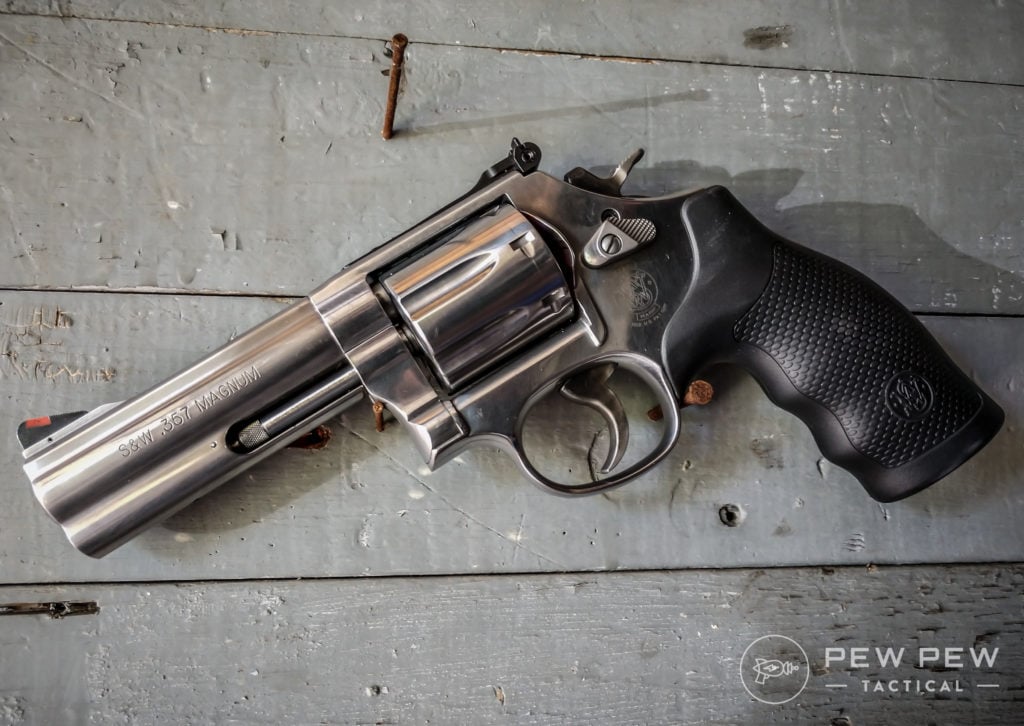
Some brands are known for quality and reliability. Brands like Smith & Wesson, Ruger, and Taurus are popular choices. Models such as the Smith & Wesson Model 642 or Ruger LCR are beginner-friendly. These models have good balance, reliability, and easy use. Choose a brand and model with good reviews and support. Quality matters for safety and long-term use.
Essential Tips For Beginners
Starting with revolvers can be simple but needs care. Knowing some key tips helps beginners use them safely and confidently. These tips cover practice, safety, and proper care. Follow them to build good habits from the start.
Practice And Training
Spend time practicing with an unloaded revolver first. Learn how to hold it firmly and aim steadily. Visit a shooting range to get real experience. Take a basic firearms safety course. Training builds your skill and comfort with the revolver. Regular practice improves your accuracy and control.
Safety Precautions
Always treat the revolver as if it is loaded. Keep your finger off the trigger until ready to shoot. Point the gun only at a safe target. Wear eye and ear protection during shooting. Check that the revolver is unloaded before cleaning or storing. Follow all local laws and rules about firearm use.
Storage And Care
Store your revolver in a locked case or safe. Keep it away from children and unauthorized people. Clean the gun regularly to prevent rust and damage. Use proper cleaning tools and follow the manual’s instructions. Proper storage and care extend the revolver’s life and safety.
Frequently Asked Questions
Are Revolvers Easier To Use For Beginners?
Yes, revolvers are simpler to operate. They have fewer moving parts and a straightforward loading process. This makes them ideal for first-time shooters learning firearm basics safely and confidently.
What Makes Revolvers Safer For New Shooters?
Revolvers have a heavier trigger pull, reducing accidental firing risks. Their design also allows visual confirmation of loaded chambers, enhancing safety for beginners handling firearms.
How Does Revolver Maintenance Compare For Beginners?
Revolvers require minimal maintenance compared to semi-automatic pistols. They have fewer parts to clean, making upkeep simpler and less time-consuming for new gun owners.
Are Revolvers Reliable For Self-defense Beginners?
Yes, revolvers are highly reliable. Their simple mechanism reduces jamming chances, providing consistent performance under stress, which is critical for self-defense novices.
Conclusion
Revolvers offer a simple and reliable option for beginners. They have fewer parts to learn and use. This makes handling and cleaning easier. Their design helps new shooters focus on basics. Reloading might be slower but builds patience. Choosing the right revolver depends on personal comfort.
Safety and practice remain the top priorities. Beginners can gain confidence with a revolver. Trying different models helps find the best fit. A steady approach leads to better shooting skills.

