
Are you wondering if semi-automatic rifles can hit their target with precision? Maybe you’ve heard mixed opinions and want to know the truth before making a decision.
Accuracy matters, whether you’re aiming for sport, hunting, or self-defense. You’ll discover how semi-automatic rifles perform when it comes to hitting the mark. By the end, you’ll have a clear understanding of what affects their accuracy and how you can improve your shooting skills.
Keep reading to unlock the facts that could change the way you think about these popular firearms.
Accuracy Factors In Rifles
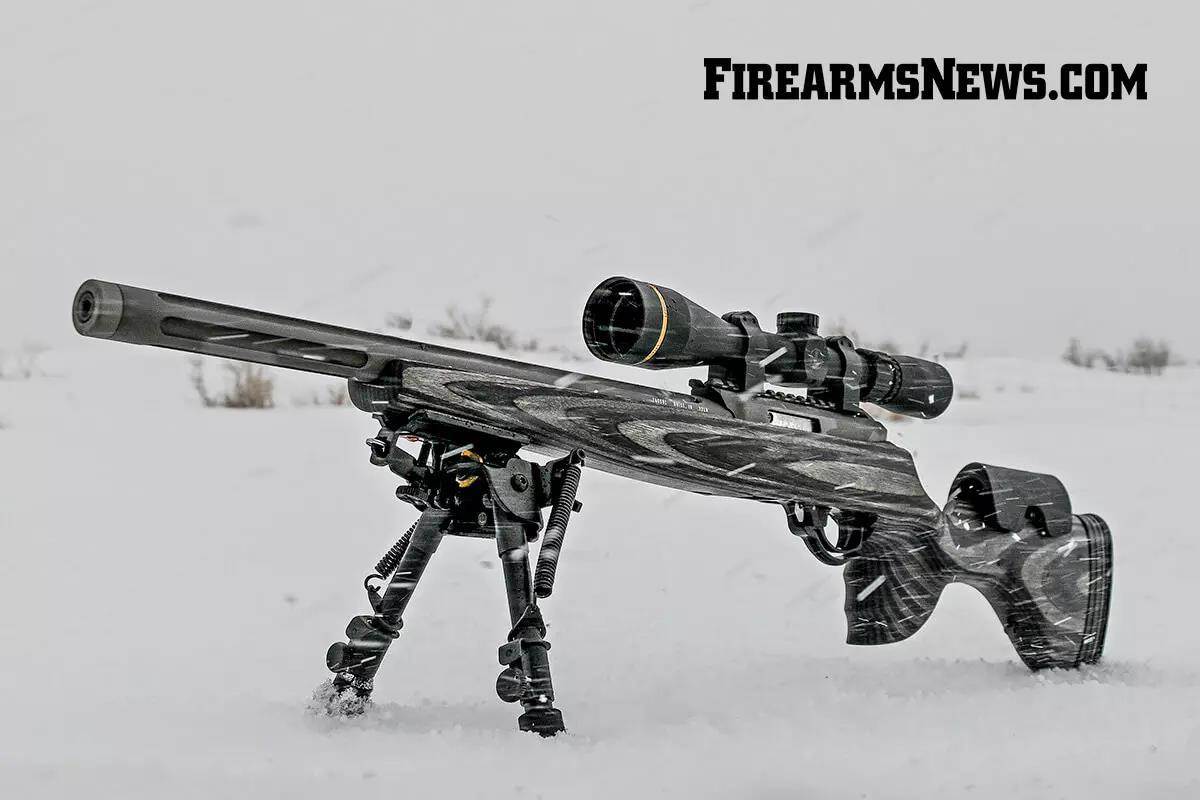
Several factors affect how accurate a rifle can be. Understanding these helps explain the performance of semi-automatic rifles. Accuracy depends on the rifle’s parts, the bullets used, and the shooter’s ability.
Barrel Quality And Length
The barrel plays a big role in accuracy. A high-quality barrel has consistent rifling inside. Rifling spins the bullet, keeping it steady in flight. Barrel length also matters. Longer barrels give bullets more time to speed up. This can improve accuracy at longer distances. But very long barrels may be harder to handle.
Ammunition Types
Not all bullets are the same. Different ammunition affects how well a rifle shoots. Some bullets fit the barrel better and fly straighter. Match-grade ammo is made for better precision. Cheap or worn-out bullets may reduce accuracy. Using the right type of ammo is important for best results.
Shooter Skill Impact
The shooter’s skill impacts accuracy a lot. Good aim and steady hands make a big difference. Breathing control, trigger pull, and stance also matter. Even the best rifle can miss if the shooter is untrained. Practice and knowledge improve shooting consistency.
Semi-automatic Rifle Mechanics
Semi-automatic rifles use a unique system to fire bullets quickly and efficiently. Understanding their mechanics helps explain their accuracy. These rifles fire one shot per trigger pull without manual cycling. Each part plays a role in how well the rifle performs.
The mechanics affect bullet speed, recoil, and trigger response. All these factors influence shooting precision. Let’s explore the key parts of semi-automatic rifle mechanics.
How Semi-automatic Action Works
Semi-automatic rifles use gas or recoil to load the next bullet. When a bullet fires, gas pushes a bolt backward. This ejects the spent cartridge and loads a new round. The rifle resets the firing mechanism automatically. This allows faster shooting than manual rifles.
Recoil And Its Effects
Recoil is the backward movement after firing a shot. Semi-automatic rifles reduce felt recoil by absorbing some energy. Less recoil helps the shooter stay on target. This improves accuracy during rapid fire. Managing recoil is key for consistent shot placement.
Trigger Mechanism Influence
The trigger controls when the rifle fires. Semi-automatic rifles often have lighter, smoother triggers. This allows better control and quicker follow-up shots. A good trigger reduces movement while shooting. It helps shooters maintain steady aim and improve accuracy.
Comparing Semi-automatic To Bolt-action
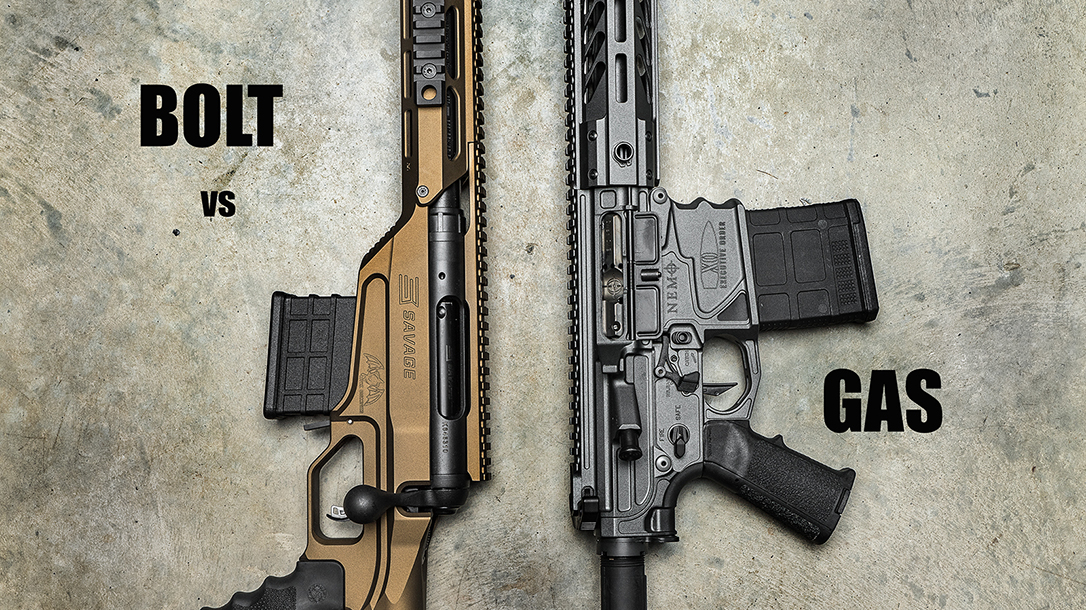
Comparing semi-automatic rifles to bolt-action models reveals key differences in design and performance. Both types have unique features that affect accuracy and shooting experience. Understanding these differences helps choose the right rifle for specific needs.
Precision Differences
Bolt-action rifles often provide higher precision. Their simple mechanism means less movement during firing. This stability helps keep shots tighter and more consistent. Semi-automatic rifles have more moving parts. This can slightly reduce precision but still offers good accuracy for many uses.
Rate Of Fire Vs Accuracy
Semi-automatic rifles allow faster shooting. They automatically reload after each shot. This speed suits rapid firing scenarios. Bolt-action rifles require manual cycling after each shot. This slows the rate of fire but lets shooters focus on aiming each time. Faster shots may reduce accuracy in semi-automatics compared to bolt-actions.
Use Cases And Preferences
Bolt-action rifles suit long-range shooting and hunting where precision matters. They are popular among marksmen and target shooters. Semi-automatic rifles fit well in tactical situations or close to mid-range shooting. Their quick follow-up shots appeal to self-defense and sport shooting users. Personal preference and shooting goals guide the choice between these rifles.
Common Misconceptions About Accuracy
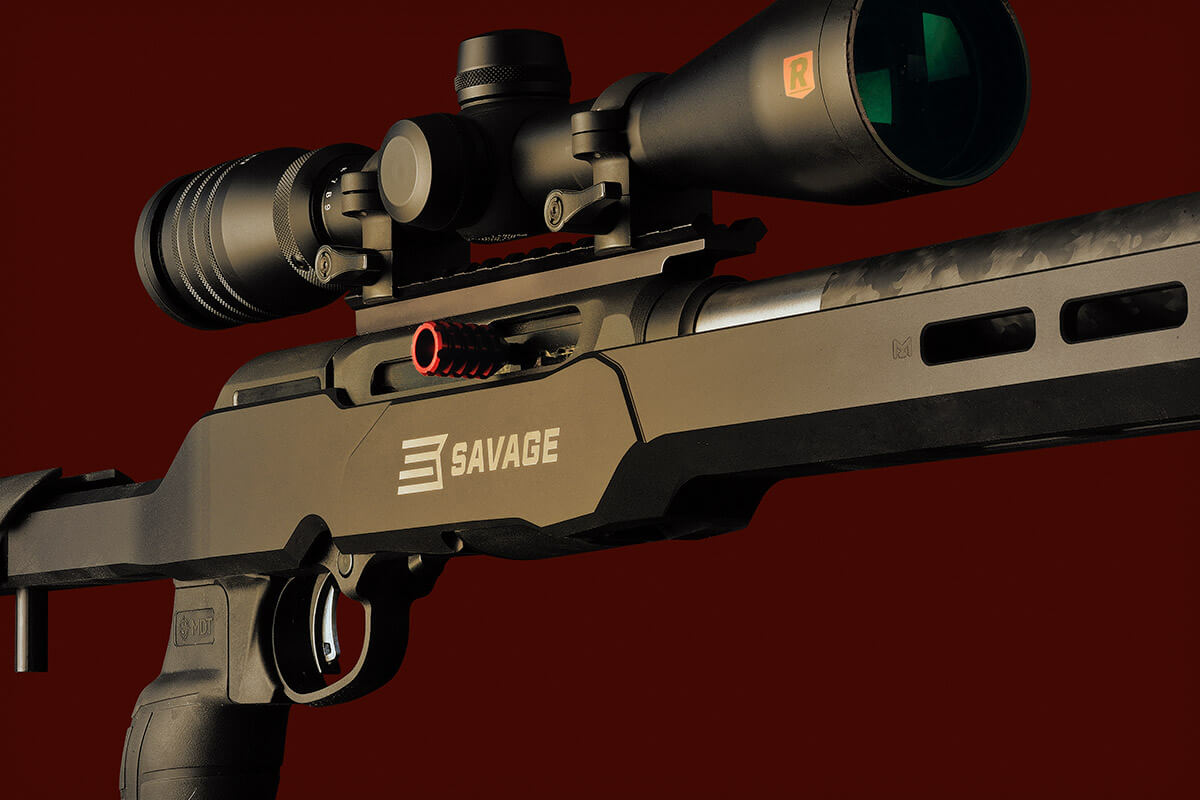
Many people have wrong ideas about the accuracy of semi-automatic rifles. These ideas often come from myths or old information. It is important to clear up these misunderstandings. Accuracy depends on many factors, not just the type of rifle.
Understanding the truth helps you make better choices. It also helps you appreciate what semi-automatic rifles can do. Let’s explore some common myths and facts about their accuracy.
Myth: Semi-autos Are Less Accurate
Some believe semi-automatic rifles cannot shoot as accurately as bolt-action rifles. This is not always true. Accuracy depends on the rifle’s design, barrel quality, and sights. Many semi-autos have precision barrels that offer tight groupings. Skilled shooters can hit targets at long distances with semi-automatic rifles. The action type does not automatically reduce accuracy. It is a common myth with no strong proof.
Impact Of Maintenance And Upgrades
Keeping a semi-automatic rifle clean and well-maintained improves accuracy. Dirt and debris can affect the rifle’s performance. Regular cleaning ensures smooth cycling and stable shots. Upgrades like better barrels, triggers, and optics also boost accuracy. Simple changes can make a big difference. A well-maintained semi-auto can match or beat many other rifles in accuracy. Neglect and poor parts hurt accuracy more than the rifle type itself.
Improving Accuracy In Semi-automatic Rifles
Improving accuracy in semi-automatic rifles takes effort and care. Small changes can make a big difference. Focus on the rifle, the shooter, and the upkeep. Each part affects how well the rifle shoots. Better accuracy means better performance and more confidence.
Upgrading Components
Changing parts can boost your rifle’s precision. A quality barrel helps bullets fly straighter. Installing a better trigger reduces pull weight. This makes the shot smoother and steadier. Adding a good optic improves your aim. Even small upgrades add up to better results.
Proper Shooting Techniques
Good habits improve shooting accuracy. Hold the rifle firmly but not too tight. Breathe slowly and squeeze the trigger gently. Keep your body steady and your eyes on the target. Practice regularly to build muscle memory. Consistent technique leads to consistent shots.
Regular Maintenance Tips
Clean your rifle often to keep it working well. Dirt and debris can affect accuracy. Check the barrel, bolt, and trigger for wear. Lubricate moving parts to reduce friction. Tighten screws and mounts to avoid wobble. A well-maintained rifle shoots more accurately every time.
Real-world Performance Examples
Understanding the real-world accuracy of semi-automatic rifles requires looking at their performance in different settings. These rifles are tested in tough conditions. Their results show how well they really shoot. Below are examples from various fields that highlight their true capabilities.
Military And Law Enforcement Usage
Military and police forces use semi-automatic rifles daily. Their missions need quick, accurate shots. These rifles deliver consistent accuracy at medium ranges. Soldiers trust them for fast target engagement. Police officers rely on them during high-pressure situations. The rifles’ design supports precision and speed simultaneously.
Competitive Shooting Results
Semi-automatic rifles perform well in shooting sports. Competitors use them in timed matches. The rifles allow quick follow-up shots with good accuracy. Many shooters achieve tight groupings on targets. The rifles balance speed and control effectively. This proves their accuracy in controlled environments.
Hunting Scenarios
Hunters choose semi-automatic rifles for various game. These rifles provide steady shots at different distances. Hunters report reliable accuracy in the field. Quick shots help secure moving targets. The rifles’ ease of use improves hunting success. This makes them popular among both beginners and experienced hunters.
Frequently Asked Questions
Are Semi-automatic Rifles Less Accurate Than Bolt-action Rifles?
Semi-automatic rifles can be very accurate, but bolt-action rifles often offer better precision. Semi-automatics have faster follow-up shots, while bolt-actions provide more consistent shot placement for long-range shooting.
What Factors Affect Semi-automatic Rifle Accuracy?
Accuracy depends on barrel quality, ammunition, shooter skill, and rifle maintenance. Proper sights or optics also improve accuracy. Each factor plays a key role in how precise a semi-automatic rifle performs.
Can Semi-automatic Rifles Be Accurate At Long Distances?
Yes, some semi-automatic rifles are accurate at long ranges. With quality optics and skilled shooters, they can deliver precise shots beyond typical combat distances.
How Does Recoil Impact Semi-automatic Rifle Accuracy?
Recoil affects accuracy by influencing muzzle rise and shooter control. Semi-automatic rifles often have less recoil than bolt-actions, allowing quicker and more accurate follow-up shots.
Conclusion
Semi-automatic rifles can be quite accurate for many uses. Their design allows quick follow-up shots without losing much precision. Factors like barrel quality, ammunition, and shooter skill matter a lot. Not all semi-automatic rifles perform the same way. Some models focus more on speed than pinpoint accuracy.
Understanding your needs helps you choose the right rifle. Practice also improves shooting consistency and confidence. Accuracy depends on many small details working together. Keep learning and testing to find what suits you best.

