
Are single-shot rifles accurate? If you’re wondering whether these simple firearms can deliver precise shots, you’re not alone.
Whether you’re a beginner looking for a reliable hunting rifle or an experienced shooter curious about performance, understanding the accuracy of single-shot rifles is key. This article will break down what makes these rifles tick, how they compare to other types, and what you can expect when you take your shot.
Keep reading to discover the truth behind single-shot rifle accuracy and how it can impact your shooting experience.

Single-shot Rifles Basics
Single-shot rifles are a type of firearm that loads one bullet at a time. These rifles have a simple design that many shooters appreciate. Their straightforward nature often leads to good accuracy and reliability. Understanding the basics helps to see why these rifles perform well in certain situations.
Design Features
Single-shot rifles have fewer moving parts than other rifles. They do not have a magazine or a repeating mechanism. This simplicity reduces mechanical errors and vibrations. The barrel is usually fixed and solidly mounted. Shooters find this helps with consistent aim and shot placement.
Common Types
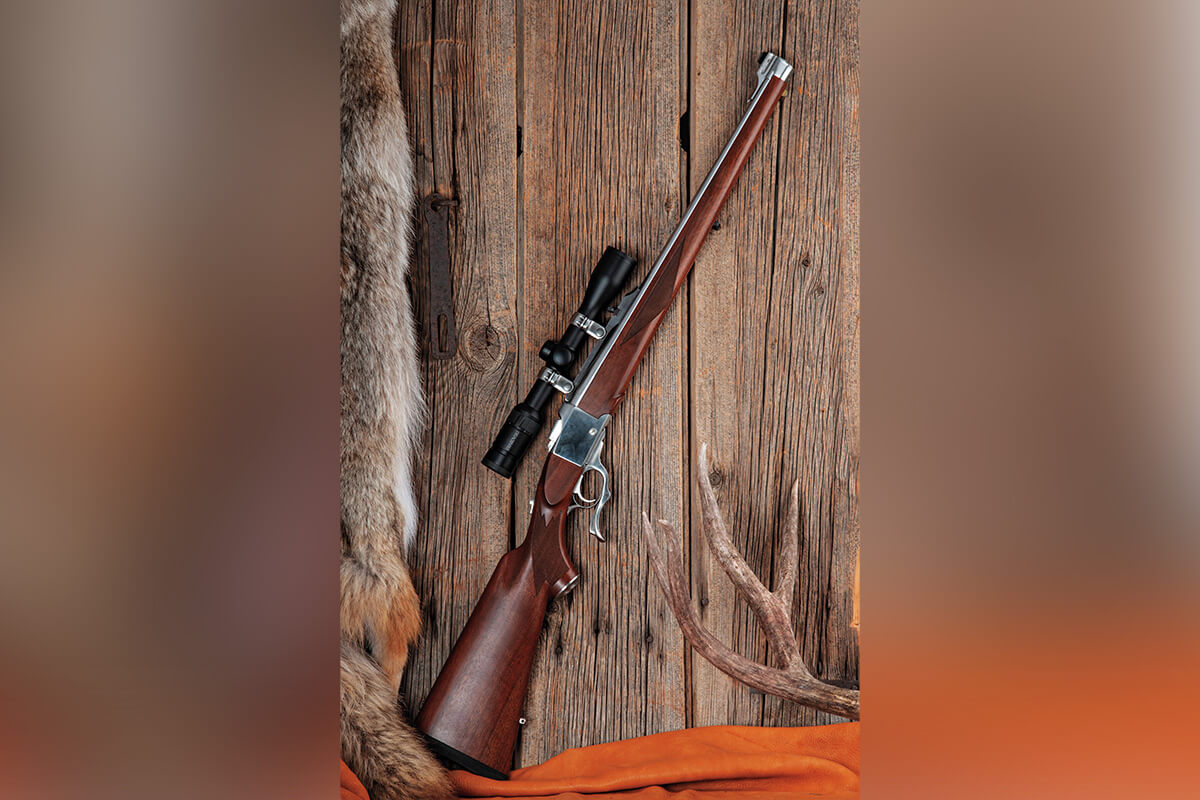
There are many types of single-shot rifles. Break-action rifles open at the barrel hinge to load a bullet. Falling-block rifles use a lever to lower a block and expose the chamber. Both types are popular for target shooting and hunting. They offer different handling styles but share accuracy benefits.
Historical Context
Single-shot rifles date back to the early days of firearm history. Early hunters and soldiers used them before repeating rifles were common. These rifles shaped marksmanship skills and shooting techniques. Many collectors value old single-shot rifles for their craftsmanship and history. Their legacy continues in modern designs and shooting sports.
Accuracy Factors
Accuracy depends on several key factors in single-shot rifles. Each element plays a role in how well the rifle performs. Understanding these can help you get better shots and enjoy shooting more.
Focus on the barrel, ammunition, and shooter skill. These parts work together to create accuracy. Let’s explore each factor in detail.
Barrel Quality
The barrel is the heart of the rifle’s accuracy. A well-made barrel has a smooth bore and precise rifling. This guides the bullet straight and fast. Barrels made from good materials resist wear and heat. This keeps shots consistent over time. A cheap or worn barrel can cause bullets to drift off target.
Ammunition Influence
Ammunition quality affects how the bullet flies. Consistent powder loads and bullet weight help maintain accuracy. Using the same brand and type of ammo improves shot grouping. Dirty or old ammo may cause misfires or less accuracy. Testing different ammo types helps find the best match for your rifle.
Shooter Skill
The shooter’s ability is a crucial factor. Proper stance, grip, and breathing control steady the rifle. A smooth trigger pull prevents jerking the shot off target. Practice builds muscle memory and focus. Even the best rifle cannot fix poor shooting technique.
Comparing Single-shot To Other Rifles
Single-shot rifles often get compared to other rifle types. Each rifle style has unique features that affect accuracy. Understanding these differences helps you choose the right rifle.
Single-shot rifles usually have fewer moving parts. This can lead to better stability and precision. Other rifles offer different benefits and trade-offs.
Bolt-action Rifles
Bolt-action rifles are known for their reliability and accuracy. They have a manual bolt that the shooter operates after each shot. This design allows for tight chamber fitting and good barrel alignment. Many hunters and marksmen prefer bolt-action rifles for long-range shooting. Their accuracy often rivals or surpasses single-shot rifles. Bolt-action rifles can hold multiple rounds, unlike single-shots.
Semi-automatic Rifles
Semi-automatic rifles fire one round with each trigger pull. They automatically reload the next round. This allows for faster shooting but adds more moving parts. The extra parts can cause slight vibrations, which may reduce accuracy compared to single-shot rifles. Semi-automatics are popular for quick follow-up shots. They generally trade a bit of precision for speed and ease.
Lever-action Rifles
Lever-action rifles use a lever to load the next round. They are often used in hunting and sport shooting. Lever-actions offer moderate accuracy, good for medium distances. Their design includes more moving parts than single-shot rifles. This can affect the barrel’s stability during firing. Lever-actions balance speed and accuracy but usually do not match single-shot rifles in pure precision.
Expert Opinions
Experts have shared many views on single-shot rifle accuracy. Their opinions come from different fields. Each offers unique insight on how these rifles perform. Understanding these views helps us see the full picture.
Hunting Perspectives
Hunters value single-shot rifles for their precision. Many say these rifles help improve shooting skills. One shot means focus on accuracy, not speed. Hunters trust them for clean, ethical kills. The simplicity of single-shot rifles reduces mechanical errors. This often leads to better shot placement in the wild.
Target Shooting Views
Target shooters praise single-shot rifles for consistency. These rifles allow careful aiming and steady shooting. Shooters highlight the lack of moving parts as a plus. Less movement means fewer chances for errors. Experts say single-shot rifles excel in controlled environments. This makes them ideal for precision target competitions.
Military Insights
Military experts note single-shot rifles’ reliability. Their simple design means fewer malfunctions under stress. Soldiers appreciate the accuracy for long-range shots. Single-shot rifles often serve as sniper tools. Military use shows these rifles can be both accurate and durable. Their straightforward mechanism ensures trust in critical moments.
Advantages Of Single-shot Rifles
Single-shot rifles have a special place in shooting sports and hunting. Their design offers clear benefits that appeal to many shooters. These rifles focus on accuracy and ease of use, making them a solid choice for precision shooting.
Understanding the advantages helps explain why many prefer single-shot rifles over other types. They combine simplicity with strong performance, which benefits both beginners and experienced marksmen.
Precision Potential
Single-shot rifles often deliver high accuracy. The lack of moving parts during firing reduces vibrations. This steadiness helps bullets hit targets more precisely. Shooters can concentrate on their aim without distraction. The design allows for better barrel alignment and tighter groups on target.
Simplicity And Reliability
Fewer parts mean fewer things can go wrong. Single-shot rifles have simple mechanisms that work smoothly every time. They are less likely to jam or misfire. This reliability builds confidence in the shooter. The straightforward design also makes it easier to learn how to operate the rifle correctly.
Maintenance Ease
Cleaning and caring for single-shot rifles is quick and simple. Their open design allows easy access to all parts. Shooters spend less time on maintenance and more on shooting. The simple build means fewer parts wear out or break. This saves money and effort in the long run.
Limitations To Consider
Single-shot rifles offer precision, but they have limits to keep in mind. These limits affect how you use and handle the rifle in different situations. Understanding these factors helps set the right expectations.
Rate Of Fire
Single-shot rifles fire one bullet at a time. This makes their shooting speed slower than other rifles. You must pause after each shot to reload. In fast situations, this slow rate can be a drawback.
Reloading Time
After every shot, you need to open the breech and insert a new bullet. This takes time and practice to do well. Reloading is slower than using magazines or clips. It can affect your follow-up shots.
Practical Usage
Single-shot rifles work well for careful, slow shooting. They are popular for hunting and target practice. Not the best choice for quick action or self-defense. Their limits require patience and skill for best results.
Tips For Maximizing Accuracy
Single-shot rifles can be very accurate with the right care and technique. Small details affect your shooting results a lot. Follow these tips to get the best accuracy from your rifle.
Proper Ammunition Choice
Choose the right ammo for your rifle model. Different rifles perform better with certain bullet types and weights. Test a few brands to see which one shoots tight groups. Using consistent ammo reduces bullet speed variations. This helps keep shots on target every time.
Regular Maintenance
Keep your rifle clean and well-oiled. Dirt and rust inside the barrel lower accuracy. Clean the barrel after every use with proper tools. Check the sights or scope for tight fittings. Loose parts can cause shots to stray from the aim.
Shooting Techniques
Hold the rifle steady and use a firm grip. Practice good breathing control; exhale slowly before shooting. Use a stable shooting position, like sitting or prone. Take your time to aim carefully. These habits improve shot consistency and accuracy.
Popular Single-shot Rifle Models
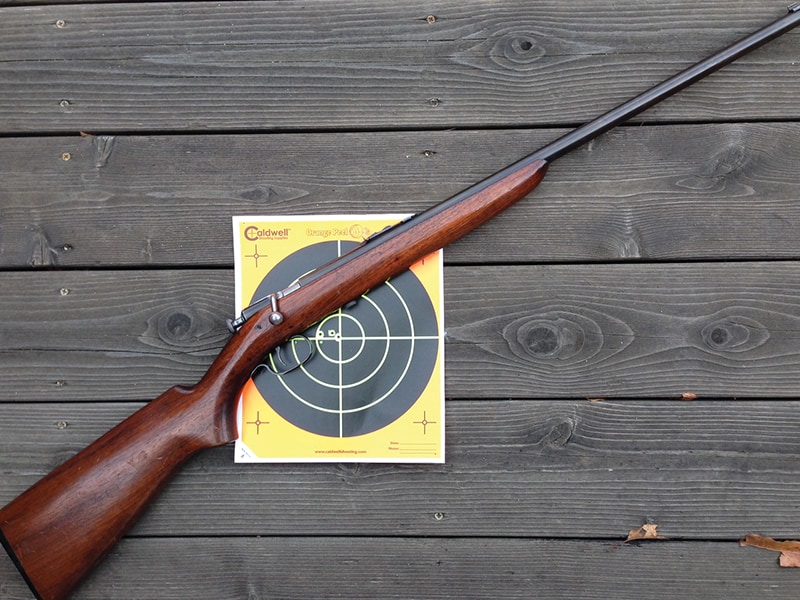
Single-shot rifles have a rich history and a variety of models. These rifles appeal to hunters and target shooters. Their design often prioritizes precision over rapid fire. Many popular models offer excellent accuracy and reliability.
Classic Designs
Classic single-shot rifles have stood the test of time. The Ruger No. 1 is a well-known example. It features a strong falling-block action. This design allows for a solid lock-up and consistent shot placement. The Winchester Model 1885 is another classic. It is famous for its simple, robust mechanism. These rifles have simple controls and a traditional look. Many shooters appreciate their timeless design and proven accuracy.
Modern Innovations
Modern single-shot rifles blend tradition with new technology. The Savage Model 93 is a popular choice. It uses a reliable falling-block action and offers modern materials. Some models include adjustable triggers and improved stocks. These features help shooters customize their rifles. New coatings and barrel designs increase durability and accuracy. Modern rifles often provide better ergonomics for comfort. They maintain the precision of classic designs with added benefits.
Frequently Asked Questions
Are Single-shot Rifles More Accurate Than Semi-automatic?
Single-shot rifles often offer higher accuracy due to simpler mechanics and less recoil. They allow precise shooting and consistent bullet placement, making them ideal for long-range targets and hunting.
What Factors Affect Single-shot Rifle Accuracy?
Barrel quality, ammunition type, and shooter skill impact accuracy. Proper maintenance and stable shooting positions also contribute to consistent performance in single-shot rifles.
Can Beginners Shoot Single-shot Rifles Accurately?
Yes, single-shot rifles are great for beginners. They encourage focus on aiming and trigger control, helping new shooters develop precision and good habits.
How Does Barrel Length Influence Single-shot Accuracy?
Longer barrels can improve accuracy by increasing bullet velocity and stability. However, shorter barrels offer better maneuverability without significantly sacrificing precision.
Conclusion
Single-shot rifles offer great accuracy for many shooters. Their simple design helps focus on each shot carefully. These rifles often have fewer moving parts, which means less chance of error. Shooters who take time to practice see good results. Accuracy depends on skill, quality of the rifle, and ammunition.
Single-shot rifles suit hunting and target shooting well. They teach patience and precision. Choosing the right rifle and practicing regularly can improve accuracy. Overall, single-shot rifles remain a solid choice for accurate shooting.

