
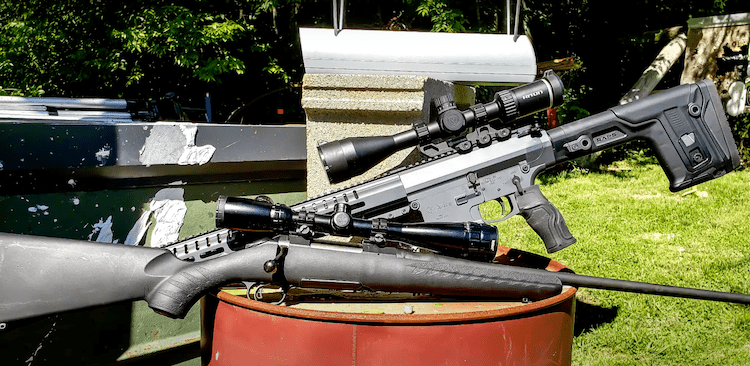
When it comes to choosing a rifle, you might feel overwhelmed by the options. Should you go for a bolt-action rifle or a semi-automatic rifle?
Each has its own strengths and weaknesses, and your choice can change your shooting experience completely. Whether you’re hunting, target shooting, or just curious, understanding the key differences will help you make the right decision. Keep reading, and you’ll discover which rifle fits your needs and style perfectly.
Bolt-action Rifle Basics
The bolt-action rifle is one of the oldest types of rifles. It offers simple, reliable operation. This rifle style has a manual bolt handle you turn to load and eject rounds. Many hunters and marksmen trust bolt-action rifles for their accuracy and control.
Understanding the basics helps to see why some prefer bolt-action over semi-automatic rifles. Each has unique features that suit different needs.
How Bolt-action Works
The shooter lifts the bolt handle and pulls it back. This action ejects the spent cartridge. Then, pushing the bolt forward loads a new round. Finally, locking the bolt down prepares the rifle to fire. This manual cycle repeats after each shot.
It requires one motion per shot, which slows the firing rate. The design uses fewer moving parts, making it more durable. Precision is easier because the rifle stays stable during firing.
Typical Uses And Applications
Bolt-action rifles are popular in hunting and target shooting. They excel in long-range shooting due to their accuracy. Military and police snipers also use bolt-action rifles. These rifles suit situations where precise, single shots matter most.
They are less common in close combat or rapid-fire needs. Many hunters prefer them for big game, where one good shot counts. The simplicity appeals to those who want a reliable, easy-to-maintain rifle.
Pros And Cons
Pros include accuracy, reliability, and easy maintenance. The manual action reduces the chance of jams. They often weigh less than semi-automatic rifles. Bolt-action rifles can handle powerful cartridges well.
Cons include slower firing speed and more manual effort. The shooter must cycle the bolt after every shot. This can be a disadvantage in fast-paced scenarios. Reloading takes more time compared to semi-automatic models.
Semi-automatic Rifle Basics
Semi-automatic rifles fire one bullet each time the trigger is pulled. They reload automatically after each shot. This makes shooting faster than bolt-action rifles. These rifles are popular for many uses. They offer a mix of speed and accuracy.
Understanding how they work helps in choosing the right rifle. Their design and function make them suitable for different activities.
How Semi-automatic Works
A semi-automatic rifle uses energy from the fired bullet. This energy ejects the spent cartridge. It also loads a new bullet into the chamber. The shooter only needs to pull the trigger each time. No manual action is required to reload.
This system speeds up shooting. It allows quick follow-up shots. The rifle’s mechanism resets itself automatically after every shot.
Common Uses And Applications
Semi-automatic rifles are used in hunting, sport shooting, and self-defense. Their quick shooting ability is helpful in these cases. Hunters can aim and shoot faster at moving targets. Sport shooters benefit from faster firing during competitions. Some people use them for home protection too.
Military and law enforcement also use semi-automatic rifles. They offer a good balance between control and firepower.
Pros And Cons
Pros include faster shooting and easy handling. No need to manually reload after each shot. They provide good accuracy for many situations. The design often allows for better control during shooting.
Cons include more complex mechanics. This means more parts can break or need cleaning. Some models are heavier than bolt-action rifles. They can also be more expensive. Noise and recoil are usually higher than bolt-action rifles.
Accuracy And Precision
Accuracy and precision are key for any rifle. They determine how close shots land to the target. Both bolt-action and semi-automatic rifles offer different strengths in this area. Understanding these differences helps shooters choose the right rifle for their needs.
Bolt-action Accuracy Factors
Bolt-action rifles often provide higher accuracy. The solid lockup of the bolt creates a stable firing platform. Less movement during shooting means fewer errors. The simple design causes fewer vibrations. This helps bullets fly straighter and hit closer to the aim point. Shooters can take more time to aim carefully with bolt-actions. This improves shot placement over longer distances.
Semi-automatic Accuracy Factors
Semi-automatic rifles allow faster follow-up shots. The moving parts can cause slight shifts during firing. This may reduce accuracy compared to bolt-actions. Modern semi-autos use advanced designs to reduce recoil and movement. These rifles perform well at medium ranges. They work best when speed matters more than pinpoint accuracy. Proper maintenance and quality ammo also help improve precision.
Comparing Precision In Different Scenarios
Bolt-action rifles excel at long-range shooting and hunting. Precision is critical when every shot counts. Semi-automatics shine in tactical and defensive settings. Faster shooting can be more important than perfect accuracy. For target shooting, bolt-actions often provide tighter groupings. In fast-paced situations, semi-automatics offer better shot recovery. Choosing depends on the shooting style and purpose.

Rate Of Fire And Reloading
The rate of fire and reloading speed are key factors in choosing between a bolt-action rifle and a semi-automatic rifle. These elements impact how fast you can shoot and get ready for the next shot. Understanding these differences helps you pick the right rifle for your needs.
Bolt-action Firing Speed
Bolt-action rifles fire one shot at a time. After each shot, you must manually move the bolt to load the next round. This action takes time and slows down your shooting speed. The process is slower but often more precise. Many shooters prefer this for long-range accuracy.
Semi-automatic Firing Speed
Semi-automatic rifles fire one shot per trigger pull without manual cycling. The rifle automatically loads the next round. This allows for much faster shooting than bolt-action rifles. You can fire several shots quickly in succession. This speed is useful in dynamic situations.
Reloading Efficiency
Bolt-action rifles usually reload with individual rounds or small clips. This can slow down your reloading during fast use. Semi-automatic rifles use detachable magazines that hold multiple rounds. Swapping magazines is quick and easy. This makes semi-automatic rifles better for rapid reloading and sustained firing.
Maintenance And Durability
Maintenance and durability are key factors when choosing between a bolt-action rifle and a semi-automatic rifle. Both types need care to work well over time. Understanding their cleaning needs and how they perform in tough conditions helps pick the right rifle for your use.
Cleaning And Upkeep
Bolt-action rifles have fewer moving parts. This makes cleaning faster and easier. Dirt and debris do not build up quickly inside the mechanism.
Semi-automatic rifles have more complex parts. They require more attention during cleaning. Regular upkeep prevents jams and malfunctions.
Using proper tools and cleaning solutions keeps both rifles in good shape. Neglecting maintenance can reduce accuracy and reliability.
Reliability In Harsh Conditions
Bolt-action rifles are known for their strong and simple design. They work well in mud, dust, and cold weather. Less chance of failure under stress.
Semi-automatic rifles can be sensitive to dirt and fouling. They need more frequent cleaning to stay reliable. Some models are designed for harsh use but still need care.
Durability depends on materials used and build quality. Both rifle types can last long with proper maintenance.

Cost And Accessibility
Cost and accessibility play a big role in choosing between a bolt-action rifle and a semi-automatic rifle. Understanding the price and how easy it is to get these rifles helps buyers make smart decisions. Both types have their own price points and rules that affect availability.
Price Range Comparison
Bolt-action rifles usually cost less than semi-automatic rifles. Basic models can be very affordable for beginners. Semi-automatic rifles often have more parts and technology, raising their price. Some semi-automatic rifles can cost double or more than bolt-action ones. Maintenance costs also differ. Bolt-action rifles are simpler to fix. Semi-automatic rifles may need more care and parts replacement.
Availability And Legal Restrictions
Availability depends on local laws and regulations. Bolt-action rifles face fewer restrictions in many areas. Semi-automatic rifles can be limited or banned in some places. Licensing and permits vary by region. Some countries require special permits for semi-automatic rifles. Bolt-action rifles are often easier to buy and own legally. Always check local laws before purchasing any firearm.
Ideal Users And Situations
Choosing between a bolt-action rifle and a semi-automatic rifle depends on the user and the situation. Each type serves different needs and styles. Understanding these helps pick the right rifle for the right use.
Best For Hunting
Bolt-action rifles are popular with hunters. They offer high accuracy and reliability. The slower firing helps make each shot count. Hunters benefit from quiet operation, avoiding noise that may scare animals. These rifles suit long-range shots well. They are ideal for big game hunting.
Best For Tactical Use
Semi-automatic rifles excel in tactical situations. They provide faster follow-up shots. This speed is vital for defense and law enforcement. The ease of use and quick reloads give an advantage. Semi-automatics handle close to mid-range engagements effectively. They offer more firepower when needed.
Best For Sport Shooting
Both rifle types work for sport shooting but differ in style. Bolt-action rifles suit precision shooting and long-range competitions. They reward patience and skill. Semi-automatic rifles fit dynamic sports requiring speed. Rapid fire and quick target changes are easier. Each offers unique challenges and fun.
Customization Options
Customization options help shooters tailor their rifles to fit personal needs. Bolt-action and semi-automatic rifles offer different levels of flexibility for upgrades and changes. These options affect comfort, accuracy, and overall shooting experience. Understanding these differences helps in choosing the right rifle.
Scopes And Sights
Both rifle types support a variety of scopes and sights. Bolt-action rifles often have solid mounting bases for precision optics. Semi-automatic rifles usually feature rails for quick attachment of red dots or holographic sights. This allows faster target acquisition for semi-automatics. Shooters can pick optics based on their shooting style and environment.
Barrel And Stock Modifications
Barrel changes are common with bolt-action rifles to improve accuracy. Different barrel lengths and materials can be swapped. Semi-automatics also allow barrel upgrades but may be limited by design. Stock modifications are easier on bolt-action rifles due to fewer moving parts. Adjustable stocks help fit the rifle to the shooter’s body. Semi-automatic stocks focus more on durability and ergonomic grips.
Accessory Compatibility
Semi-automatic rifles offer broad compatibility with accessories like lights, lasers, and grips. Rails and mounting points are built into many models. Bolt-action rifles support accessories but in a more limited way. Many bolt actions prioritize simplicity over extra gear. The choice depends on whether the shooter wants a lightweight setup or a fully equipped rifle.
Final Comparison Insights
The final comparison insights between bolt-action and semi-automatic rifles reveal key differences. Each rifle type offers unique benefits. Understanding these helps in making the right choice. Consider the specific needs and situations where the rifle will be used. Performance, ease of use, and maintenance all play roles. This section breaks down the main points to guide your decision.
Choosing Based On Purpose
Bolt-action rifles suit precision and long-range shooting. They offer stability and consistent accuracy. Hunters often prefer them for clean, quiet shots. These rifles are also simpler to maintain and repair. Semi-automatic rifles excel in rapid-fire situations. They are favored for self-defense and tactical use. Their faster follow-up shots provide an advantage in close quarters. The choice depends on your main activity and environment.
Future Trends In Rifle Technology
Rifle technology continues to evolve with new materials and designs. Lightweight components improve handling and reduce fatigue. Electronic sights and smart scopes enhance aiming speed and accuracy. Some new models blend features of bolt-action and semi-automatic rifles. Advances in ammunition also improve performance and reliability. Expect more user-friendly and adaptable rifles in the coming years.
Frequently Asked Questions
What Are The Main Differences Between Bolt-action And Semi-automatic Rifles?
Bolt-action rifles require manual cycling after each shot. Semi-automatic rifles automatically chamber the next round. Bolt-actions offer more accuracy and reliability. Semi-automatics provide faster follow-up shots. Choice depends on shooting purpose and preference.
Which Rifle Is Better For Hunting: Bolt-action Or Semi-automatic?
Bolt-action rifles are preferred for precision and long-range shots. Semi-automatic rifles are favored for quick shots and close-range hunting. Hunters choose based on game type and terrain. Both types have unique advantages for different hunting needs.
How Does The Firing Speed Compare Between The Two Rifles?
Semi-automatic rifles fire faster as they self-load after each shot. Bolt-action rifles require manual operation to chamber the next round. Semi-automatics are ideal for rapid shooting. Bolt-actions excel in controlled, deliberate firing situations.
Are Bolt-action Rifles More Accurate Than Semi-automatic Rifles?
Yes, bolt-action rifles typically offer higher accuracy due to fewer moving parts. The manual cycling stabilizes the rifle during shooting. Semi-automatics sacrifice some accuracy for speed. Accuracy depends on rifle quality and shooter skill.
Conclusion
Choosing between a bolt-action rifle and a semi-automatic rifle depends on your needs. Bolt-action rifles offer precision and reliability. Semi-automatic rifles provide faster follow-up shots and ease of use. Both types have pros and cons for hunting, sport, or defense.
Think about what matters most: speed or accuracy. Your choice will shape your shooting experience. Take time to handle both before deciding. This way, you find the best fit for your style and purpose.

