
When it comes to choosing the right firearm, you might find yourself stuck between a carbine and a submachine gun. Both have their unique features, strengths, and ideal uses.
But which one fits your needs better? Whether you’re a gun enthusiast, a collector, or just curious, understanding the key differences can help you make a smarter decision. Keep reading, and you’ll discover exactly what sets these two apart—and which might be the perfect fit for your next purchase or knowledge boost.
Basic Design Features
Basic design features help us understand how carbines and submachine guns differ. These features affect how each weapon handles and performs. Size, barrel length, and ergonomics are key parts of their design.
Knowing these details can help you see why each weapon suits different needs and situations.
Size And Weight
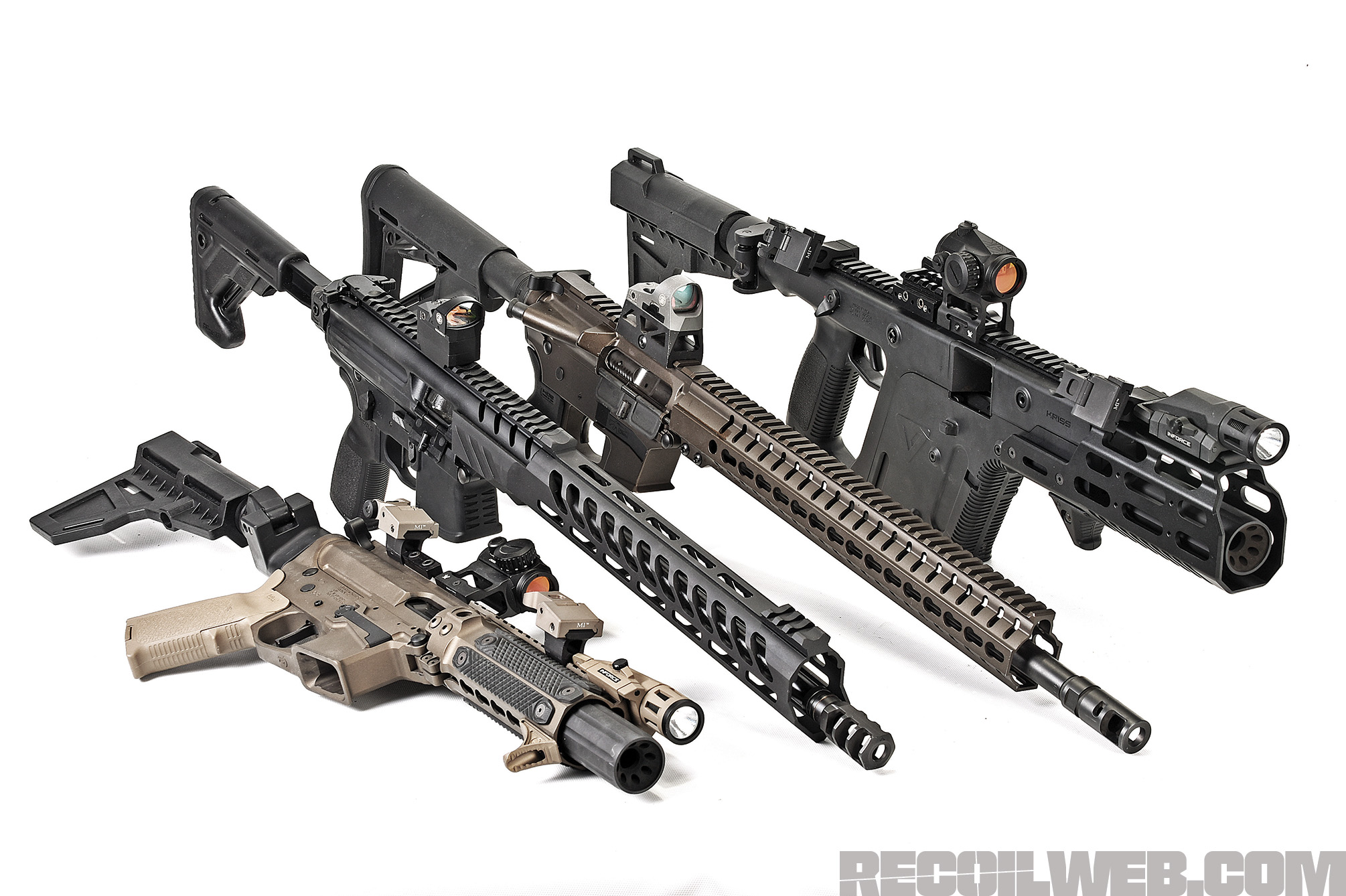
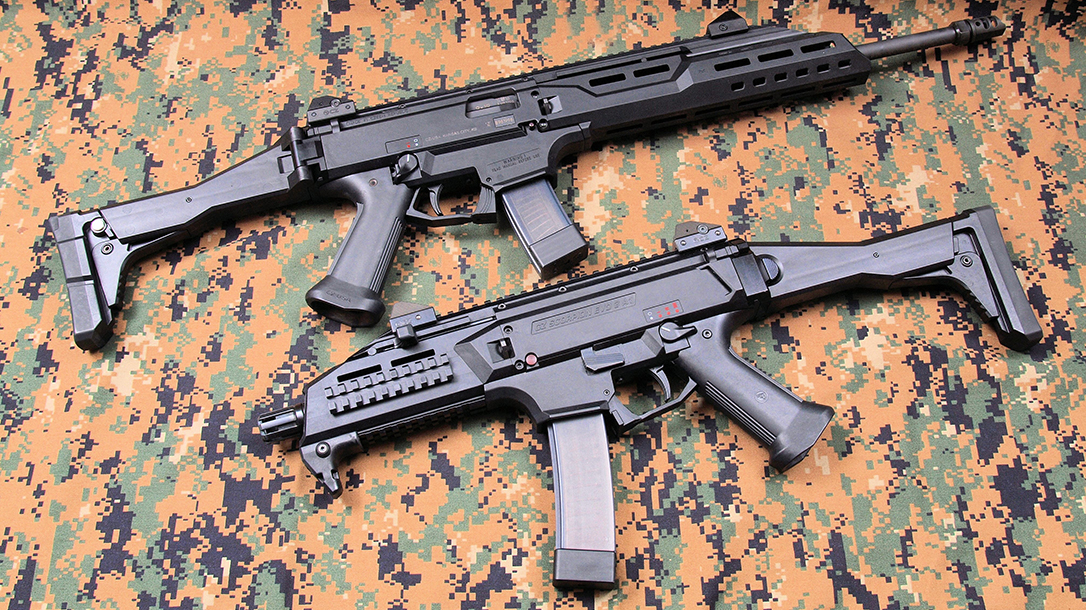
Carbines are usually larger than submachine guns. They weigh more due to stronger parts and longer barrels. Submachine guns are smaller and lighter. This makes them easier to carry and use in tight spaces.
Smaller size helps submachine guns in close combat. Carbines offer more stability but can feel heavier to carry.
Barrel Length
Carbines have longer barrels than submachine guns. A longer barrel helps bullets travel faster and more accurately. Submachine guns have short barrels to keep the weapon compact. This short barrel reduces range but increases ease of movement.
The barrel length shapes how each weapon is used in different combat zones.
Ergonomics
Ergonomics means how comfortable and easy the weapon is to hold and use. Submachine guns focus on quick handling and fast firing. They often have simple grips and controls.
Carbines have designs for stability and precision. Their grips and stocks help steady the aim during longer shots. Both types aim to fit the user’s needs in their own way.
Caliber And Ammunition
Caliber and ammunition play a crucial role in defining the difference between a carbine and a submachine gun. The size and type of bullet affect the weapon’s power, range, and purpose. Understanding these factors helps in choosing the right firearm for specific needs.
Common Caliber Types
Carbines often use rifle calibers like 5.56x45mm NATO or 7.62x39mm. These bullets are larger and faster. Submachine guns usually fire pistol calibers such as 9mm or .45 ACP. These rounds are smaller and slower but allow for more control in close combat.
Ammunition Performance
Rifle calibers in carbines offer better range and stopping power. They work well for medium to long distances. Pistol calibers in submachine guns deliver less recoil and better handling. These rounds are effective in short-range engagements.
Magazine Capacity
Submachine guns often have magazines holding 20 to 30 rounds. This provides sustained fire in close quarters. Carbines can use magazines with similar or larger capacity. The size of the cartridge affects how many rounds fit in a magazine.
Firing Mechanism And Rate
The firing mechanism and rate greatly affect how carbines and submachine guns perform. These features influence accuracy, control, and effectiveness during use. Understanding these differences helps in choosing the right weapon for specific needs.
Semi-automatic Vs Fully Automatic
Carbines often use semi-automatic firing. This means one trigger pull equals one shot. It allows for better accuracy and control. Submachine guns commonly use fully automatic firing. Holding the trigger fires many rounds quickly. This can overwhelm targets but may reduce precision.
Rate Of Fire Comparison
Submachine guns generally have a higher rate of fire than carbines. They can shoot hundreds of rounds per minute. Carbines fire slower, focusing on controlled shots. The slower rate helps conserve ammunition and maintain accuracy.
Recoil Management
Recoil is the weapon’s backward force after firing. Carbines usually have less recoil due to larger calibers and design. This makes them easier to control for follow-up shots. Submachine guns have more recoil because of rapid fire. Users must manage recoil skillfully to maintain aim.
Effective Range And Accuracy
The effective range and accuracy of carbines and submachine guns vary based on design and use. Understanding these differences helps in choosing the right firearm for different situations. Both weapons serve close to medium-range combat but differ in precision and reach.
Typical Engagement Distances
Submachine guns usually perform best within 50 to 100 meters. They fire pistol rounds, which limits their range. Carbines can engage targets effectively up to 300 meters. They use rifle cartridges that travel farther and hit harder. This makes carbines more versatile for longer distances.
Accuracy Factors
Accuracy depends on barrel length, ammunition, and recoil control. Submachine guns have shorter barrels, which lowers accuracy at longer ranges. Carbines have longer barrels, offering better bullet stability. The type of ammunition also affects shot precision. Recoil is easier to manage with carbines, helping shooters stay on target.
Optics And Sighting
Both weapons can use iron sights or optical devices. Submachine guns often rely on simple sights for quick aiming. Carbines can support a wider range of optics, like red dots and scopes. Optics improve target acquisition and shot placement. Proper sighting tools increase effective range and shooting confidence.
Tactical Roles And Usage
The tactical roles of carbines and submachine guns differ based on their design and capabilities. Each weapon suits specific tasks in combat and security operations. Their use depends on the environment and mission needs.
Carbines offer a balance between power and mobility. They work well in open spaces and mid-range combat. Submachine guns excel in close quarters, where quick movement and rapid fire matter most.
Military Applications
Carbines are common among soldiers who need a light, versatile rifle. They allow quick movement and accurate shooting up to medium distances. Submachine guns serve special forces and troops in tight spaces. They provide fast firing rates and easy handling in urban fights or inside buildings.
Law Enforcement Roles
Police officers use carbines for patrols and active shooter situations. These guns give a clear advantage at longer ranges. Submachine guns are preferred in hostage rescues or close confrontations. Their compact size helps officers move quickly and control crowds.
Civilian Use
Civilians select carbines for home defense and sport shooting. Their accuracy and power suit these activities well. Submachine guns are less common for civilians due to legal restrictions. Some may own semi-automatic versions for personal protection or collecting.
Legal And Regulatory Considerations
Legal and regulatory considerations play a big role in owning and using carbines and submachine guns. Laws vary by country and even by region. These rules control who can own these firearms and how they are used. Understanding these laws helps avoid serious legal trouble.
Ownership Restrictions
Ownership rules differ greatly for carbines and submachine guns. Many places allow carbines for hunting or sport. Submachine guns often fall under stricter controls. Some countries ban civilian ownership of submachine guns entirely. Licensing, background checks, and age limits usually apply.
Classification Differences
Carbines and submachine guns are classified differently under the law. Carbines are often seen as rifles or long guns. Submachine guns are classified as automatic firearms or machine guns. This classification affects how they are regulated and what permits are needed. Knowing the difference is important for legal ownership.
Import And Export Rules
Import and export laws for carbines and submachine guns are strict. Many nations require special permits to move these firearms across borders. Some countries ban importing submachine guns for civilians. Carbines may face fewer restrictions but still need proper documentation. Always check local and international laws before shipping firearms.
Cost And Maintenance
Cost and maintenance play a big role when choosing between a carbine and a submachine gun. Both affect how much you spend now and later on. Knowing these factors helps with smart buying and care decisions.
Price Comparison
Carbines usually cost more than submachine guns. The design and parts in carbines add to the price. Submachine guns tend to be cheaper because they are simpler. Prices also vary by brand and model.
Durability And Reliability
Carbines are built to last in tough conditions. They can handle rough use and still work well. Submachine guns are reliable but may need more care. The materials used affect how long each lasts.
Ease Of Maintenance
Submachine guns are easier to clean and fix. Their simpler design means fewer parts to check. Carbines need more time and effort for upkeep. Regular cleaning keeps both types working smoothly.

Frequently Asked Questions
What Is The Main Difference Between Carbine And Submachine Gun?
A carbine is a shorter rifle designed for range and accuracy. A submachine gun fires pistol cartridges and excels in close combat. Carbines offer versatility, while submachine guns provide rapid fire in tight spaces.
Which Weapon Is Better For Close-quarters Combat?
Submachine guns are better for close-quarters due to their compact size and high rate of fire. Carbines are less maneuverable but offer more accuracy at medium range.
Are Carbines More Accurate Than Submachine Guns?
Yes, carbines are generally more accurate because they use rifle cartridges and have longer barrels. Submachine guns focus on rapid fire over accuracy at distance.
Can Carbines And Submachine Guns Use The Same Ammunition?
No, carbines use rifle ammunition, while submachine guns fire pistol rounds. This difference affects range, stopping power, and recoil control.
Conclusion
Carbines and submachine guns serve different roles in combat. Carbines offer better range and accuracy. Submachine guns excel in close quarters and rapid fire. Choosing depends on the mission and environment. Both have strengths and weaknesses to consider. Understanding these helps make smart decisions.
Each weapon fits specific needs and situations. This knowledge guides users to the right choice. Simple facts, clear differences, and practical use matter most.

