
If you’re new to revolvers or just curious about how they work, understanding the difference between single-action and double-action revolvers can be confusing. But knowing this can change the way you handle, shoot, and even choose your firearm.
Imagine having the confidence to pick the right revolver for your needs, whether it’s for sport, self-defense, or collecting. This article will break down the key differences in a simple way, so you can make informed decisions and feel more in control every time you use your revolver.
Ready to discover what sets these two types apart? Let’s dive in.
Single-action Revolvers
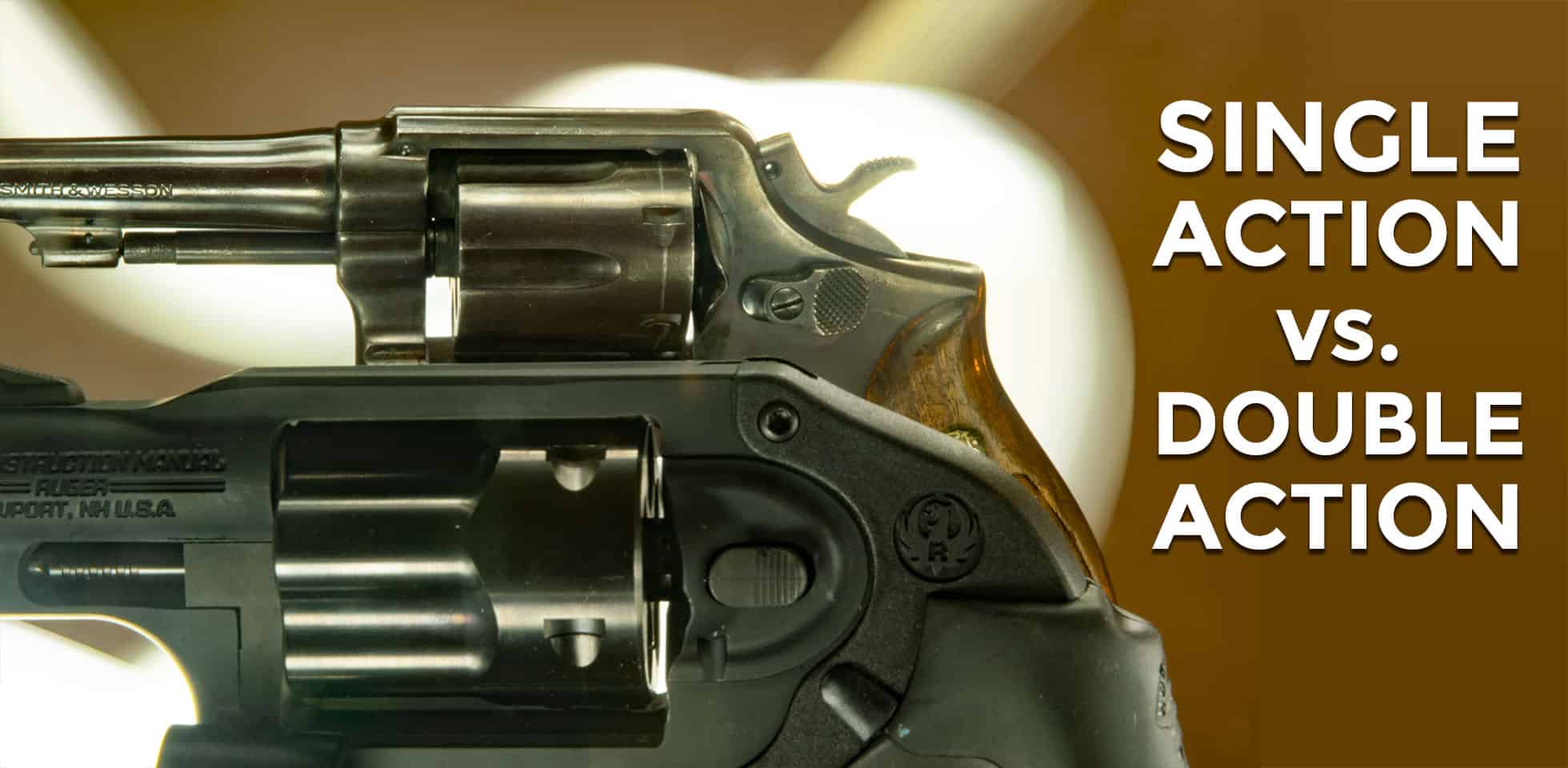
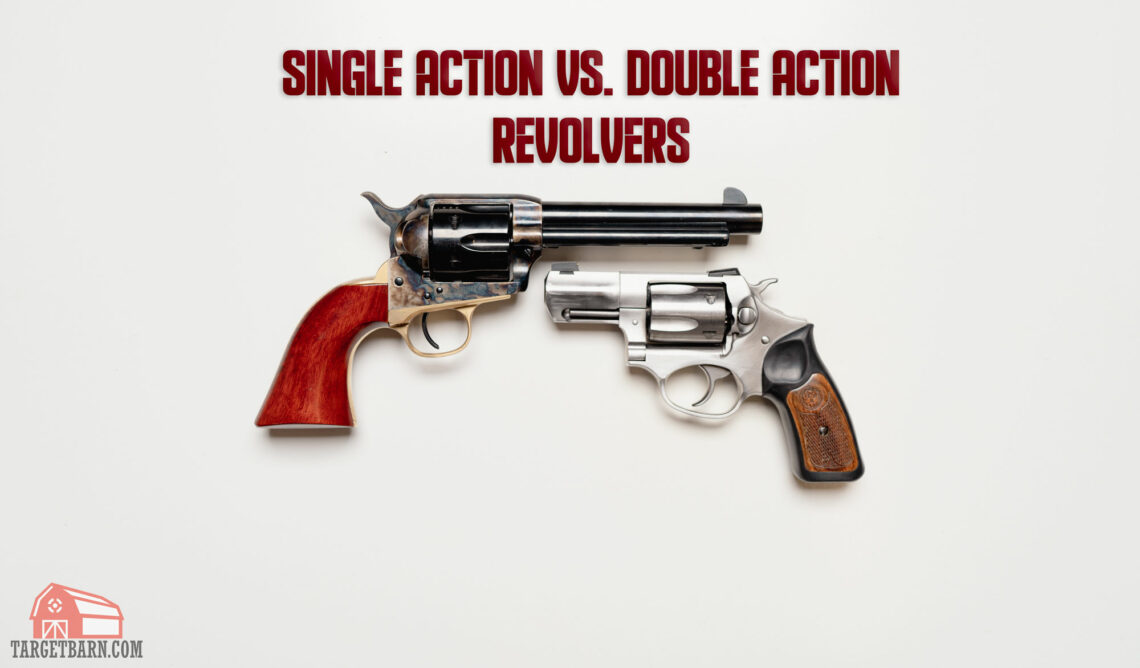
Single-action revolvers are classic firearms known for their simple design and ease of use. These revolvers require the shooter to manually cock the hammer before each shot. This action rotates the cylinder and prepares the gun to fire. Many shooters appreciate the clear, deliberate operation of single-action revolvers.
Mechanism And Operation
In single-action revolvers, the hammer must be pulled back by hand. This action spins the cylinder to align the next round with the barrel. Pulling the trigger releases the hammer to strike the firing pin. The trigger only performs one action: releasing the hammer. This makes the trigger pull light and short, which helps with accuracy.
Historical Background
Single-action revolvers date back to the 19th century. They became popular in the American West and were widely used by lawmen and outlaws. Famous models include the Colt Single Action Army, introduced in 1873. These revolvers played a big role in shaping firearm history and culture. Their design remains mostly unchanged over time.
Advantages And Disadvantages
Single-action revolvers offer simple, reliable operation. The light trigger pull helps shooters aim better. These guns tend to have fewer moving parts, making them easier to maintain. However, the need to cock the hammer before each shot slows down firing. This can be a drawback in fast-paced situations. Also, single-action revolvers usually hold fewer rounds than other types.
Double-action Revolvers
Double-action revolvers offer a unique blend of speed and ease. They allow shooters to fire quickly without manually cocking the hammer each time. These revolvers are popular among law enforcement and self-defense users.
Mechanism And Operation
Double-action revolvers work by pulling the trigger. This action both cocks and releases the hammer. One pull does two jobs: ready the gun and fire the bullet. This makes shooting faster than with single-action revolvers. The trigger pull is usually heavier because of this dual action. The hammer can also be cocked manually for a lighter trigger pull.
Evolution And Usage
The double-action design appeared in the 19th century. It aimed to improve speed and safety in shooting. Police forces quickly adopted these revolvers. Today, many people use them for personal protection. Hunters and sport shooters also favor them for quick follow-up shots. Modern double-action revolvers often include safety features to prevent accidental firing.
Advantages And Disadvantages
The main advantage is faster shooting without extra steps. Double-action revolvers reduce the chance of missed shots in emergencies. They also offer a safety margin with the heavier trigger pull. On the downside, the heavier trigger can reduce accuracy. Beginners might find it harder to shoot well at first. Maintenance is similar to other revolvers but may need more care for the trigger mechanism.
Performance Comparison
Comparing single-action and double-action revolvers reveals clear differences in performance. Each type offers unique features that affect shooting experience and handling. Understanding these differences helps choose the right revolver for specific needs.
Speed And Accuracy
Single-action revolvers usually deliver faster and more precise shots. The shooter manually cocks the hammer before each shot, allowing a lighter trigger pull. This control improves aim and reduces movement.
Double-action revolvers fire faster in rapid succession. The trigger both cocks and releases the hammer in one motion. This can reduce accuracy slightly but speeds up shooting.
Trigger Pull Differences
Single-action triggers require less force, making them easier to pull. This light trigger pull helps maintain steady aim. The shooter prepares for each shot by cocking the hammer.
Double-action triggers need more pressure because they perform two actions. This heavier pull can affect shot precision, especially for beginners. Some double-action revolvers allow single-action firing for versatility.
Reliability And Maintenance
Both revolvers are known for strong reliability. Single-action guns have simpler mechanisms, which often means fewer parts to maintain. This can lead to longer lifespan and easier repairs.
Double-action revolvers have more complex internal parts. They may need more regular maintenance to keep working smoothly. Proper care ensures consistent performance over time.
Practical Applications
Understanding the practical uses of single-action and double-action revolvers helps in choosing the right one. Each type suits different needs based on how they operate and perform. Their design affects how people use them in daily life, sports, or collections.
Self-defense
Double-action revolvers are popular for self-defense. They allow quick shots without needing to cock the hammer first. This speed can be crucial in emergencies. Single-action revolvers require manual cocking, which can slow down the response time. However, some prefer single-action for its simplicity and reliability in close quarters.
Sport Shooting
Single-action revolvers excel in sport shooting, especially in classic cowboy action shooting. They offer a lighter trigger pull after cocking, which helps with accuracy. Double-action revolvers are also used in shooting sports but often for disciplines that demand faster shooting. Both types have loyal users depending on the sport’s rules and style.
Collecting And Historical Value
Single-action revolvers carry strong historical significance. Many collectors seek them for their classic design and role in history. Double-action revolvers represent advancements in firearm technology. Collectors value both for different reasons, including craftsmanship and rarity. Owning either type connects people to firearm history and culture.
Choosing The Right Revolver
Choosing the right revolver depends on several key factors. Understanding these helps you pick a revolver that fits your needs. The choice between single-action and double-action revolvers is not just about style. It involves your experience, purpose, and budget.
Each type offers unique benefits and challenges. Knowing which suits you leads to better handling and satisfaction. Below are important points to consider when deciding on your revolver.
User Experience Level
Beginners often find single-action revolvers easier to use. They require manual cocking before each shot. This can slow down shooting but helps learn trigger control. Double-action revolvers fire with just a trigger pull. This makes them faster but harder to control for new users. Experienced shooters may prefer double-action for speed and efficiency. Choose based on comfort and skill with gun handling.
Purpose And Needs
Think about why you want the revolver. For target shooting or hunting, single-action models offer accuracy. Their lighter trigger pull aids precision shots. For self-defense, double-action revolvers provide quick response. They allow firing without manual cocking. Consider where and how you will use the revolver most. Match the action type to your main purpose.
Budget Considerations
Single-action revolvers are often less expensive. They have simpler mechanisms and fewer parts. Double-action revolvers tend to cost more due to complexity. Maintenance costs can also be higher for double-action guns. Factor in your budget for purchase and upkeep. Choose a revolver that fits your financial limits without compromising quality.

Frequently Asked Questions
What Is A Single-action Revolver?
A single-action revolver requires manual cocking of the hammer before each shot. Pulling the trigger releases the hammer to fire the bullet. It offers a lighter trigger pull and often better accuracy. However, it is slower to shoot compared to double-action revolvers.
How Does A Double-action Revolver Work?
A double-action revolver can cock and release the hammer with a single trigger pull. This allows faster shooting without manually cocking the hammer each time. The trigger pull is heavier but enables quicker follow-up shots. It combines convenience with versatility for many users.
Which Revolver Is Better For Beginners?
Single-action revolvers are simpler and have lighter triggers, making them easier to control. Double-action revolvers offer faster shooting but require more trigger strength. Beginners often prefer single-action for accuracy and control, while some choose double-action for practical use.
Can You Shoot Single-action Revolvers In Double-action Mode?
Some revolvers offer both single-action and double-action modes. You can manually cock the hammer for single-action shots or use the trigger pull for double-action firing. This hybrid functionality provides flexibility depending on the shooting situation.
Conclusion
Single-action and double-action revolvers serve different needs. Single-action requires manual cocking before each shot. Double-action pulls the trigger to cock and fire. Single-action offers lighter trigger pull and better accuracy. Double-action provides faster shooting without extra steps. Both types have unique advantages depending on use.
Knowing these differences helps choose the right revolver. It all depends on what feels best to you. Pick the one that suits your style and purpose. Simple and clear—now you understand revolvers better.

