
Gun safes range from cabinets to fire-rated vaults with mechanical, electronic, and biometric locks.
Choosing the right safe is about more than looks or price. In this guide, I break down the Different Types of Gun Safes & Its Locking Mechanisms with clear, first-hand tips and verified standards. You will learn how to match security levels, fire protection, and lock styles to your home and habits. If you want a simple, trusted answer on Different Types of Gun Safes & Its Locking Mechanisms, this is the deep dive you need.
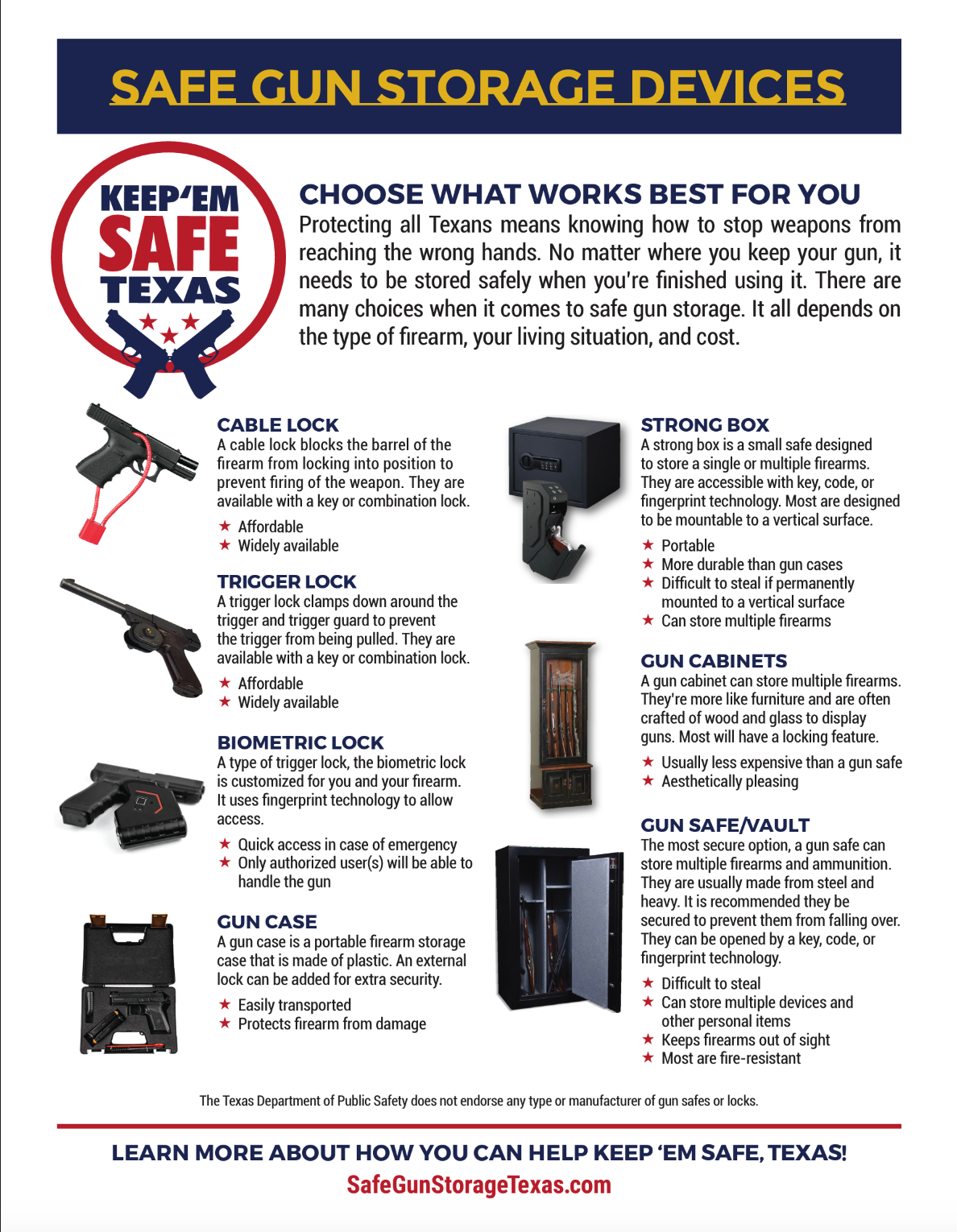
What Makes a Gun Safe, and Why It Matters
The big idea is simple. A gun cabinet is not a true safe. A safe resists forced entry and heat. This difference protects both your family and your investment.
Look for independent standards. RSC means Residential Security Container, which is a burglary baseline under UL 1037. Type 1 electronic safe locks follow UL 768. Many states use DOJ rules for minimum construction and locking. When you research Different Types of Gun Safes & Its Locking Mechanisms, start with these labels.
A safe is a system. Steel thickness, boltwork, hard plates, relockers, and the door frame all matter. I have seen thin doors with strong locks fail in minutes during testing. Build quality and rating work together.
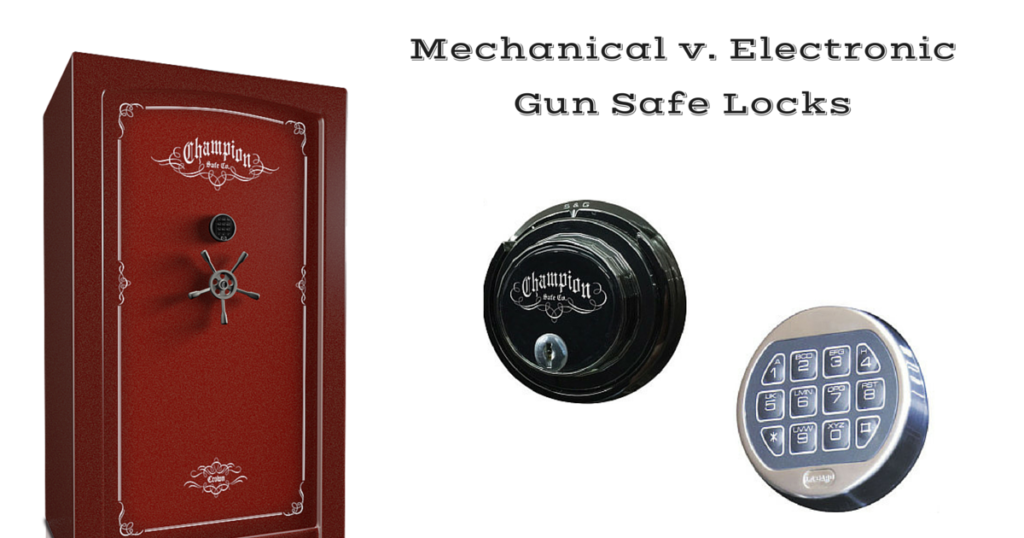
Types of Gun Safes by Use and Construction
Different Types of Gun Safes & Its Locking Mechanisms vary by purpose. Pick the form factor that fits your space, risk, and budget.
- Gun cabinets. Light steel lockers with key or simple electronic locks. Good for basic access control, not serious burglary or fire. Best for low-risk homes and low budgets.
- RSC gun safes. Heavier steel, multiple bolts, and real fire seals. Often 12 to 10 gauge steel. This is the common home choice.
- TL-rated safes. True high-security safes tested against tools for a set time, like TL-15 or TL-30. Great for mixed storage and high-risk areas. Heavy and expensive.
- Quick-access handgun safes. Small units near the bed or desk for fast access. Often electronic or biometric with tamper lockout. Use a larger safe for long-term storage.
- In-wall and hidden safes. Great for concealment and space saving. Depth limits long guns and fire layers.
- Under-bed and horizontal safes. Ideal for apartments or tight rooms. Anchor them to stop pull-out thefts.
- Vehicle safes. Lock boxes for trucks or SUVs. Helpful for legal carry rules when entering restricted places.
- Modular safes. Panel systems you assemble in the room. Easier to move in tight stairs. Choose a model with solid seam design.

Fire Protection: What The Ratings Really Mean
Different Types of Gun Safes & Its Locking Mechanisms often claim 30 to 120 minutes at high heat. Not all tests are equal. Many tests are done in-house by the maker, not to UL 72. Treat fire labels as a comparison, not a promise.
Fire liners are key. Gypsum board is common and cost effective. Concrete amalgam or poured fill is heavier and better at heat soak. Intumescent door seals expand when hot. They block smoke and steam that can ruin finishes.
Think about where the safe sits. On a slab gives you the best fire odds. In a garage near fuel or a kitchen wall can raise risk. Keep paper documents in a rated fire box inside your gun safe for extra protection.
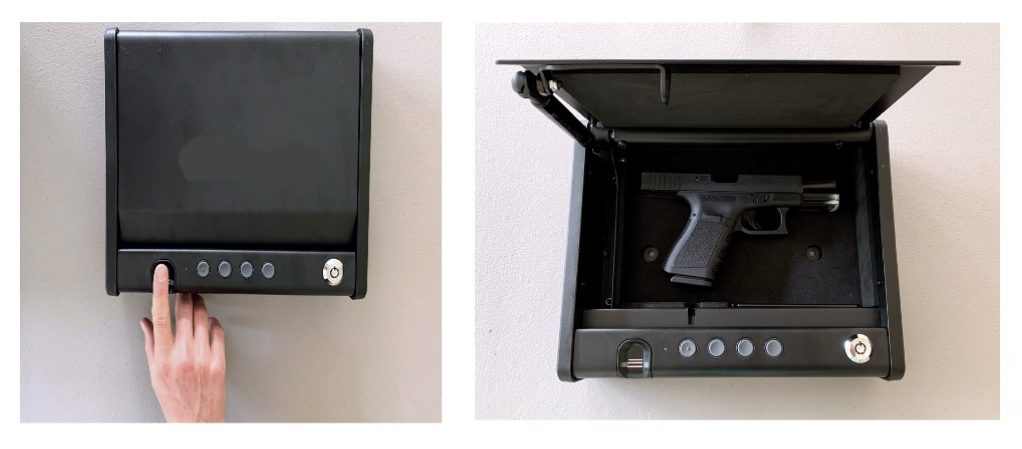
Locking Mechanisms Explained
This is where Different Types of Gun Safes & Its Locking Mechanisms show big trade-offs. Each lock type has strengths.
- Mechanical dial locks. Time-proven. Work without power. Look for Group 2M or Group 1 for higher manipulation resistance. Slower to open. Needs clean dialing.
- Electronic keypad locks. Fast and simple. Many meet Type 1 standards. Change codes easily. Needs fresh batteries. Buy quality to avoid lockouts.
- Biometric locks. Very quick when well-tuned. Best on quick-access boxes. Keep a code backup. Cold, sweat, or cuts can reduce read quality.
- Key locks. Simple and cheap. Keys can be lost or copied. Better as secondary locks, not the only layer on large safes.
- Redundant locks. Combine a mechanical dial with an electronic keypad. Great for shared access and backup. Costs more but avoids single-point failure.
- Boltwork and relockers. Look for multiple live bolts, a solid door bar, a hard plate over the lock, and spring-loaded relockers that trigger under attack.
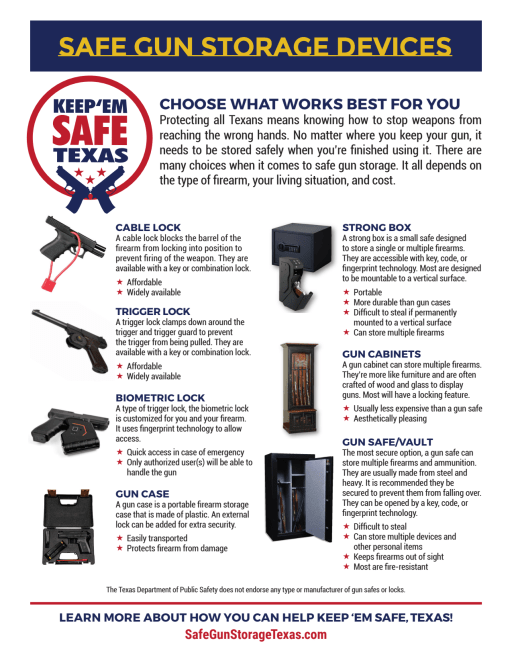
Pros and Cons of Each Lock Type
Different Types of Gun Safes & Its Locking Mechanisms matter most at 3 a.m. Keep it real with these short lists.
Mechanical dial
- Pros: No batteries. Long life. High security models resist skilled attacks.
- Cons: Slow to open. Harder for kids or guests to use. Professional help needed for service.
Electronic keypad
- Pros: Fast access. Easy code changes. Audit features on some models.
- Cons: Needs batteries. Cheap boards fail. Electrostatic events can damage low-end units.
Biometric
- Pros: One-handed speed. Good under stress if tuned well.
- Cons: False rejects possible. Keep a code backup. Clean the sensor often.
Keyed locks
- Pros: Lowest cost. Simple.
- Cons: Keys can be lost, found, or bumped. Do not rely on keys alone.
Redundant
- Pros: Best of both worlds. Backup on the door.
- Cons: More parts to service. Higher price.

Balancing Access Speed, Security, and Cost
Think of Different Types of Gun Safes & Its Locking Mechanisms like a three-way scale. You cannot max all sides at once. Make smart trade-offs.
- Nightstand defense. Use a Type 1 electronic or biometric quick-access box, plus a larger RSC safe for storage.
- Family home with teens. Use an RSC safe with a Type 1 electronic lock and audit features. Train everyone on safe handling.
- High-crime area. Favor thicker steel, more bolts, and a redundant lock. Add cameras and alarms to cut attack time.
- Collector with rare pieces. Go with a TL-rated safe if you can. Add a fire box inside for paper items.
From my installs, speed-only setups cause most regrets. People later want better steel and fire layers. Plan for the next five years, not just today.
Placement, Anchoring, and Humidity Control
Many ask about Different Types of Gun Safes & Its Locking Mechanisms, but skip the floor. Anchoring is huge. A safe that tips can be pried faster or carried off.
- Anchor to concrete when you can. Use rated anchors and follow the maker’s torque guide.
- On wood floors, find joists or add a steel plate under the safe. Spreads the load and resists prying.
- Mind floor load. Large safes can weigh 800 pounds or more. Place over load-bearing walls.
- Control moisture. Use a heated rod dehumidifier and a desiccant pack. Check rust points like crowns and sights monthly.
- Air gap. Leave a small space behind the safe for cables and airflow.
I once moved a safe that was not anchored. Two people could rock it. A thief could, too. Bolts changed the picture in minutes.
Common Mistakes and How to Avoid Them
When learning about Different Types of Gun Safes & Its Locking Mechanisms, avoid these common traps.
- Believing capacity labels. A “24-gun” safe often holds 10 to 14 modern rifles with optics. Buy one size up.
- Ignoring door frames. Weak frames bend first. Check for reinforced returns and a solid door bar.
- Skipping a backup plan. Keep a hidden backup key or combo in a separate, secure place. Add external battery access for electronic locks if supported.
- Placing in a hot garage. Heat swings and humidity increase rust. Use climate control or add stronger moisture control.
- Buying for looks. Gloss paint does not stop pry bars. Steel thickness and ratings do.
Maintenance and Testing Your Safe and Locks
Different Types of Gun Safes & Its Locking Mechanisms last longer with light care. Set reminders to stay ahead of failure.
- Replace keypad batteries twice a year, not when they die. Use high-quality cells.
- Clean biometric sensors with a soft cloth. Re-enroll prints after cuts or in winter months.
- Test the anchor bolts once a year for tightness. Look for floor movement or wobble.
- For mechanical dials, a locksmith can service and check timing. Do this if dialing feels rough or sticky.
- Open and close the door monthly. Listen for smooth bolt travel. Catch issues early.
I keep a simple log taped inside the door for dates and notes. It saves time and avoids surprises.
Budget Tiers and a Smart Shopping Checklist
Tie your budget to risk and access needs. This keeps Different Types of Gun Safes & Its Locking Mechanisms aligned with real life.
- Entry level, under $300. Metal cabinets. Basic locks. Good for low-risk homes and starter setups.
- Mid range, $300 to $1,200. Light RSC units. Decent fire lining. Electronic locks with user codes.
- Upper mid, $1,200 to $3,000. Heavier steel, better fire, redundant locks, stronger boltwork.
- Premium, $3,000 and up. TL-rated or heavy RSC. Superior fire fills. Best hardware and service.
Use this checklist while shopping
- Confirm ratings: RSC, UL lock type, any fire test details.
- Steel thickness: door and body gauge, not just “composite.”
- Lock type: mechanical, electronic Type 1, biometric, or redundant.
- Boltwork: number of live bolts, top and bottom coverage, hard plate, relocker.
- Capacity: count real rifles with optics and mags.
- Anchor options: floor pattern, hardware included, room to drill.
- Warranty and service: local locksmith support and parts availability.
Frequently Asked Questions of Different Types of Gun Safes & Its Locking Mechanisms
What is the difference between a cabinet and a safe?
A cabinet uses thin steel and simple locks. A safe has thicker steel, stronger doors, and better locks, often with fire protection.
Are biometric gun safes reliable?
Good units are fast and reliable when kept clean and set up right. Always keep a PIN or key backup.
How often should I change my electronic lock batteries?
Twice a year is a safe rhythm. Replace sooner if the keypad gives low-battery warnings.
Do higher fire ratings always mean better protection?
Not always, because many gun safe fire tests are not standardized. Use ratings as a guide and add a small fire box for paper items.
Is a mechanical dial safer than an electronic keypad?
Both can be secure when built to proper standards. Electronic locks offer faster access, while dials avoid battery issues.
Can I install a gun safe on the second floor?
Yes, if the floor can handle the load and you anchor well. Place over a load-bearing wall and use moisture control.
What size gun safe should I buy?
Pick one size larger than your current collection. Optics and accessories reduce real capacity fast.
Conclusion
The right safe blends solid steel, a trusted lock, real fire layers, and smart placement. Now you know how Different Types of Gun Safes & Its Locking Mechanisms shape speed, security, and ease of use. Match the lock to your habits, anchor the box, and plan for growth.
Take action today. Measure your space, set a clear budget, and use the checklist above while you shop. Want more help choosing between Different Types of Gun Safes & Its Locking Mechanisms? Subscribe for updates, ask a question, or share your setup so we can fine-tune it together.

