
Are you wondering if your battle rifle needs more care than your regular firearm? You might think all guns require the same simple cleaning, but battle rifles are a different story.
Their power and design demand a special kind of maintenance to keep them working perfectly when it matters most. If you want to protect your investment and ensure your rifle performs every time, understanding these unique care steps is crucial.
Keep reading to discover what makes battle rifle maintenance special—and how you can master it with ease.
Battle Rifle Basics
Battle rifles are powerful firearms designed for combat situations. They balance range, power, and control. Understanding the basics helps with proper care and use. These rifles differ from other guns like assault rifles or sniper rifles.
Battle rifles often use larger cartridges. This makes them effective at longer distances. They are built to be durable and reliable in tough conditions. Knowing their key features and common models helps users maintain them well.
Key Features
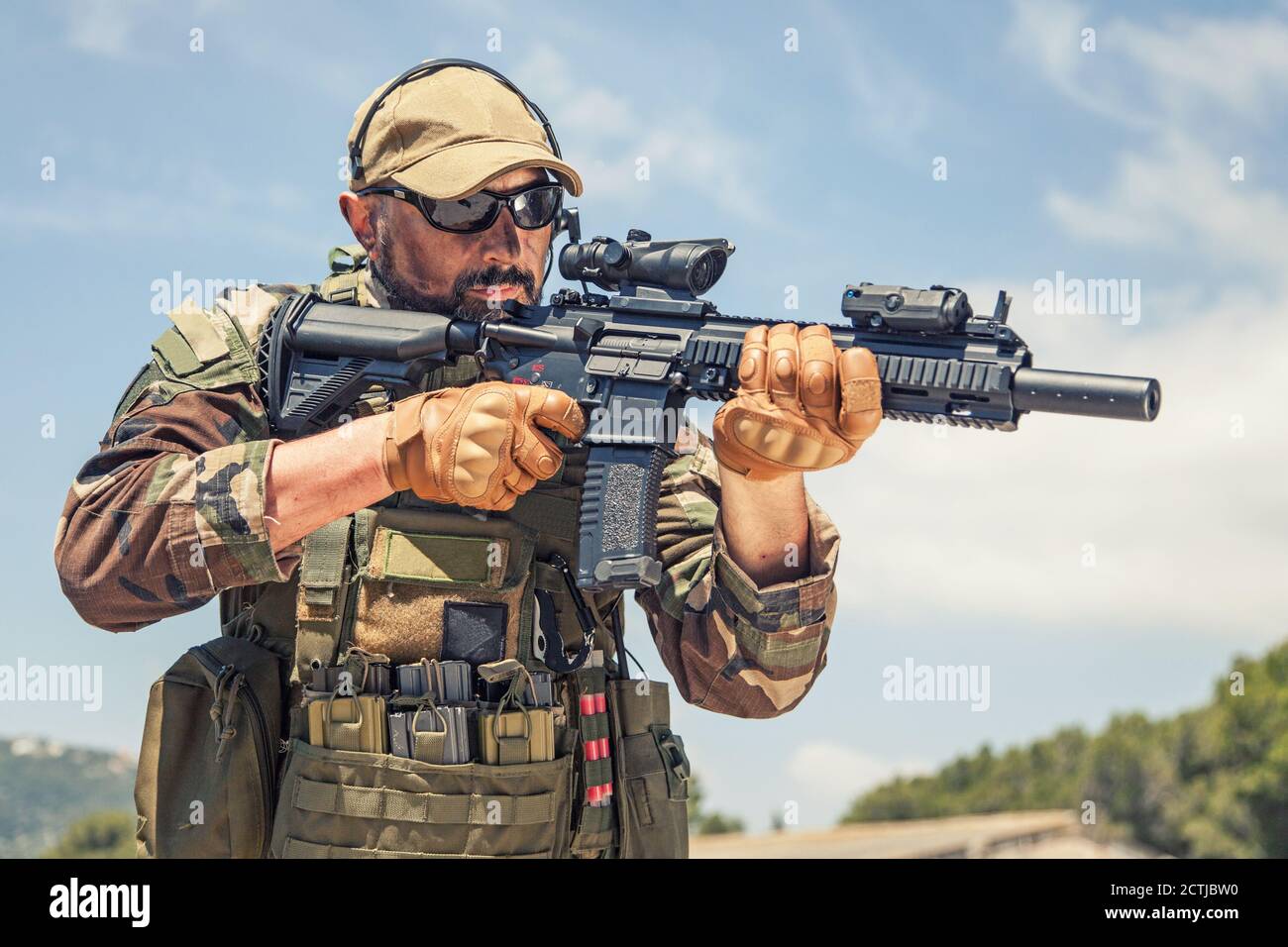
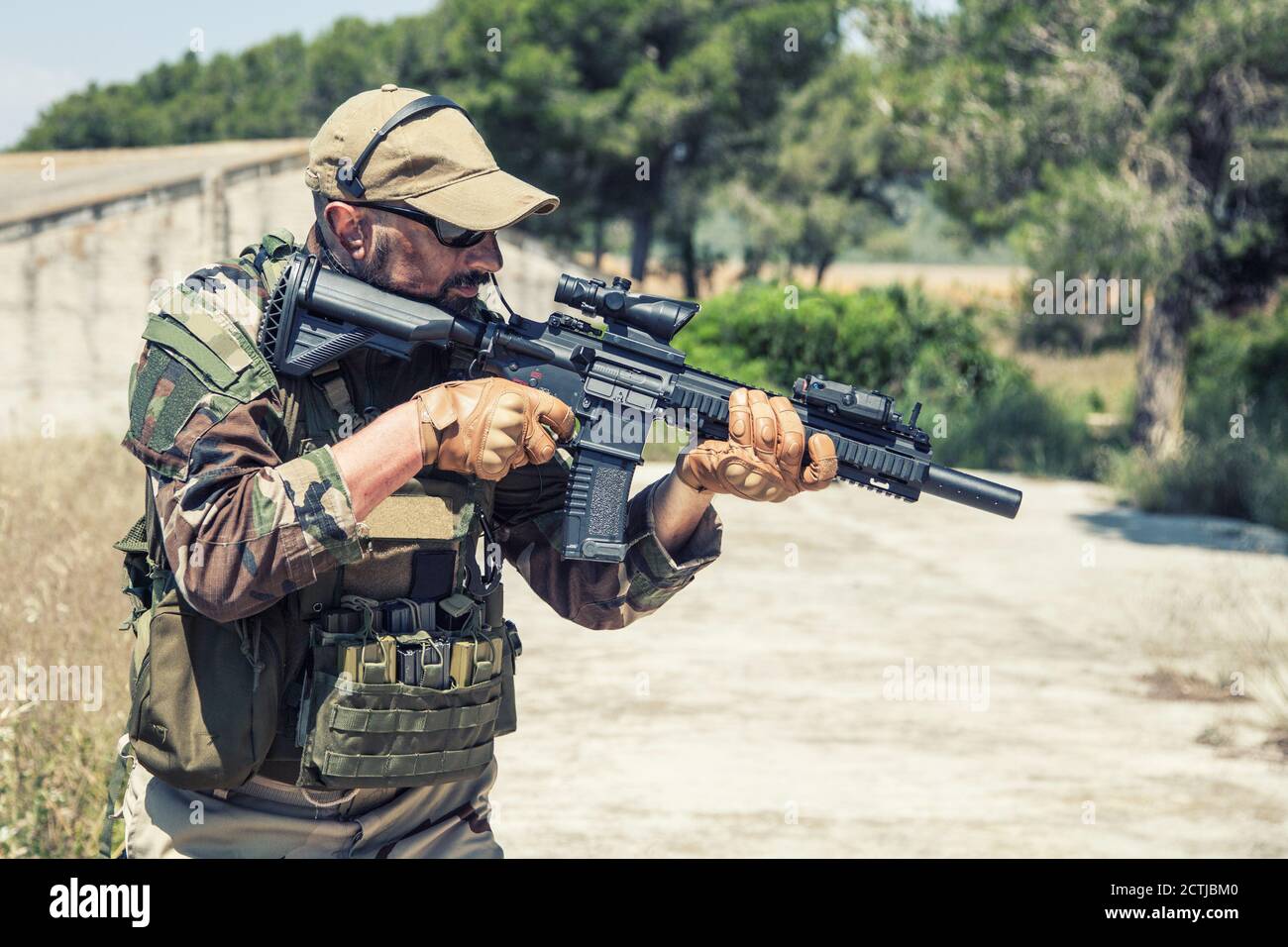
Battle rifles use full-power cartridges, usually 7.62mm NATO. They fire in semi-automatic or selective fire modes. These rifles have longer barrels for accuracy. Their sturdy design helps handle recoil and rough use. Many have iron sights and options for optics. They are heavier than assault rifles, adding stability.
Common Models
Popular battle rifles include the M14, FN FAL, and HK G3. The M14 was used by the U.S. military. FN FAL earned the nickname “The Right Arm of the Free World.” HK G3 is known for its simple and strong design. These models have served in many armies worldwide. Each requires specific care for long life and performance.
Maintenance Needs
Battle rifles need regular cleaning to work well. Dirt and moisture can cause problems if not checked often. Simple care keeps them reliable and safe to use.
Battle rifles need regular care to work well and last long. Their parts face heavy use and stress. Proper maintenance keeps them safe and ready. Skipping care can cause malfunctions and wear. Understanding their maintenance needs helps you keep them in top shape.
Unique Challenges
Battle rifles often have bigger calibers and stronger recoil. This makes their parts wear faster than smaller guns. Dirt and powder residue build up quickly inside. Some parts need special cleaning tools or solutions. Also, their complex mechanisms require careful handling. Neglecting these challenges can lead to rust or jams.
Routine Care
Clean the barrel and chamber after every use. Wipe down all metal parts to stop rust. Check the bolt and firing pin for dirt and damage. Lubricate moving parts lightly to avoid sticking. Inspect the stock and sights for cracks or looseness. Regular care keeps the rifle reliable and safe for shooting.
Cleaning Techniques
Cleaning battle rifles is essential for good performance. Dirt, powder residue, and moisture can cause malfunctions. Proper cleaning keeps the rifle reliable and safe. Follow simple techniques to maintain your weapon well.
Tools Required
Gather the right tools before starting. You need a cleaning rod, bore brush, and patches. Use a cleaning solvent to remove carbon and dirt. A lubricant helps protect metal parts from rust. A soft cloth is useful for wiping surfaces. Small brushes or cotton swabs clean tight spots.
Step-by-step Process
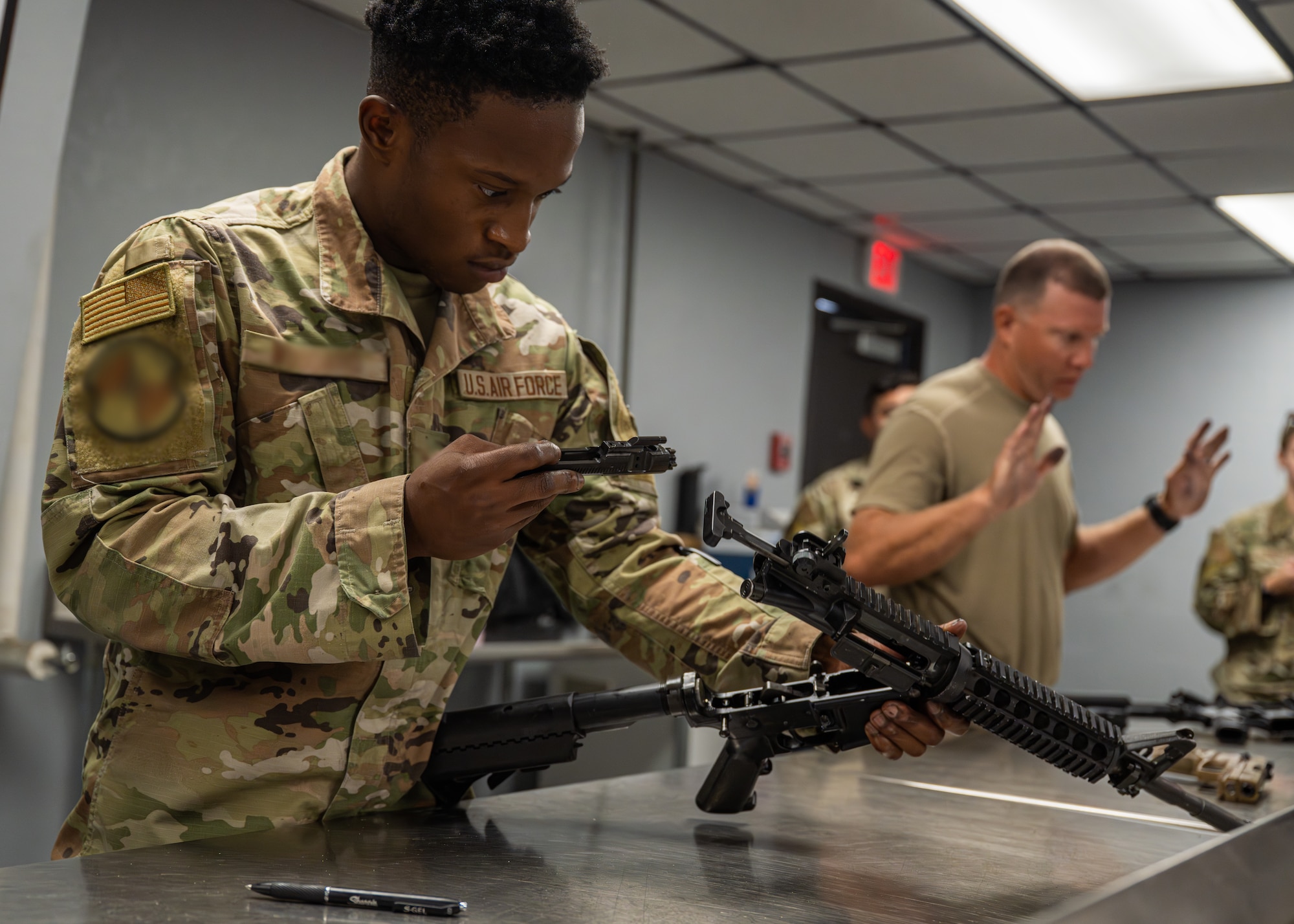
First, ensure the rifle is unloaded and safe. Remove the magazine and check the chamber. Disassemble the rifle as per the manual instructions. Use the bore brush with solvent to scrub the barrel. Run patches through the barrel until they come out clean. Clean the bolt and other parts with brushes and cloths. Apply lubricant lightly on moving parts. Reassemble the rifle carefully. Perform a function check to confirm proper operation.
Lubrication Tips
Proper lubrication is key to keeping battle rifles in top shape. It helps reduce wear and prevents rust. Regular oiling ensures smooth action and long service life. Understanding the right oil and how to apply it matters.
Choosing The Right Oil
Pick oils made for firearms. These oils resist dirt and heat well. Avoid using cooking oils or generic machine oils. Lightweight gun oils work best for small moving parts. Grease suits areas with heavy metal contact. Check product labels for compatibility with your rifle model.
Application Methods
Use a clean cloth or cotton swab to apply oil. A drop or two is enough for each part. Focus on the bolt, trigger, and moving joints. Wipe away extra oil to stop dirt buildup. Avoid soaking the rifle, which can attract dust. Regular checks help spot dry spots early.
Storage Practices
Proper storage practices keep battle rifles safe and ready to use. Good habits protect the rifle from damage and wear. Storing rifles carefully extends their life and maintains performance. Two key areas to focus on are preventing corrosion and ensuring safe handling.
Preventing Corrosion
Corrosion can ruin metal parts of a battle rifle. Keep the rifle dry and clean before storage. Use a soft cloth to remove moisture and dirt. Store rifles in a cool, dry place away from humidity. Consider using a gun safe with a dehumidifier. Apply a light coat of oil to metal surfaces. This oil layer blocks moisture and prevents rust. Check the rifle regularly for signs of corrosion. Early spotting helps avoid major damage.
Safe Handling
Safe handling during storage prevents accidents and damage. Always unload the rifle before storing it. Use a trigger lock or cable lock for extra safety. Store the rifle out of reach of children and unauthorized users. Keep ammunition stored separately from the rifle. Handle the rifle gently to avoid dropping or scratching it. Use a padded case or gun sock for protection. Proper handling lowers the risk of injury and keeps the rifle in top shape.
Troubleshooting Common Issues
Troubleshooting common problems with battle rifles helps keep them working well. Knowing what causes issues saves time and effort. Regular checks catch small problems early. This stops bigger troubles later. Focus on two main areas: misfires and jams, and wear and tear.
Misfires And Jams
Misfires happen when the rifle does not fire after pulling the trigger. Dirt or debris in the chamber often causes this. Cleaning the chamber and barrel regularly prevents build-up. Check the firing pin for damage or dirt. Lubricate moving parts lightly to avoid sticking. Jams occur when a round gets stuck inside the rifle. This blocks the next round from loading. Remove the magazine and clear the jam carefully. Use a cleaning rod to push stuck rounds out. Always inspect the magazine for damage or dirt. Replace damaged parts to keep feeding rounds smoothly.
Wear And Tear
Battle rifles face stress during use. Parts wear down over time and need attention. Check the bolt and extractor for signs of wear. Replace worn parts to avoid malfunctions. Springs can lose tension and cause feeding problems. Test springs regularly and swap weak ones. The barrel may erode with heavy use. Inspect for cracks or unusual wear marks. Clean the barrel thoroughly to maintain accuracy. Tighten loose screws and pins to keep parts secure. Regular maintenance extends the rifle’s life and reliability.
Expert Advice
Expert advice can help you keep your battle rifle in top shape. Proper care ensures it works safely and lasts longer. Understanding the right maintenance steps is key for any rifle owner.
Maintenance Frequency
Cleaning your battle rifle after each use is best. This prevents dirt and residue buildup. For regular use, check and clean parts weekly. If stored for long, inspect it monthly. Routine checks avoid major problems later.
Professional Servicing
Experts recommend a full service once a year. A gunsmith can spot hidden issues you might miss. They clean deep parts and replace worn components. This keeps your rifle reliable and safe. Trusting professionals adds peace of mind to your care routine.
Frequently Asked Questions
Do Battle Rifles Need Different Cleaning Methods?
Yes, battle rifles often require specific cleaning techniques due to their larger calibers and robust mechanisms. Regular cleaning with proper solvents and brushes ensures optimal performance and longevity. Neglecting maintenance can lead to malfunctions and decreased accuracy.
How Often Should I Maintain A Battle Rifle?
Maintenance frequency depends on usage, but a general rule is after every 300-500 rounds. Clean after exposure to dirt, moisture, or harsh environments. Regular checks prevent corrosion and ensure reliable function during critical moments.
Are Special Tools Necessary For Battle Rifle Upkeep?
While basic cleaning kits work, some battle rifles benefit from specialized tools like chamber brushes and bore snakes. These tools help reach tight areas and preserve the rifle’s integrity. Investing in quality tools improves maintenance efficiency.
What Parts Of A Battle Rifle Need Extra Attention?
Focus on the barrel, bolt carrier group, and gas system. These parts endure high stress and residue buildup. Proper lubrication and cleaning prevent jams and extend the rifle’s service life, ensuring consistent operation.
Conclusion
Battle rifles need regular care to stay reliable and safe. Cleaning after use keeps parts working well. Checking the barrel, bolt, and magazine helps avoid problems. Using the right oil prevents rust and wear. Simple, steady maintenance saves time and money later.
Treat your battle rifle with care. It will perform better and last longer. Taking small steps often is better than big fixes later. Maintenance is not hard, just a smart habit. Keep your rifle ready for any situation.

