
If you own a bolt-action rifle, keeping it in top shape is key to reliable performance and safety. But how do you maintain it properly?
You might think cleaning is enough, but there’s more to it than just wiping the barrel. In this guide, you’ll discover simple steps that make your rifle last longer and shoot better. Whether you’re a beginner or have some experience, these tips will help you avoid common mistakes and keep your rifle ready for action.
Ready to take control of your rifle’s care? Let’s dive in.

Cleaning Essentials
Cleaning a bolt-action rifle keeps it safe and working well. Dirt, powder, and oil can build up inside. These things can cause rust or jams. Regular cleaning helps stop these problems. Here is what you need to clean your rifle right.
Tools You Need
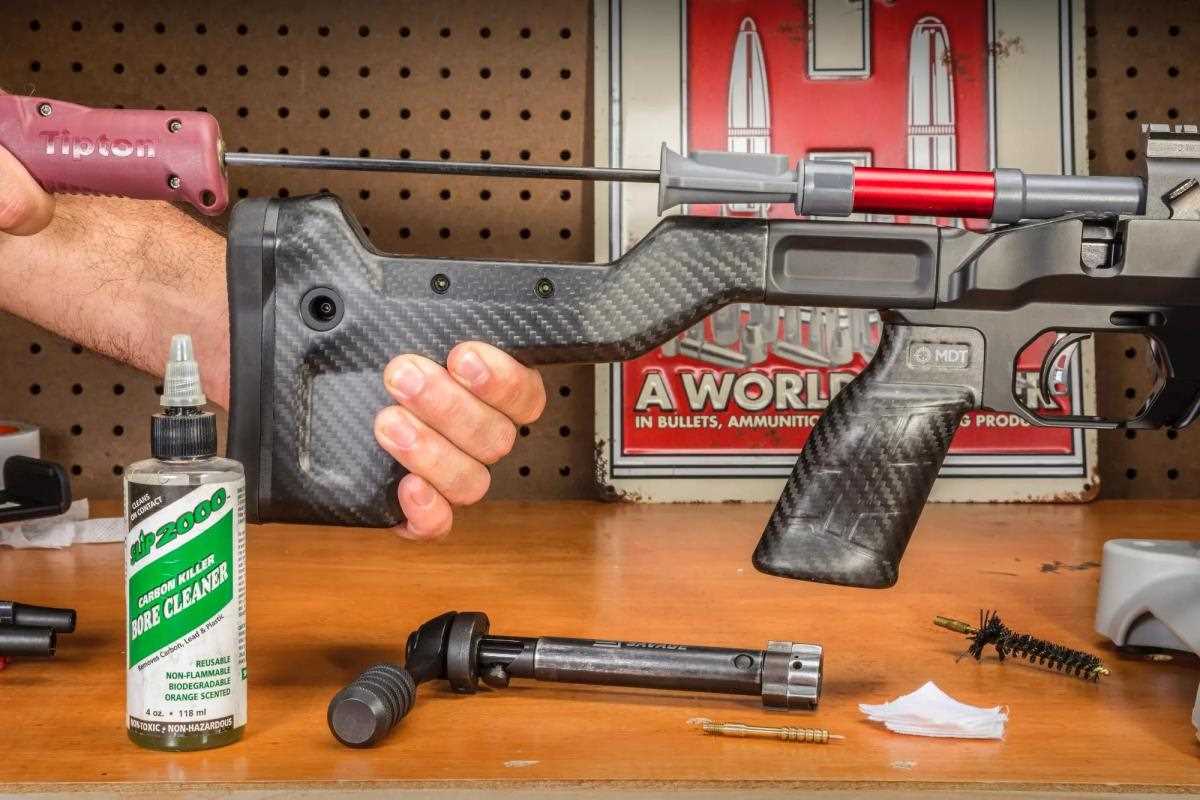
Start with basic tools. A cleaning rod with a jag or patch holder is key. Use soft patches to avoid scratches. A bore brush helps remove stuck residue. Also, get a small brush for the bolt and action areas. A cloth or towel is good for wiping parts. Gloves keep your hands clean and safe.
Choosing The Right Cleaning Solvent
Pick a solvent made for firearms. It breaks down powder, lead, and copper fouling. Some solvents work faster and are gentle on metal. Avoid harsh chemicals that can harm your rifle’s finish. Apply solvent with patches or a brush. Let it sit a few minutes before scrubbing.
Lubricants For Smooth Operation
After cleaning, use lubricant to protect metal parts. Choose a light gun oil or grease made for rifles. Lubricate the bolt, action, and moving parts lightly. Too much oil attracts dirt and dust. Wipe off extra oil with a clean cloth. Proper lubrication helps your rifle work smoothly and last longer.
Step-by-step Cleaning Process
Maintaining a bolt-action rifle is easier with a clear cleaning process. Regular cleaning keeps your rifle working well and safe. Follow these simple steps to clean your rifle thoroughly. Each step focuses on an important part of the rifle. Take your time and clean carefully.
Disassembling The Rifle
Start by making sure the rifle is unloaded. Remove the magazine and check the chamber. Open the bolt and pull it out gently. Follow the rifle manual for safe disassembly. Keep parts organized to avoid losing them. Do not force any parts apart. Handle each piece with care.
Cleaning The Barrel
Use a cleaning rod with a patch and solvent. Push the patch through the barrel from the chamber end. Repeat until patches come out clean. Use a bore brush for stubborn residue. Run a dry patch to remove moisture. Finish with a light coat of oil inside the barrel. This protects against rust.
Cleaning The Bolt And Action
Wipe the bolt with a cloth to remove dirt. Use a brush to clean hard-to-reach spots. Apply a small amount of gun oil on moving parts. This keeps the action smooth and prevents wear. Avoid over-oiling as it attracts dust. Clean the chamber area with a soft brush.
Wiping Down The Stock And Exterior
Use a soft cloth to wipe the stock and outside metal parts. Remove dirt, fingerprints, and moisture. For wooden stocks, apply a wood-safe cleaner or oil. Metal parts benefit from a thin layer of gun oil. This prevents rust and corrosion. Store the rifle in a dry place after cleaning.
Inspection And Maintenance
Inspection and maintenance keep a bolt-action rifle working well. Regular checks help catch problems early. This prevents bigger issues later. A clean and well-maintained rifle lasts longer and stays accurate. Follow these steps to keep your rifle in top shape.
Checking For Wear And Damage
Look closely at the rifle’s barrel, bolt, and stock. Check for cracks, rust, or dents. Small damage can affect safety and performance. Use a flashlight to see inside the barrel. Make sure no dirt or rust is inside. Inspect the firing pin and extractor for signs of wear. Replace parts if they look worn or broken.
Tightening Screws And Components
Loose screws can cause problems with accuracy. Use the right screwdriver to tighten all screws gently. Focus on scope mounts, trigger guard, and stock screws. Avoid overtightening, which can strip screws or damage parts. Check the bolt handle and safety switch. Make sure all moving parts fit firmly but move smoothly.
Replacing Worn Parts
Parts wear out after long use. Replace worn springs, firing pins, and extractors. Use parts made for your rifle model. Old or damaged parts can cause misfires or jams. Keep spare parts handy for quick replacements. Regular replacement keeps the rifle safe and reliable.
Storage Tips
Storing a bolt-action rifle properly is key to keeping it safe and working well. Good storage protects the rifle from damage and stops rust from forming. Simple steps can keep your rifle in top shape for years.
Proper Rifle Storage Conditions
Keep your rifle in a cool, dry place. Avoid damp areas that cause rust. Temperature should stay steady to prevent metal and wood damage. A room with low humidity is best. Use a dehumidifier if needed to control moisture.
Using Protective Covers
Cover your rifle with a soft cloth or a special gun sock. This blocks dust and dirt. Choose covers that breathe to stop moisture buildup. Avoid plastic bags as they trap moisture and cause rust. Regularly check the cover for dirt and clean it.
Long-term Storage Practices
For long storage, clean the rifle thoroughly before putting it away. Apply a thin layer of gun oil to metal parts. Store the rifle unloaded and in a locked safe. Place silica gel packs inside the safe to reduce moisture. Check the rifle every few months for rust or damage.
Handling And Usage Advice
Handling and using a bolt-action rifle properly is key to its long life and your safety. Careful handling helps avoid accidents and keeps the rifle working well. Use the rifle with respect and follow good habits every time you shoot or carry it.
Safe Handling Practices
Always point the rifle in a safe direction. Keep your finger off the trigger until ready to shoot. Check if the rifle is loaded before use. Use the safety catch until you need to fire. Wear eye and ear protection to stay safe. Store the rifle unloaded and locked away. Teach others about safe gun handling too.
Regular Maintenance Schedule
Clean your rifle after every use. Wipe down the barrel and moving parts to remove dirt. Oil metal parts lightly to stop rust. Inspect the rifle for wear or damage. Replace worn parts quickly. Set a monthly check for rifles used often. Keep a maintenance log to track cleaning and repairs.
Tips For Field Cleaning
Take a basic cleaning kit when in the field. Remove dirt and moisture from the barrel and chamber. Use a bore brush and patches for thorough cleaning. Dry all parts well before reassembling. Avoid using too much oil in the field. Clean the rifle fully when back home. Field cleaning keeps your rifle reliable on every trip.

Frequently Asked Questions
How Often Should I Clean My Bolt-action Rifle?
Clean your bolt-action rifle after every use or at least once a month. Regular cleaning prevents rust, removes fouling, and ensures reliable performance. Frequent maintenance extends the rifle’s lifespan and improves accuracy by keeping internal parts free of debris and buildup.
What Tools Are Needed To Maintain A Bolt-action Rifle?
You need a cleaning rod, bore brush, patches, solvent, lubricant, and a soft cloth. A screwdriver set may help for disassembly. These tools ensure thorough cleaning and proper lubrication, which are essential for smooth rifle operation and long-term durability.
How Do I Safely Disassemble A Bolt-action Rifle?
First, ensure the rifle is unloaded and the chamber is clear. Remove the bolt by unlocking it, then carefully detach the stock if needed. Follow the manufacturer’s instructions to avoid damage. Proper disassembly allows effective cleaning and inspection of internal parts.
What Lubricant Is Best For Bolt-action Rifles?
Use a high-quality gun oil or synthetic lubricant designed for firearms. Avoid heavy greases that can attract dirt. Proper lubrication reduces friction and wear, ensuring smooth bolt operation and preventing rust inside the action and barrel.
Conclusion
Maintaining a bolt-action rifle keeps it safe and reliable. Clean the barrel and parts regularly to avoid rust. Use the right tools and gentle motions for cleaning. Check the rifle for damage or wear before each use. Store it in a dry, cool place to protect it.
Simple care helps the rifle last longer and work better. Regular maintenance also improves your shooting experience. Small efforts make a big difference in rifle performance. Keep your rifle ready for every trip with proper care.

