
You rely on your single-shot rifle for precision and reliability. But how well do you maintain it?
A clean and well-kept rifle performs better, lasts longer, and keeps you safe. If you want your rifle to stay in top shape, you need to know the right steps to care for it. You’ll discover simple, effective ways to maintain your single-shot rifle so it’s always ready when you are.
Keep reading to learn the secrets to easy maintenance that every rifle owner should know.
Basic Maintenance Tools
Maintaining a single-shot rifle needs the right tools. Basic maintenance tools keep your rifle clean and working well. They help prevent rust and damage. Using proper tools makes cleaning easier and faster.
These tools include cleaning supplies, lubricants, and protective gear. Each plays an important role in rifle care. Knowing what to use helps you take good care of your rifle.
Essential Cleaning Supplies
Cleaning supplies remove dirt, powder, and residue from the barrel. A cleaning rod is a must-have tool. Use it with patches and brushes that fit your rifle’s barrel size. A bore brush scrubs the inside of the barrel well.
Cleaning patches soak up oil and dirt. A jag or slotted tip holds patches on the rod. A cleaning cloth wipes down the rifle’s outside parts. Don’t forget cotton swabs for hard-to-reach areas.
Lubricants And Oils
Lubricants keep moving parts smooth and prevent wear. Use a quality gun oil for metal parts. It stops rust and reduces friction. Apply oil sparingly to avoid buildup.
Some parts need grease instead of oil. Grease stays in place longer on heavy-use areas. Always use products made for firearms. Avoid household oils, as they can damage your rifle.
Protective Gear
Wear protective gear to keep yourself safe during cleaning. Safety glasses protect your eyes from solvents and debris. Gloves guard your hands from chemicals and dirt.
Choose gloves that fit well and allow good finger movement. A clean workspace helps avoid accidents. Use mats or towels to catch spills and protect surfaces.
Cleaning The Barrel
Cleaning the barrel of a single-shot rifle is key to keeping it accurate and safe. Dirt, powder residue, and metal fouling build up after shooting. This buildup can affect the bullet’s path and cause rust or damage inside the barrel. Regular cleaning helps maintain the rifle’s performance and extends its life.
Removing Residue And Fouling
Start by removing the powder residue and fouling inside the barrel. Use a cleaning rod with a patch soaked in a good solvent. Push the patch through the barrel from the breech to the muzzle. This softens and loosens the dirt stuck to the metal. Repeat this step until the patches come out clean.
Using Bore Brushes And Patches
Next, use a bore brush to scrub the inside of the barrel. Choose a brush made from brass or nylon that fits your rifle’s caliber. Attach it to the cleaning rod and run it through the barrel several times. After brushing, push clean, dry patches through the barrel to remove loosened debris. Repeat until the patches look clean.
Drying And Inspecting The Barrel
After cleaning, dry the barrel completely with dry patches. Check the inside carefully using a bore light or a flashlight. Look for any rust, corrosion, or remaining dirt. If you find any, clean those spots again. Make sure the barrel is dry and clean before storing the rifle.
Maintaining The Action
Maintaining the action of a single-shot rifle is essential for smooth operation and safety. The action is the heart of the rifle where the bullet is loaded, fired, and ejected. Keeping it clean and well-lubricated ensures reliable performance. Neglecting this part can lead to jams or misfires. Follow these steps to maintain your rifle’s action properly.
Disassembling The Rifle Safely
First, make sure the rifle is unloaded. Check the chamber and magazine carefully. Point the rifle in a safe direction. Remove any ammunition nearby. Use the manual to find the right way to take apart the action. Handle all parts gently to avoid damage. Keep small pieces in a safe place during cleaning.
Cleaning The Action Components
Use a soft brush to remove dirt and powder residue. Clean all metal parts with a cloth and a good solvent. Pay special attention to the bolt and trigger area. Remove any buildup that can block movement. Dry all parts completely before the next step. Avoid using too much liquid to prevent rust.
Lubricating Moving Parts
Apply a small amount of gun oil to key areas. Focus on the bolt, hinge, and trigger mechanism. Use oil sparingly to prevent attracting dust. Move the parts gently to spread the lubricant evenly. Proper lubrication reduces wear and keeps the action smooth. Wipe off any extra oil to avoid mess.
Stock Care And Preservation
The stock is the backbone of a single-shot rifle. It supports the barrel and action, providing balance and comfort. Taking care of the stock keeps the rifle reliable and looking good. Different materials need different care methods. Understanding these helps preserve your rifle for years.
Cleaning Wooden Stocks
Use a soft cloth to wipe dirt and dust from wooden stocks. Avoid soaking wood in water. Use a damp cloth with mild soap for stubborn grime. Dry the stock immediately after cleaning. Apply a small amount of wood oil or wax to keep the wood from drying out. Polish gently to restore shine without damaging the finish.
Treating Synthetic Stocks
Synthetic stocks require less care than wood. Wipe them with a damp cloth to remove dirt. Use mild soap if needed, then dry with a soft towel. Avoid harsh chemicals that can damage the synthetic material. Apply a silicone-based protectant to keep the stock looking new. This also helps repel dust and moisture.
Preventing Damage And Cracks
Store your rifle in a cool, dry place to prevent cracks. Avoid leaving it in direct sunlight or extreme temperatures. Use a padded case to protect the stock during transport. Check the stock regularly for signs of wear or damage. Repair small cracks early to avoid bigger problems. Proper care extends the life of your rifle’s stock.
Routine Inspection Tips
Maintaining a single-shot rifle starts with routine inspections. Regular checks help keep the rifle safe and working well. This practice prevents problems before they start. It also extends the life of the rifle. Follow these simple tips to inspect your rifle properly.
Checking For Wear And Tear
Look closely at the rifle’s barrel and stock. Check for cracks, dents, or rust spots. Pay attention to the trigger and hammer parts. These areas often show signs of wear first. Small issues can grow into big problems fast. Replace or fix worn parts right away to avoid damage.
Ensuring Proper Functionality
Test the rifle’s action to see if it works smoothly. Open and close the breech several times. Make sure the trigger pulls without sticking. Check that the safety mechanism locks and unlocks easily. These simple tests show if the rifle functions as it should.
Addressing Common Issues
Look for loose screws or parts that move too much. Clean any dirt or debris from the barrel and action. Oil the moving parts lightly to prevent rust and wear. Tighten screws carefully to avoid stripping them. Fixing small issues now prevents costly repairs later.
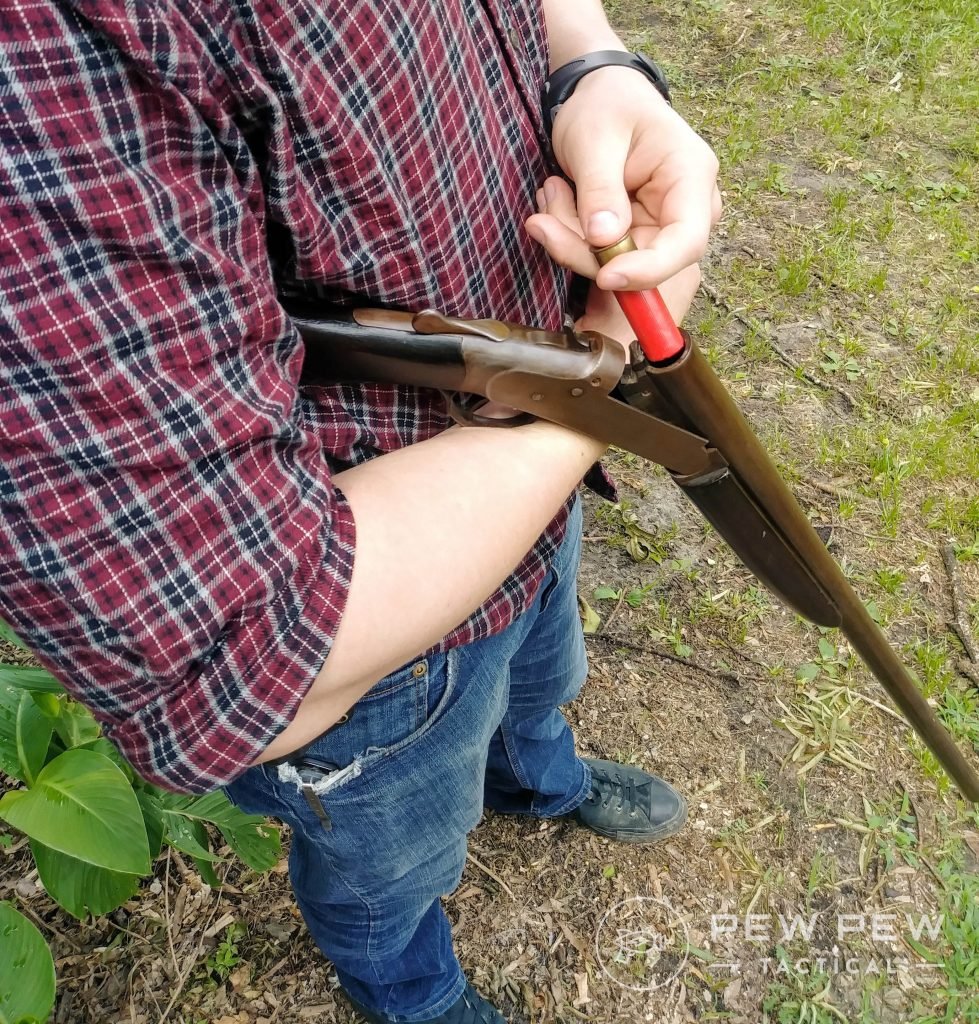
Storage Best Practices
Proper storage is key to keeping your single-shot rifle in good shape. It protects the rifle from damage, rust, and wear. Good storage habits help the rifle stay ready and safe for use. Follow these best practices to store your rifle correctly.
Choosing The Right Environment
Store the rifle in a dry, cool place. Avoid spots with high humidity or extreme heat. Moisture causes rust and damages metal parts. Temperature swings can affect wood and metal. A stable environment helps keep the rifle in top condition.
Using Protective Cases
Use a padded gun case for extra protection. The case shields the rifle from dust and scratches. Choose a case that fits the rifle snugly. Hard cases offer better defense against impacts. Soft cases are good for light protection and carrying.
Long-term Storage Advice
Clean the rifle thoroughly before long storage. Apply a light coat of gun oil to metal parts. This prevents rust during storage. Store the rifle unloaded and check it regularly. Use a gun sock or silicone-treated cloth for added protection.
Expert Maintenance Schedule
Maintaining a single-shot rifle needs a clear plan. A good schedule keeps your rifle safe and working well. Follow simple steps after each use, monthly, and yearly. This care helps your rifle last long and shoot accurately.
After Each Use
Clean the barrel with a patch and solvent. Wipe the bolt and chamber to remove dirt. Dry all parts carefully to avoid rust. Lightly oil metal surfaces to protect them. Check for any damage or loose parts. Store the rifle in a dry place.
Monthly Care Routine
Inspect the rifle fully for wear or rust. Clean the bore with a brush and solvent. Check the sights and tighten if needed. Apply a thin coat of oil on metal parts. Test the trigger and safety for smooth action. Keep the stock clean and dry.
Annual Deep Cleaning
Disassemble the rifle as the manual shows. Clean all small parts with solvent and a brush. Remove all old grease and dirt carefully. Lubricate moving parts with quality gun oil. Reassemble and check the rifle’s function. Store it with a dehumidifier in the case.

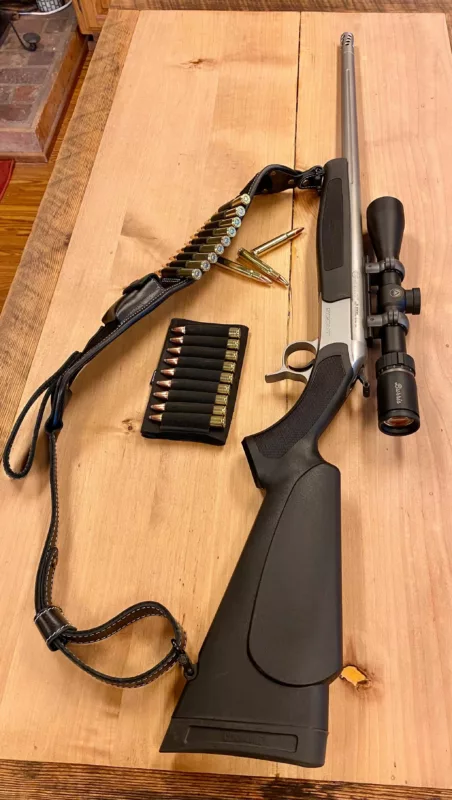
Frequently Asked Questions
How Often Should I Clean My Single-shot Rifle?
You should clean your single-shot rifle after every use or at least once a month. Regular cleaning prevents rust and ensures reliable performance. Pay attention to the barrel, action, and trigger mechanism for optimal maintenance.
What Tools Are Needed To Maintain A Single-shot Rifle?
Essential tools include a cleaning rod, bore brush, patches, solvent, and gun oil. A soft cloth and toothpick help clean small parts. Using the right tools ensures thorough cleaning without damaging your rifle.
Can I Use Household Oils For Rifle Maintenance?
No, household oils can damage rifle components and attract dirt. Always use gun-specific lubricants and solvents. These products protect your rifle from corrosion and ensure smooth functioning.
How Do I Inspect A Single-shot Rifle For Wear?
Check the barrel for rust, cracks, and obstructions. Inspect the action for smooth operation and loose parts. Regular inspections help identify issues early and maintain safe shooting conditions.
Conclusion
Maintaining a single-shot rifle keeps it safe and reliable. Clean the barrel and parts after every use. Check for rust or damage regularly. Use the right tools and cleaning supplies. Store the rifle in a dry, cool place. Routine care helps the rifle last longer.
It also improves shooting accuracy and safety. Simple steps make a big difference over time. Keep your rifle ready for the next adventure. Easy maintenance protects your investment and peace of mind.

