
Maintaining your sniper rifle is more than just a routine—it’s the key to keeping your shots accurate and your gear reliable when it matters most. If you want your rifle to perform flawlessly every time you pull the trigger, you need to know the right steps to clean, care for, and inspect it.
This guide will show you exactly how to keep your sniper rifle in top shape, so you can focus on hitting your target with confidence. Ready to unlock the secrets of expert rifle maintenance? Let’s dive in.
Choosing The Right Cleaning Tools
Choosing the right cleaning tools is key to maintaining a sniper rifle. Proper tools help keep the rifle clean and working well. Using poor tools can damage the barrel or other parts. Quality tools make cleaning easier and protect your investment. Here are some important tools to focus on for effective rifle care.
Selecting Quality Brushes And Rods
Use brushes made of brass or nylon to avoid scratching the barrel. Brass brushes remove fouling without damaging the rifling. Nylon brushes are gentler and good for light cleaning. Choose a cleaning rod that is sturdy and straight. Flexible rods can bend and harm the barrel. A good rod helps you push brushes and patches smoothly.
Using Proper Cleaning Solvents
Choose solvents designed for firearm cleaning. They break down carbon, lead, and copper deposits. Avoid harsh chemicals that can damage the metal or finish. Use solvents that work fast and rinse easily. Proper solvents keep your rifle safe and clean. Always follow the instructions on the solvent label.
Importance Of Cleaning Patches
Cleaning patches are small cloth squares used to wipe inside the barrel. Use patches made of cotton for good absorption. Patches remove dirt and solvent residue effectively. Change patches often to avoid pushing dirt back inside. Clean patches keep your barrel smooth and free of buildup.
Disassembling The Sniper Rifle
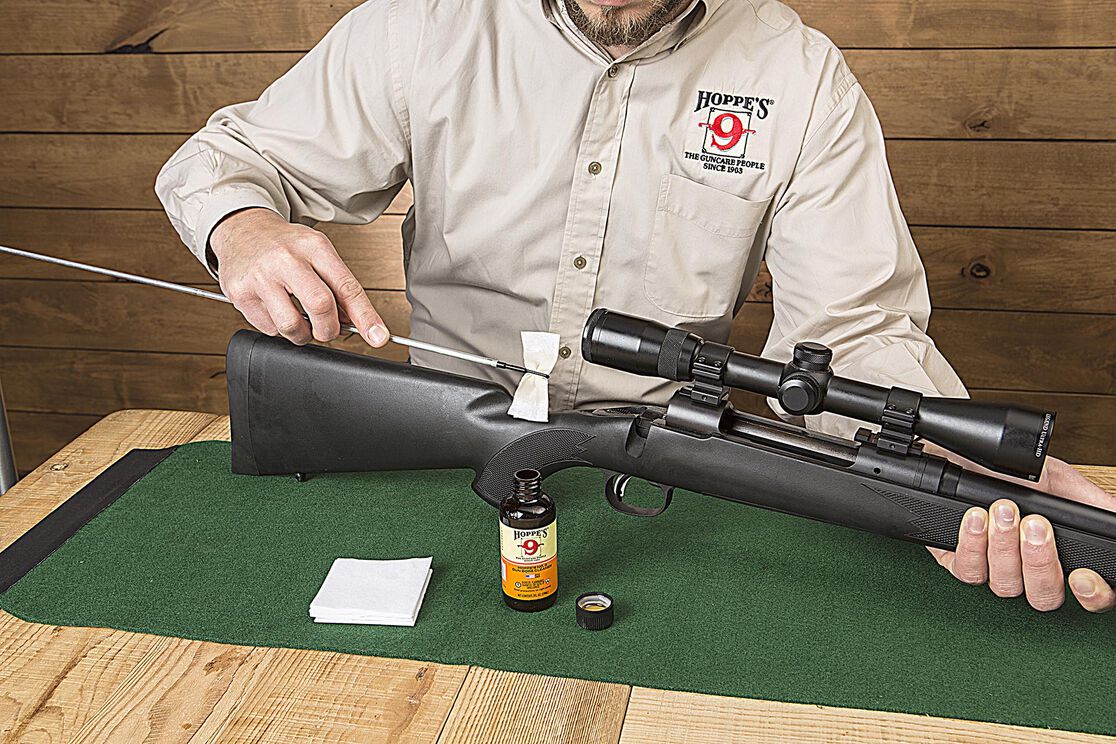
Disassembling a sniper rifle is a crucial part of its maintenance. It helps keep the rifle clean and working well. Taking the rifle apart carefully allows you to check each part for damage or dirt. This step-by-step process needs attention and care to avoid problems later.
Step-by-step Breakdown
First, ensure the rifle is unloaded. Remove the magazine and check the chamber. Next, take off the bolt by unlocking and pulling it out gently. Then, detach the stock by loosening screws or pins. Finally, separate the barrel and other components carefully. Keep the parts organized to avoid losing any pieces.
Handling Sensitive Components
Some parts of a sniper rifle are delicate. The scope and trigger mechanism need extra care. Use soft cloths to handle these parts. Avoid touching lenses with bare fingers. Keep all parts away from dust and moisture. Store components in a clean, dry place during maintenance.
Safety Precautions During Disassembly
Always confirm the rifle is unloaded before starting. Work in a well-lit and clean area. Wear safety glasses to protect your eyes. Use tools designed for firearms to avoid damage. Keep ammunition far from your workspace. Follow the manufacturer’s instructions strictly.
Cleaning The Barrel
Cleaning the barrel is a key part of sniper rifle maintenance. It keeps the rifle accurate and reliable. Dirt, powder residue, and metal fouling build up inside the barrel. These deposits affect the bullet’s path and speed. Regular cleaning removes these problems. A clean barrel extends the rifle’s life and improves shooting performance.
Proper barrel cleaning requires careful steps and the right tools. Use a bore brush, cleaning rod, patches, and solvent. Each tool plays an important role in removing fouling and protecting the barrel’s surface. Knowing how to clean the barrel well helps keep your sniper rifle ready for use.
Removing Fouling And Residue
Start by applying a good quality solvent inside the barrel. The solvent loosens powder residue and metal fouling. Let it sit for a few minutes to work effectively. Use a bore brush to scrub the inside of the barrel. Brush from the chamber to the muzzle in one smooth motion. Avoid scrubbing back and forth, which can damage the rifling.
Next, push clean patches through the barrel. Change patches often until they come out clean. This removes loosened dirt and solvent. Check the barrel with a light to ensure no residue remains. Repeat the process if needed for heavy fouling.
Techniques For Barrel Maintenance
Use a cleaning rod with a bore guide to protect the barrel’s crown. Always push the brush and patches from the chamber to the muzzle. Avoid reversing the direction to prevent damage. Use gentle pressure to avoid scratching the barrel. Dry the barrel completely after solvent cleaning to prevent rust.
After cleaning, apply a light coat of gun oil inside the barrel. This protects against moisture and corrosion. Store the rifle in a dry place with low humidity. Proper storage helps maintain barrel condition between uses.
Frequency Of Barrel Cleaning
Clean the barrel after every shooting session. Powder residue builds up quickly and affects accuracy. For rifles used less often, clean the barrel at least once every few months. Regular cleaning prevents rust and fouling buildup. If the rifle is stored for a long time, clean and oil the barrel before storing.
Frequent cleaning ensures the sniper rifle stays in top condition. It keeps each shot precise and the barrel protected from damage.
Maintaining The Bolt And Action
The bolt and action are crucial parts of a sniper rifle. They control the loading and firing of each round. Proper care keeps the rifle reliable and accurate. Cleaning and checking these parts helps avoid malfunctions. Regular maintenance extends the rifle’s life and improves performance.
Lubrication Tips
Use the right lubricant for your sniper rifle. Apply a small amount on the bolt and moving parts. Too much oil attracts dirt and dust. Wipe off excess oil with a clean cloth. Lubricate after every few uses or after cleaning. This keeps the bolt moving smoothly.
Checking For Wear And Tear
Inspect the bolt and action for scratches or cracks. Look for worn or damaged parts. Replace any parts that show signs of heavy wear. Check the springs and pins for proper tension. Early detection of problems prevents bigger issues later.
Ensuring Smooth Operation
Cycle the bolt several times after cleaning and lubrication. It should move without resistance or sticking. Listen for unusual sounds like grinding or clicking. Test the action with dummy rounds to confirm smooth feeding. A smooth bolt helps keep shots accurate and reliable.
Preserving The Scope And Optics
The scope and optics are vital parts of a sniper rifle. They help you see targets clearly and aim precisely. Keeping them in good shape ensures better accuracy and longer use. Regular care protects lenses from damage and keeps the sight clear in all conditions.
Cleaning Lenses Safely
Use a soft brush or air blower to remove dust from lenses first. Avoid wiping dry lenses directly to stop scratches. Apply lens cleaner or water on a microfiber cloth gently. Clean in small circles from the center outwards. Never use rough cloth or household cleaners.
Protecting Against Moisture And Dust
Keep optics dry to avoid fog and rust. Store the rifle in a case with moisture absorbers. Use lens covers when not shooting. After use in wet areas, dry the scope carefully. Avoid exposing optics to dust and dirt for long periods.
Adjusting And Calibrating Optics
Check scope settings regularly for accuracy. Adjust windage and elevation knobs according to shooting conditions. Use the rifle’s manual to calibrate the optics correctly. Test the adjustments at a shooting range. Proper calibration improves target precision and shooting confidence.
Lubrication Best Practices
Proper lubrication keeps a sniper rifle working smoothly. It reduces wear and prevents rust. Knowing the best ways to lubricate your rifle helps keep it reliable and accurate. Follow these key practices to maintain your rifle’s performance.
Choosing The Right Lubricants
Pick lubricants designed for firearms. These oils and greases resist dirt and heat well. Avoid household oils; they can attract dust and gum up parts. Use light oil for moving parts and thicker grease for heavy friction areas. Check the manufacturer’s recommendations for your rifle.
Applying Lubricants Correctly
Clean the rifle before applying lubricant. Use a small amount on each part that moves. Spread it evenly with a cloth or brush. Focus on the bolt, trigger, and slide areas. Wipe off any extra oil to stop dust from sticking.
Avoiding Over-lubrication
Too much oil can cause problems. It attracts dirt and grime, which harm the rifle. Excess lubricant can slow down moving parts and cause jams. Apply just enough to keep parts smooth and shining. Regular checks help maintain the right balance.
Storage And Handling Tips
Proper storage and careful handling keep your sniper rifle safe and ready. Good habits protect its parts from damage and wear. Follow simple steps to store and handle your rifle well. These tips help maintain accuracy and extend the rifle’s life.
Proper Storage Conditions
Store your sniper rifle in a dry and cool place. Avoid areas with high humidity or direct sunlight. Moisture can cause rust on metal parts. Heat can warp the barrel or affect the scope. A stable environment keeps the rifle in good shape.
Using Protective Cases
Use a hard or padded case made for rifles. Cases protect the rifle from bumps and dust. Make sure the case fits the rifle snugly to avoid movement inside. Lock the case to keep the rifle secure. Always carry the rifle in its case to avoid damage.
Regular Inspection And Maintenance Schedule
Check your rifle regularly for signs of wear or damage. Clean the barrel and moving parts after use. Oil metal parts to prevent rust and corrosion. Set a schedule to inspect and clean the rifle every few weeks. Regular care keeps the rifle reliable and safe to use.
Troubleshooting Common Issues
Maintaining a sniper rifle means knowing how to fix common issues fast. Troubleshooting keeps the rifle working well and safe to use. It also helps improve shooting accuracy and reliability. This section covers typical problems and easy ways to solve them.
Addressing Jamming Problems
Jamming happens when a bullet or casing gets stuck inside the rifle. Dirt, poor ammo, or worn parts cause jams. Clean the chamber and barrel with a brush and solvent. Check ammo for damage or dirt. Replace worn springs or extractors to keep parts moving smoothly.
Dealing With Rust And Corrosion
Rust and corrosion damage metal parts and reduce rifle life. Store the rifle in a dry place to avoid moisture. Wipe the metal surfaces with oil to protect them. Use a soft cloth and rust remover for any rust spots. Regular cleaning prevents corrosion from spreading.
Fixing Accuracy Declines
Accuracy drops due to dirty lenses, loose parts, or worn barrels. Clean the scope lenses gently with a microfiber cloth. Tighten screws and mounts to keep everything steady. Check the barrel for wear or damage and replace if needed. Proper maintenance keeps shots on target.
Frequently Asked Questions
How Often Should You Clean A Sniper Rifle?
Regular cleaning is essential after every use or at least monthly. This prevents rust and ensures accuracy. Focus on the barrel, bolt, and trigger assembly for optimal performance and longevity.
What Tools Are Needed For Sniper Rifle Maintenance?
Essential tools include cleaning rods, brushes, patches, lubricants, and a bore snake. Use quality solvents and oils specifically designed for firearms to protect internal parts and maintain smooth operation.
How Do You Properly Lubricate A Sniper Rifle?
Apply a thin layer of gun oil to moving parts only. Avoid over-lubrication as it attracts dirt. Focus on the bolt, trigger mechanism, and other metal surfaces to reduce friction and wear.
Can Improper Maintenance Affect Sniper Rifle Accuracy?
Yes, neglecting maintenance causes residue buildup and corrosion. This directly impacts barrel performance and aiming precision. Regular upkeep ensures consistent accuracy and reliable function during use.
Conclusion
Maintaining a sniper rifle takes regular care and attention. Clean the barrel and parts after each use. Check for any damage or rust often. Use the right tools and cleaning products. Store the rifle in a dry, safe place. These steps keep your rifle accurate and reliable.
A well-maintained rifle performs better every time. Consistency is key to long-lasting performance. Keep your rifle ready for any challenge ahead. Simple habits make a big difference in rifle care.

