
If you own a swing-out cylinder revolver, you know how important it is to keep it in top shape. But how exactly do you maintain it so it stays reliable and safe?
You might be surprised how simple steps can make a big difference in performance and longevity. You’ll discover easy, practical tips to clean, inspect, and care for your revolver. Keep reading to unlock the secrets that will keep your firearm ready whenever you need it.
Your safety and confidence depend on it.
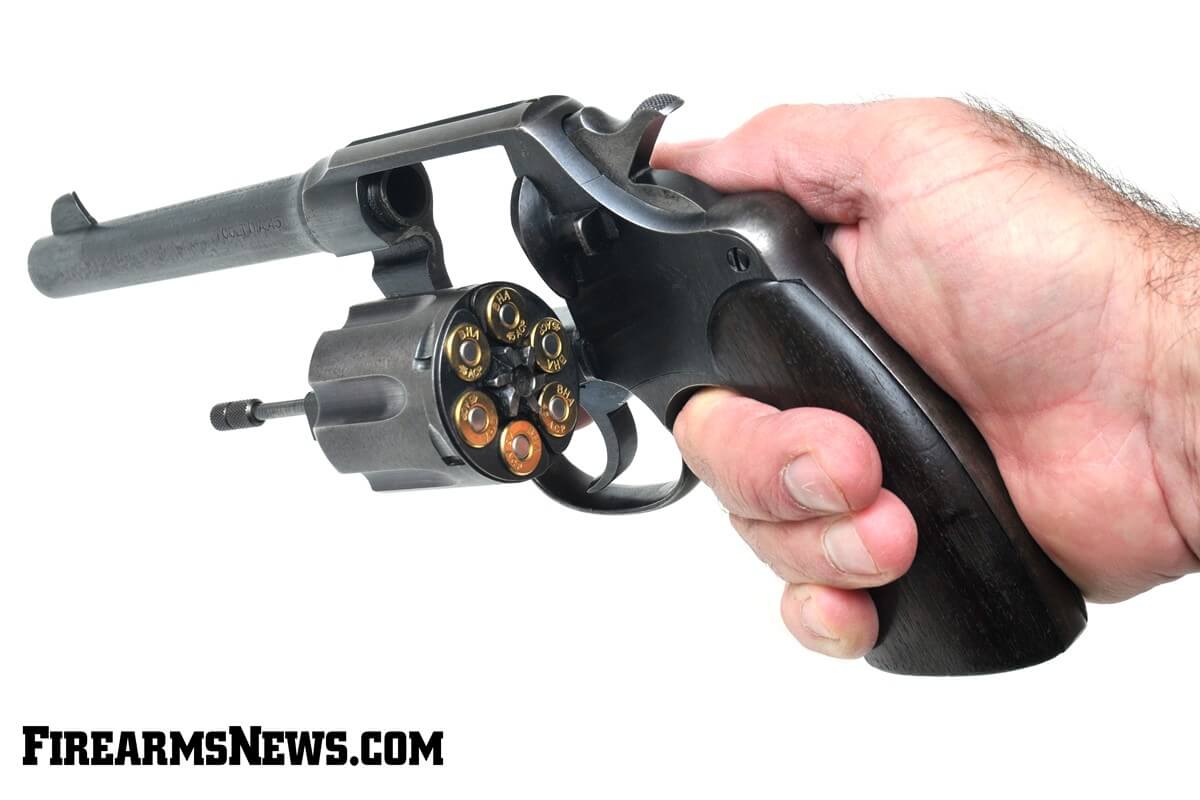
Basic Parts Of A Swing-out Cylinder Revolver
The basic parts of a swing-out cylinder revolver are important to know. Understanding these parts helps in proper maintenance. Each part plays a key role in how the revolver works. Keeping them clean and well-oiled keeps the revolver safe and reliable.
Frame And Barrel
The frame holds all parts together. It is the main body of the revolver. The barrel is attached to the frame. It guides the bullet when fired. Both parts need regular cleaning to remove dirt and powder residue. This keeps the revolver accurate and in good shape.
Cylinder Mechanism
The cylinder holds the bullets. It swings out for easy loading and cleaning. The mechanism allows the cylinder to rotate after each shot. Dirt or rust here can cause jams. Cleaning and lubricating this part ensures smooth action.
Trigger And Hammer
The trigger releases the hammer to fire the bullet. The hammer strikes the firing pin or primer. Both parts must move freely. Dust or grime can block their movement. Regular cleaning and oiling keep the trigger and hammer working perfectly.
Essential Cleaning Tools
Maintaining a swing-out cylinder revolver needs the right cleaning tools. These tools help keep the revolver working smoothly and safely. Using proper tools makes the cleaning process easier and more effective. It also prevents damage to the gun’s parts. Here are the essential cleaning tools you need.
Cleaning Rods And Brushes
Cleaning rods help push brushes and patches through the barrel. Choose a rod that matches your revolver’s caliber. Brass or nylon rods work well because they do not scratch the barrel. Brushes come in different materials like bronze or nylon. Bronze brushes remove carbon buildup, while nylon brushes clean gently. Use the correct brush size to avoid damage.
Solvents And Lubricants
Solvents dissolve powder residue and dirt inside the barrel and cylinder. Pick a solvent safe for metal parts and easy to apply. After cleaning, apply lubricant to all moving parts. Lubricants reduce friction and prevent rust. Use just enough lubricant to keep parts moving smoothly. Avoid over-lubricating, which can attract dirt.
Cloths And Picks
Cloths help wipe away dirt and excess solvent. Use soft, lint-free cloths to protect metal surfaces. Picks are small tools used to clean tight spaces like cylinder notches. Plastic or wooden picks are best to avoid scratching. Clean all small parts carefully to keep the revolver in top shape.
Step-by-step Cleaning Process
Keeping a swing-out cylinder revolver clean is key for safe use and long life. Dirt and residue build up with every shot. This can affect performance and cause jams. Follow a clear, step-by-step cleaning process to keep your revolver working well. Regular maintenance helps avoid problems and keeps your gun ready.
Unloading And Safety Checks
Start by making sure the revolver is unloaded. Open the cylinder fully and check each chamber. Use a light if needed to see clearly. Remove any cartridges carefully. Never assume the gun is empty. Safety comes first before any cleaning or handling.
Disassembling The Cylinder
Next, remove the cylinder from the revolver frame. Most models have a release latch or button. Gently push or pull the latch to swing out the cylinder. Take care not to force parts. Lay the cylinder on a clean surface for cleaning. Avoid losing small pins or screws.
Cleaning The Barrel And Chambers
Use a cleaning rod with a brush to scrub the barrel inside. Push the brush through several times to remove dirt and lead. Run patches through the barrel until they come out clean. Clean each chamber in the cylinder the same way. This removes powder residue and fouling.
Lubricating Moving Parts
Apply a small amount of gun oil to the cylinder’s pivot points. Lubricate the ejector rod and the crane where the cylinder swings. Use oil sparingly to avoid attracting dust. Wipe off any excess oil with a clean cloth. Proper lubrication keeps parts moving smoothly.
Common Maintenance Mistakes To Avoid
Maintaining a swing-out cylinder revolver requires care and attention. Many make simple mistakes that damage the gun or reduce its life. Avoiding these errors keeps the revolver working smoothly and safely. Here are common maintenance mistakes to watch out for.
Using Harsh Chemicals
Harsh chemicals can harm the metal and finish of your revolver. Strong solvents may strip protective coatings and cause rust. Use only cleaning products made for firearms. Gentle solutions protect the gun’s parts and keep it looking new.
Over-lubrication
Too much oil or grease causes problems. Excess lubricant attracts dirt and dust. This buildup can clog moving parts and slow the action. Apply small amounts of lubricant only where needed. Wipe away extra oil after applying to keep the revolver clean.
Neglecting The Cylinder Crane
The cylinder crane is a key part that swings the cylinder out. Dirt and grime can build up here, making it stiff or sticky. Clean this area carefully and apply light lubricant. Ignoring the cylinder crane can cause misalignment and poor function.
Storage Tips To Preserve Performance
Proper storage is essential to keep a swing-out cylinder revolver working well. It protects the gun from damage and rust. Good storage habits help the revolver last longer and perform better. Follow these tips to preserve your revolver’s condition.
Proper Case Selection
Choose a hard case that fits your revolver snugly. A tight fit stops the gun from moving inside the case. Soft cases may not protect against bumps or drops. Look for cases with foam padding for extra safety. Avoid storing the revolver in leather cases for long periods. Leather can trap moisture and cause rust.
Humidity And Temperature Control
Keep the revolver in a dry place. Moisture causes metal parts to corrode. Use silica gel packs to absorb excess humidity inside the case. Avoid storing the gun in places with extreme heat or cold. Sudden temperature changes can cause metal to expand or contract. This may affect the revolver’s accuracy and function.
Regular Inspection Schedule
Check your revolver at least once a month. Look for signs of rust or dirt buildup. Clean and oil the cylinder and moving parts as needed. Regular inspections help find problems early. Fix issues before they get worse. A well-maintained revolver is safer and more reliable.

Troubleshooting Common Issues
Troubleshooting a swing-out cylinder revolver can save time and prevent damage. Issues often arise from dirt, wear, or improper handling. Identifying common problems quickly helps keep your revolver working smoothly. Below are some typical issues and how to address them.
Cylinder Binding
Cylinder binding occurs when the cylinder does not rotate freely. Dirt, grime, or debris inside the cylinder gap can cause this. Clean the cylinder gap with a brush and solvent. Check the ejector rod for bends or damage. Lubricate the crane and cylinder pivot points lightly. Avoid over-lubrication, which attracts more dirt.
Misfires And Malfunctions
Misfires happen when the cartridge does not ignite properly. Check that your ammunition is fresh and stored correctly. Inspect the firing pin for dirt or damage. Clean the firing pin channel carefully to remove any buildup. Ensure the cylinder locks firmly in place before firing. Replace worn or damaged parts promptly to maintain reliability.
Trigger And Hammer Problems
A sticky or heavy trigger can affect shooting accuracy. Dirt or rust in the trigger mechanism causes this issue. Disassemble the trigger assembly carefully and clean all parts. Apply a small amount of lubricant to moving parts. Check the hammer spring for tension and replace if weak. Regular maintenance keeps the trigger and hammer working smoothly.
Frequently Asked Questions
How Often Should I Clean A Swing-out Cylinder Revolver?
Clean your revolver after every use or at least once a month if unused. Regular cleaning prevents rust and maintains accuracy.
What Tools Do I Need To Maintain A Cylinder Revolver?
You need cleaning rods, brushes, patches, solvent, lubricant, and a soft cloth. These tools ensure thorough cleaning and proper lubrication.
How Do I Safely Disassemble A Swing-out Cylinder Revolver?
Ensure the revolver is unloaded first. Then, open the cylinder by pushing the release latch and carefully remove it for cleaning.
Can I Use Regular Gun Oil On My Revolver?
Yes, use high-quality gun oil designed for firearms. It protects metal parts and keeps the cylinder moving smoothly.
Conclusion
Maintaining a swing-out cylinder revolver keeps it safe and reliable. Clean the parts regularly to prevent dirt buildup. Use proper tools and follow the steps carefully. Check for any wear or damage often. Store the revolver in a dry, cool place.
Regular care helps your revolver work smoothly for years. Simple habits make a big difference in performance. Keep it clean, inspect it well, and handle it gently. Your effort will protect your revolver and ensure it lasts long. Easy and steady care pays off every time.

