
Have you ever wondered what sets a battle rifle apart from an assault rifle? If you’re curious about the real differences between these two powerful firearms, you’re not alone.
Knowing how each one works can change the way you see modern weapons and even impact your choices if you’re into collecting or shooting. You’ll discover the key features that make battle rifles unique compared to assault rifles. By the end, you’ll have a clear understanding that goes beyond just the names—giving you the confidence to spot the difference every time.
Keep reading, because what you learn here might surprise you.
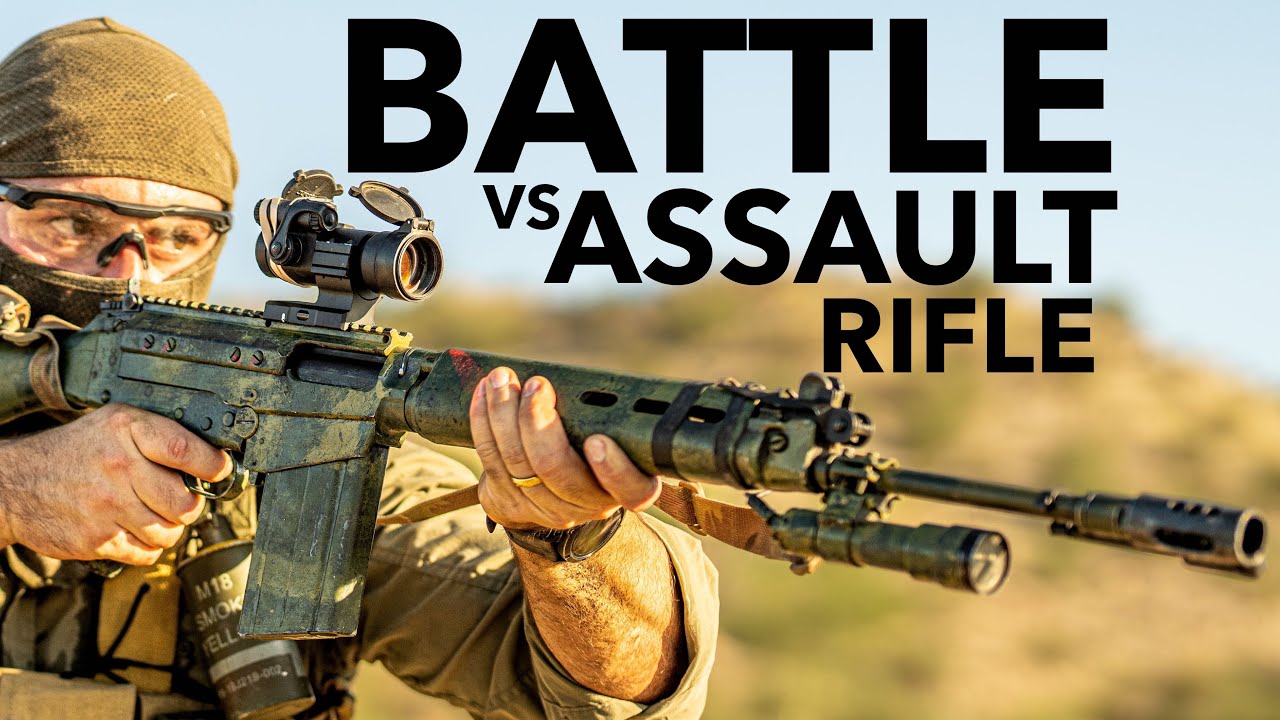
Battle Rifle Basics
Battle rifles have a strong presence in military history. They stand apart from other rifles through their power and design. These rifles use larger cartridges and offer more range. Soldiers use them for long-distance shooting and tougher conditions. Understanding battle rifles helps to see their role in combat better.
Caliber And Cartridge Size
Battle rifles use larger calibers than assault rifles. Common sizes include 7.62x51mm NATO. This bigger cartridge delivers more force. It travels farther and hits harder. The size allows for effective use at long distances. This makes battle rifles suitable for open battlefields.
Design And Build
Battle rifles are heavier and more robust. They have strong metal parts to handle high pressure. The build supports accuracy over long ranges. Many feature longer barrels for better precision. These rifles often have fewer plastic components. Durability is a key focus in their design.
Typical Usage
Soldiers use battle rifles mainly for mid to long-range fights. They provide stopping power against enemy forces at distance. These rifles are common in open terrain and large fields. They suit marksmen who need accuracy and power. Battle rifles are less common in close combat.
Assault Rifle Essentials
Assault rifles play a key role in modern combat. They balance power and control. These rifles are designed for fast and accurate shooting. Soldiers rely on them for various missions. Understanding their core features helps explain their popularity.
Intermediate Cartridge
Assault rifles use an intermediate cartridge. It is smaller than a battle rifle’s full-power round. This cartridge reduces recoil and weight. Soldiers can carry more ammunition easily. It allows controlled bursts and better accuracy at medium range.
Compact And Lightweight Design
Assault rifles are smaller and lighter than battle rifles. This design helps soldiers move quickly in tight spaces. It improves handling and reduces fatigue. The compact size fits well for both close combat and open battlefields.
Versatility In Combat
Assault rifles adapt to different combat situations. They can fire in semi-automatic or automatic modes. This lets soldiers switch between precise shots and rapid fire. Their design supports various attachments like scopes and grips. This versatility makes them useful in many scenarios.
Key Differences
Battle rifles and assault rifles look similar but serve different roles. Their design focuses and features vary. These differences affect their use in combat and shooting styles.
Range And Accuracy
Battle rifles use larger cartridges. This gives them longer range and better accuracy. They perform well at distances over 600 meters. Assault rifles have smaller rounds. They are accurate up to about 300 meters. Battle rifles suit long-range targets. Assault rifles excel in close to mid-range fights.
Rate Of Fire
Assault rifles have a higher rate of fire. They can shoot many rounds quickly. This helps in fast, close combat. Battle rifles fire slower. Their larger bullets create more recoil. This limits how fast a shooter can fire. The slower rate allows better control and precision.
Ammunition Capacity
Assault rifles usually hold more bullets per magazine. Common magazines carry 30 rounds. Battle rifles often use magazines with fewer rounds. Around 20 rounds is typical. The larger size of battle rifle bullets reduces magazine capacity. Assault rifles provide more shots before reloading.
Historical Development
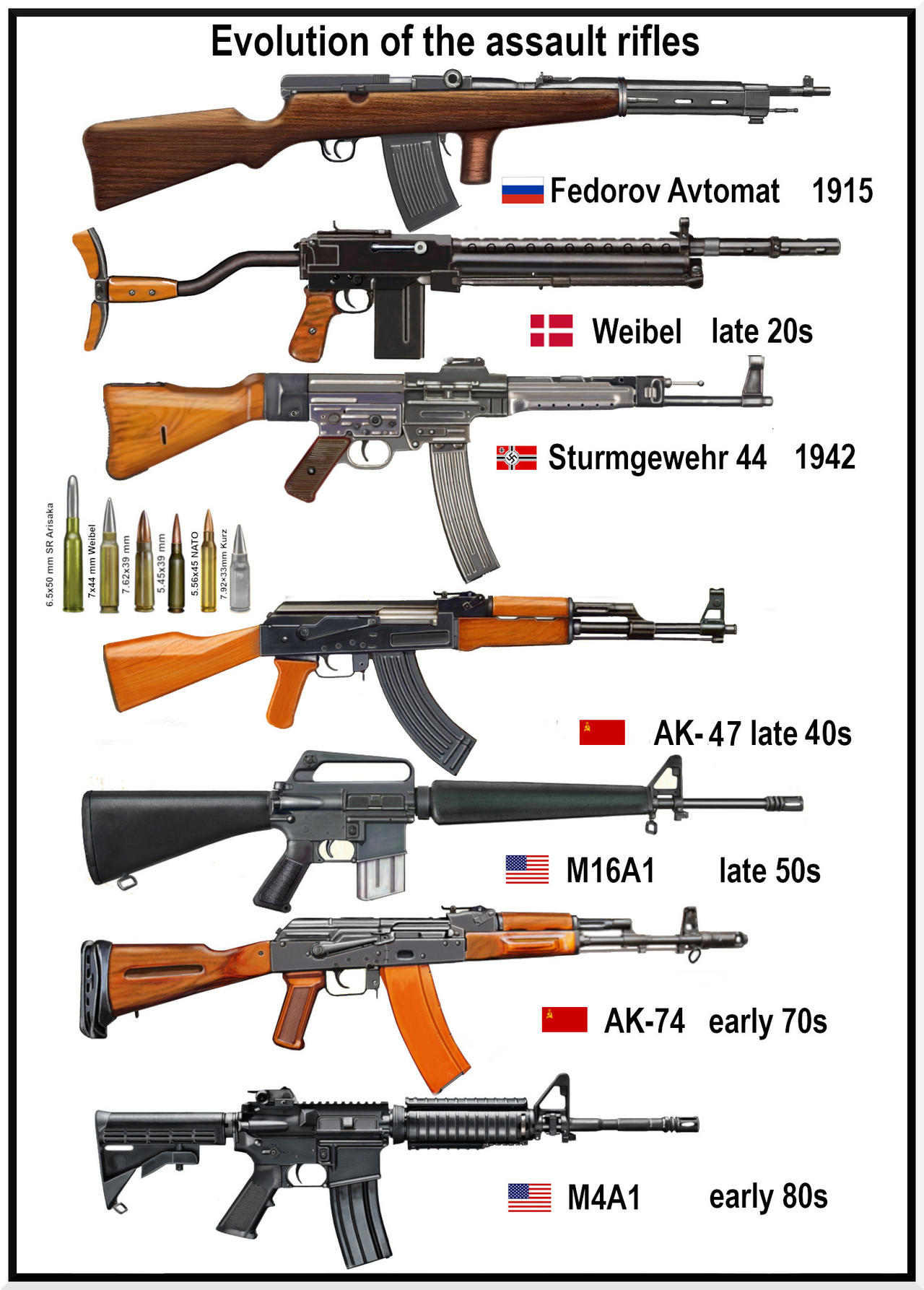
The historical development of battle rifles and assault rifles shows how military needs changed over time. Each type of rifle met different demands on the battlefield. Understanding their origins helps explain their unique features.
Origins Of Battle Rifles
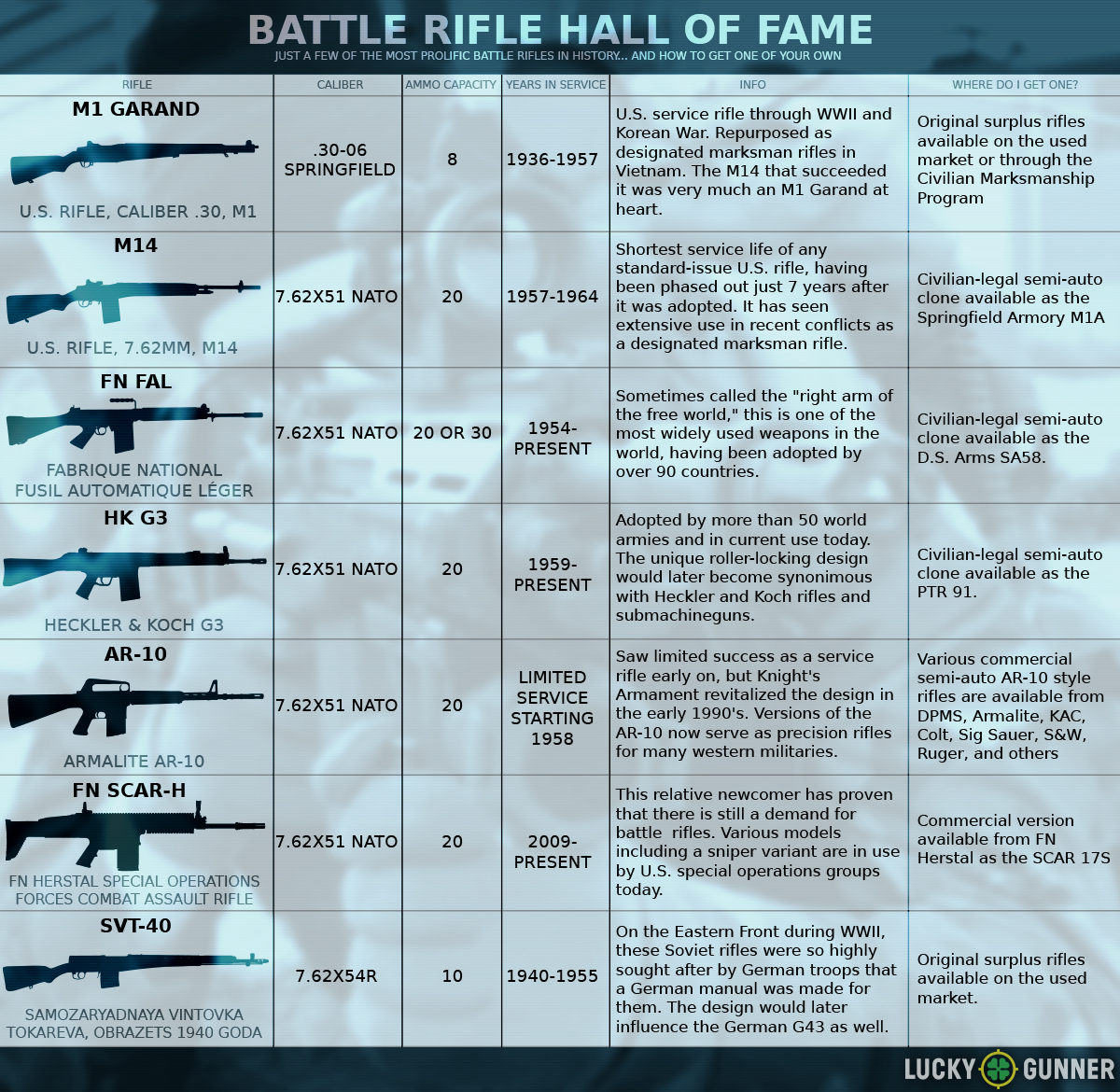
Battle rifles emerged after World War II. Soldiers needed a weapon with strong stopping power and long-range accuracy. These rifles used full-power cartridges, like the 7.62x51mm NATO round. They were heavier and larger than earlier guns but reliable in tough conditions. Famous models include the M14 and the FN FAL. These rifles suited traditional combat styles focused on precise shooting.
Rise Of Assault Rifles
Assault rifles appeared in the mid-20th century. The idea was to combine power and rapid fire in one weapon. They use intermediate cartridges, smaller than battle rifle rounds but still effective. This made them lighter and easier to control. The AK-47 and M16 are classic examples. Their design fits close to medium-range fights. Soldiers could shoot faster without losing too much accuracy.
Modern Applications
Battle rifles and assault rifles serve different purposes in modern combat. Their designs reflect distinct needs on today’s battlefield. Understanding their applications helps clarify why militaries choose one over the other.
Battle rifles offer longer range and stronger firepower. Assault rifles focus on versatility and ease of use in close combat. Both have unique roles in modern military forces.
Military Preferences
Many armies prefer assault rifles for general infantry. Their lighter weight and lower recoil make them easier to handle. Assault rifles allow soldiers to carry more ammunition. Battle rifles remain popular for specialized troops needing greater stopping power. The choice depends on mission type and environment.
Specialized Roles
Battle rifles excel in marksman and designated marksman roles. They provide accuracy at medium to long distances. Assault rifles work well for close-quarters battle and urban warfare. Snipers and support squads often use battle rifles. Assault rifles suit fast-moving infantry and special operations.
Future Trends
Military forces explore hybrid weapons combining features of both rifles. Technology aims to improve accuracy and reduce recoil. Lightweight materials make battle rifles easier to carry. Modular designs allow quick changes for different missions. Future rifles may blur lines between battle and assault types.
Frequently Asked Questions
What Defines A Battle Rifle Compared To An Assault Rifle?
A battle rifle typically fires full-power rifle cartridges, while an assault rifle uses intermediate cartridges. Battle rifles have longer ranges and more recoil, making them suitable for open combat. Assault rifles focus on controllability and rapid fire in close to mid-range engagements.
Which Cartridge Types Do Battle And Assault Rifles Use?
Battle rifles use full-power cartridges like 7. 62x51mm NATO. Assault rifles utilize intermediate cartridges such as 5. 56x45mm NATO. The cartridge size affects recoil, range, and stopping power, influencing the rifle’s effectiveness in different combat scenarios.
Are Battle Rifles Heavier Than Assault Rifles?
Yes, battle rifles generally weigh more due to their larger calibers and stronger components. This weight impacts mobility but enhances durability and accuracy at longer distances. Assault rifles are lighter for improved maneuverability in fast-paced, close-quarters combat.
What Roles Do Battle And Assault Rifles Serve In Military?
Battle rifles are designed for long-range engagements with high stopping power. Assault rifles serve versatile roles, excelling in close to medium-range combat with rapid fire capability. Militaries choose rifles based on mission needs, terrain, and combat style.
Conclusion
Battle rifles and assault rifles serve different roles on the battlefield. Battle rifles use larger cartridges, offering more power and range. Assault rifles fire smaller rounds, making them lighter and easier to control. Each weapon suits different combat needs and situations.
Knowing these differences helps you understand military gear better. Both rifles have unique strengths and limits. Choosing between them depends on the mission and soldier’s preference. Clear differences make it easier to recognize their purpose. This knowledge adds to your understanding of firearms.

