
Have you ever wondered what makes a bolt-action rifle so reliable and precise? Whether you’re new to firearms or just curious about how they work, understanding the mechanics behind a bolt-action rifle can give you a deeper appreciation for its design.
This simple yet powerful mechanism puts you in control, allowing for smooth operation and accurate shots every time. Keep reading to discover how each part of a bolt-action rifle works together, and why it remains a favorite among hunters and marksmen alike.
Your next shot might just depend on this knowledge.
Bolt-action Rifle Basics
The bolt-action rifle is a classic firearm design used worldwide. It offers reliable performance and simple operation. Understanding its basics helps appreciate its engineering and use.
This rifle uses a manually operated bolt to load and eject cartridges. It requires the shooter to lift and pull back the bolt handle to cycle the action. This process chambers a new round and prepares the rifle to fire again.
Key Components
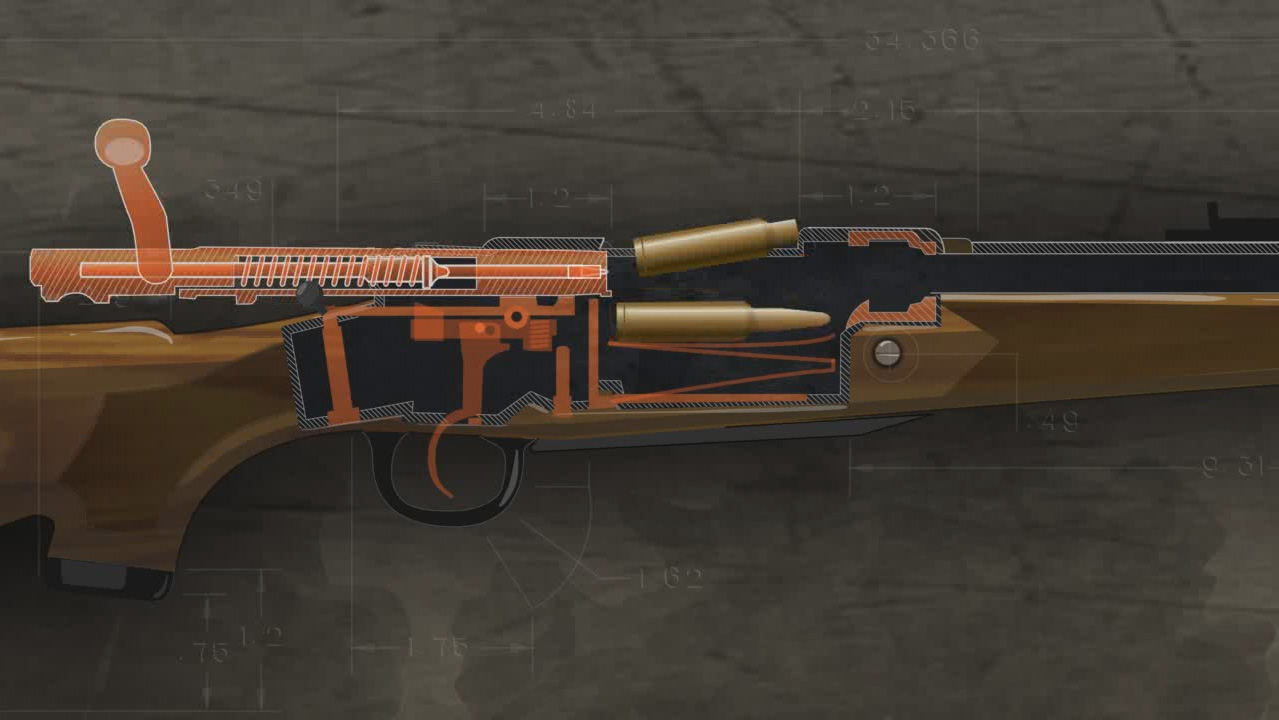
The main parts of a bolt-action rifle include the bolt, barrel, receiver, trigger, and magazine. The bolt is the heart of the action. It slides inside the receiver to move cartridges.
The barrel directs the bullet when fired. The trigger releases the firing pin inside the bolt. The magazine holds the cartridges before loading. Each component works together to fire safely and accurately.
Mechanics Of The Bolt
The bolt moves in a straight line within the receiver. Lifting the bolt handle unlocks the bolt from the receiver. Pulling it back ejects the spent cartridge case.
Pushing the bolt forward loads a new round from the magazine into the chamber. Turning the bolt handle down locks the bolt in place. This seals the chamber tightly for firing.
The bolt also contains the firing pin. When the trigger is pulled, the firing pin strikes the cartridge primer. This ignites the gunpowder and fires the bullet through the barrel.
Loading And Chambering
Loading and chambering are key steps in using a bolt-action rifle. These steps prepare the rifle to fire a bullet safely and accurately. Understanding this process helps you handle the rifle better and improves shooting performance.
Inserting The Cartridge
Start by pulling the bolt handle upward and back. This opens the bolt and exposes the chamber. Place a cartridge into the magazine or directly into the chamber. The cartridge is the bullet’s casing with the bullet and gunpowder inside. Make sure it fits well and is seated properly.
Locking The Bolt
Push the bolt forward to move the cartridge into the chamber. Turn the bolt handle down to lock it in place. Locking the bolt seals the chamber tightly. This prevents gases from escaping when firing. It also aligns the firing pin to strike the cartridge’s primer. A locked bolt ensures safe and efficient shooting.
Firing Process
The firing process in a bolt-action rifle is simple but precise. It starts when the shooter pulls the trigger. This action releases energy to fire the bullet from the rifle. Each step in the process works smoothly to ensure accuracy and safety.
The main parts involved are the trigger mechanism and the firing pin. Both must work correctly for the rifle to fire. Understanding these parts helps you see how the rifle operates.
Trigger Mechanism
The trigger mechanism controls when the rifle fires. Pulling the trigger moves small parts inside the rifle. These parts hold back the firing pin until the trigger is pulled. Once released, the firing pin moves forward quickly. This mechanism ensures the rifle fires only when you want it to.
Firing Pin Strike
The firing pin strikes the bullet’s primer. This strike creates a small spark. The spark ignites the gunpowder inside the cartridge. The gunpowder burns fast and creates gas. This gas pushes the bullet out of the barrel at high speed. The firing pin strike is a key step in shooting the rifle.
Extracting And Ejecting
The process of extracting and ejecting is key to how a bolt-action rifle operates. After firing, the rifle must clear the spent cartridge before loading a new round. This step keeps the rifle ready and safe for the next shot. It involves moving the bolt, which removes the empty shell from the chamber and pushes it out of the rifle.
Unlocking The Bolt
First, the shooter lifts the bolt handle to unlock the bolt. This action breaks the seal between the bolt and the chamber. It allows the bolt to move backward smoothly. This movement starts the process of pulling the spent cartridge out of the chamber.
Removing The Spent Cartridge
As the bolt moves back, a small part called the extractor grips the empty shell. The extractor pulls the cartridge from the chamber. Then, the spent shell hits the ejector, which pushes it out of the rifle. This clears the rifle and makes room for a new round to be loaded.
Reloading And Repeating
Reloading and repeating are key features of a bolt-action rifle. These actions allow the shooter to fire multiple rounds with accuracy and control. Understanding how the rifle reloads and repeats helps appreciate its design and function.
Cycle Of Operation
The cycle starts when the shooter lifts the bolt handle. This unlocks the bolt from the chamber. Pulling the bolt back ejects the spent cartridge. Pushing the bolt forward chambers a new round from the magazine. Closing the bolt locks it in place, ready to fire again. This simple movement repeats each time the shooter fires.
Maintaining Precision
The bolt-action design keeps the barrel and chamber tightly locked. This stable setup helps maintain accuracy shot after shot. Each round loads smoothly without disturbing the rifle’s aim. The shooter controls the bolt, which reduces recoil effects. This control is why many hunters and marksmen prefer bolt-action rifles.

Advantages Of Bolt-action Rifles
Bolt-action rifles have stood the test of time. They offer clear benefits for shooters and hunters alike. These rifles focus on precision, strength, and ease of use. Their design keeps things simple and effective.
Many prefer bolt-action rifles for their trusted performance. They deliver consistent results in many situations. Understanding their advantages helps appreciate why they remain popular.
Accuracy And Reliability
Bolt-action rifles are known for their accuracy. The bolt mechanism locks the cartridge firmly in place. This reduces movement and vibration when firing.
Less movement means more consistent shots. Shooters can rely on this for precise aim. The simple design also reduces the chance of jams or misfires.
Each shot requires manual action, giving shooters control. This control helps maintain steady performance over time.
Durability And Maintenance
Bolt-action rifles are built to last long. Their fewer moving parts mean less wear and tear. This makes them strong and dependable in tough conditions.
Cleaning and maintenance are straightforward. The rifle can be easily taken apart for inspection and care. This helps keep it working smoothly for years.
Durability and simple upkeep make bolt-action rifles a solid choice for many users.
Common Uses
Bolt-action rifles have many uses across different fields. Their simple and reliable design suits various needs. People trust these rifles for accuracy and durability. Below are the most common ways bolt-action rifles are used.
Hunting
Hunters often prefer bolt-action rifles for their precision. The rifle’s strong build handles powerful bullets well. It allows clean and quick shots at game animals. Hunters appreciate the quiet operation, which helps avoid scaring animals. These rifles work well in forests, mountains, and open fields.
Target Shooting
Target shooters choose bolt-action rifles for steady aim and control. The bolt system helps reload smoothly and safely. Shooters enjoy the consistent performance for long-range shots. Bolt-action rifles offer great feedback for improving skills. They work well in competitions and practice sessions.
Military And Law Enforcement
Soldiers and police marksmen use bolt-action rifles for accurate shooting. The rifles provide reliable action in tough conditions. Snipers favor these rifles for their precision at long distances. The simple mechanism reduces chances of malfunction. Bolt-action rifles are trusted tools in many missions.
Frequently Asked Questions
What Is The Main Mechanism Of A Bolt-action Rifle?
A bolt-action rifle operates by manually lifting and pulling back the bolt. This action ejects the spent cartridge and chambers a new round from the magazine. It offers reliable cycling and precise control, making it popular for hunting and long-range shooting.
How Does Bolt-action Improve Shooting Accuracy?
Bolt-action rifles provide a stable, solid lock-up between the bolt and barrel. This reduces barrel movement and vibrations during firing. The consistent bolt closure enhances bullet alignment and precision, contributing to superior accuracy compared to semi-automatic rifles.
Why Is Bolt-action Preferred For Hunting?
Bolt-action rifles are durable, reliable, and easy to maintain. Their simplicity minimizes malfunctions in harsh environments. The manual operation allows quiet shooting, which is crucial for hunting stealth. Additionally, their precision aids in making ethical, clean shots.
How Do You Operate A Bolt-action Rifle Safely?
Always keep the muzzle pointed in a safe direction. Open the bolt to check if the chamber is empty before handling. Use the safety mechanism until ready to shoot. Follow all firearm safety rules to prevent accidents.
Conclusion
Bolt-action rifles offer a simple and reliable shooting experience. Their design uses a manual bolt to load and eject cartridges smoothly. This mechanism ensures accuracy and control for each shot. Many hunters and shooters trust bolt-action rifles for their strength and precision.
Understanding how they work helps you appreciate their lasting popularity. Whether for sport or practice, these rifles perform consistently. Their straightforward operation makes them easy to maintain. A clear grasp of the bolt-action system benefits every shooter. Simple, dependable, and effective — that’s the bolt-action rifle.

