
Have you ever wondered what makes a centerfire rifle tick? Understanding how your rifle works can boost your confidence and improve your shooting skills.
This isn’t just about mechanics—it’s about knowing the power behind your shot and how every part plays a role. You’ll discover the simple yet fascinating process that happens every time you pull the trigger. Keep reading, and you’ll see your rifle in a whole new light.
Centerfire Rifle Basics
A centerfire rifle uses a special kind of cartridge. This cartridge holds the bullet, gunpowder, and primer. The primer sits in the center of the cartridge base. This design helps the rifle fire with power and accuracy.
Centerfire rifles are common for hunting and sport shooting. They work well with larger bullets. The construction of the cartridge makes it strong and safe to use. This section explains how these rifles function and what makes them unique.
Key Components
A centerfire rifle has several important parts. The barrel guides the bullet when fired. The firing pin strikes the primer in the cartridge. The primer ignites the gunpowder inside. This causes a small explosion that pushes the bullet out. The cartridge case holds all parts together. The bolt locks the cartridge in place and extracts the spent case after firing.
Each part must work correctly for the rifle to fire safely and accurately. The centerfire system allows easy reloading and strong performance.
Centerfire Vs Rimfire
Centerfire and rimfire rifles use different cartridge types. Centerfire cartridges have the primer in the center. Rimfire cartridges have the primer around the edge of the base. This makes rimfire cartridges less powerful and cheaper.
Centerfire cartridges handle higher pressure. This means they can shoot bigger bullets farther. Rimfire rifles are good for small game and target practice. Centerfire rifles suit hunting larger animals and long-distance shooting. The choice depends on what you want to do with the rifle.
Firing Mechanism
The firing mechanism is the heart of a centerfire rifle. It controls how the rifle shoots a bullet. This system includes parts that work together to start the firing process safely and quickly. Understanding these parts helps you see how the rifle fires each shot.
Each time you pull the trigger, the firing mechanism sets off a chain reaction. This action ignites the gunpowder in the cartridge and sends the bullet down the barrel. The firing mechanism must be precise to ensure safe and reliable shooting.
Trigger And Hammer
The trigger is the part you pull to fire the rifle. Pulling it releases the hammer. The hammer is a small, heavy piece that swings forward quickly. It hits the firing pin with force. This action starts the firing sequence. The trigger and hammer work closely to control the timing of the shot.
Firing Pin Action
The firing pin is a thin metal rod inside the rifle. When the hammer strikes it, the firing pin moves forward fast. It hits the cartridge’s primer at the base. This impact ignites the primer, which lights the gunpowder. The burning gunpowder creates gas pressure that pushes the bullet out of the barrel. The firing pin must strike the primer with enough force to fire the round safely.
Cartridge Structure
The cartridge is the heart of a centerfire rifle’s operation. It holds all the parts needed to fire a bullet. Understanding its structure helps explain how the rifle works. Each part has a specific role to play.
Primer Location
The primer sits at the base of the cartridge. It is a small, sensitive cap. When struck by the firing pin, it ignites the powder inside. This ignition starts the chain reaction that fires the bullet. The primer’s position is crucial for reliable firing.
Powder And Bullet
Inside the cartridge case is gunpowder. It burns quickly to create gas pressure. This pressure pushes the bullet forward through the barrel. The bullet sits at the front of the cartridge. Its shape and weight affect accuracy and speed.

Ignition Process
The ignition process is the heart of how a centerfire rifle fires a bullet. It starts with a small spark and ends with the bullet leaving the barrel. Understanding this process helps explain how the rifle works efficiently and safely. The ignition process has two main steps: primer detonation and powder combustion.
Primer Detonation
The primer is a small metal cup at the base of the cartridge. Inside, it contains a sensitive explosive compound. When the firing pin strikes the primer, it crushes this compound. This impact causes the primer to create a hot spark. This spark is the key to starting the next step.
Powder Combustion
After the primer sparks, it ignites the gunpowder inside the cartridge case. The gunpowder burns very fast, creating a large amount of gas. This gas builds pressure inside the cartridge. The pressure pushes the bullet forward and out of the rifle barrel. This rapid expansion is what fires the bullet with great force.
Bullet Propulsion
The bullet propulsion in a centerfire rifle starts the moment the trigger is pulled. Inside the cartridge, a small primer ignites the gunpowder. This ignition creates a powerful force that pushes the bullet forward. Understanding how this force moves the bullet helps explain the rifle’s accuracy and power.
Gas Expansion
When the primer sparks, it burns the gunpowder rapidly. This burning produces hot gas that expands quickly. The expanding gas creates high pressure inside the cartridge case. This pressure forces the bullet out of the cartridge and into the barrel. The speed and force depend on the amount of gunpowder and the cartridge size.
Barrel And Rifling
The bullet moves down the barrel after leaving the cartridge. Inside the barrel, spiral grooves called rifling spin the bullet. This spin stabilizes the bullet during flight. A stable bullet flies straighter and hits the target more accurately. The barrel length and rifling pattern affect the bullet’s speed and precision.
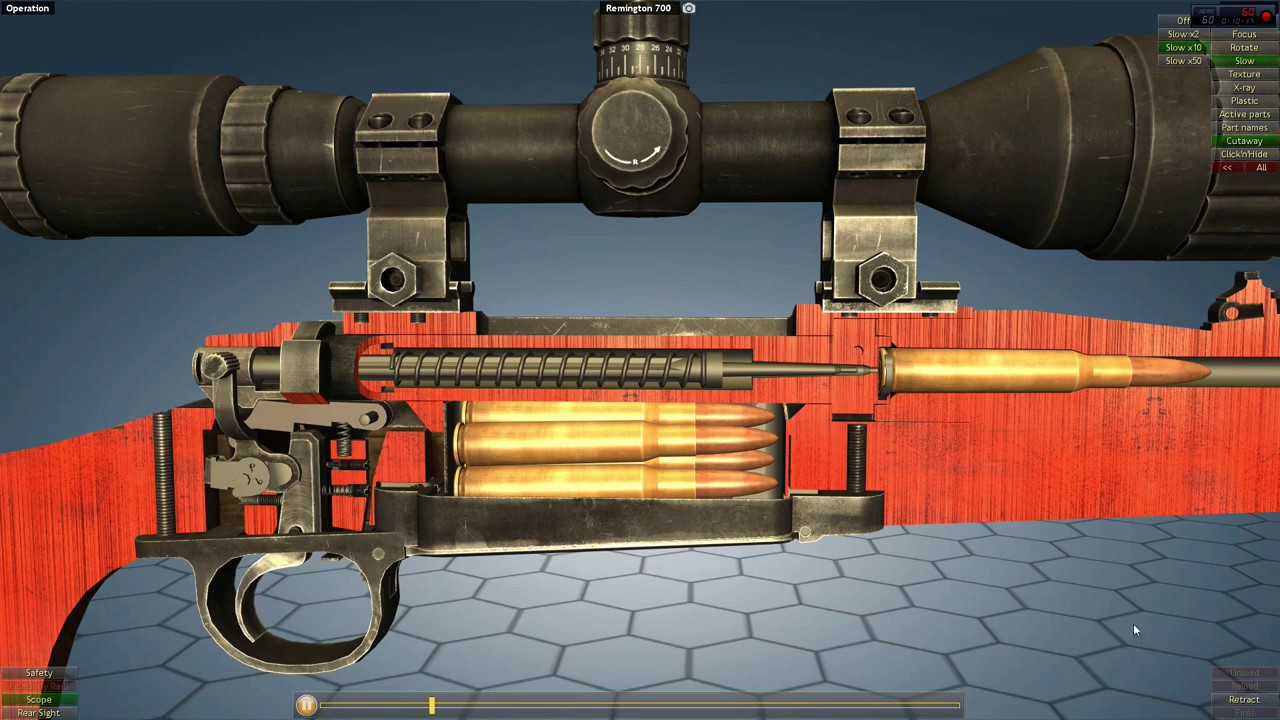
Cycle Of Operation
The cycle of operation is the heart of how a centerfire rifle works. It is the series of steps the rifle takes to fire a bullet and prepare for the next shot. Each part moves in a smooth order to make shooting quick and easy.
The process starts when the trigger is pulled. The firing pin strikes the primer, igniting the powder inside the cartridge. This creates gas pressure that pushes the bullet out of the barrel. After firing, the rifle must clear the old case and load a new round.
Ejecting Spent Case
After the bullet leaves the barrel, the rifle’s bolt moves backward. This action pulls the spent case out of the chamber. An ejector kicks the empty case out of the rifle. This clears space for the next cartridge. The spent case falls away, so the rifle stays ready.
Chambering Next Round
As the bolt moves forward, it picks up a new round from the magazine. The round slides into the chamber smoothly. The bolt locks the cartridge firmly in place. Now, the rifle is ready to fire again. This cycle repeats with every shot fired.
Safety Features
Safety features in a centerfire rifle protect the user and prevent accidents. These features stop the rifle from firing unless all conditions are right. They work quietly but play a big role in handling the gun safely.
Firing Pin Safety
The firing pin safety blocks the firing pin from moving forward. It stops the pin from hitting the cartridge unless the trigger is pulled. This safety helps avoid accidental firing if the rifle is dropped or struck. The firing pin moves only when the trigger activates it.
Manual Safeties
Manual safeties let the shooter control when the rifle can fire. Usually, a switch or lever blocks the trigger or firing mechanism. When the safety is on, the trigger cannot move, stopping the gun from firing. This feature adds an extra step to prevent unintentional shots.

Frequently Asked Questions
What Is A Centerfire Rifle Cartridge?
A centerfire rifle cartridge has a primer located in the center of the cartridge base. It ignites the gunpowder when struck by the firing pin, enabling reliable ignition and higher pressure handling compared to rimfire cartridges.
How Does The Firing Pin Work In Centerfire Rifles?
The firing pin strikes the primer in the cartridge’s center. This impact ignites the primer, which then ignites the gunpowder. The resulting explosion propels the bullet through the barrel.
Why Are Centerfire Rifles Preferred Over Rimfire Rifles?
Centerfire rifles offer greater power, accuracy, and durability. They handle higher pressures and have reloadable cartridges, making them ideal for hunting, sport shooting, and defense.
What Role Does The Primer Play In A Centerfire Rifle?
The primer contains a small explosive charge. When struck by the firing pin, it ignites the gunpowder inside the cartridge, starting the firing process that propels the bullet forward.
Conclusion
A centerfire rifle uses a primer in the cartridge’s center to ignite gunpowder. This ignition creates gas pressure that pushes the bullet through the barrel. The design offers better reliability and power than rimfire rifles. Understanding this process helps you appreciate how these rifles work.
Safe handling and proper use remain very important. This knowledge supports responsible firearm use and enjoyment.

