
Have you ever wondered what makes a lever-action rifle so unique and reliable? Whether you’re a hunting enthusiast, a history buff, or just curious about firearms, understanding how this classic rifle works can give you a whole new appreciation for its design.
You’ll discover the simple yet clever mechanics behind the lever-action rifle and why it has stood the test of time. Ready to unlock the secrets of this iconic weapon? Keep reading to learn how your next shot could be powered by one smooth lever.
Lever-action Rifle Basics
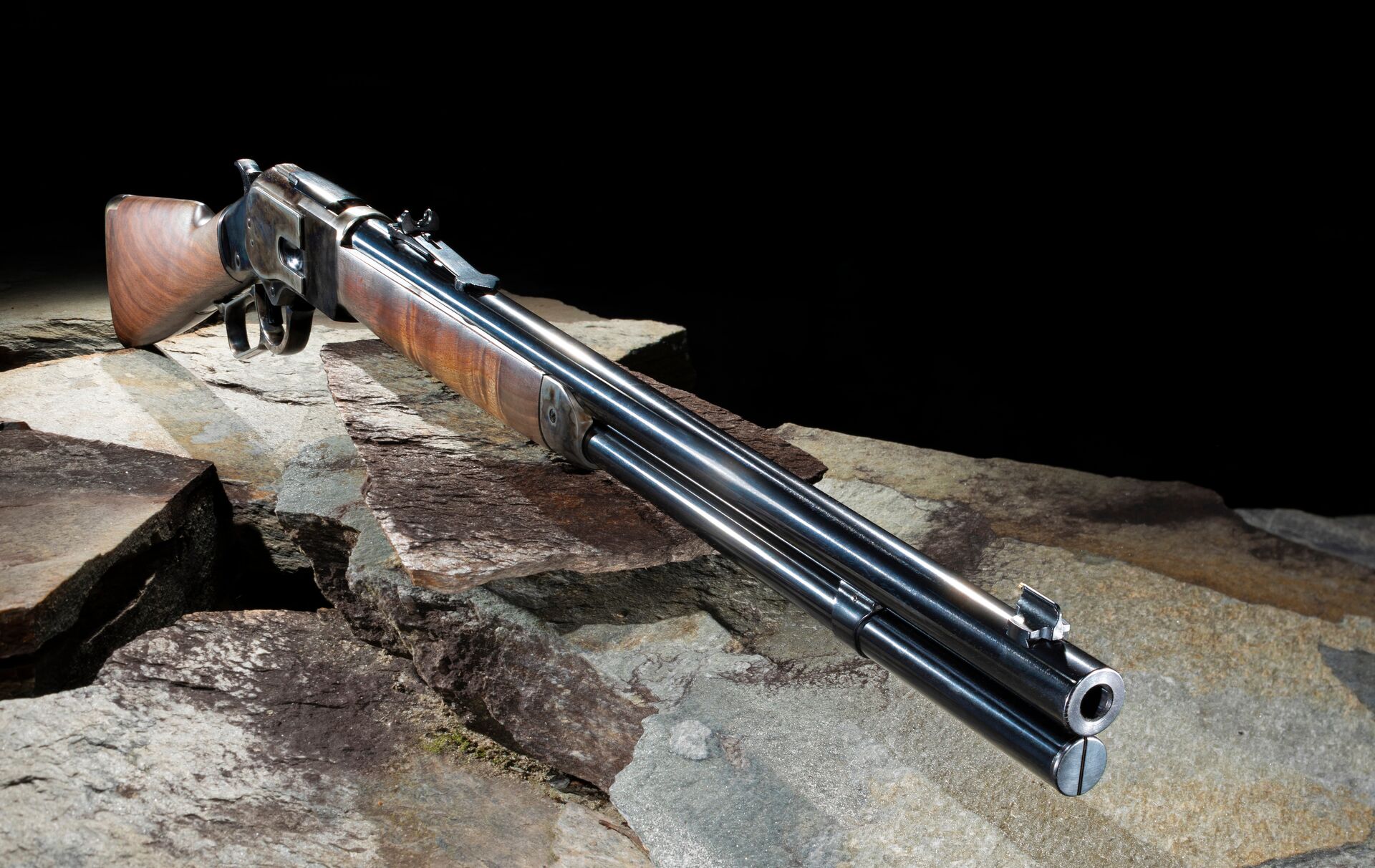
The lever-action rifle has a simple yet effective design. It uses a lever to load and fire bullets quickly. This design made it popular in the 19th century and still has fans today. Understanding how it works starts with knowing its basic parts and how it differs from other rifles.
Key Components
The main parts of a lever-action rifle include the lever, barrel, receiver, and magazine tube. The lever is located below the trigger and moves in a circular motion. The barrel guides the bullet when fired. The receiver holds the firing mechanism. The magazine tube stores the bullets in a line.
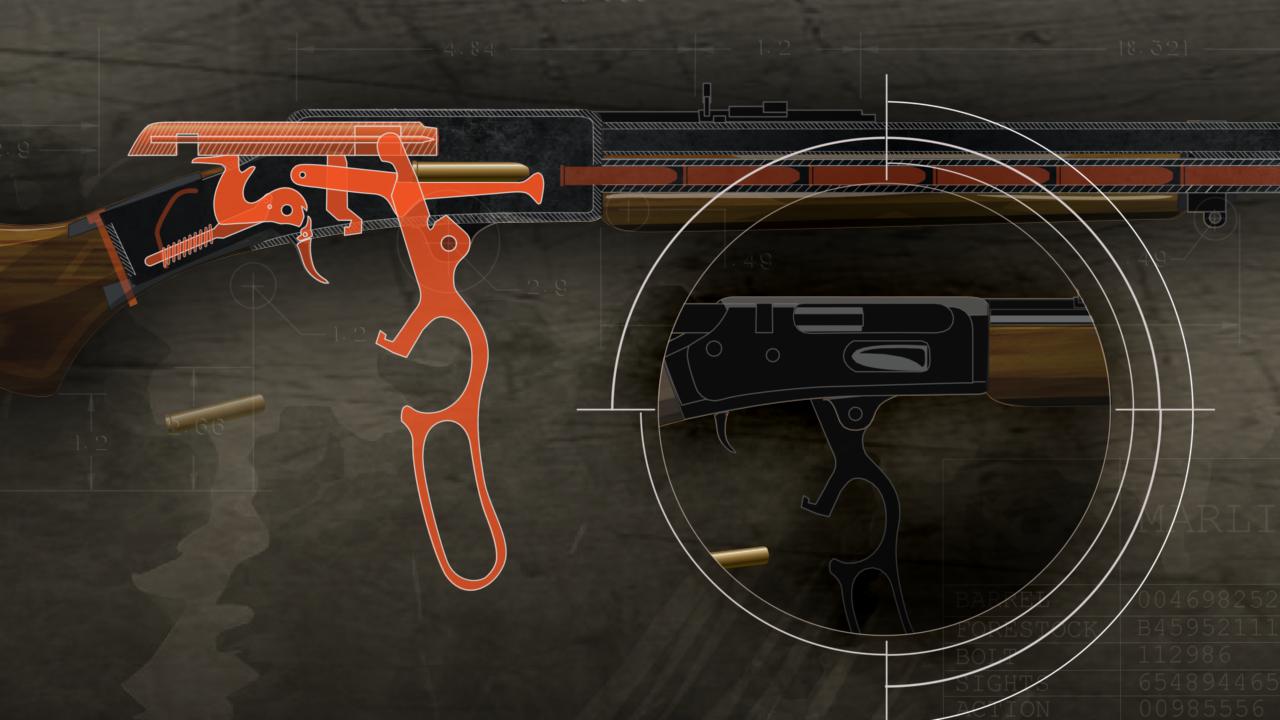
Pulling the lever down and forward opens the breech and ejects the spent cartridge. Moving the lever back pushes a new cartridge into the chamber. This action loads the rifle and cocks the hammer. The rifle is ready to fire again with a simple pull of the trigger.
How It Differs From Other Rifles
Lever-action rifles use a manual lever to cycle rounds. Bolt-action rifles require lifting and pulling a bolt handle. Semi-automatic rifles use gas or recoil to load the next round automatically. Lever-action rifles are faster than bolt-actions but slower than semi-automatics.
Lever-actions often hold fewer bullets than other rifles. Their design keeps them compact and easy to handle. This makes them popular for hunting and quick shooting at short to medium range.
The Lever Mechanism
The lever mechanism is the heart of a lever-action rifle. It controls the loading and firing process. This system allows quick cycling of rounds without removing the rifle from the shoulder. The lever is a metal handle located under the rifle’s receiver. Moving this lever back and forth operates the rifle’s internal parts.
Lever Movement And Function
Pulling the lever down and forward opens the action. This motion ejects the spent cartridge from the chamber. At the same time, the lever movement cocks the hammer. Pushing the lever back up chambers a new round. The process resets the rifle, making it ready to fire again. The lever’s smooth, repetitive motion lets shooters fire rapidly.
Connecting The Lever To The Bolt
The lever connects directly to the bolt inside the rifle. This connection moves the bolt backward and forward during cycling. When the lever moves down, it pulls the bolt back. This action extracts and ejects the empty cartridge case. When the lever returns, it pushes the bolt forward. The bolt then loads a fresh round into the chamber. This link between lever and bolt is key to the rifle’s operation.
Loading And Firing Process
The loading and firing process of a lever-action rifle shows its unique design. This process makes the rifle quick and reliable. It combines simple mechanics with smooth action. Each step works together for fast shooting. Understanding this process helps appreciate the rifle’s function and history.
Cartridge Feeding
Loading starts by placing cartridges into the magazine tube. The magazine sits under the barrel. Cartridges line up in a row inside it. Pulling the lever opens the action and moves the cartridges forward. One cartridge moves into position near the chamber. The rifle is now ready to fire.
Bolt Operation
Moving the lever also moves the bolt. The bolt slides back to eject any spent cartridge. Then it pushes forward to chamber a new round. The bolt locks tightly to keep the rifle safe. This action seals the chamber and prepares the rifle to shoot.
Trigger Activation
Pulling the trigger releases the firing pin. The firing pin hits the cartridge’s primer. This ignites the gunpowder inside the cartridge. The explosion forces the bullet out of the barrel. The rifle is ready for the next shot after cycling the lever again.
Ejecting Spent Cartridges
Ejecting spent cartridges is a key part of how a lever-action rifle works. After firing, the rifle must quickly remove the empty shell to load a new round. This process keeps the rifle ready to shoot again without delays. The ejection happens smoothly thanks to specific parts inside the rifle. These parts work together to pull out and throw away the spent cartridge. Understanding this process helps you see the clever design behind lever-action rifles.
Extraction Mechanism
The extraction mechanism grabs the spent cartridge firmly. It uses a small hook called the extractor. This hook fits into the rim of the cartridge case. When the lever moves, the extractor pulls the empty shell out of the chamber. This action clears the way for the next round. The extractor must be strong and precise. It prevents jams by removing the cartridge fully every time.
Ejection Port Role
The ejection port is the opening where the spent cartridge leaves the rifle. It is usually on the side of the receiver. After the extractor pulls the cartridge out, the ejector pushes it through this port. The ejector is a small, spring-loaded part inside the rifle. It strikes the cartridge and sends it flying clear. The ejection port must be the right size and shape. This ensures spent cartridges exit smoothly and do not block the rifle’s action.
Advantages Of Lever-action Rifles
Lever-action rifles offer many benefits that attract hunters and shooters. Their design combines speed, ease of use, and strong performance. These advantages make them a favorite choice for various shooting activities.
Speed And Efficiency
Lever-action rifles allow quick follow-up shots. The lever mechanism cycles fast, loading the next round smoothly. Shooters can maintain focus on the target without delays. This speed helps in hunting or target shooting alike. The simple action also means less chance of jamming.
Reliability In Various Conditions
These rifles work well in tough environments. They perform reliably in cold, heat, or dusty places. The lever system has fewer parts that can break or clog. This durability makes them ideal for outdoor use. Users trust lever-action rifles for consistent function under stress.
Common Models And Variations
Lever-action rifles come in many models and styles. Each design offers unique features and benefits. Some models are classic and have stood the test of time. Others include modern updates to improve performance. This variety helps shooters find the best fit for their needs.
Historical Favorites
The Winchester Model 1873 is one of the most famous lever-action rifles. Known as “The Gun That Won the West,” it has a solid build and reliable action. The Marlin Model 336 is another classic. It is favored for its accuracy and smooth lever operation. These rifles have simple designs that have lasted for over a century.
Modern Innovations
Newer lever-action rifles include improved materials and designs. Some models use stainless steel for better rust resistance. Others have updated sights for faster target acquisition. The Henry Big Boy and the Winchester Model 94 are examples of modern rifles. They blend traditional style with modern technology. These updates make lever-action rifles easier to use and maintain.
Frequently Asked Questions
What Is A Lever-action Rifle Mechanism?
A lever-action rifle uses a lever to cycle rounds. Operating the lever ejects the spent cartridge and chambers a new round quickly.
How Does The Lever Cycle Rounds?
The lever moves the bolt back and forth. This action ejects the old cartridge and loads a fresh round from the magazine.
What Are The Benefits Of Lever-action Rifles?
Lever-actions offer fast follow-up shots and reliability. They are easy to operate and have a classic, rugged design favored by hunters.
Can Lever-action Rifles Use Different Ammunition Types?
Yes, lever-action rifles can chamber various calibers. Common rounds include. 30-30 Winchester and. 45-70 Government, suitable for hunting and sport shooting.
Conclusion
A lever-action rifle works by moving the lever to load and fire. This simple action feeds a new bullet into the chamber quickly. The design makes it easy to use and reliable. Many people like its smooth operation and classic style.
Understanding how it works helps you appreciate its value. Whether for sport or history, it remains a popular choice. Simple, fast, and effective—that’s the lever-action rifle.

