
Have you ever wondered how a pump-action rifle actually works? If you’re curious about what makes this type of rifle different from others, you’re in the right place.
Understanding the mechanics behind a pump-action rifle can give you a new appreciation for its design and why so many people trust it for hunting and sport shooting. You’ll discover how each part moves together to load, fire, and reload quickly.
By the end, you’ll have a clear picture of what happens every time you pump the handle—and why it matters to your shooting experience. Keep reading to unlock the secrets behind this powerful and reliable firearm.

Pump-action Rifle Basics
A pump-action rifle is a type of firearm that uses a sliding grip to load and fire bullets. It is popular for hunting and sport shooting because of its reliability and ease of use.
The user moves the fore-end back and forth to cycle the action. This motion ejects the spent cartridge and loads a new one into the chamber. It makes the rifle ready to fire again quickly.
Key Components
Several parts work together in a pump-action rifle. The fore-end or pump is the sliding part the shooter moves. The barrel guides the bullet when fired.
The receiver holds the internal parts, including the bolt, which locks the bullet in place. The magazine stores the cartridges until they are needed. A trigger releases the firing pin to shoot the bullet.
Loading Mechanism
Loading starts by pulling the fore-end back. This action opens the chamber and ejects any spent cartridge. Moving the fore-end forward pushes a new cartridge from the magazine into the chamber.
The bolt then locks the cartridge in place, making the rifle ready to fire. Each pump cycles the rifle to load one bullet at a time. This system allows fast and reliable shooting.
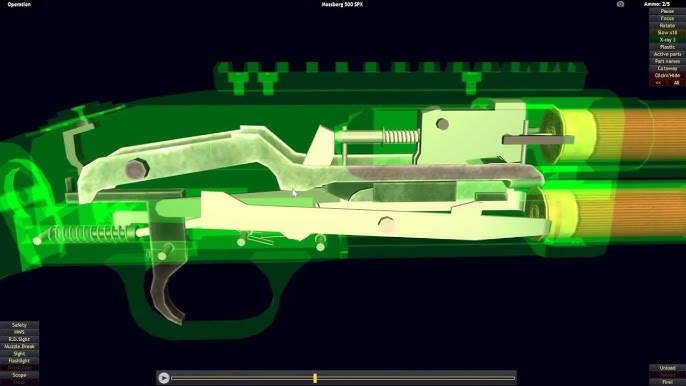
How Pump-action Works
Pump-action rifles are popular for their simple and reliable design. They use a manual slide mechanism to load and fire cartridges. This section explains how pump-action rifles work, focusing on their main parts and actions.
Cycle Of Operation
The cycle starts after firing a shot. The shooter pulls the fore-end back. This motion ejects the spent cartridge from the chamber. Then, pushing the fore-end forward loads a new cartridge. The rifle is now ready to fire again. Each pump completes one cycle of operation.
Role Of The Fore-end
The fore-end is the sliding part under the barrel. It controls the rifle’s action. Pulling it back unlocks the bolt and moves the spent cartridge out. Pushing it forward pushes a new round into the chamber. The fore-end ensures smooth, quick cycling with each pump.
Ejecting Spent Cartridges
When the fore-end moves back, the rifle ejects the used cartridge. An extractor pulls the shell from the chamber. Then, an ejector kicks it out of the rifle. This clears the chamber for the next round. Ejection is a key step in the pump-action process.
Advantages Of Pump-action Rifles
Pump-action rifles offer clear benefits for shooters. They balance power, control, and speed in a simple design. This makes them popular among hunters and sport shooters alike.
These rifles work well in many situations. Their unique mechanism allows for quick follow-up shots and strong reliability. Let’s explore the key advantages of pump-action rifles.
Speed And Reliability
Pump-action rifles allow fast cycling of rounds. The shooter slides the pump to eject the spent cartridge. Then, a new round loads smoothly into the chamber. This action takes less than a second.
The manual pump system rarely jams. It performs well even in tough weather or dirty conditions. This reliability makes pump-action rifles trusted tools in the field.
Ease Of Use
Pump-action rifles are easy to operate. The motion is natural and simple to learn. New shooters often find them less confusing than semi-automatic models.
The visible action helps users see if the rifle is ready. This adds a safety benefit. Controls are straightforward, reducing handling mistakes.
Versatility
Pump-action rifles work with many types of ammunition. They can handle different bullet sizes and power levels. This versatility suits various hunting and shooting needs.
They perform well in close and medium ranges. Users can adapt the rifle for different tasks. From hunting small game to target shooting, pump-actions fit the role.
Common Applications
Pump-action rifles are popular for many uses. Their design offers reliability and ease of use. These rifles serve well in different scenarios. Here are some common applications of pump-action rifles.
Hunting
Hunters favor pump-action rifles for quick follow-up shots. The manual action lets them control the firing speed. These rifles handle various game, from small animals to deer. Their accuracy and power make hunting safer and more effective.
Sport Shooting
Pump-action rifles are common in sport shooting events. They provide a good balance of speed and precision. Shooters enjoy the challenge of cycling the pump quickly and smoothly. This type of rifle helps improve marksmanship skills.
Self-defense
Many choose pump-action rifles for home defense. They are easy to operate under stress. The rifle’s design allows quick loading and firing. Its stopping power offers strong protection in emergencies.
Maintenance Tips
Maintaining a pump-action rifle keeps it working smoothly and safely. Regular care prevents jams and wear. Simple steps help your rifle last longer and shoot better.
Cleaning The Action
Remove dirt and powder residue from the action. Use a soft brush and cleaning solvent. Wipe the parts dry with a clean cloth. This stops buildup that can block movement. Clean after every use for best results.
Lubrication Points
Apply light oil to the moving parts. Focus on the slide, trigger, and bolt areas. Use only a small amount to avoid attracting dust. Proper lubrication reduces friction and wear. Check these spots before each shooting session.
Troubleshooting Common Issues
Sticking or hard pumping often means dirt or lack of oil. Clean and re-lubricate the action. If the rifle fails to cycle, check the magazine and chamber. Tighten loose screws to prevent parts from shifting. Regular checks keep the rifle reliable and safe.

Frequently Asked Questions
How Does The Pump-action Mechanism Operate?
The pump-action mechanism cycles the rifle by sliding the fore-end backward and forward. This motion ejects the spent cartridge and chambers a new round, enabling quick successive shots without reloading each time.
What Are The Main Parts Of A Pump-action Rifle?
Key parts include the barrel, receiver, magazine tube, bolt, and the sliding fore-end. The fore-end’s movement cycles the action, while the bolt locks and unlocks to chamber rounds and eject spent casings.
Why Choose A Pump-action Rifle Over Other Types?
Pump-action rifles offer reliability, faster follow-up shots, and ease of use. They are less prone to jamming compared to semi-automatic rifles and provide greater control over the cycling process.
Can Pump-action Rifles Use Different Ammunition Types?
Yes, pump-action rifles can often chamber various calibers and ammunition types. This versatility depends on the rifle model and magazine capacity, making them suitable for hunting and tactical uses.
Conclusion
A pump-action rifle uses a simple sliding action to load and fire bullets. You slide the fore-end back and forth to chamber a round. This motion also ejects the spent cartridge. It makes the rifle ready to shoot again quickly.
This design is reliable and easy to use. Many people choose it for hunting or sport shooting. Understanding how it works helps you appreciate its usefulness. The pump-action rifle blends speed with control in a neat package. It remains a popular choice worldwide for good reasons.

