
Have you ever wondered how a revolver actually works? Maybe you’ve seen one in movies or heard stories about it, but the mechanics behind it might seem confusing.
Understanding how your revolver functions can give you confidence and a deeper appreciation for this classic firearm. You’ll discover the simple yet clever design that makes a revolver reliable and easy to use. Keep reading, and you’ll soon see why this old-school weapon remains popular even today.
Revolver Basics
The revolver is a classic type of handgun known for its simple design. It has been used for over a century. Understanding how it works starts with learning its basics. The revolver uses a rotating cylinder to hold bullets. This design allows quick firing without reloading each bullet separately.
Many people find revolvers easy to use and reliable. They have fewer moving parts than other guns. This makes them less likely to jam. Now, let’s explore the key parts and the types of revolvers.
Key Components
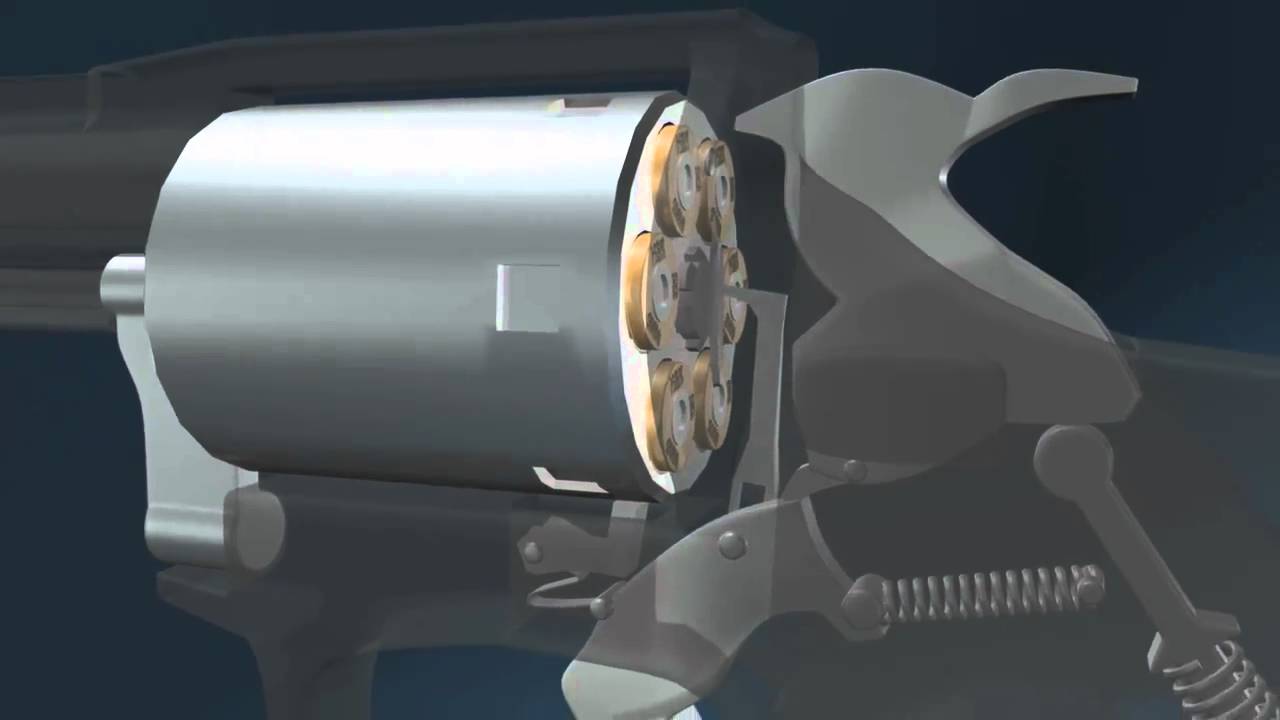
The cylinder is the heart of a revolver. It holds several bullets, usually five or six. The barrel guides the bullet out when fired. The hammer strikes the bullet’s primer to fire it. The trigger releases the hammer. The frame holds all parts together.
Each part works in sync. Pulling the trigger rotates the cylinder. This aligns a new bullet with the barrel. Then the hammer hits the bullet to fire it. The design is simple but very effective.
Types Of Revolvers
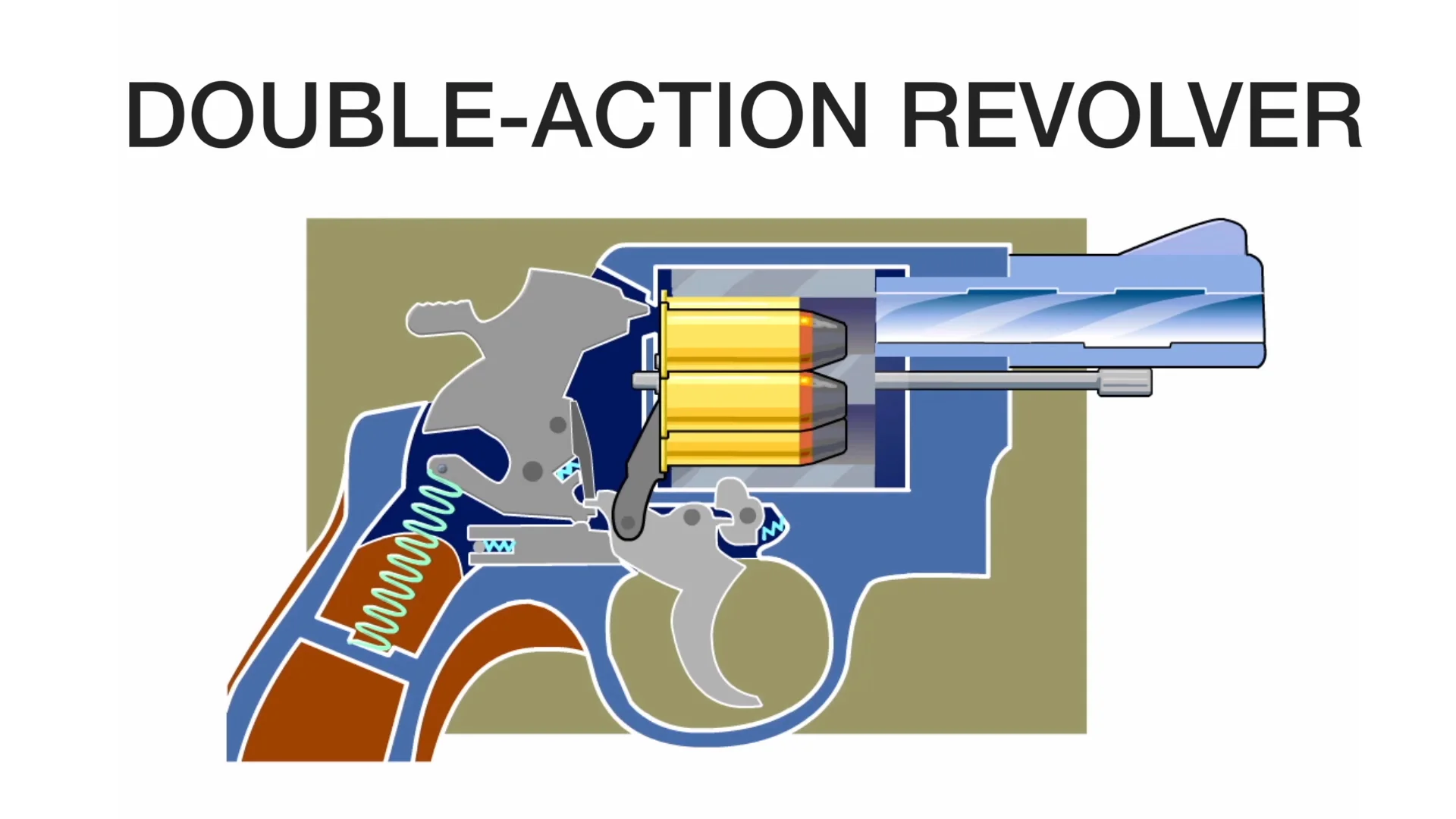
There are mainly two types of revolvers: single-action and double-action. Single-action revolvers need the hammer pulled back manually. This action prepares the gun to fire. Double-action revolvers work by pulling the trigger. The trigger both cocks and releases the hammer.
Single-action revolvers often have a lighter trigger pull. Double-action models are faster to shoot. Some revolvers allow both actions. Choosing a type depends on the user’s needs and preferences.
Loading And Firing Process
The loading and firing process of a revolver is simple and reliable. It involves placing bullets into the chambers, preparing the gun to shoot, and firing the bullet accurately. This process uses the revolver’s unique design to work smoothly and safely.
Cylinder Rotation
The cylinder holds multiple chambers for bullets. Each time you pull the trigger, the cylinder spins. This moves a new bullet in line with the barrel. The rotation ensures a fresh bullet is ready to fire every time. It prevents the gun from firing the same bullet twice in a row.
Hammer And Trigger Action
The trigger controls the hammer’s movement. Pulling the trigger pulls the hammer back. This action stores energy in the spring. When the trigger is released, the hammer snaps forward. It strikes the bullet’s primer, causing it to fire. This simple action makes the revolver easy to use.
Chamber Alignment
Proper alignment is crucial for safety and accuracy. The cylinder must line up with the barrel exactly. This alignment guides the bullet straight out of the gun. Misalignment can cause firing problems or damage. The revolver’s design keeps the chamber and barrel perfectly aligned each time.
Single-action Vs Double-action
The terms Single-Action and Double-Action describe how a revolver fires a bullet. These actions affect how the trigger and hammer work together. Understanding these helps to know how a revolver shoots and reloads. Each type has its own way of operating the gun.
Single-action Mechanism
In a Single-Action revolver, the shooter must pull back the hammer first. This action cocks the gun. Pulling the trigger then releases the hammer to fire the bullet. The trigger only performs one task: releasing the hammer. This makes the trigger pull light and easy. The shooter needs to cock the hammer before every shot.
Double-action Mechanism
A Double-Action revolver works differently. Pulling the trigger both cocks and releases the hammer. This means one long trigger pull fires the gun. The trigger does two jobs: cocking and releasing. The trigger pull feels heavier than Single-Action. The shooter does not need to cock the hammer manually. This allows faster shooting in some cases.
Safety Features
Revolvers include safety features to prevent accidental firing. These features protect users and others nearby. Understanding these safety mechanisms helps users handle revolvers responsibly. Two common safety features are the transfer bar system and hammer block safety.
Transfer Bar Systems
The transfer bar system stops the hammer from hitting the firing pin directly. It only moves into place when the trigger is pulled. This means the gun will not fire if dropped or the hammer is struck accidentally. The transfer bar acts as a safety bridge between the hammer and firing pin. This system reduces accidental discharges significantly.
Hammer Block Safety
The hammer block safety places a physical barrier between the hammer and firing pin. This block lifts only when the trigger is pulled fully. Without pulling the trigger, the hammer cannot strike the firing pin. This prevents the revolver from firing if dropped or bumped. The hammer block safety adds an extra layer of protection.
Common Malfunctions
Revolvers are known for their reliability, but malfunctions can still happen. Understanding common problems helps with safe handling and maintenance. Two frequent issues affect performance: misfires and cylinder problems. Each can stop the revolver from working properly.
Misfires And Causes
A misfire happens when the trigger is pulled, but the gun does not fire. This can be due to bad ammunition or a weak primer. Dirt or debris inside the firing mechanism may block the hammer from hitting the cartridge. Sometimes, the firing pin can be worn out or broken. Regular cleaning and proper ammo use reduce misfires.
Cylinder Issues
The cylinder holds the bullets and rotates to align each round with the barrel. If the cylinder does not rotate smoothly, the revolver can jam. Dirt, rust, or damaged parts can cause this problem. The cylinder latch might fail to lock the cylinder in place. A loose or sticky cylinder can affect accuracy and safety. Checking and cleaning the cylinder often prevents these issues.

Maintenance Tips
Proper maintenance keeps a revolver working smoothly and safely. Regular care prevents rust and wear. It also helps the gun last longer. The two main tasks are cleaning and lubrication. Both are simple and do not take much time.
Cleaning The Cylinder
Start by opening the cylinder. Remove any spent cartridges or debris. Use a soft brush to clean each chamber. A patch soaked in gun cleaner helps remove powder residue. Dry the chambers with a clean cloth. Never use water to clean the cylinder. It can cause rust and damage.
Lubrication Points
Apply a small amount of oil to the moving parts. Focus on the cylinder’s pivot and the trigger mechanism. Use a light gun oil, not too thick. Too much oil can attract dirt and dust. Wipe off any extra oil with a clean cloth. Proper lubrication makes the revolver work smoothly and reduces wear.
Frequently Asked Questions
How Does A Revolver’s Cylinder Function?
A revolver’s cylinder holds multiple cartridges. It rotates to align each cartridge with the barrel. This rotation allows for consecutive shots without reloading after each fire.
What Triggers The Firing Mechanism In A Revolver?
Pulling the trigger causes the hammer to strike the firing pin. This action ignites the cartridge primer, firing the bullet through the barrel.
How Many Shots Can A Typical Revolver Hold?
Most revolvers hold between 5 to 8 rounds. The exact number depends on the cylinder size and model design.
What Is The Difference Between Single And Double Action Revolvers?
Single-action requires manual hammer cocking before firing. Double-action cocks and fires with a single trigger pull, offering faster shooting.
Conclusion
A revolver holds bullets in a rotating cylinder. Each trigger pull turns the cylinder to the next bullet. This design allows quick firing without reloading after every shot. Its simple mechanism makes it reliable and easy to use. Understanding how a revolver works helps appreciate its place in history and today.
Whether for sport or safety, the revolver remains a popular firearm choice. Its clear parts and smooth action make it unique. Now you know why revolvers function the way they do.

