
Have you ever wondered how a semi-automatic rifle works? Whether you’re curious about the mechanics or considering one for yourself, understanding how these rifles operate can give you a clear edge.
This isn’t just about pulling the trigger—there’s a fascinating process behind every shot. By the end of this article, you’ll know exactly what happens inside your rifle each time you fire, making you more confident and informed. Let’s dive in and break it down step by step.
Basic Components
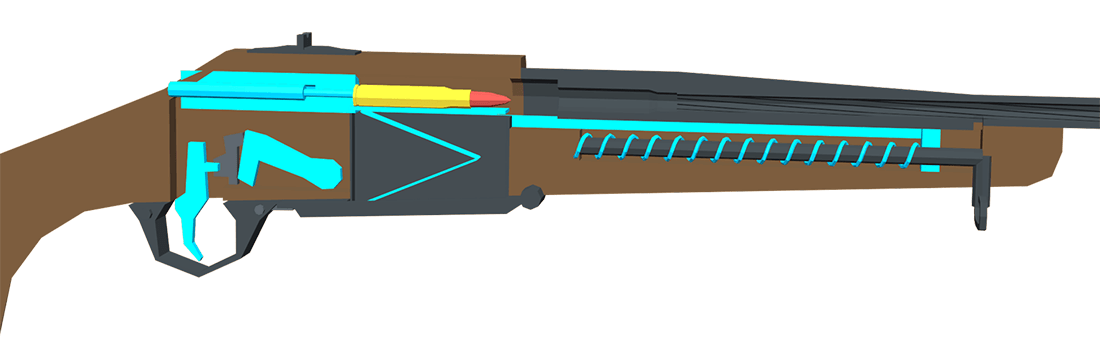
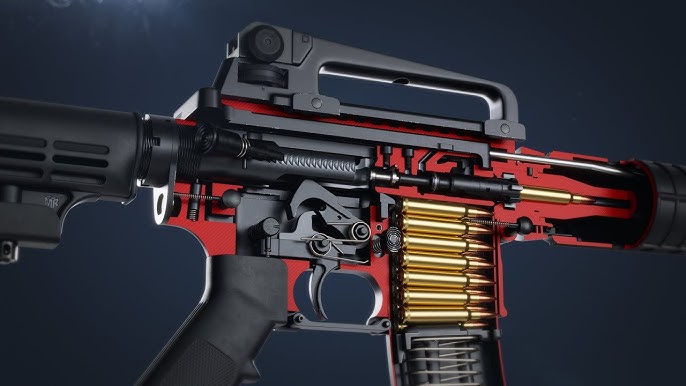
Semi-automatic rifles have several key parts. Each part works together to fire bullets quickly and safely. Understanding these components helps explain how the rifle operates. Let’s explore the basic parts that make a semi-automatic rifle function.
Barrel And Chamber
The barrel is a long metal tube. It guides the bullet when fired. The chamber holds the bullet before firing. It is at the back of the barrel. When the trigger is pulled, the bullet moves from the chamber through the barrel. The barrel’s inside is rifled. This means it has grooves. These grooves make the bullet spin. Spinning helps the bullet fly straight and far.
Bolt Carrier Group
The bolt carrier group is the rifle’s engine. It moves back and forth inside the rifle. After firing, it pushes out the empty cartridge. Then, it pulls a new bullet into the chamber. This action reloads the rifle automatically. It also locks the bullet in place before firing. The bolt carrier group must work smoothly. This keeps the rifle firing safely and quickly.
Trigger Mechanism
The trigger mechanism starts the firing process. When you pull the trigger, it releases the hammer. The hammer hits the firing pin. The firing pin strikes the bullet’s primer. This sets off the bullet’s gunpowder. The explosion pushes the bullet out of the barrel. The trigger mechanism controls when the rifle fires. It helps keep the shooter safe by preventing accidental shots.
Magazine And Ammunition
The magazine holds the bullets. It is usually a box that fits under the rifle. The magazine feeds bullets into the chamber. It pushes each bullet up after firing. Ammunition means the bullets used in the rifle. Each bullet has a casing, primer, gunpowder, and a bullet tip. The magazine must be loaded correctly. This ensures the rifle shoots without jamming.

Firing Cycle
The firing cycle is the heart of a semi-automatic rifle’s operation. It describes the steps that happen every time you pull the trigger. Each step works in a smooth flow to fire a bullet and prepare the rifle for the next shot. Understanding this cycle helps you see how the rifle functions quickly and safely.
Trigger Pull And Firing Pin
The cycle begins with the trigger pull. Pulling the trigger releases the firing pin. The firing pin strikes the primer at the back of the bullet cartridge. This strike ignites the gunpowder inside the cartridge. The explosion starts the bullet’s journey down the barrel.
Bullet Propulsion
The ignited gunpowder creates hot gas. This gas pushes the bullet forward. The bullet travels through the rifle’s barrel at high speed. The barrel guides the bullet to its target. The force also pushes the cartridge case back into the rifle’s action.
Gas Or Recoil Operation
The rifle uses gas or recoil to cycle the next round. In gas operation, some gas is diverted to push the bolt backward. This action ejects the spent cartridge. It also chambers a new bullet from the magazine. In recoil operation, the backward force moves the bolt and reloads the rifle. Both systems prepare the rifle for the next shot.
Automatic Ejection
Automatic ejection is a key part of how a semi-automatic rifle works. It clears the rifle of used cartridges quickly. This process helps the rifle stay ready to fire again fast. The rifle uses the energy from firing to remove the spent cartridge. Then it prepares the next round for firing. Understanding this helps you see how the rifle cycles smoothly.
Spent Cartridge Removal
After a bullet fires, the casing stays in the chamber. The rifle’s bolt moves backward. This action pulls the spent cartridge out. An extractor claw grabs the casing firmly. It pulls the casing out of the chamber. The casing is then pushed out of the rifle. This is called ejection. It clears space for the next round.
Bolt Movement
The bolt moves backward due to gas or recoil force. This backward motion unlocks the bolt from the chamber. It pulls the spent cartridge out. The bolt then moves forward under spring pressure. This forward move pushes a new round into the chamber. The bolt locks again to hold the round in place. This cycle repeats with each shot.
Chambering A New Round
As the bolt moves forward, it picks a new cartridge. The cartridge comes from the magazine below the chamber. The bolt pushes the round into the chamber. The round sits tightly, ready to fire. The rifle is then set to fire the next bullet. This step happens quickly and smoothly. It keeps the shooter ready for the next shot.
Semi-automatic Vs. Other Rifles
Semi-automatic rifles fill a unique space in the world of firearms. They offer a balance between control and speed. This makes them popular for many uses, from hunting to sport shooting.
Understanding how semi-automatics differ from other types of rifles helps you see their strengths and limits. This knowledge guides better choices for different needs.
Manual Vs. Semi-automatic
Manual rifles require the shooter to operate the action each time they fire. This means pulling a lever or bolt to load the next round. It slows down the shooting process.
Semi-automatic rifles load the next bullet automatically after each shot. The shooter only needs to pull the trigger again. This speeds up firing without losing control.
Semi-automatics reduce effort and increase the rate of fire. They still make you aim carefully before every shot. This balance suits many shooting activities.
Semi-automatic Vs. Fully Automatic
Fully automatic rifles fire continuously while the trigger is pressed. They keep shooting until the ammunition runs out or the trigger is released. This allows very fast firing.
Semi-automatics fire one bullet per trigger pull. This prevents rapid, uncontrolled shooting. It offers more accuracy and safer handling.
Fully automatic rifles are mostly used by the military. They require special training and licenses for civilian use. Semi-automatics are easier to use and more widely available.
Safety Features
Semi-automatic rifles include important safety features. These features help stop accidents. They protect users and others nearby.
Understanding these safety features is key to handling the rifle properly. They work to prevent the rifle from firing unintentionally. Safety features add control and peace of mind.
Safety Mechanisms
Semi-automatic rifles have built-in safety mechanisms. The most common is the manual safety switch. This switch blocks the trigger or firing pin.
Some rifles include grip safeties, which activate only when held firmly. Drop safeties stop the rifle from firing if dropped. These parts work together to reduce risks.
Preventing Accidental Firing
Accidental firing can cause serious harm. Safety features stop the rifle from firing without a deliberate action. Trigger guards protect the trigger from being pressed by mistake.
Many rifles also require the bolt to be fully closed before firing. This ensures the rifle is ready and safe to shoot. These systems prevent accidents and keep users safer.
Maintenance Tips
Proper maintenance keeps a semi-automatic rifle working well and safe. It helps avoid jams and parts wearing out fast. Small care steps make a big difference in how the rifle performs.
Cleaning The Rifle
Cleaning removes dirt, powder, and oil from the rifle. Use a cleaning rod, patches, and a brush for the barrel. Wipe the bolt and chamber with a cloth. Clean every part after shooting to prevent rust and blockages.
Regular Inspection
Check the rifle regularly for any damage or wear. Look for cracks, loose screws, or broken springs. Test the trigger and safety to ensure they work smoothly. Early checks catch problems before they grow bigger.
Lubrication Points
Apply oil to moving parts to reduce friction and wear. Focus on the bolt carrier, slide rails, and trigger mechanism. Use only a small amount of lubricant to avoid attracting dirt. Proper lubrication keeps the rifle cycling smoothly.
Frequently Asked Questions
What Defines A Semi-automatic Rifle?
A semi-automatic rifle fires one bullet per trigger pull. It automatically chambers the next round, allowing faster shooting than manual rifles.
How Does The Firing Mechanism Work?
Pulling the trigger releases a firing pin that strikes the primer. This ignites the powder, propelling the bullet through the barrel.
What Powers The Cycling Of Semi-automatic Rifles?
Gas pressure or recoil energy cycles the action. This ejects the spent cartridge and loads a new round automatically.
Are Semi-automatic Rifles Different From Automatic Rifles?
Yes, semi-automatic rifles fire one shot per trigger pull. Automatic rifles continuously fire bullets while the trigger is held down.
Conclusion
A semi-automatic rifle fires one bullet each time you pull the trigger. It uses the energy from firing to load the next round. This lets you shoot faster than a manual rifle. The parts work together smoothly to make this happen.
Knowing how it works helps you understand its use and safety. Always handle these rifles with care and respect. Understanding basics makes you a smarter and safer user. Simple mechanics, clear function—that’s the heart of a semi-automatic rifle.

