
If you’re thinking about adding a swing-out cylinder revolver to your collection or using one for self-defense, you probably want to know one thing: how durable are these firearms? You need a revolver that won’t let you down when it matters most.
Whether you’re worried about wear and tear, heavy use, or tough conditions, understanding the durability of swing-out cylinder revolvers is key. You’ll discover what makes these guns strong, where they might face challenges, and how to keep yours lasting for years.
Keep reading to get the full picture and make the best choice for your needs.
Swing-out Cylinder Basics
The swing-out cylinder is a key feature in many revolvers. It allows the cylinder to move out of the frame for quick loading and unloading. This design makes reloading faster and easier compared to older revolver models. Understanding the basics of this mechanism helps to see how durable these guns can be.
Design Features
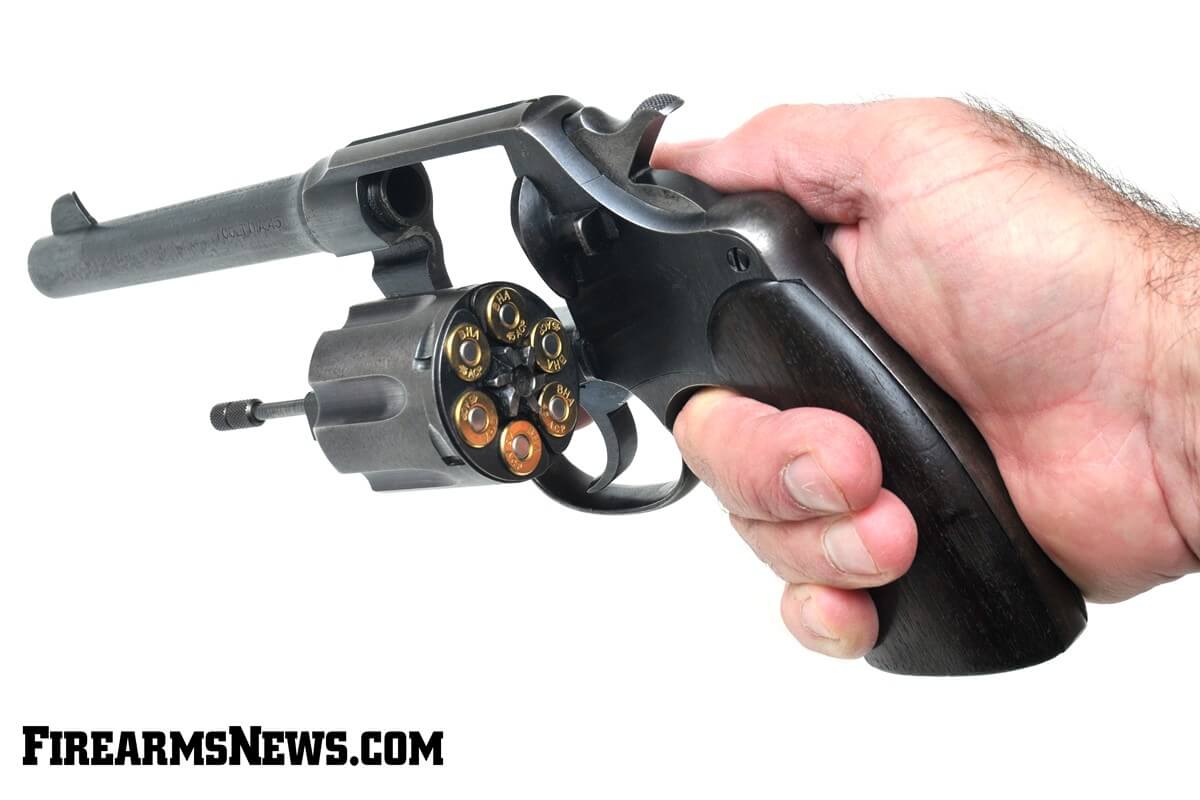
Swing-out cylinders rotate on a central axis attached to the revolver frame. The cylinder swings out to the side, exposing all chambers at once. This design supports faster reloads and better cleaning access. A latch or release mechanism holds the cylinder in place during firing. The parts must fit tightly to avoid misalignment and ensure accuracy. Proper design reduces wear and tear over time.
Materials Used
Most swing-out cylinders use strong metals like stainless steel or alloy steel. These metals resist corrosion and handle repeated firing stresses. Some revolvers also use lightweight materials for better carry comfort. The cylinder’s metal must withstand high pressure from bullets. Quality material choice extends the revolver’s lifespan and maintains safety. Regular maintenance also helps keep the materials in good condition.

Factors Affecting Durability
Durability is a key concern for anyone interested in swing-out cylinder revolvers. Several factors influence how long these firearms last. Understanding these factors helps buyers choose reliable models. It also guides users in proper care and maintenance.
Cylinder Construction
The cylinder holds the cartridges and must be strong. Most cylinders are made from steel or alloys. Steel cylinders offer high resistance to wear and pressure. The quality of metal and machining affects durability. Poor construction can cause cracks or deformation over time.
Frame Strength
The frame supports the entire revolver structure. Strong frames handle repeated firing stress better. Frames made from high-grade steel or titanium last longer. Lightweight frames may suffer from faster wear. Proper design and material choice are critical for frame strength.
Locking Mechanisms
Locking parts keep the cylinder in place during firing. Robust locking mechanisms prevent cylinder movement and misalignment. Weak locks can lead to frame damage or unsafe firing. Precision engineering and durable metals improve locking system life. Regular cleaning prevents dirt buildup, which can wear locks.
Common Wear And Tear Issues
Swing-out cylinder revolvers are built tough, but regular use can cause some wear. Parts move often and face stress, leading to common issues. Understanding these problems helps keep the revolver working well.
Cylinder Misalignment
The cylinder must line up perfectly with the barrel. Misalignment can cause poor accuracy or even damage. Dirt, wear, or a bent part can shift the cylinder out of place. Regular cleaning and care reduce this risk.
Ejector Rod Problems
The ejector rod pushes spent cartridges out of the cylinder. Over time, it can bend or become loose. A damaged rod makes it hard to eject shells smoothly. Checking and tightening this part helps avoid jams.
Finish Degradation
The revolver’s finish protects metal from rust and wear. Frequent handling, sweat, or exposure to elements can wear down the finish. This leads to rust spots or dull areas. Wiping the gun after use keeps the finish strong.
Testing Durability
Testing the durability of swing-out cylinder revolvers is key to understanding their strength. These tests show how well the revolver can handle stress and everyday use. Durability tests reveal the revolver’s reliability and lifespan. They ensure the firearm works safely under tough conditions. Below, we explore two main types of durability tests for these revolvers.
Stress And Pressure Tests
Stress and pressure tests check the revolver’s ability to handle force. These tests involve firing many rounds to see if parts wear out. The cylinder must open and close smoothly after repeated use. Tests also measure how the gun handles high-pressure cartridges. Engineers watch for cracks, metal fatigue, or loosening parts. These tests help confirm the revolver’s metal and design quality. A durable revolver passes these tests without failure.
Real-world Usage Scenarios
Real-world tests simulate daily handling and shooting conditions. Users carry the revolver in different environments like rain or dust. The gun is tested for resistance to dirt, moisture, and rough handling. Shooting in various weather shows how the finish and mechanics hold up. These tests check if the revolver stays accurate and reliable over time. Real-life use tests prove the revolver’s practical durability. A strong design lasts through years of regular use.
Maintenance Tips For Longevity
Proper maintenance extends the life of swing-out cylinder revolvers. Careful cleaning and regular checks keep them working smoothly. Following easy steps prevents damage and costly repairs. This section shares practical tips for lasting performance.
Cleaning Procedures
Start by unloading the revolver safely. Use a soft brush to remove powder residue from the barrel and cylinder. Clean the frame and cylinder with a damp cloth. Avoid harsh chemicals that can damage metal parts. Dry all components thoroughly before reassembling. Regular cleaning stops rust and buildup that affect accuracy.
Lubrication Points
Apply oil sparingly to the cylinder crane and the ejector rod. Lightly lubricate the trigger mechanism and hammer pivot. Use a quality gun oil designed for firearms. Too much oil attracts dust and dirt. Proper lubrication reduces wear and keeps parts moving freely.
Routine Inspections
Check the revolver for signs of wear or damage often. Look for cracks in the frame or cylinder. Test the cylinder lock-up and trigger pull for smooth action. Replace worn springs or pins promptly. Regular inspections catch problems early before they worsen.
Comparing Brands And Models
Comparing different brands and models helps to understand the durability of swing-out cylinder revolvers. Each brand offers unique features and materials. These affect how long the revolver lasts under regular use. Some models focus on heavy-duty parts, while others balance cost and function. Knowing these differences guides buyers toward a revolver that suits their needs and budget.
High-end Revolvers
High-end revolvers use top-quality steel and advanced manufacturing. This makes them strong and resistant to wear. Brands like Smith & Wesson and Ruger build these durable guns. Their parts fit tightly, reducing stress and damage over time. These revolvers handle heavy use well without losing accuracy. Owners often find they need fewer repairs or replacements. The price is higher, but the long life can justify it.
Budget Options
Budget revolvers use simpler materials and less precise assembly. Brands such as Taurus and Heritage offer affordable models. These revolvers work fine for light or casual use. Durability may be lower, especially with frequent firing. Parts can wear faster or need replacement sooner. Still, they provide good value for new shooters or those on a budget. Regular cleaning and care improve their lifespan significantly.
User Experiences
Users of swing-out cylinder revolvers offer valuable insights into their durability. Their real-life experiences reveal how these firearms hold up under different conditions. This feedback helps understand the practical strength of these revolvers.
Many users report that swing-out cylinder revolvers last for years with proper care. They often highlight the solid build and reliable performance. The cylinder’s swing-out design makes loading and unloading easier, which users appreciate.
Collector Insights
Collectors admire swing-out cylinder revolvers for their classic design and lasting quality. They often keep these revolvers in good condition for decades. Most collectors say the metal frame resists wear well over time.
Some note minor issues like cylinder alignment after very long use. Despite this, many collectors say the revolvers remain fully functional. Their durability adds value to the firearm as a collectible item.
Law Enforcement Feedback
Law enforcement officers rely on swing-out cylinder revolvers for durability in tough situations. They praise the revolvers for withstanding heavy use and rough handling. The swing-out cylinder allows quick reloads, which is crucial in the field.
Officers also mention that regular maintenance keeps these revolvers working smoothly. Few report mechanical failures, showing the revolvers’ reliability. Overall, law enforcement feedback supports the reputation for toughness.

Frequently Asked Questions
How Long Do Swing-out Cylinder Revolvers Typically Last?
Swing-out cylinder revolvers can last decades with proper care. Their durability depends on usage, maintenance, and quality. Regular cleaning and lubrication prevent wear and corrosion. High-quality models use strong materials ensuring longevity. Overall, they are reliable for long-term use under normal conditions.
Are Swing-out Cylinder Revolvers Prone To Mechanical Failures?
Swing-out cylinder revolvers are generally reliable with fewer mechanical issues. Their design allows smooth cylinder rotation and easy access. Failures usually result from poor maintenance or misuse. Regular inspection and timely repairs reduce malfunction risks. Proper handling ensures consistent performance over time.
What Materials Enhance The Durability Of These Revolvers?
Durability increases with high-grade steel or alloy frames. Stainless steel resists rust and corrosion effectively. Reinforced cylinder components prevent cracking under pressure. Quality grips and internal parts contribute to overall strength. Material choice directly impacts revolver lifespan and reliability.
Can Frequent Firing Affect Swing-out Cylinder Revolver Durability?
Frequent firing causes heat and wear, affecting parts over time. Proper cooling and cleaning after shooting maintain performance. Using recommended ammunition prevents excessive stress on components. Regular maintenance offsets firing-related wear, extending revolver life. Consistent care ensures lasting durability despite frequent use.
Conclusion
Swing-out cylinder revolvers hold up well over time with proper care. Their design allows easy cleaning and quick reloading, which helps maintain durability. Regular maintenance prevents wear and keeps parts working smoothly. These revolvers suit both beginners and experienced shooters.
They offer reliability and strength for many years of use. Choose quality materials and check for damage often. A well-kept swing-out cylinder revolver can last decades. Durability matters most when safety and performance count. Trust in a revolver built to endure.

